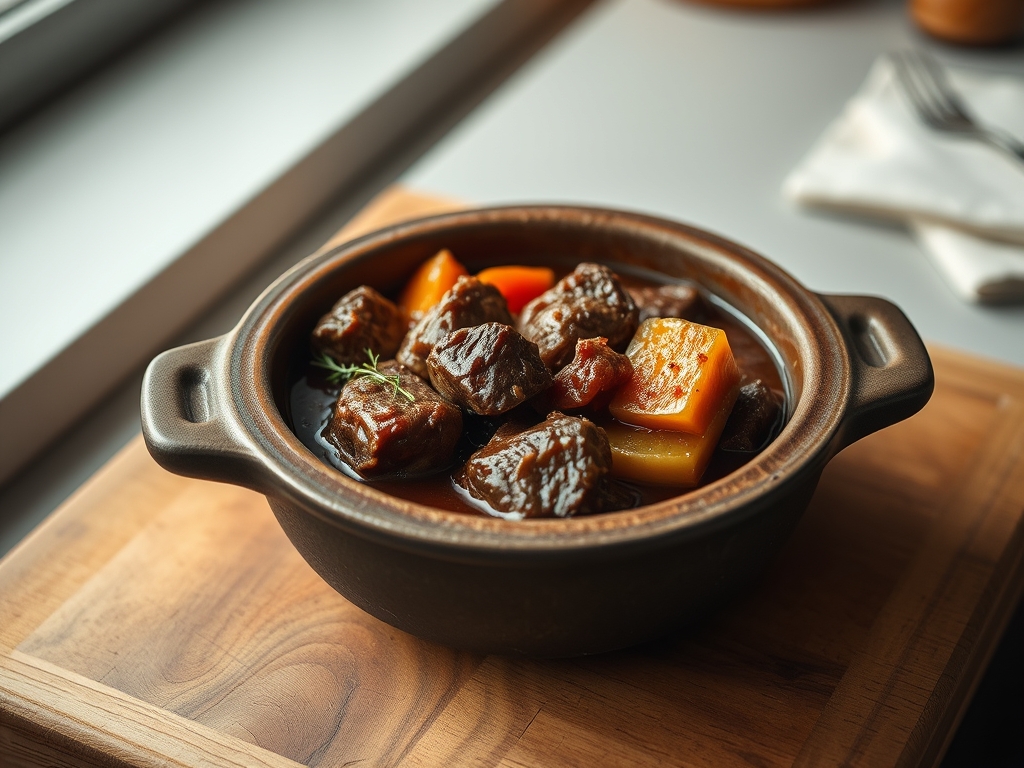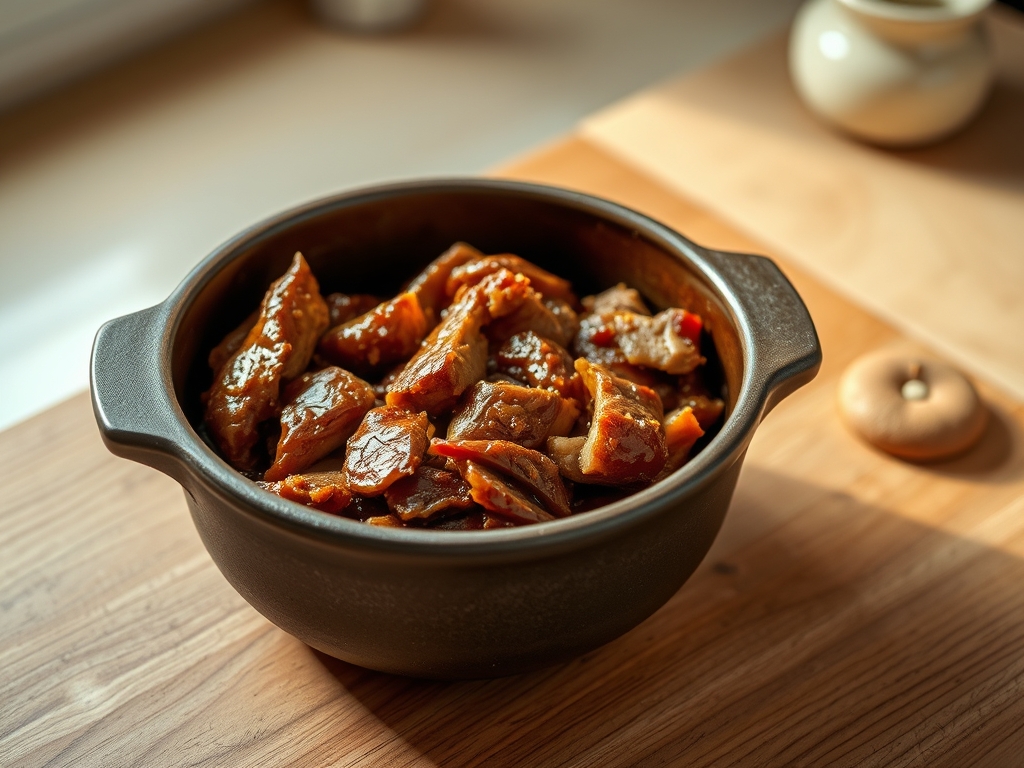
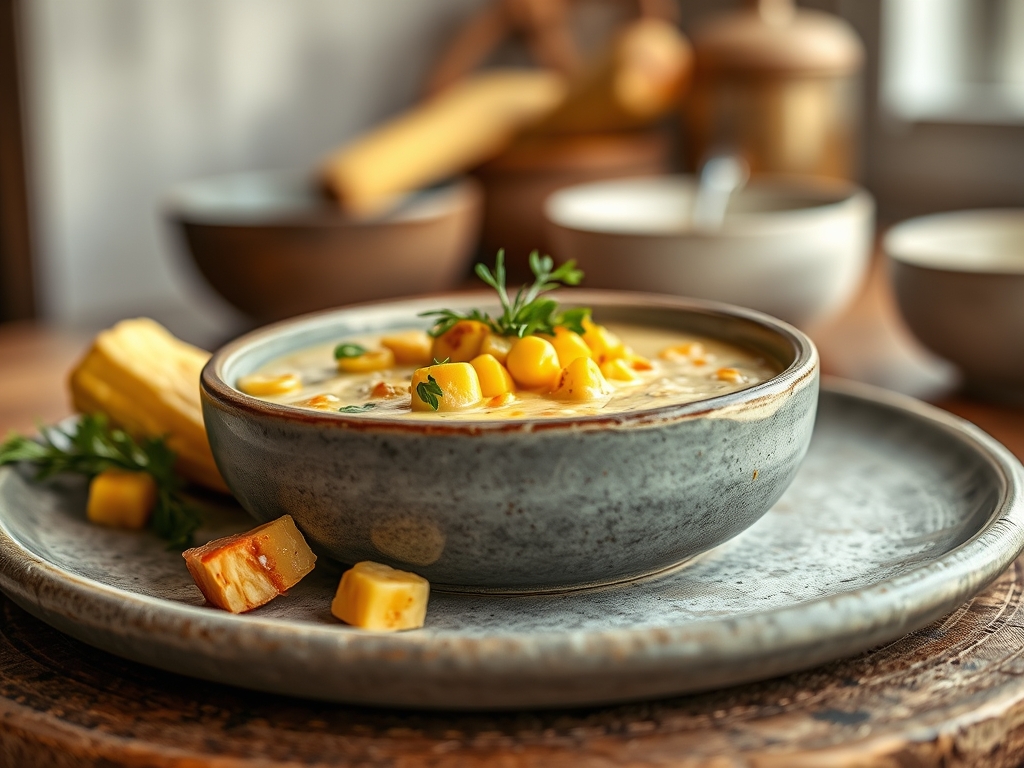
Listen up, kitchen operatives. We are moving beyond the realm of mere hobbyist boiling and into the high-stakes theater of starch suspension. When you deploy a Slow Cooker Corn Chowder, you are not just making soup; you are managing a complex thermal ecosystem where sugars, fats, and polysaccharides collide in a ceramic vessel. The goal is a viscous, golden elixir that tastes like a mid-August afternoon but possesses the structural integrity of a professional sauce. We are looking for that perfect balance of sweet, sun-ripened kernels and the savory, salty depth of rendered fat. If your current results are watery, bland, or structurally compromised, you have failed the audit. This protocol is designed to eliminate human error and maximize the Maillard reaction within the constraints of a low-temperature environment. We are here to transform humble maize into a masterpiece of culinary engineering. Prepare your stations; the audit begins now.
THE DATA MATRIX
| Metric | Specification |
|---|---|
| Prep Time | 20 Minutes |
| Execution Time | 4 Hours (High) / 7 Hours (Low) |
| Yield | 6 Servings (Approx. 2.5 Liters) |
| Complexity | 3/10 |
| Estimated Cost per Serving | $1.85 USD |
THE GATHERS
Ingredient Protocol:
- 900g / 6 cups Sweet corn kernels (fresh or high-quality frozen)
- 450g / 3 medium Yukon Gold potatoes, 1cm dice
- 150g / 1 large Yellow onion, finely minced
- 225g / 8 oz Thick-cut smoked bacon, batons
- 750ml / 3 cups Low-sodium chicken or vegetable stock
- 250ml / 1 cup Heavy cream (minimum 36% milkfat)
- 2g / 1 tsp Dried thyme
- 1g / 0.5 tsp Smoked paprika
- 15g / 1 tbsp Kosher salt (adjust to taste)
- 2g / 1 tsp Freshly cracked black pepper
- 30g / 2 tbsp All-purpose flour or cornstarch (for the slurry)
- Optional: 115g / 1 cup Sharp white cheddar, grated
Section A: Ingredient Quality Audit:
The primary failure point in Slow Cooker Corn Chowder is the "Starch-to-Sugar Ratio." If using fresh corn, ensure the kernels are milky when pierced. If they are starchy and tough, you must infuse the broth with the stripped cobs during the simmer to reclaim lost flavor. For potatoes, avoid Russets; their cellular structure collapses too easily, leading to a grainy mouthfeel. Yukon Golds provide the necessary waxiness to maintain shape. If your bacon lacks a deep smoke profile, the dish will lack the piquant edge required to cut through the heavy cream. To fix a bland base, add a teaspoon of apple cider vinegar at the end of the cycle to brighten the pH.
THE MASTERCLASS
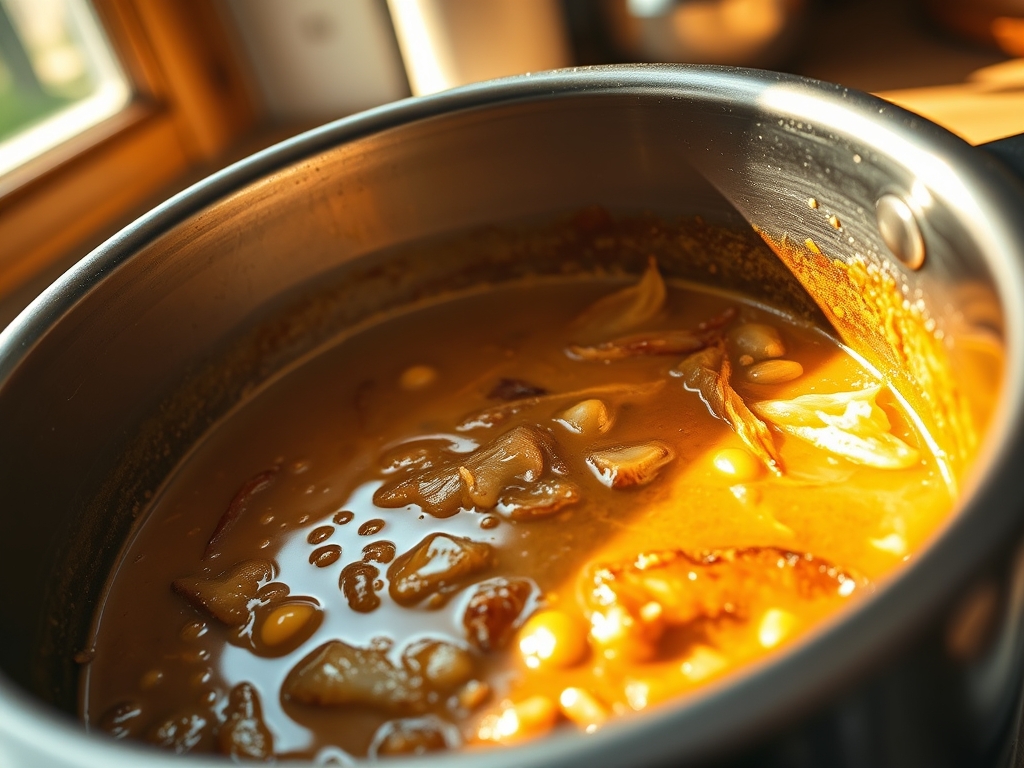
Step 1: The Lipid Rendering Phase
Begin by placing your bacon batons into a cold saucier or skillet. Bring the heat to medium, allowing the fat to render slowly until the bacon is crisp. Remove the solids with a slotted spoon and reserve. Use a bench scraper to move the minced onions into the hot fat, sautéing until translucent.
Pro Tip: This step is non-negotiable. Slow cookers cannot reach the temperatures required for the Maillard reaction. Sautéing the aromatics first creates the flavor compounds that a raw-dump method simply cannot replicate.
Step 2: Vessel Integration and Thermal Loading
Transfer the sautéed onions and bacon fat into the slow cooker ceramic insert. Add the potatoes, corn, thyme, paprika, salt, and pepper. Pour in the stock, ensuring the liquid just barely covers the solids. Use a digital scale to ensure your ratios are precise; too much liquid results in a weak suspension.
Pro Tip: The "Displacement Principle" applies here. If the vegetables are floating, you have too much stock. The goal is a dense, viscous concentration of ingredients that will release their own juices during the cycle.
Step 3: The Long-Wave Thermal Cycle
Secure the lid and set the device to Low for 7 hours or High for 4 hours. Avoid opening the lid during the process. Every time you peek, you lose approximately 15 minutes of thermal momentum, which can lead to unevenly cooked potato cores.
Pro Tip: Modern slow cookers often run hotter than vintage models. Use a probe thermometer to check that the internal temperature has reached at least 90 degrees Celsius (195 degrees Fahrenheit) to ensure the potato starches have fully gelatinized.
Step 4: The Emulsification and Thickening Protocol
Thirty minutes before the timer expires, whisk your flour or cornstarch into the heavy cream to create a slurry. Stir this mixture into the pot along with half of the reserved bacon. If you prefer a thicker texture, use an immersion blender to aerate and pulse about 20% of the soup.
Pro Tip: Pulsing a portion of the soup releases natural starches from the potatoes and corn, creating a self-thickening effect that feels more cohesive than a purely flour-based roux.
Section B: Prep & Timing Fault-Lines:
The most common human error is "The Mush Factor." If you dice your potatoes smaller than 1cm, they will disintegrate before the corn reaches peak tenderness. Conversely, if you add the heavy cream at the beginning of the seven-hour cycle, the proteins may break and curdle under prolonged heat. Always introduce dairy and thickening agents in the final "Finishing Phase" to maintain a silky, professional emulsion.
THE VISUAL SPECTRUM
Section C: Thermal & Visual Troubleshooting:
Referencing the Masterclass photo, your chowder should exhibit a vibrant, golden hue with distinct, visible flecks of herbs and smoked paprika. If your chowder looks grey or dull, your spices are likely oxidized; replace them. If the surface shows a "broken" oil slick, you failed to properly emulsify the cream slurry. To fix this, whisk vigorously while adding a splash of warm milk. If the kernels look shriveled, they were likely overcooked or frozen with freezer burn. The ideal visual cue is a "Lustrous Sheen" where the cream coats the back of a spoon without dripping instantly.
THE DEEP DIVE
Macro Nutrition Profile:
A standard 400ml serving contains approximately 380 calories, 18g of fat, 45g of carbohydrates, and 12g of protein. The high fiber content from the maize provides a sustained glycemic release, making this a functional fuel source for cold-weather operations.
Dietary Swaps:
- Vegan: Replace bacon fat with avocado oil, chicken stock with mushroom dashi, and heavy cream with full-fat coconut milk or a cashew-based cream.
- Keto: Remove the potatoes and replace them with cauliflower florets. Use xanthan gum (0.5 tsp) instead of flour to thicken.
- Gluten-Free: Ensure your stock is certified GF and use a cornstarch or arrowroot slurry instead of all-purpose flour.
Meal Prep & Reheating Science:
When cooling, the starches will undergo retrogradation, causing the chowder to thicken significantly in the fridge. When reheating, do not use a microwave on high power; this will cause the fat to separate. Instead, use a heavy-bottomed pot over low heat and add 30ml of stock to loosen the molecular bonds and restore the original viscosity.
THE KITCHEN TABLE
Why is my chowder watery even after adding flour?
You likely didn't allow the chowder to reach a high enough temperature after adding the slurry. Starch requires heat to "bloom" and thicken. Switch the cooker to High for the final 30 minutes to activate the thickening agents.
Can I use canned corn for this audit?
You can, but you must drain and rinse it thoroughly to remove the metallic "canning liquor" taste. Increase the smoked paprika slightly to compensate for the lack of fresh corn sweetness.
My potatoes are still hard after four hours!
This usually occurs if you added acidic ingredients (like tomatoes or heavy vinegar) too early. Acid prevents the pectin in potatoes from breaking down. Always add acidic components during the final finishing stage.
How do I get that deep yellow color?
The secret is a pinch of turmeric or high-quality smoked paprika. These fat-soluble pigments dissolve into the cream, providing that rich, "farm-fresh" aesthetic seen in the Masterclass documentation.