Imagine the sensory overload of a kitchen operating at peak efficiency where the air is thick with the scent of rendering fat and toasted peppercorns. We are not just making dinner; we are engineering a masterpiece of structural integrity and flavor density. When you set out to create Slow Cooker Beef Tips, you are engaging in a high stakes game of protein transformation. The objective is clear: turn tough, connective tissue into buttery, melt on your tongue morsels suspended in a glossy, viscous gravy. This is the infrastructure of comfort food. It requires more than a recipe; it requires a protocol. We are looking for that perfect Maillard reaction on the exterior of the meat to provide a piquant depth that permeates the entire vessel. Forget the watery, grey stews of the past. We are building a foundation of rich umami and velvet textures. This is about the science of the simmer and the art of the sear. Let us audit your current kitchen workflow and upgrade your culinary hardware to achieve the ultimate beef tip saturation.
THE DATA MATRIX
| Metric | Specification |
|---|---|
| Prep Time | 25 minutes |
| Execution Time | 6 to 8 hours (Low) / 4 hours (High) |
| Yield | 6 Servings |
| Complexity | 4 / 10 |
| Estimated Cost per Serving | $4.50 – $6.00 USD |
THE GATHERS
Ingredient Protocol:
- 900g / 2 lbs Beef Chuck or Sirloin Tips, cubed into 1 inch pieces.
- 45g / 3 tbsp All-purpose flour.
- 30ml / 2 tbsp Neutral high smoke point oil (Avocado or Grapeseed).
- 1 large Yellow Onion, finely diced.
- 250g / 8 oz Cremini mushrooms, sliced.
- 710ml / 3 cups Beef bone broth (low sodium).
- 30ml / 2 tbsp Worcestershire sauce.
- 15g / 1 tbsp Soy sauce (for umami depth).
- 3 cloves Garlic, minced via microplane.
- 5g / 1 tsp Dried thyme.
- 2g / 0.5 tsp Black pepper, freshly cracked.
- 30g / 2 tbsp Cornstarch mixed with 30ml / 2 tbsp cold water (slurry).
Section A: Ingredient Quality Audit:
The primary failure point in Slow Cooker Beef Tips is the selection of lean meat. If you utilize a cut with zero intramuscular fat, the result will be fibrous and dry despite the liquid environment. Fix: Opt for well marbled chuck roast. If your beef looks "wet" out of the package, it will steam rather than sear. Fix: Use a lint free kitchen towel to pat the protein completely dry before it touches the pan. If your broth tastes like salt water rather than essence of bovine, your gravy will lack soul. Fix: Enhance store bought broth with a teaspoon of tomato paste or a splash of fish sauce to infuse a deeper savory profile without increasing the perceived saltiness.
THE MASTERCLASS
Step 1: The Maillard Initiation
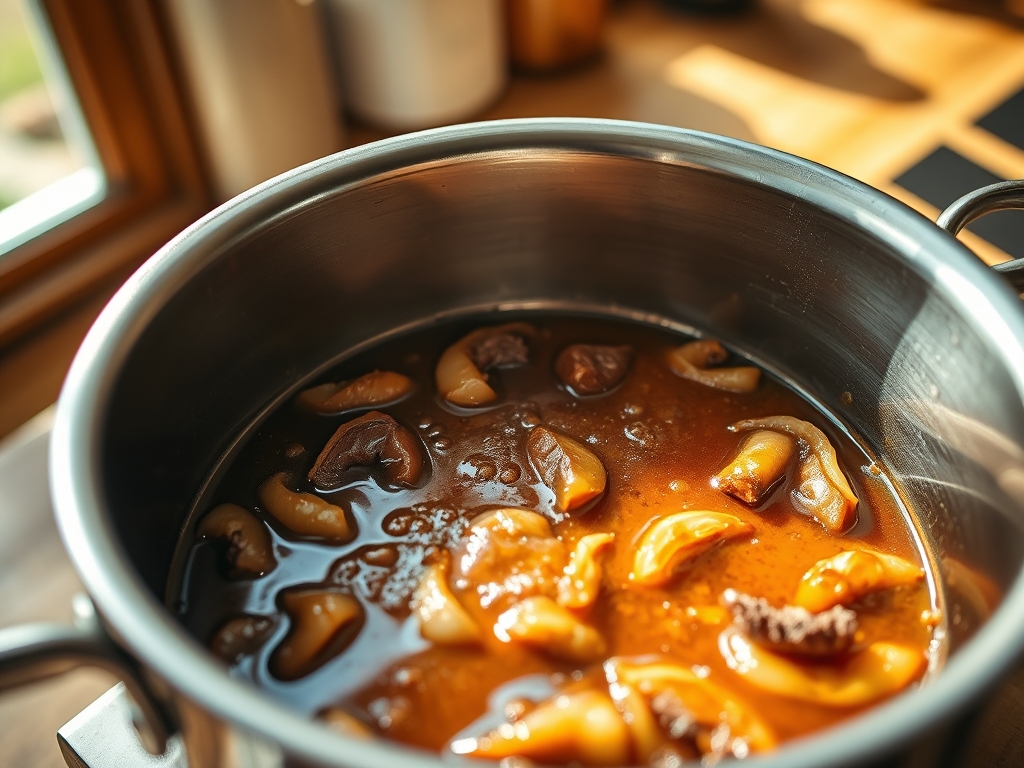
Dust your cubed beef with flour and salt. Heat your oil in a heavy bottomed saucier or cast iron skillet until it shimmering. Sear the beef in batches to avoid overcrowding the pan. You want a deep, mahogany crust on at least two sides of every cube.
Pro Tip: Overcrowding the pan drops the surface temperature, causing the meat to release juices and boil. Maintaining a high thermal mass ensures the Maillard reaction creates those complex flavor compounds that define a professional grade gravy.
Step 2: Deglaze and Extract
Remove the beef and add your onions and mushrooms to the same pan. Use a bench scraper or wooden spatula to lift the "fond" (the brown bits stuck to the bottom) as the vegetables release their moisture.
Pro Tip: The fond is concentrated flavor gold. By using the vegetable moisture to deglaze the pan, you are capturing essential aromatic compounds that would otherwise be lost. This step is the difference between a flat sauce and a multidimensional one.
Step 3: The Slow Load
Transfer the seared beef and the sautéed vegetables into the slow cooker crock. Pour in the beef broth, Worcestershire sauce, soy sauce, garlic, and thyme. Ensure the liquid almost covers the solids but do not submerge them entirely to avoid washing away the crust you just built.
Pro Tip: Use a digital scale to measure your liquids precisely. Consistency in liquid ratios ensures the final viscosity of your gravy is repeatable every time you execute this protocol.
Step 4: The Low and Slow Transition
Set your device to the "Low" setting for 7 to 8 hours. High heat can cause the protein fibers to contract too violently, leading to a "tight" texture. Low heat allows the collagen to render into gelatin slowly, providing that signature mouthfeel.
Pro Tip: Resistance is futile; do not lift the lid. Every time the seal is broken, you lose significant thermal energy and moisture, extending the cook time by at least 20 minutes and disrupting the internal pressure.
Step 5: The Viscosity Adjustment
Thirty minutes before serving, whisk your cornstarch and water in a small ramekin to create a slurry. Stir this into the slow cooker. Turn the heat to high for the final stretch to activate the starch granules.
Pro Tip: A slurry must be added to a hot liquid to aerate and thicken properly. If the sauce is too thin, the suspension fails; if too thick, it becomes gloopy. Aim for a "nappe" consistency where the sauce coats the back of a spoon.
Section B: Prep & Timing Fault-Lines:
Human error often manifests in the "rush to sear." If you skip the searing step to save 10 minutes, you lose 80 percent of the dish's flavor profile. Another timing error is adding delicate herbs or dairy too early. Fix: If adding sour cream for a stroganoff variation, temper it with a little hot broth before stirring it in at the very end to prevent curdling. If your beef is still tough after 6 hours, it likely hasn't reached the internal temperature necessary for collagen breakdown. Fix: Check your slow cooker's heating element with a probe thermometer; it should stabilize between 190F and 200F on the low setting.
THE VISUAL SPECTRUM
Section C: Thermal & Visual Troubleshooting:
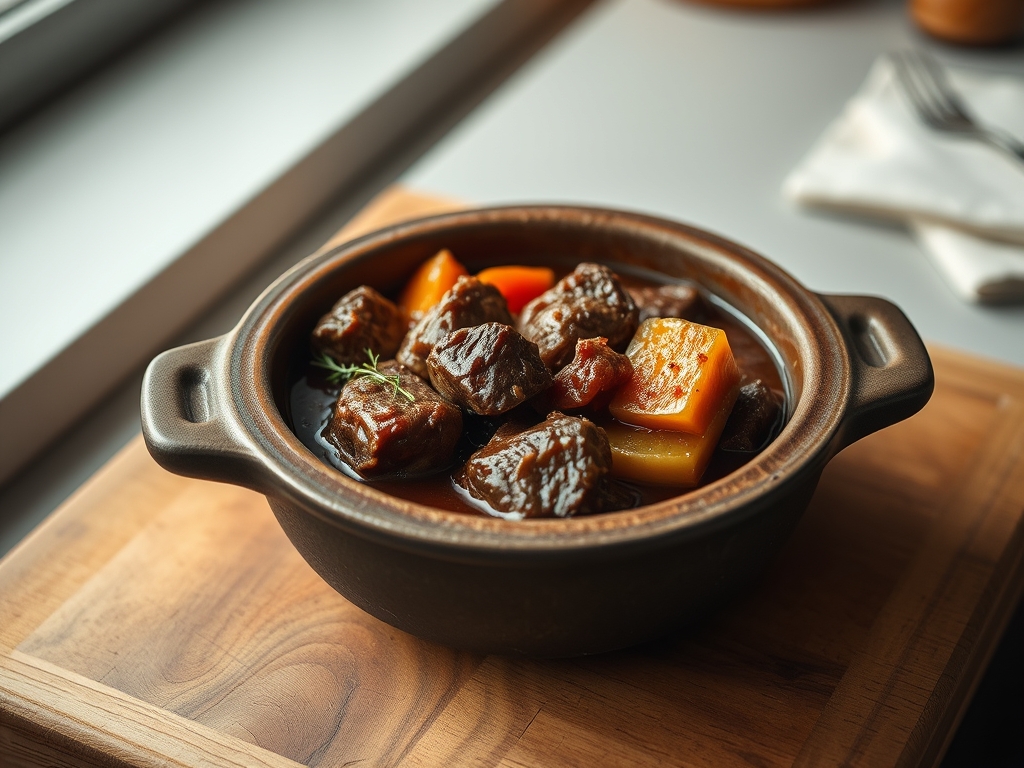
Look at the Masterclass photo above. Notice the deep, rich brown hue of the gravy and the distinct, non-fragmented edges of the beef tips. If your dish looks pale or "milky," you likely skipped the searing phase or used too much flour in the initial dusting. Fix: A teaspoon of kitchen bouquet or a dark soy sauce can darken a pale gravy instantly. If the beef looks shredded rather than cubed, you have overcooked it or stirred too aggressively. Fix: Use a gentle folding motion when adding the slurry. If the surface has a layer of yellow oil, the fat did not emulsify. Fix: Use a fat separator or a chilled spoon to skim the excess lipids from the surface before serving.
THE DEEP DIVE
Macro Nutrition Profile:
A standard serving (approx. 250g) provides roughly 350 calories, 32g of protein, 18g of fat, and 12g of carbohydrates. The protein density makes this an excellent foundational meal for muscle recovery, while the gelatin content from the rendered collagen supports joint health.
Dietary Swaps:
- Keto: Replace the flour coating with almond flour and swap the cornstarch slurry for 1/4 teaspoon of xanthan gum.
- Vegan: Utilize "beef style" seitan chunks or portobello caps. Swap beef broth for a mushroom and seaweed based stock to maintain umami.
- Gluten-Free: Use tamari instead of soy sauce and a gluten free all purpose flour blend for the initial sear.
Meal Prep & Reheating Science:
This dish is actually superior on day two. As it cools, the flavors continue to infuse the protein. When reheating, avoid the microwave as it can turn the beef rubbery. Instead, use a small saucepan over low heat. Add a splash of broth to loosen the gravy, as the gelatin will have set into a semi-solid state in the refrigerator.
THE KITCHEN TABLE
Can I use frozen beef for this?
Never put frozen meat directly into a slow cooker. It stays in the "danger zone" temperature range for too long, risking bacterial growth. Always thaw your beef completely in the refrigerator before beginning the searing protocol.
Why is my gravy watery?
This usually results from excess moisture in the vegetables or not using enough thickener. Ensure you sauté the mushrooms until they release their water. If it is still thin, add an additional cornstarch slurry and cook on high for 15 minutes.
What is the best side dish?
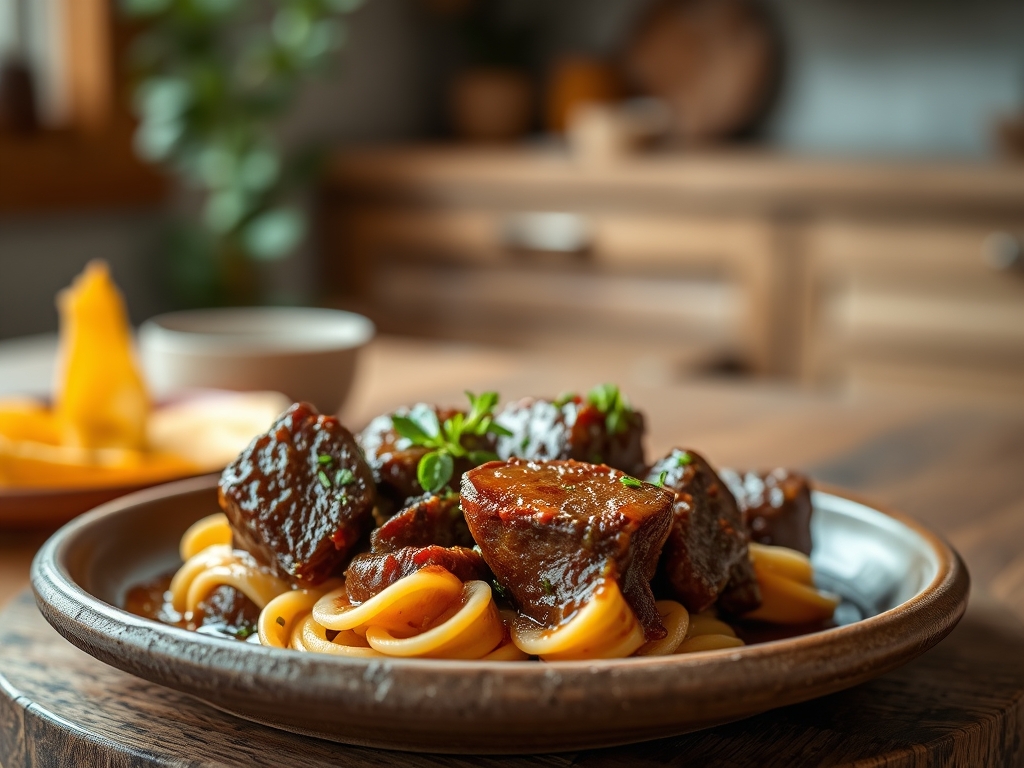
To respect the structural integrity of the gravy, serve over garlic mashed potatoes or wide egg noodles. These vessels are designed to trap the viscous sauce, ensuring every bite carries the maximum flavor payload.
Can I cook this on high?
You can, but the texture suffers. High heat "shocks" the muscle fibers. If you are in a time crunch, 4 hours on high will work, but the beef will lack the buttery tenderness achieved via the low and slow method.