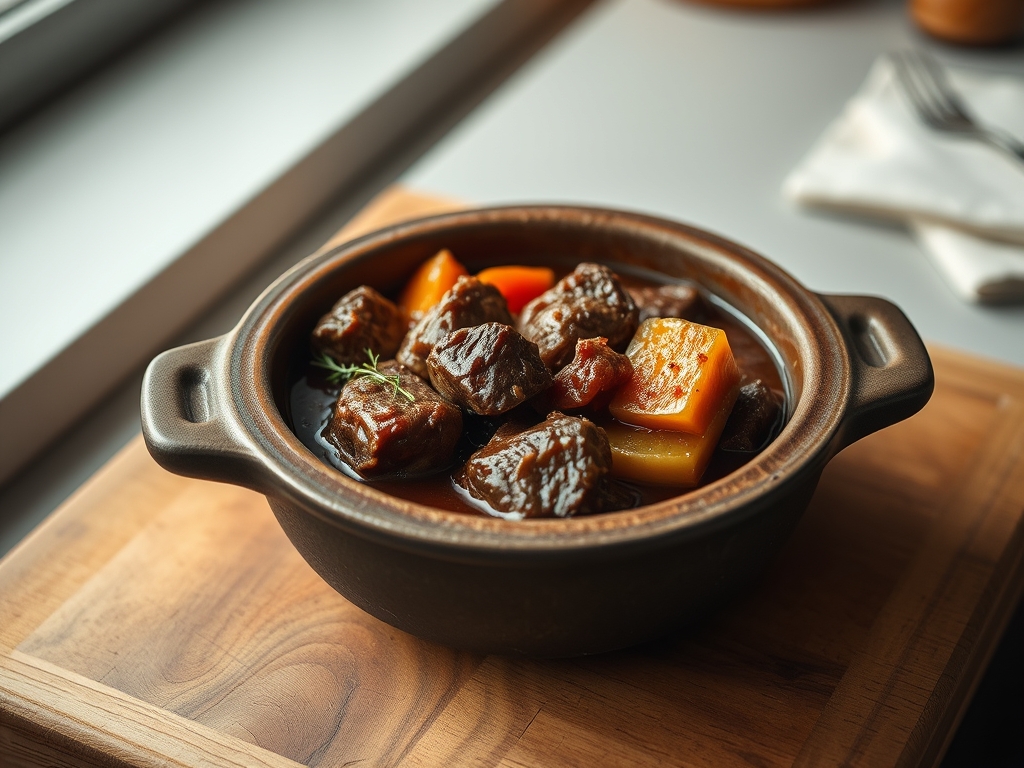
Forget the watery, uninspired broths of your childhood. We are no longer merely "making lunch"; we are conducting a high-stakes audit of pulse hydration and thermal extraction. The Slow Cooker Lentil Soup is not a passive endeavor. It is a six-hour masterclass in structural integrity and flavor layering. Imagine the aroma: a heady, piquant cloud of cumin and smoked paprika infiltrating every corner of your kitchen. The lentils should not be a mushy paste. Instead, they must reach a state of perfect tenderness while retaining their distinct, disc-like architecture. We are looking for a viscous, velvet-rich base that clings to the back of a spoon with intent. This is the intersection of mechanical simplicity and complex molecular chemistry. By leveraging the slow, consistent heat of a ceramic vessel, we allow the cellulose to soften without total collapse. We are building a foundation of aromatics, rendered fats, and earth-shaking legumes that will redefine your concept of "convenience food." Prepare your workstation; the audit begins now.
THE DATA MATRIX
| Metric | Specification |
|---|---|
| Prep Time | 20 Minutes |
| Execution Time | 6 Hours (Low) / 3 Hours (High) |
| Yield | 6 Standard Servings (approx. 2.4L) |
| Complexity (1-10) | 3 (Low Technical Barrier, High Flavor Ceiling) |
| Estimated Cost per Serving | $1.15 USD |
THE GATHERS
Ingredient Protocol:
- 450g / 2 cups Brown or Green Lentils (sorted and rinsed)
- 1.4L / 6 cups Low-Sodium Vegetable or Chicken Stock
- 200g / 1 large Yellow Onion (finely diced)
- 150g / 2 medium Carrots (peeled and sliced into rounds)
- 120g / 2 stalks Celery (diced)
- 4 cloves Garlic (minced)
- 400g / 1 can Fire-Roasted Diced Tomatoes
- 15ml / 1 tbsp Extra Virgin Olive Oil
- 5g / 1 tsp Ground Cumin
- 3g / 1/2 tsp Smoked Paprika
- 1g / 1/4 tsp Red Pepper Flakes
- 2 Bay Leaves
- 150g / 2 cups Fresh Baby Spinach (packed)
- 15ml / 1 tbsp Fresh Lemon Juice
- Salt and Black Pepper to taste
Section A: Ingredient Quality Audit:
The primary failure point in any Slow Cooker Lentil Soup is the age of the pulse. Old lentils develop a "hard shell" defect where the outer skin refuses to hydrate regardless of cook time. If your lentils have been in the pantry since the last administration, discard them. Use a digital scale to ensure the ratio of liquid to solid remains precise; too much water results in a diluted flavor profile, while too little leads to scorching. If using store-bought stock, ensure it is "low-sodium" to allow you total control over the final salinity. High-sodium stocks concentrate during the long evaporation process, often resulting in an inedible, briny mess.
THE MASTERCLASS
1. The Aromatic Foundation
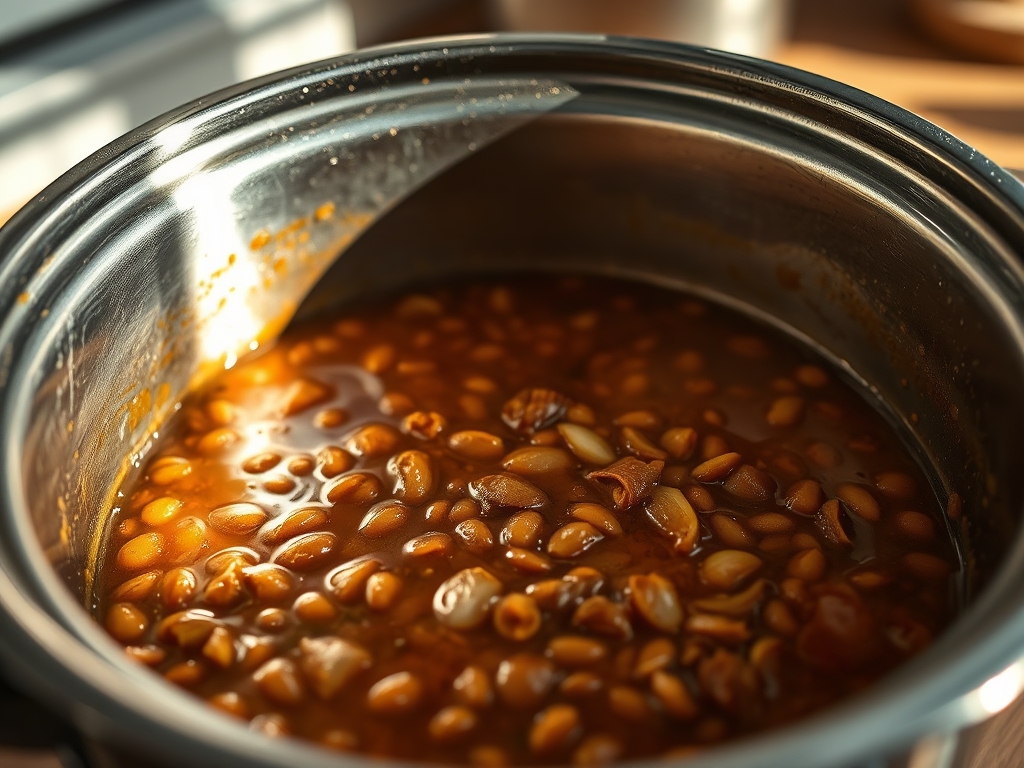
Begin by prepping your mirepoix (onion, carrot, celery) with a sharp chef's knife or a mandoline for uniform thickness. While many recipes suggest throwing everything in raw, the elite auditor knows better. Heat your olive oil in a saucier or heavy skillet. Sauté the onions and celery until translucent to initiate the Maillard reaction. Add the garlic and spices for the final 60 seconds to infuse the oil.
Pro Tip: Sautéing spices before adding them to the slow cooker "blooms" the fat-soluble compounds, significantly increasing the piquant depth of the final dish. Use a bench scraper to transfer your aromatics cleanly into the slow cooker vessel.
2. The Hydration Phase
Add the rinsed lentils, fire-roasted tomatoes, and stock to the ceramic insert. Ensure all lentils are fully submerged. Drop in your bay leaves. Set your device to "Low" for a 6-hour cycle. The goal here is a gentle simmer that coaxes the starches out of the lentils to create a naturally viscous texture without the need for thickeners.
Pro Tip: Use a digital scale to measure your stock by weight (1g = 1ml) for absolute precision. Accurate hydration kinetics prevent the lentils from absorbing all the liquid and turning into a dry mash.
3. The Structural Audit
At the four-hour mark, check the structural integrity of the pulses. They should be soft but not disintegrating. This is the time to adjust your seasoning. If the soup looks too thin, use an immersion blender to pulse approximately 10 percent of the mixture. This releases internal starches to aerate and thicken the broth.
Pro Tip: An immersion blender is the professional tool of choice here. By blending a small fraction of the soup, you create a creamy mouthfeel while maintaining the visual appeal of whole lentils.
4. The Final Brightening
Ten minutes before service, stir in the fresh baby spinach. The residual heat will wilt the leaves without overcooking them into a grey sludge. Finish with a fresh squeeze of lemon juice. The citric acid acts as a flavor "highlighter," cutting through the earthy density of the legumes.
Pro Tip: Always add acid at the very end. Adding lemon juice or vinegar too early can interfere with the softening of the lentil skins, leading to a grainy texture.
Section B: Prep & Timing Fault-Lines:
The most common human error is the "High Heat" shortcut. While the "High" setting on a slow cooker reaches the same temperature as "Low," it does so much faster, which can cause the outer layer of the lentil to rupture before the center is hydrated. If you are home, use the "Low" setting. If your timing is off and the soup is ready before you are, do not leave it on "Warm" for more than two hours; the lentils will continue to absorb liquid and eventually lose their structural definition.
THE VISUAL SPECTRUM
Section C: Thermal & Visual Troubleshooting:
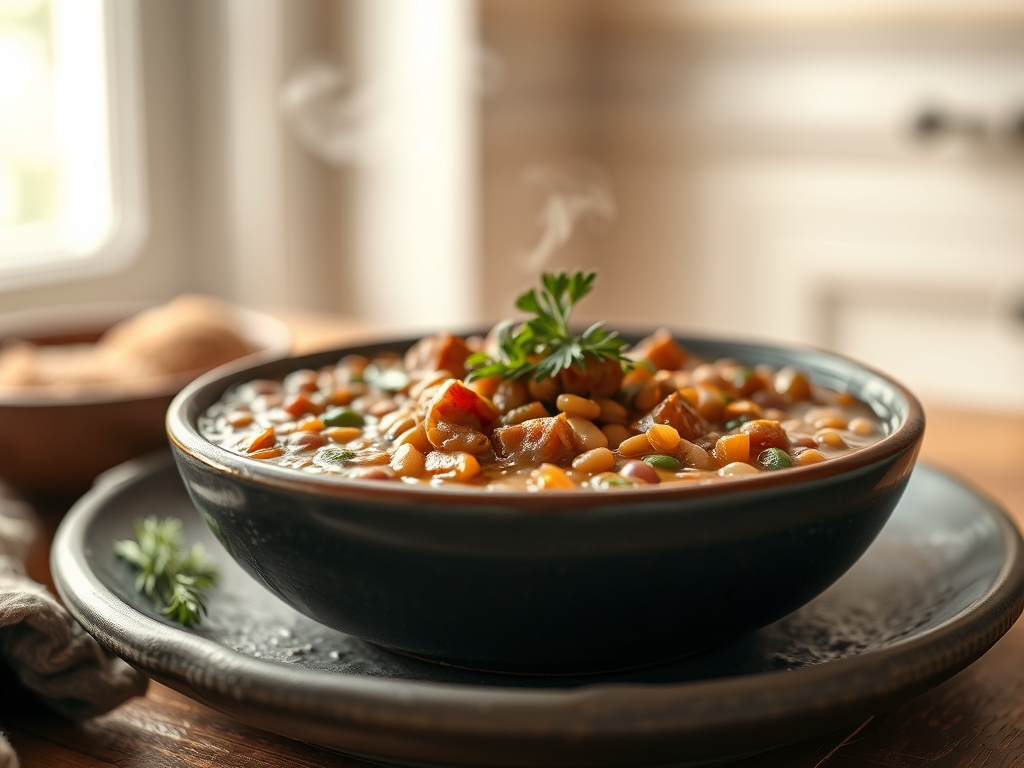
Referencing the Masterclass photo above, notice the vibrant contrast between the deep terracotta broth and the bright green flecks of spinach. If your soup looks dull or "muddy," you likely overcooked the greens or omitted the final acid hit. If the broth appears thin and watery, you failed to blend a portion of the pulses or used too much stock. Uneven browning of the aromatics in Step 1 will result in "ghost" flavors that lack the caramelized punch seen in the rich, dark base of the reference image. To fix a dull color, a teaspoon of tomato paste stirred in during the final hour can provide the necessary pigment and umami.
THE DEEP DIVE
Macro Nutrition Profile:
A standard serving of this infrastructure provides approximately 280 calories, 18g of protein, 40g of complex carbohydrates, and 15g of dietary fiber. It is a high-satiety, low-glycemic index powerhouse.
Dietary Swaps:
- Vegan: This recipe is inherently vegan if using vegetable stock.
- Keto: Replace 50 percent of the lentils with riced cauliflower to reduce net carbs, though the texture will shift significantly.
- GF: Naturally gluten-free; ensure your stock brand is certified.
Meal Prep & Reheating Science:
Lentils are notorious for "drinking" liquid as they sit in the refrigerator. When reheating, the molecular structure of the starch has tightened (retrogradation). You must add 30ml to 60ml of water or stock per serving before microwaving or stovetop heating to restore the original viscous state.
THE KITCHEN TABLE
Why are my lentils still crunchy after six hours?
Your lentils are likely aged or you added salt/acid too early. Salt and acid can strengthen the hemicellulose in the cell walls, preventing them from softening. Always season with salt and lemon juice at the end of the process.
Can I use red lentils instead?
Red lentils lack the structural "skin" of brown or green varieties. They will completely disintegrate into a thick porridge. While delicious, it will not be a soup; it will be a dal. Adjust your expectations accordingly.
Do I need to soak the lentils overnight?
Negative. Unlike larger beans, lentils have a high surface-area-to-volume ratio. They hydrate efficiently within the slow cooker's six-hour window. Pre-soaking often leads to an undesirable, mushy texture in a long-cook environment.
How do I fix a soup that is too salty?
Add a peeled, halved potato to the vessel for the final 45 minutes. The potato acts as a molecular sponge, absorbing excess sodium. Remove the potato before serving, or mash it in for extra thickness.