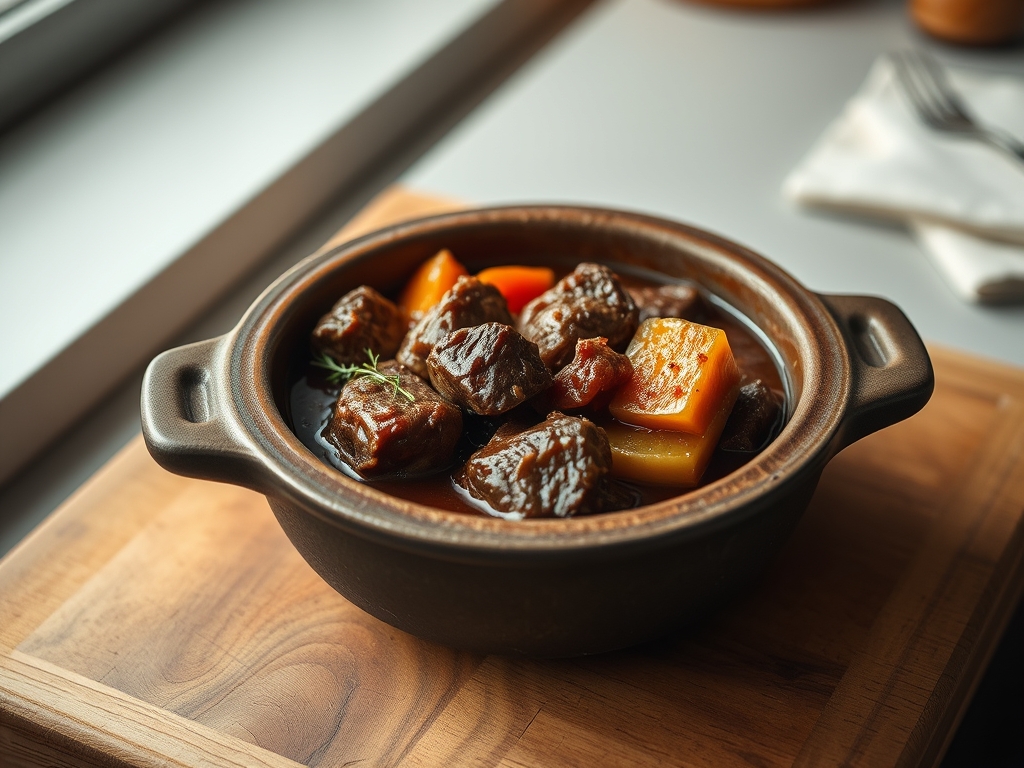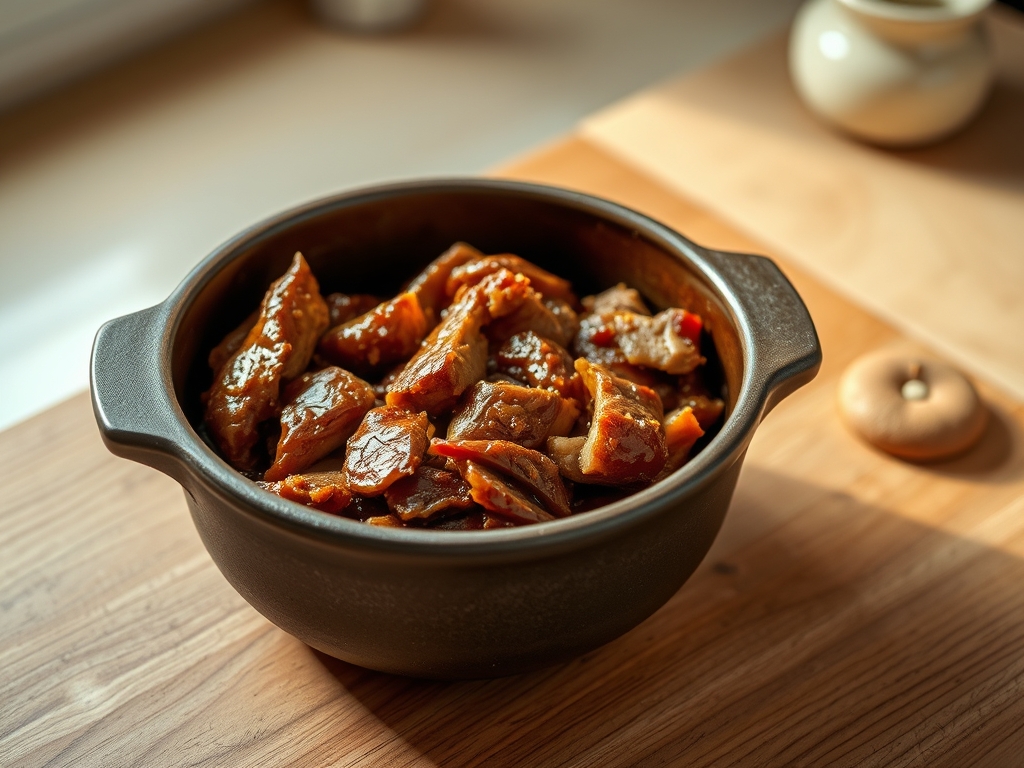
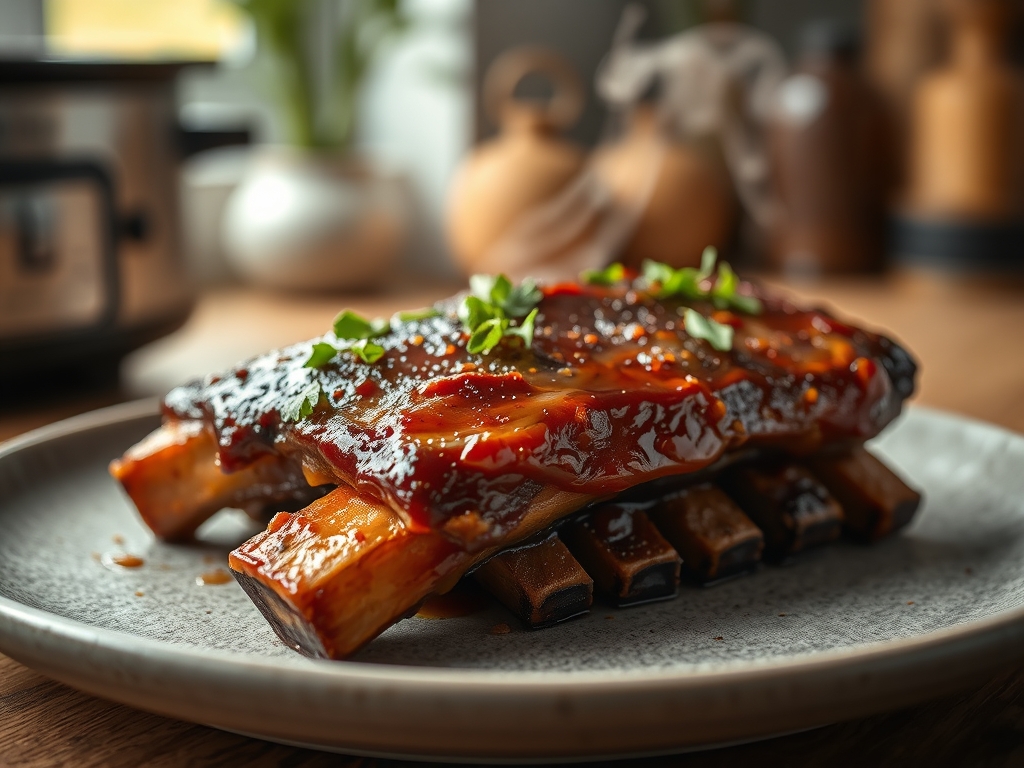
The kitchen is not a sanctuary; it is a high-pressure laboratory where heat meets resistance. You are currently standing at the threshold of a structural transformation. We are moving beyond the realm of mere dinner and into the territory of macromolecular destruction. To achieve the perfect rack of Slow Cooker BBQ Ribs, you must understand that you are not just cooking meat. You are conducting a controlled demolition of collagen. This is a slow-motion assault on the connective tissue that binds muscle fibers together. When executed with precision, the result is a viscous, lacquer-coated masterpiece that yields to the slightest pressure. We are looking for that specific point of failure where the bone releases the meat without a fight. The aroma should be a dense, piquant cloud of smoke and sugar that permeates the air before the first bite is even taken. Stop thinking about "comfort food" and start thinking about the thermodynamics of fat rendering. This is how we build a masterpiece from the bone up.
THE DATA MATRIX
| Metric | Specification |
|---|---|
| Prep Time | 25 Minutes |
| Execution Time | 8 Hours (Low) / 4 Hours (High) |
| Yield | 4 to 6 Servings |
| Complexity | 3 / 10 |
| Estimated Cost per Serving | $4.50 – $6.00 |
THE GATHERS
Ingredient Protocol:
- 2.0 kg / 4.5 lbs Baby Back Pork Ribs (Membrane removed)
- 15 g / 1 tbsp Smoked Paprika
- 10 g / 2 tsp Garlic Powder
- 10 g / 2 tsp Onion Powder
- 5 g / 1 tsp Cayenne Pepper
- 50 g / 1/4 cup Dark Brown Sugar (Packed)
- 15 g / 1 tbsp Kosher Salt
- 5 g / 1 tsp Black Pepper (Freshly cracked)
- 250 ml / 1 cup High-Quality BBQ Sauce
- 60 ml / 1/4 cup Apple Cider Vinegar
- 15 ml / 1 tbsp Liquid Smoke (Optional)
Section A: Ingredient Quality Audit:
If your ribs arrive with the silver skin (peritoneum) still attached, your structural integrity is compromised. This membrane will not break down; it will turn into a rubbery gasket that ruins the mouthfeel. Use a bench scraper or a dull knife to lift the edge and pull it off with a paper towel for grip. If your spices are more than six months old, they have lost their volatile oils. Infuse them with life by briefly toasting them in a dry pan before applying the rub. If your BBQ sauce is too watery, it will fail to form a proper glaze. You must reduce it in a saucier until it coats the back of a spoon with a heavy, glass-like sheen.
THE MASTERCLASS
1. The Surface Preparation
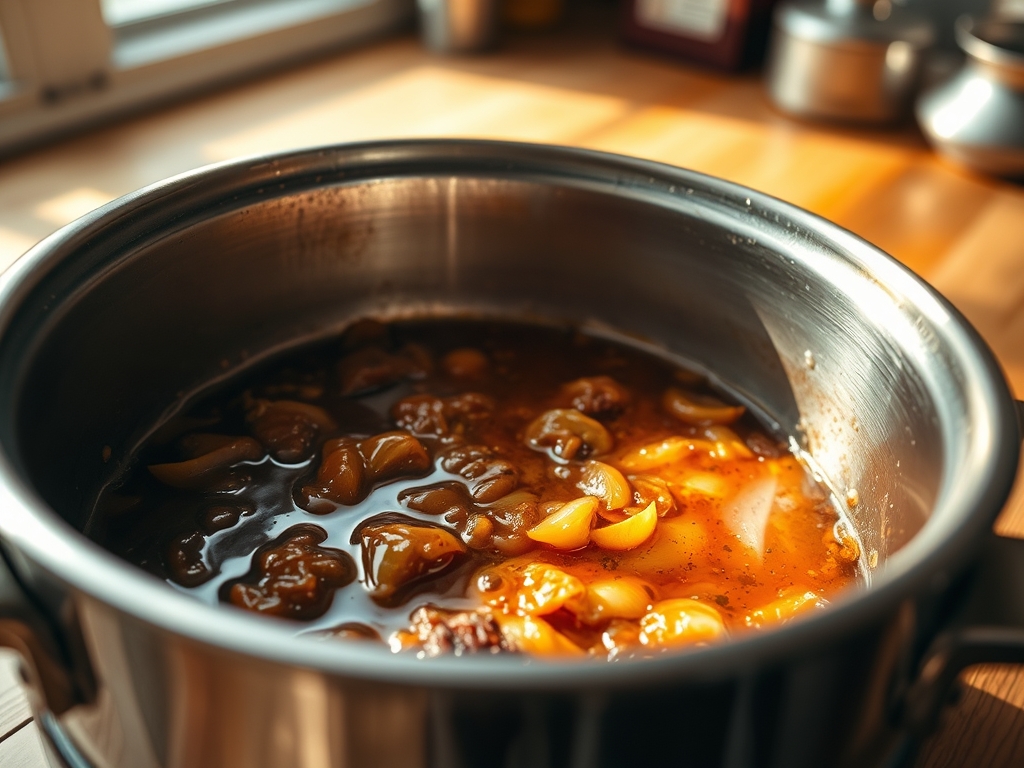
Apply the dry rub with aggressive intent. You are creating a bark that will survive the humid environment of the slow cooker. Massage the salt and sugar deep into the crevices of the meat.
Pro Tip: Use a digital scale to measure your rub ingredients. Volumetric measurements are for amateurs; weight ensures a consistent salinity profile every time you execute this protocol.
2. The Structural Alignment
Coil the ribs along the inner walls of the slow cooker with the meat side facing outward. This maximizes surface area contact with the heat source and allows the fat to render downward, self-basting the rack as it cooks.
Pro Tip: Do not add water. The meat contains enough cellular moisture to create its own steaming environment. Adding liquid dilutes the flavor profile and prevents the formation of a viscous sauce.
3. The Thermal Breakdown
Set the device to "Low" for a duration of 7 to 8 hours. This slow ramp-up in temperature allows for the gradual hydrolysis of collagen into gelatin, which provides that signature melt-in-the-mouth texture.
Pro Tip: Resistance is futile. If the meat resists a fork twist, the collagen hasn't fully converted. Use a probe thermometer to check for an internal temperature of 195F to 205F.
4. The Maillard Finish
Once the slow cooker cycle is complete, carefully transfer the ribs to a foil-lined sheet pan. Brush them liberally with your BBQ sauce and place them under a high broiler for 3 to 5 minutes.
Pro Tip: This step triggers the Maillard reaction. The sugars in the sauce will caramelize and bubble, creating a complex array of flavor compounds that a slow cooker cannot produce on its own.
Section B: Prep & Timing Fault-Lines:
The most common human error is the "Peek-a-Boo" syndrome. Every time you lift the lid of the slow cooker, you lose approximately 20 minutes of accumulated thermal energy. This extends the cooking time and dries out the exterior. Trust the process. If you find the ribs are "falling off the bone" too much (mushy), you have overshot the hydrolysis window. Aim for "bite-through" tenderness, where the meat stays on the bone until your teeth intervene.
THE VISUAL SPECTRUM
Section C: Thermal & Visual Troubleshooting:
Referencing the Masterclass photo above, notice the deep mahogany hue and the localized charring on the edges. If your ribs look grey or pale, you skipped the broiler finish or your sauce lacks sufficient sugar content to caramelize. If the sauce looks "broken" or oily, the fat was not properly emulsified into the glaze. To fix this, deglaze the slow cooker juices into a saucier, whisk in a cold knob of butter to stabilize the emulsion, and re-apply. The ribs should have a "tacky" feel to the touch, indicating the sugars have reached the proper concentration.
THE DEEP DIVE
Macro Nutrition Profile:
A standard 3-bone serving typically contains 450 calories, 30g of protein, 25g of fat, and 20g of carbohydrates (largely from the sauce). While high in protein, the sodium content can be significant; manage this by using a low-sodium dry rub and a vinegar-based sauce.
Dietary Swaps:
- Keto: Replace brown sugar with a monk fruit sweetener and use a sugar-free BBQ sauce.
- Vegan: This protocol can be adapted for King Oyster mushrooms or seitan, though the cooking time must be reduced to 2 hours to prevent total structural collapse.
- GF: Ensure your liquid smoke and BBQ sauce are certified gluten-free, as some brands use barley-based thickeners.
Meal Prep & Reheating Science:
To maintain molecular structure during reheating, avoid the microwave. The high-frequency radiation toughens the protein fibers. Instead, wrap the ribs in foil with a tablespoon of apple juice and heat in a 300F oven. This creates a mini-steam chamber that restores moisture to the gelatinous matrix.
THE KITCHEN TABLE
Why are my ribs tough after 8 hours?
You likely used the "High" setting or have a faulty heating element. Toughness indicates the collagen hasn't melted. If the meat is dry but tough, the temperature was too high, causing the muscle fibers to contract and squeeze out moisture.
Can I overcook ribs in a slow cooker?
Yes. Past the 9-hour mark on "Low," the meat loses all structural integrity and becomes "mushy." While still edible, it loses the classic rib texture. Precision timing is the difference between a meal and a meat-mash.
Do I need to sear the meat first?
While not strictly required for Slow Cooker BBQ Ribs, a pre-sear in a heavy skillet provides a head start on flavor development. However, the broiler finish at the end is the more critical step for texture and appearance.
How do I get the sauce to stick?
The "mop and broil" technique is essential. Apply a thin layer, broil until tacky, then apply a second layer. This layering builds a thick, professional-grade lacquer that won't slide off the meat when you slice the rack.