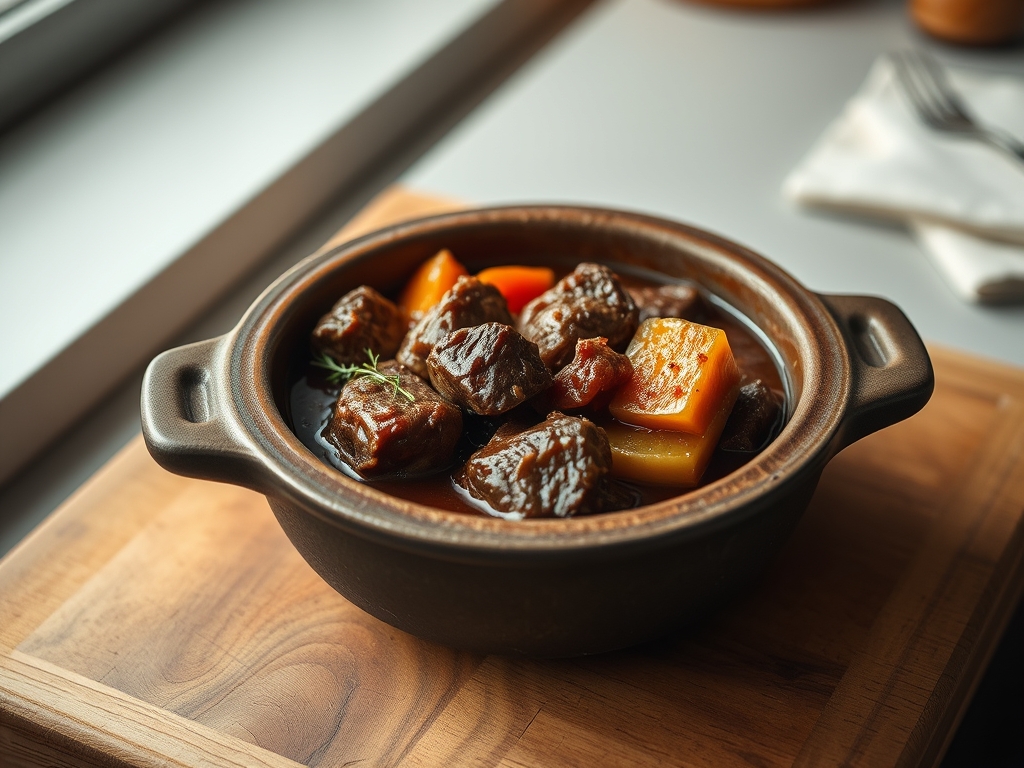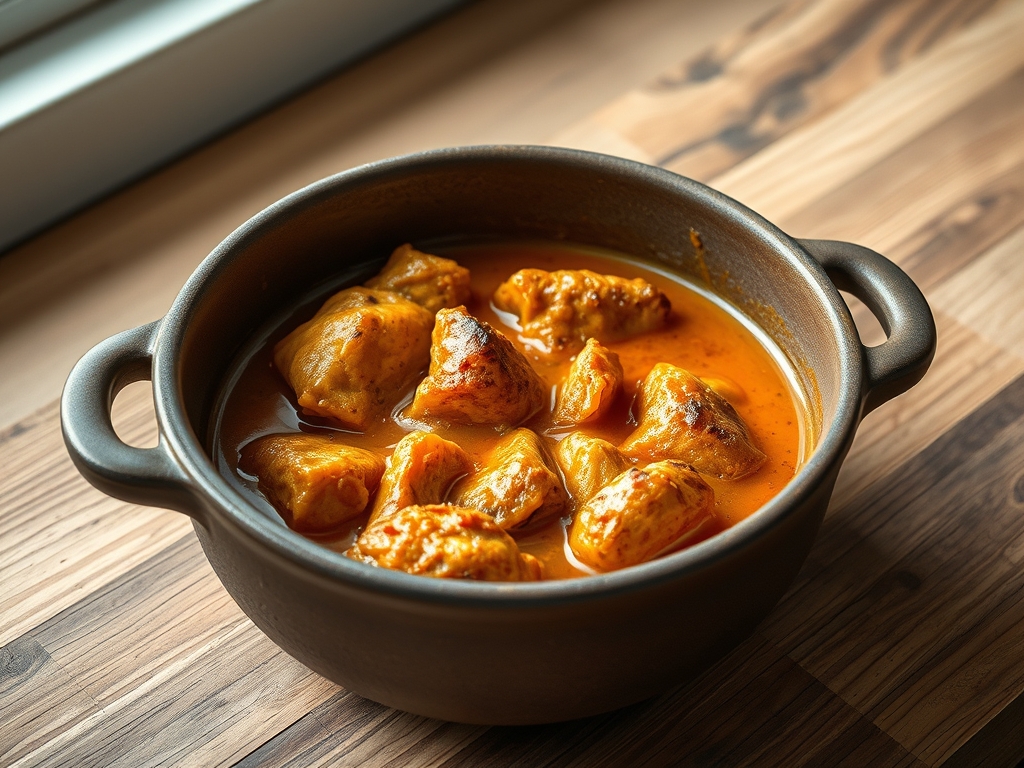
Listen to the sound of structural collapse. It is the rhythmic, satisfying tear of connective tissue yielding to a twelve hour thermal siege. We are not merely making dinner; we are conducting a systematic audit of porcine anatomy. The objective is the total transformation of a stubborn, collagen dense shoulder into a mountain of succulent, strand based perfection. This is the definitive guide to Slow Cooker Pulled Pork. Forget the watery, grey piles of meat found at mediocre potlucks. We are targeting a specific chemical threshold where the intramuscular fat renders into a liquid gold that coats every fiber. We want a bark that is dark, tacky, and rich with the results of a low temperature Maillard reaction. We want a sauce that is viscous enough to cling but piquant enough to cut through the heavy lipids. This process requires patience, precision, and a complete disregard for the concept of rushing. Prepare your workstation. We are about to turn a cheap cut of meat into a high performance culinary asset.
THE DATA MATRIX
| Metric | Specification |
|---|---|
| Prep Time | 25 Minutes |
| Execution Time | 8 to 10 Hours (Low) |
| Yield | 10 to 12 Servings |
| Complexity | 3 / 10 |
| Estimated Cost per Serving | $1.85 USD |
THE GATHERS
Ingredient Protocol:
- 2.25 kg / 5 lbs Bone-in Pork Butt (Boston Butt)
- 45 g / 3 tbsp Brown Sugar (Dark preferred)
- 15 g / 1 tbsp Smoked Paprika
- 10 g / 2 tsp Garlic Powder
- 10 g / 2 tsp Onion Powder
- 5 g / 1 tsp Cumin
- 15 g / 1 tbsp Kosher Salt
- 5 g / 1 tsp Cracked Black Pepper
- 250 ml / 1 cup Apple Cider Vinegar
- 125 ml / 0.5 cup Apple Juice or Water
- 30 ml / 2 tbsp Worcestershire Sauce
- 10 g / 2 tsp Liquid Smoke (Optional)
Section A: Ingredient Quality Audit:
If your pork shoulder looks pale or excessively wet in the packaging, it has likely been "enhanced" with a sodium phosphate solution. This diluted protein structure will lead to a mushy final texture. To fix this, increase your salt rub duration to draw out excess moisture. If your spices are dull or lack aroma, they have oxidized. Do not use them. Toast whole seeds and grind them using a burr grinder or mortar and pestle to infuse the meat with maximum volatile oils. Finally, if the fat cap is thicker than one centimeter, trim it manually. Too much external fat prevents the rub from penetrating the muscle and results in an oily pool at the bottom of the vessel.
THE MASTERCLASS
1. The Surface Preparation and Rub Application
Pat the pork dry with lint free paper towels. Moisture is the enemy of the initial sear. Combine your dry ingredients using a digital scale for precise ratios. Apply the rub aggressively, massaging it into every crevice of the muscle.
Pro Tip: This is a dry brine process. If time permits, let the seasoned meat sit in the refrigerator for four hours. This allows the salt to penetrate the deep tissue via osmosis, seasoning the interior of the roast rather than just the surface.
2. The Maillard Pre-game
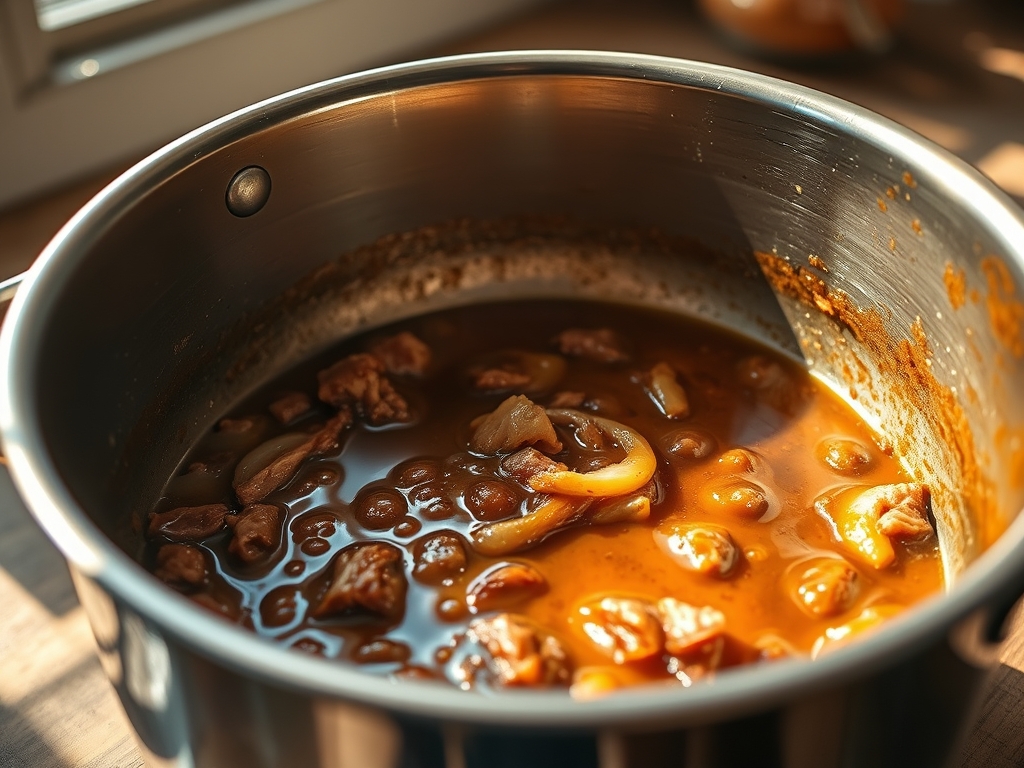
Heat a heavy cast iron skillet or a saucier with a high smoke point oil. Sear the pork on all sides until a deep mahogany crust forms. This is not about cooking the meat; it is about creating complex flavor compounds that a slow cooker cannot generate on its own.
Pro Tip: Use a bench scraper to lift any caramelized bits from the pan. These bits are concentrated flavor. After searing, deglaze the pan with a splash of apple juice and pour those liquids directly into the slow cooker.
3. The Thermal Saturation
Place the seared pork into the slow cooker. Pour the liquid components (vinegar, juice, Worcestershire) around the sides of the meat, not over the top, to avoid washing off your hard earned rub. Set the device to "Low."
Pro Tip: Low and slow is a non negotiable requirement. High heat causes the muscle fibers to contract too violently, squeezing out moisture before the collagen has a chance to melt. A digital probe thermometer should eventually read 96C / 205F for optimal shredding.
4. The Extraction and Reduction
Once the meat is tender, remove it to a large tray. Do not shred it immediately. Let it rest for 20 minutes. Meanwhile, strain the cooking liquid into a fat separator. Take the fortified juices and simmer them in a pan until the liquid is viscous and concentrated.
Pro Tip: Resting the meat allows the internal pressure to stabilize. If you shred it while it is piping hot, the steam will escape instantly, leaving you with dry strands. Use two forks or specialized "claws" to pull the meat apart into uniform pieces.
Section B: Prep & Timing Fault-Lines:
The most common failure is the "Early Extraction." If the meat resists the fork, the collagen has not yet converted to gelatin. Do not increase the heat; simply increase the time. Another fault is the "Liquid Overload." Pork releases a significant amount of its own moisture. If you submerge the meat in liquid, you are boiling it, not slow roasting it. Use only the specified amount of liquid to maintain a humid environment without drowning the protein.
THE VISUAL SPECTRUM
Section C: Thermal & Visual Troubleshooting:
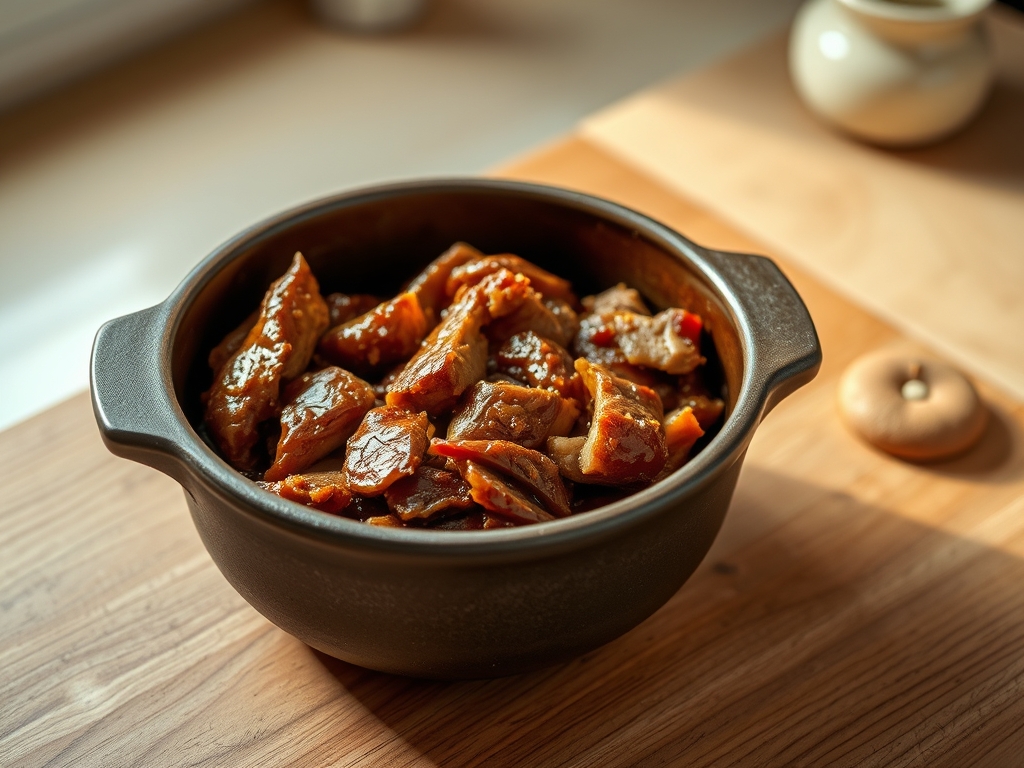
Referencing the Masterclass photo, your final product should exhibit a "variegated" color profile. You want dark, almost black "bark" pieces mixed with tender, pale pink interior strands. If your meat looks monochromatic and grey, you skipped the searing step or used too much liquid. If the meat looks "stringy" and dry, you likely cooked it on the "High" setting for too long. To fix a dry appearance, toss the shredded meat in the reduced cooking juices to aerate the fibers and add a glossy, professional sheen. If the fat hasn't fully rendered and you see white chunks, the internal temperature did not reach the 95C threshold. Return it to the heat.
THE DEEP DIVE
Macro Nutrition Profile
A standard 100g serving of pulled pork (without added sugary BBQ sauce) contains approximately 240 calories, 26g of protein, and 14g of fat. It is a high protein powerhouse, though the fat content varies based on how well you trimmed the shoulder and how much of the rendered fat you reincorporated.
Dietary Swaps
- Vegan: Replace pork with young green jackfruit. Use the same spice rub and liquid profile but reduce the cook time to 4 hours.
- Keto: Eliminate the brown sugar from the rub. Use a monk fruit sweetener or simply rely on the paprika and garlic for flavor.
- Gluten-Free: Ensure your Worcestershire sauce and liquid smoke are certified GF, as some brands use barley malt vinegar or hidden thickeners.
Meal Prep & Reheating Science
To maintain molecular structure during reheating, avoid the microwave. The rapid agitation of water molecules can toughen the protein. Instead, reheat in a covered pan with a splash of apple juice or broth over medium low heat. This "steams" the meat back to life, ensuring the gelatin remains fluid and the fibers stay supple.
THE KITCHEN TABLE
Can I use a pork loin instead of a shoulder?
No. A loin is too lean. Without the collagen and fat of the shoulder, a loin will become a dry, chalky mess in a slow cooker. Stick to the butt or picnic shoulder for the necessary fat ratios.
Why is my sauce so thin?
You likely didn't reduce the cooking liquids. Pour the juices into a pan and boil them down by half. This concentrates the sugars and proteins, creating a glaze that clings to the meat rather than puddling at the bottom.
Do I have to sear the meat first?
Technically, no; however, you will sacrifice approximately 40 percent of the flavor profile. Searing creates the Maillard reaction products that provide the deep, savory "umami" notes essential for a high quality audit of this dish.
How long does it last in the fridge?
Stored in an airtight container with its juices, pulled pork remains optimal for 4 to 5 days. It also freezes exceptionally well for up to 3 months. Always thaw in the refrigerator before reheating.