Stop settling for watery, uninspired legumes that taste like sadness and industrial runoff. We are here to engineer a masterpiece of viscosity and flavor. The Multi Cooker White Stew is not just a meal; it is a high-pressure laboratory experiment where starch granules undergo a violent transformation into a velvety, luxurious emulsion. Imagine the scent of garlic and rosemary being forced into the very cellular structure of a Great Northern bean under fifteen pounds of atmospheric pressure. This is about achieving that perfect, tongue-coating mouthfeel without the aid of heavy cream or artificial thickeners. We are leveraging the power of mechanical agitation and thermal breakdown to create a broth so rich it defies the laws of simple vegetable soup. Every bubble in that pot is a tiny engine of flavor extraction. If your current bean game feels like a chore, you are failing the audit. It is time to recalibrate your kitchen sensors and prepare for a sensory overload that balances piquant aromatics with a dense, creamy finish.
THE DATA MATRIX
| Metric | Specification |
|---|---|
| Prep Time | 20 Minutes |
| Execution Time | 45 Minutes |
| Yield | 6 Servings |
| Complexity (1-10) | 4 |
| Estimated Cost per Serving | $1.85 |
THE GATHERS
Ingredient Protocol:
- 450g / 1 lb Dry Cannellini or Great Northern Beans (Rinsed)
- 1.4L / 6 cups Low-Sodium Vegetable or Chicken Stock
- 225g / 8 oz Thick-cut Pancetta or Smoked Bacon (Diced)
- 2 Large Yellow Onions (Finely Minced)
- 3 Large Carrots (Peeled and Diced)
- 4 Stalks Celery (Sliced into thin crescents)
- 6 Cloves Garlic (Smashed and minced)
- 15ml / 1 tbsp Fresh Rosemary (Finely chopped)
- 10ml / 2 tsp Fresh Thyme leaves
- 2.5g / 0.5 tsp Red Pepper Flakes
- 30ml / 2 tbsp Extra Virgin Olive Oil
- 2 Bay Leaves
- Fine Sea Salt and Freshly Cracked Black Pepper to taste
- 30ml / 2 tbsp Fresh Lemon Juice
Section A: Ingredient Quality Audit:
The primary failure point in a Multi Cooker White Stew is the age of the legumes. If your beans have been sitting in a pantry since the previous administration, they will never soften, regardless of pressure. Technical Fix: Add 1.25g / 0.25 tsp of baking soda to the cooking liquid to help break down the pectin in the bean skins. Furthermore, if your aromatics lack punch, they are likely oxidized. Always grate your garlic fresh rather than using the pre-minced jarred variety which lacks the essential oils required to infuse the broth with its signature bite.
THE MASTERCLASS

1. The Maillard Initiation
Set your multi cooker to the "Sauté" function on high. Add the olive oil and diced pancetta. Use a bench scraper to transfer your minced onions, carrots, and celery into the pot once the fat begins to render. Sauté until the vegetables are translucent and the meat has developed a golden-brown crust.
Pro Tip: The Maillard reaction creates complex flavor molecules that cannot be replicated by boiling alone. Use a digital scale to ensure your vegetable ratios are precise; excess moisture from too many onions can steam the meat rather than sear it.
2. Deglazing the Foundation
Add the garlic, rosemary, thyme, and red pepper flakes. Stir constantly for 60 seconds until the kitchen smells like a Tuscan villa. Pour in 125ml / 0.5 cup of the stock and use a wooden spoon to deglaze the bottom of the pot, scraping up every bit of browned fond.
Pro Tip: Those browned bits are concentrated umami. Failing to scrape them up is a culinary felony. A high-quality saucier or flat-edged wooden spatula is the ideal tool for this extraction.
3. Pressure Calibration
Incorporate the rinsed beans, bay leaves, and the remaining stock. Secure the lid and ensure the steam release valve is set to "Sealing." Program the unit for 35 minutes at High Pressure.
Pro Tip: Pressure cooking forces liquid into the center of the bean faster than boiling. This high-energy environment facilitates the rapid gelatinization of starches which is the secret to a thick, cohesive Multi Cooker White Stew.
4. The Emulsification Phase
Once the timer expires, allow a natural pressure release for 15 minutes before venting the remaining steam. Open the lid and remove the bay leaves. Take a potato masher or an immersion blender and crush approximately 15 percent of the beans directly in the pot. Stir vigorously to aerate and combine the released starches with the fats.
Pro Tip: This is the "Starch-Broth Emulsification" mentioned in the audit. By breaking the cellular walls of a fraction of the beans, you release amylose, which acts as a natural thickener to create a viscous sauce.
5. Final Acid Adjustment
Stir in the fresh lemon juice and season with salt and pepper. The acidity of the lemon will brighten the heavy fats and earthy tones of the beans, providing a piquant finish that cuts through the richness.
Pro Tip: Always add acid at the end. If you add lemon juice or vinegar at the start of the cooking process, the low pH will prevent the beans from softening, resulting in a grainy, unpleasant texture.
Section B: Prep & Timing Fault-Lines:
The most common human error is the "Quick Release" trap. Venting steam immediately after the timer ends causes the liquid inside the beans to boil violently, shattering them into a gritty mush rather than keeping them whole and creamy. Respect the 15-minute natural release period. It allows the internal temperature to stabilize. Also, ensure your dicing is uniform. Use a sharp chef knife to ensure the carrots and celery cook at the same rate; variance in size leads to a structural imbalance in the final stew.
THE VISUAL SPECTRUM
Section C: Thermal & Visual Troubleshooting:
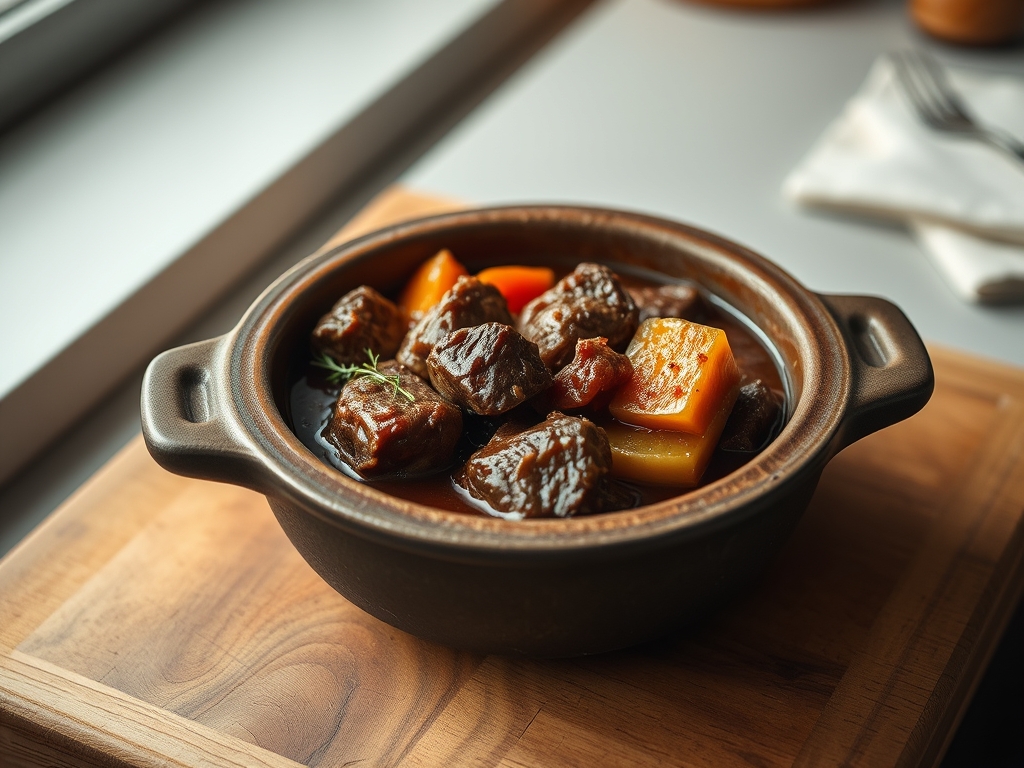
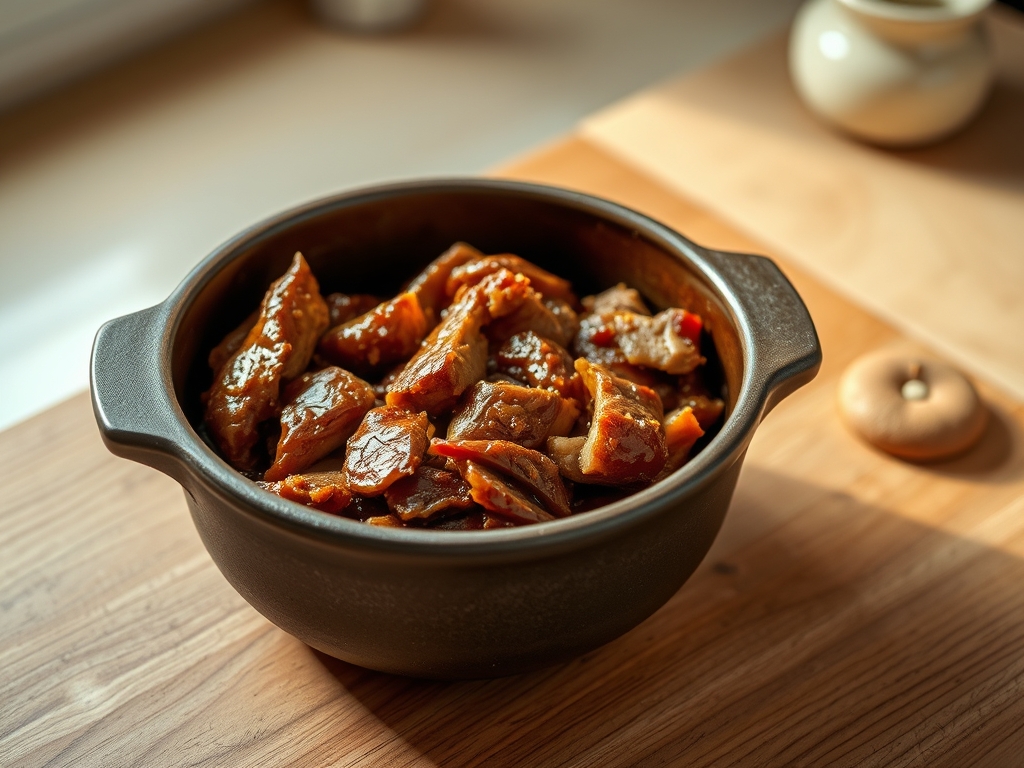
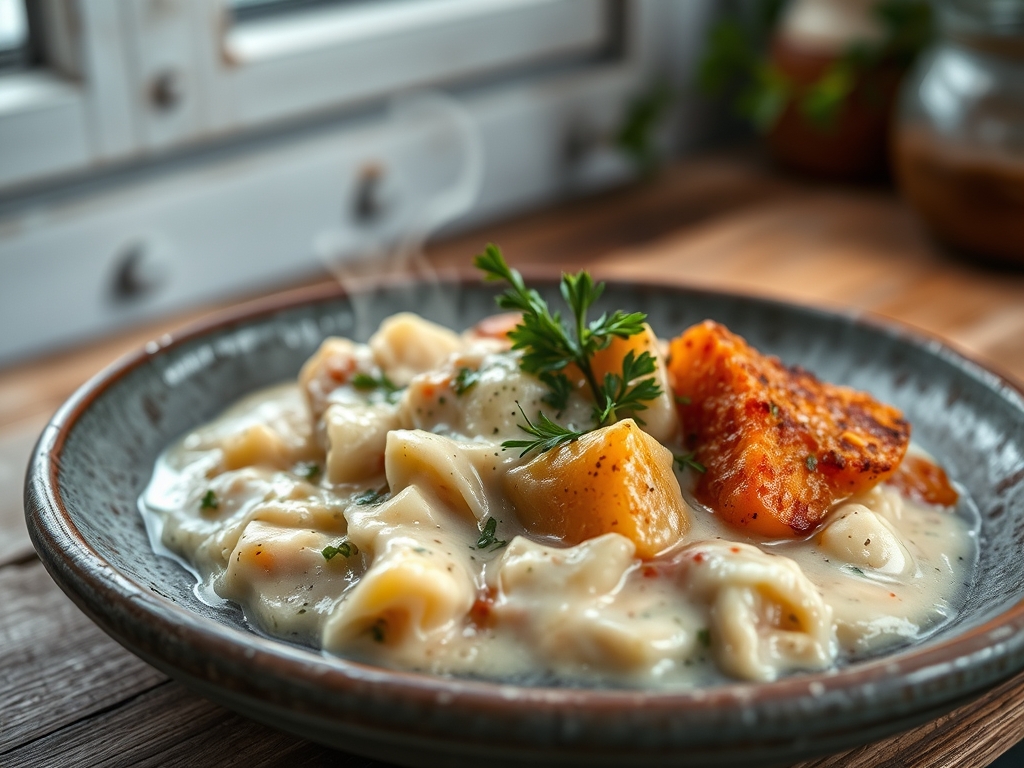
Referencing the Masterclass photo, your stew should exhibit a creamy, off-white hue with vibrant flecks of green from the herbs. If your stew looks grey or muddy, you likely over-browned the onions or used dried herbs that were past their prime. If the liquid is thin and transparent, you failed the emulsification step; return to the "Sauté" function and simmer with the lid off for five minutes while mashing more beans. Uneven browning on the pancetta suggests the pot was overcrowded. Next time, sear the meat in batches to ensure every piece achieves a crisp, mahogany exterior.
THE DEEP DIVE
Macro Nutrition Profile:
A single serving of this stew provides approximately 320 calories, 18g of protein, 42g of complex carbohydrates, and 12g of fiber. It is a high-satiety meal designed for sustained energy release.
Dietary Swaps:
- Vegan: Replace pancetta with smoked paprika and sun-dried tomatoes; use vegetable stock.
- Keto: This dish is naturally high in carbs due to the beans. To lower the impact, swap half the beans for roasted cauliflower florets added after the pressure cycle.
- GF: This recipe is naturally gluten-free; just ensure your stock is certified.
Meal Prep & Reheating Science:
Beans continue to absorb liquid as they cool. When reheating, the molecular structure of the starch will have thickened the stew into a gel-like consistency. Add 60ml / 0.25 cup of water or stock before microwaving or heating on the stovetop to restore the original viscous emulsion.
THE KITCHEN TABLE
Why are my beans still crunchy after 35 minutes?
Hard water or old beans are the usual suspects. High mineral content in water prevents the bean skins from softening. Try using filtered water and adding a pinch of baking soda next time to neutralize the minerals.
Can I use canned beans for this recipe?
You can, but the texture will suffer. Reduce the pressure cooking time to 5 minutes. The depth of flavor will be significantly lower because the beans won't have time to absorb the aromatics.
What is the best way to store leftovers?
Store in airtight glass containers for up to five days. The flavors actually improve over the first 24 hours as the aromatics continue to penetrate the starch matrix of the beans.
How do I make it even creamier without dairy?
Whisk a tablespoon of tahini or almond butter into the broth during the final stir. The extra fats will bind with the bean starch to create an even more luxurious mouthfeel without masking the vegetable flavors.