Imagine a stainless steel stage where the stakes are measured in microbial logs and the reward is a succulent, golden masterpiece. We are not just cooking; we are managing a biological theater where heat is the protagonist and moisture is the elusive prize. The air in a professional kitchen carries the heavy, savory scent of Maillard reactions as chicken thighs hit the pan, but beneath that intoxicating aroma lies the cold, hard science of Warm Poultry Safety. You have seen it before: the dreaded buffet tray where poultry goes to die, turning into a stringy, desiccated shadow of its former self. That ends today. We are deploying a rigorous thermal strategy to ensure every fiber of protein remains tender while obliterating any lurking pathogens. This is about the intersection of culinary art and infrastructure. We are building a flavor profile that is as robust as our safety protocols. Every sear, every rest, and every degree on the digital probe is a calculated move in the pursuit of perfection. Welcome to the audit of the century.
THE DATA MATRIX
| Metric | Specification |
|---|---|
| Prep Time | 20 Minutes |
| Execution Time | 35 Minutes |
| Yield | 4 Servings |
| Complexity (1-10) | 6 |
| Estimated Cost per Serving | $4.50 |
THE GATHERS
Ingredient Protocol:
- 700g / 1.5 lbs Boneless Skinless Chicken Thighs
- 30ml / 2 tbsp High-Smoke Point Oil (Avocado or Grapeseed)
- 60g / 4 tbsp Unsalted Butter
- 45ml / 3 tbsp Freshly Squeezed Lemon Juice
- 4 Cloves Garlic (minced)
- 250ml / 1 cup Low-Sodium Chicken Stock
- 5g / 1 tsp Smoked Paprika
- 10g / 2 tsp Kosher Salt
- 3g / 1 tsp Freshly Ground Black Pepper
- 15g / 0.5 oz Fresh Parsley (finely chopped)
Section A: Ingredient Quality Audit:
If your chicken arrives with a pale, grayish hue or a slimy surface, your infrastructure has already failed. This is a sign of temperature abuse during transport. To fix sub-par texture in store-bought poultry, utilize a dry brine of salt and a touch of baking soda for 30 minutes. This increases the pH level of the meat surface, accelerating the browning process and helping the proteins retain moisture during the high-heat phase. If your garlic is sprouting green centers, remove them; those bitter embryos will ruin the piquant profile of your sauce.
THE MASTERCLASS
1. The Surface Preparation
Pat the chicken thighs dry using industrial-strength paper towels until the surface is bone-dry. Season aggressively with salt, pepper, and paprika.
Pro Tip: Moisture is the enemy of the sear. Use a bench scraper to move your seasoned protein efficiently, ensuring that the rub is pressed firmly into the muscle fibers for maximum crust development.
2. High-Velocity Searing
Heat your heavy-bottomed saucier or cast-iron skillet over medium-high heat until the oil shimmers. Lay the chicken away from you to prevent hot oil splatter.
Pro Tip: Do not crowd the pan. Overcrowding drops the vessel temperature, causing the meat to steam in its own juices rather than render fat and brown. This is critical for Warm Poultry Safety, as a rapid sear locks in the internal juices.
3. The Deglaze and Infuse
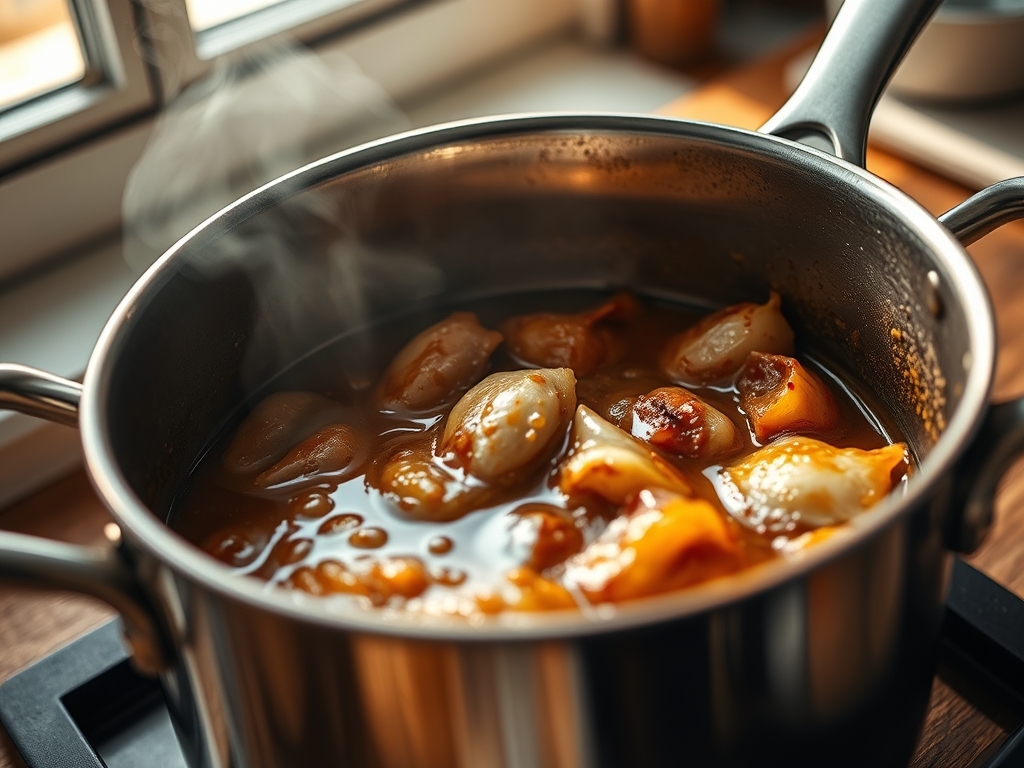
Remove the chicken once a deep mahogany crust has formed. Reduce heat to medium and add the garlic and butter. Once the butter foams, pour in the chicken stock to deglaze the pan, scraping up the fond (the browned bits).
Pro Tip: Use a whisk to aerate the sauce as it reduces. This creates a viscous, velvety texture that coats the back of a spoon, ensuring the flavor clings to the protein during holding.
4. Thermal Finalization
Return the chicken to the pan. Use a digital scale to ensure your sauce ratios are exact, then simmer until the internal temperature reaches a steady 74C / 165F.
Pro Tip: A digital probe thermometer is your most important auditor. Never guess. Reaching this thermal threshold ensures the total inactivation of Salmonella while the thigh meat remains juicy due to its higher fat content.
Section B: Prep & Timing Fault-Lines:
The most common failure in Warm Poultry Safety is the "Danger Zone" (4C to 60C / 40F to 140F). If your prep takes too long and the meat sits at room temperature, you are inviting microbial growth. Always prep in batches. If your sauce breaks (separates), it is likely due to a sudden temperature spike. Whisk in a teaspoon of cold water or a knob of cold butter to re-emulsify the fats into the liquid.
THE VISUAL SPECTRUM
Section C: Thermal & Visual Troubleshooting:
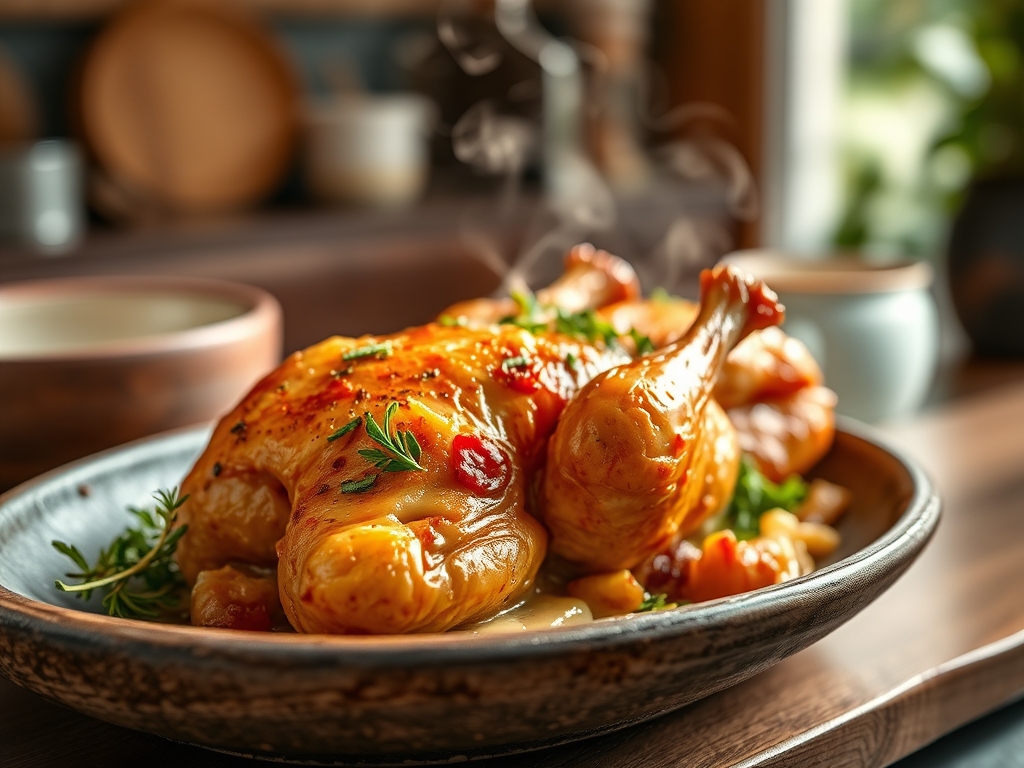
Referencing the Masterclass photo, your chicken should exhibit a vibrant, reddish-gold exterior. If the meat looks "gray" or "washed out," your pan was not hot enough. If the sauce is too thin, it will look transparent on the plate; continue to reduce the liquid until it achieves a rich, opaque sheen. Dull colors usually indicate oxidized herbs. Always add your parsley at the very last second to maintain that electric green contrast against the deep bronze of the poultry. If the edges of the chicken look frayed, your knife was dull during the trim phase; use a honing rod next time.
THE DEEP DIVE
Macro Nutrition Profile:
Per serving, this protocol delivers approximately 320 calories, 38g of protein, 18g of fat, and 2g of carbohydrates. It is a high-density protein source designed for cellular repair and metabolic efficiency.
Dietary Swaps:
- Vegan: Swap chicken for thick-cut cauliflower steaks and use vegetable stock with vegan butter.
- Keto: This recipe is naturally keto-compliant; serve over riced cauliflower.
- GF: Ensure your chicken stock is certified gluten-free, as some brands use grain-based thickeners.
Meal Prep & Reheating Science:
To maintain the molecular structure during reheating, avoid the microwave. The high-frequency waves agitate water molecules violently, toughening the protein. Instead, reheat in a covered pan over low heat with a splash of stock. This creates a steam-chamber effect that gently brings the chicken back to the safe zone without denaturing the proteins further.
THE KITCHEN TABLE
How do I know if the chicken is safe without a thermometer?
You cannot be 100% certain without a probe. While clear juices and firm texture are indicators, they are subjective. For true Warm Poultry Safety, a digital thermometer is the only non-negotiable tool in your infrastructure.
Why does my chicken get rubbery when held warm?
This is caused by "carryover cooking." If you hold chicken at exactly 74C, it continues to lose moisture. Aim to cook to 71C and let it carry over to 74C while resting under foil to retain its internal humidity.
Can I use chicken breasts instead of thighs?
Yes, but the margin for error is slimmer. Breasts lack the connective tissue and fat of thighs, meaning they will dry out much faster if held at warm temperatures for extended periods. Monitor them closely.
What is the best way to store leftovers?
Cool the chicken to room temperature within two hours, then transfer to an airtight glass container. Rapid cooling is essential to prevent condensation, which can turn your beautiful crust into a soggy mess in the fridge.