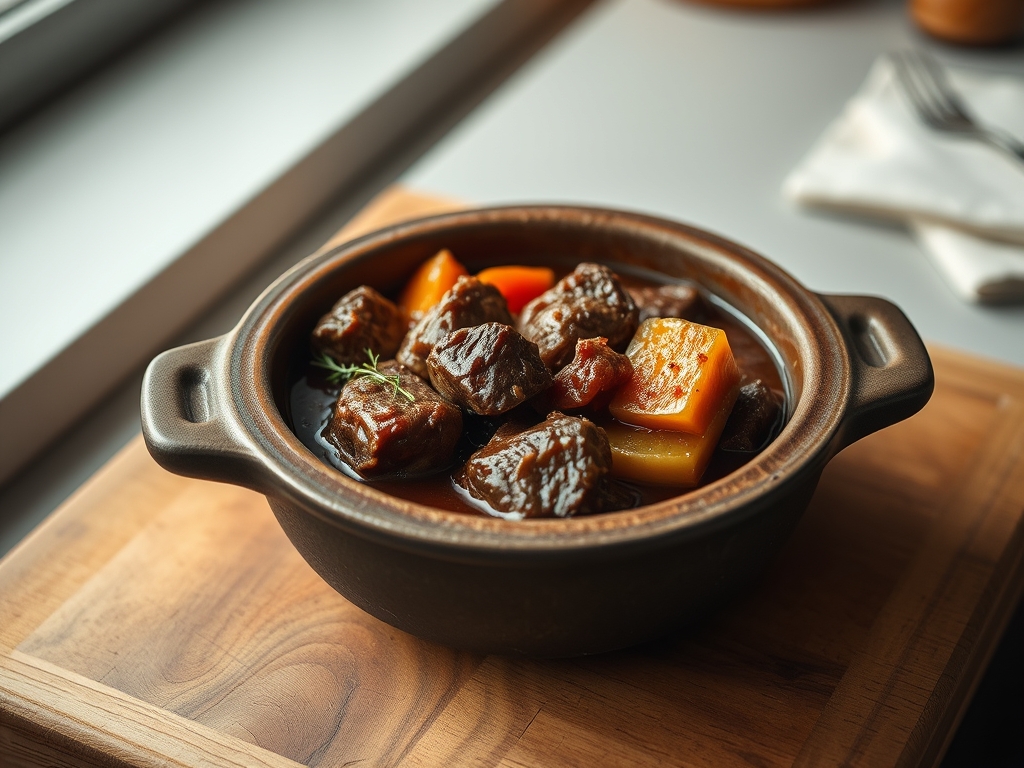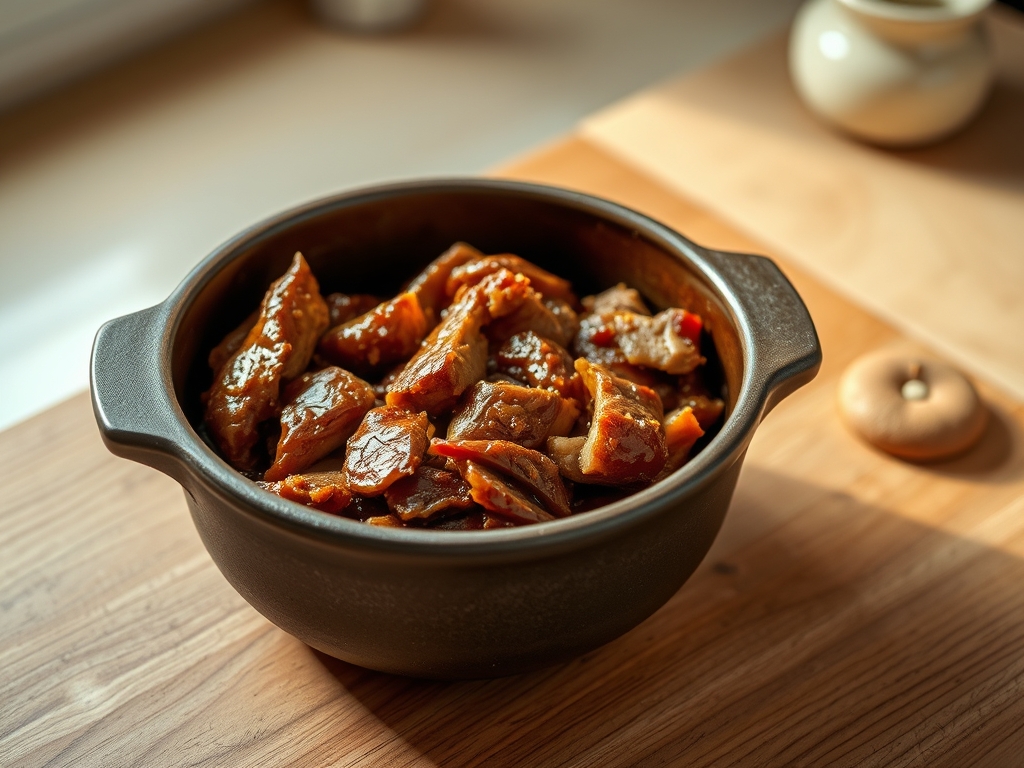
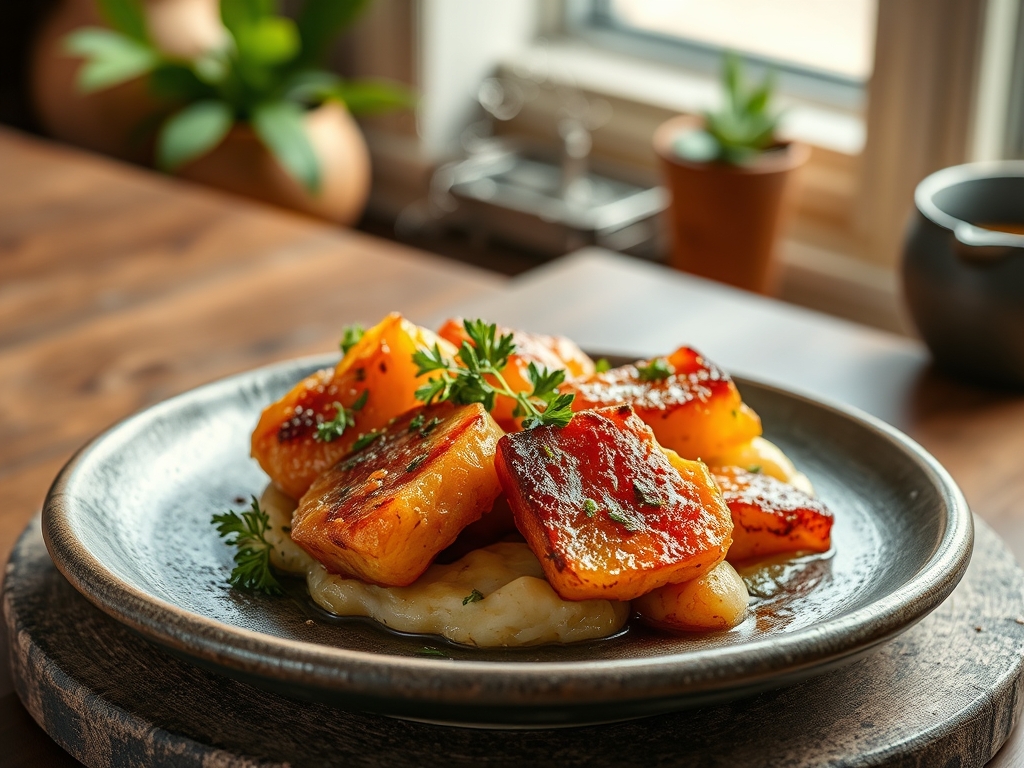
The kitchen is a battlefield where the primary enemy is not a lack of salt; it is the silent, creeping decay of thermal degradation. You have spent hours coaxing a viscous demi-glace into existence or ensuring your protein is perfectly rendered; yet, the moment the flame dies, the clock starts ticking. This is where most domestic operations fail. They treat the holding phase as an afterthought rather than a critical phase of the culinary lifecycle. Enter the Keep Warm Safety Audit. This is your structural defense against the "Danger Zone," that treacherous thermal window between 40 degrees Fahrenheit and 140 degrees Fahrenheit where bacteria throw a celebratory rave at the expense of your guest's gastrointestinal integrity. We are not just preventing illness; we are preserving the molecular architecture of the meal. We want to infuse every bite with the same vibrancy it possessed the microsecond it left the pan. If your holding strategy is "toss a lid on it and hope," you are not cooking; you are gambling with high-stakes biological variables.
THE DATA MATRIX
| Metric | Specification |
|---|---|
| Prep Time | 20 Minutes |
| Execution Time | 45 Minutes |
| Yield | 4 Servings |
| Complexity (1-10) | 6 |
| Estimated Cost per Serving | $8.50 |
THE GATHERS
Ingredient Protocol:
- 500g / 1.1 lbs Beef Tenderloin (Center Cut)
- 60ml / 4 tbsp Unsalted High-Butterfat Butter
- 15ml / 1 tbsp Neutral Oil (Grape Seed or Avocado)
- 200g / 7 oz Cremini Mushrooms (Finely Diced)
- 120ml / 0.5 cup Heavy Cream (36% Fat Minimum)
- 30ml / 2 tbsp Cognac or Brandy
- 5g / 1 tsp Flaky Sea Salt
- 2g / 0.5 tsp Freshly Cracked Black Peppercorns
Section A: Ingredient Quality Audit:
If your beef feels tacky or lacks a deep ruby hue, the cellular structure is already compromised; you cannot fix old meat with high heat. If the cream breaks or appears grainy upon heating, the emulsion has failed due to improper stabilization. To fix a broken cream sauce, whisk in a teaspoon of boiling water or a cold butter knob (monter au beurre) to re-establish the fat-to-liquid ratio. Ensure your mushrooms are bone-dry before they hit the pan. Wet mushrooms will steam rather than brown, preventing the Maillard reaction and leaving you with a flaccid, grey mess instead of a piquant flavor base.
THE MASTERCLASS
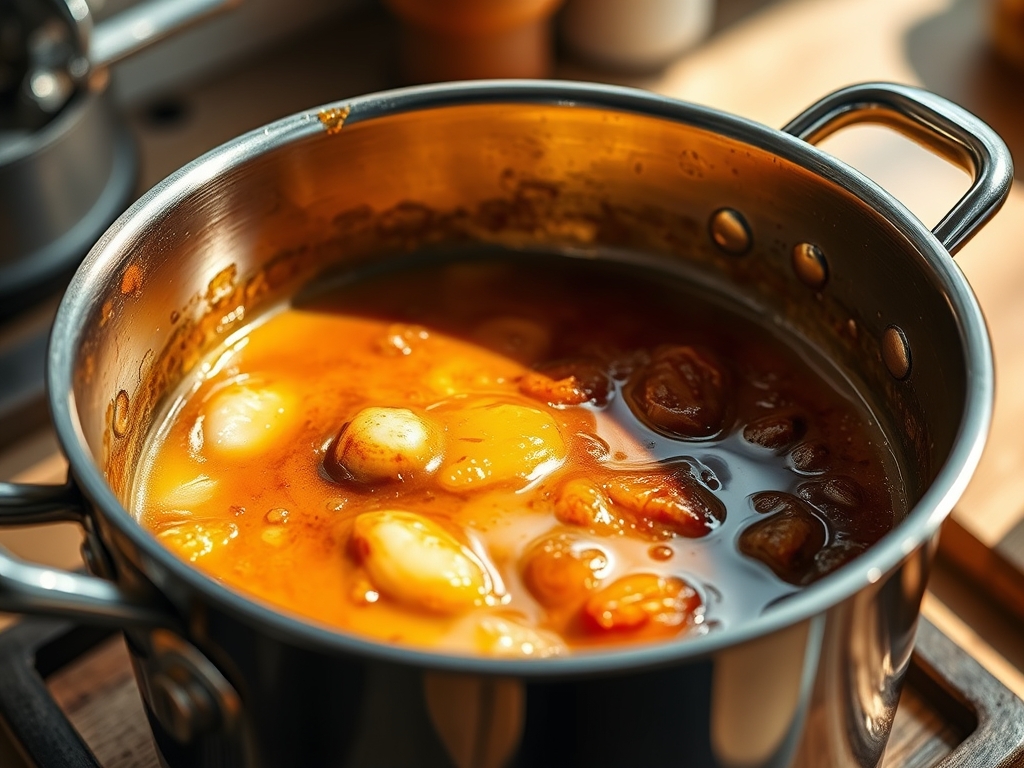
1. The Sear and Render
Place your heavy-bottomed stainless steel saucier over high heat. Add the neutral oil and wait for the first wisps of blue smoke. Season the beef aggressively and sear until a mahogany crust forms. This is not just for aesthetics; it creates a pressurized seal for the juices.
Pro Tip: Use a digital scale to ensure even portioning. The science here involves the rapid evaporation of surface moisture, allowing the surface temperature to exceed 300 degrees Fahrenheit for optimal browning.
2. Deglaze and Infuse
Remove the meat and set it on a wire rack. Add the mushrooms to the pan. Once they have released their moisture and browned, pour in the cognac. Use a bench scraper or wooden spoon to deglaze the brown bits (fond) from the bottom of the pan.
Pro Tip: The alcohol acts as a solvent, capturing fat-soluble flavor compounds that water-based liquids cannot reach. This creates a more complex, layered profile.
3. Emulsify and Aerate
Reduce the heat to medium-low. Pour in the heavy cream and whisk constantly to aerate the mixture slightly as it thickens. The goal is a viscous consistency that coats the back of a spoon (nappe).
Pro Tip: A thermopen or digital probe thermometer is essential here. You are aiming for a sauce temperature of 165 degrees Fahrenheit to ensure any residual bacteria from the cream are neutralized before moving to the holding phase.
4. The Keep Warm Safety Audit
Transfer the finished dish to a pre-heated ceramic vessel. Place this vessel in a warming drawer or an oven set to exactly 145 degrees Fahrenheit. This temperature is the sweet spot; it is high enough to inhibit bacterial growth but low enough to prevent the protein fibers from tightening and becoming tough.
Pro Tip: Use a calibrated oven thermometer to verify your appliance's accuracy. Most ovens fluctuate by 25 degrees; a Keep Warm Safety Audit ensures your hardware is not secretly sabotaging your hard work.
Section B: Prep & Timing Fault-Lines:
The most common failure is the "Lag Time Trap." If you finish the sauce but the protein is still resting, the sauce will develop a skin (protein coagulation). To prevent this, place a piece of parchment paper directly on the surface of the sauce. If your timing is off and the meat cools too much, do not microwave it. Microwaves vibrate water molecules violently, tearing the cellular walls and turning tender beef into rubber. Instead, use a gentle warm water bath (sous-vide style) to bring it back to the target temperature.
THE VISUAL SPECTRUM
Section C: Thermal & Visual Troubleshooting:
Look closely at the Masterclass photo above. The sauce should possess a glossy sheen, indicating a successful fat-in-water emulsion. If the sauce looks matte or "flat," it has likely lost too much moisture during the holding phase; whisk in a tablespoon of warm stock to restore the luster. If the beef looks grey rather than pink in the center, your "Keep Warm" temperature was too high, continuing the cooking process beyond the desired medium-rare. Uneven browning on the mushrooms suggests overcrowding the pan; next time, cook in batches to ensure every piece has direct contact with the heat source.
THE DEEP DIVE
Macro Nutrition Profile:
A standard serving contains approximately 42g Protein, 35g Fat, and 6g Carbohydrates. The caloric density is high, driven primarily by the lipid content in the cream and butter.
Dietary Swaps:
- Vegan: Replace beef with thick-cut cauliflower steaks and use cashew cream and vegan butter for the sauce.
- Keto: This recipe is naturally keto-compliant; ensure the cognac is fully reduced to minimize residual sugars.
- GF: Ensure your cognac or brandy is distilled from grapes and not a grain-based blend with additives.
Meal Prep & Reheating Science:
To maintain molecular structure during reheating, avoid high-intensity heat. The best method is the "Low and Slow" approach in a covered dish at 250 degrees Fahrenheit with a splash of added liquid (water or stock) to create a steam-jacket effect. This prevents the proteins from denaturing further and keeps the emulsion from splitting.
THE KITCHEN TABLE
Why is 140°F the magic number for safety?
This temperature marks the boundary where most foodborne pathogens, such as Salmonella and E. coli, cannot effectively reproduce. Staying above this limit during your Keep Warm Safety Audit ensures the environment remains hostile to bacterial colonization.
Can I keep food warm in a slow cooker?
Yes, but only on the "Warm" setting after the food has already reached a safe internal temperature. Never use the "Warm" setting to cook raw food; it lacks the thermal energy to bypass the Danger Zone quickly enough.
My sauce separated while sitting. What happened?
The emulsion broke because the water evaporated, leaving too much fat for the remaining liquid to hold. To fix it, vigorously whisk in a teaspoon of hot water to provide a new structural base for the fat droplets.
How long can I safely keep food in the warming drawer?
For peak quality, limit holding to two hours. While safety is maintained as long as the temperature stays above 140°F, the texture will eventually degrade as moisture continues to evaporate and proteins slowly break down.