Stop settling for the soggy, gelatinous disappointment of over-boiled grains. We are here to talk about infrastructure; the structural integrity of your breakfast, lunch, and dinner. When we discuss Rice Cooker Buckwheat, we are not just talking about a side dish. We are talking about the mechanical precision of a pseudo-cereal that has been toasted to the brink of a Maillard explosion. Imagine the scent of roasted hazelnuts and scorched earth wafting through your kitchen as the steam valve on your machine begins its rhythmic hiss. This is a culinary audit of the highest order. We are seeking a finished product where every single grain is distinct, firm to the tooth, and saturated with a deep, nutty essence that only automated thermal regulation can provide. If your current buckwheat looks like a grey puddle of despair, your system is failing. It is time to upgrade your internal software and embrace the automated efficiency of the rice cooker to achieve a texture that is nothing short of architectural.
THE DATA MATRIX
| Metric | Specification |
|---|---|
| Prep Time | 5 Minutes |
| Execution Time | 20 to 25 Minutes |
| Yield | 4 Servings (approx. 750g) |
| Complexity (1-10) | 2 |
| Estimated Cost per Serving | $0.65 USD |
THE GATHERS
Ingredient Protocol:
- Roasted Buckwheat (Kasha): 190g / 1 cup
- Filtered Water or Bone Broth: 475ml / 2 cups
- Unsalted Grass-fed Butter: 28g / 2 tablespoons
- Fine Sea Salt: 5g / 1 teaspoon
- Optional: Bay Leaf: 1 unit
Section A: Ingredient Quality Audit:
Sub-par raw materials are the primary cause of systemic failure in pseudo-cereal preparation. If your buckwheat smells like dusty cardboard, the volatile oils have oxidized. To fix this, you must infuse the grains with a high-quality fat during the initial phase. If using unroasted "green" buckwheat, the structure will be inherently softer. You must manually toast these in a dry saucier over medium heat until they reach a deep copper hue before adding them to the cooker. If your water source is high in mineral content, it can interfere with the softening of the grain husk; use filtered water to ensure a predictable viscous absorption rate.
THE MASTERCLASS

Step-by-Step Execution:
1. The Rinse and Inspect
Place your buckwheat in a fine-mesh strainer and rinse under cold water until the runoff is perfectly clear. Use your fingers to agitate the grains, ensuring any debris or stray husks are evacuated from the system.
Pro Tip: This step removes excess surface starch that would otherwise create a sticky, gummy coating. Use a digital scale to weigh your grains after rinsing to account for water retention if you are seeking laboratory-grade precision.
2. The Thermal Loading
Transfer the damp grains into the inner pot of your rice cooker. Add the butter and salt immediately. If your rice cooker has a "Sauté" function, engage it now to render the butter and lightly coat each grain in a lipid barrier.
Pro Tip: Coating the grains in fat before adding liquid is a technique borrowed from pilaf construction; it prevents the individual kernels from fusing together during the hydration phase.
3. The Hydration Phase
Pour in your 475ml of liquid. If you are using broth, ensure it is room temperature to avoid shocking the heating element. Close the lid and select the "White Rice" or "Standard" setting. The machine's internal sensors will monitor the evaporation rate to determine the exact moment of completion.
Pro Tip: A bench scraper can be used to cleanly transfer any stray grains from your cutting board or prep area into the pot, ensuring zero waste in your caloric output.
4. The Rest and Aeration
Once the timer signals completion, do not open the lid immediately. Allow the buckwheat to sit on the "Keep Warm" setting for five minutes. This allows the residual steam to redistribute, ensuring the top layer of grains is as hydrated as the bottom. Open the lid and use a fork or a rice paddle to gently aerate the mixture.
Pro Tip: Over-mixing at this stage will destroy the grain's integrity. Use a light, folding motion to lift the grains from the bottom, allowing steam to escape and preventing the bottom layer from becoming mushy.
Section B: Prep & Timing Fault-Lines:
The most common human error is the "Early Peek." Opening the lid during the cooking cycle causes an immediate drop in pressure and temperature, extending the cook time and toughening the grain. If your machine does not have an automatic shut-off, use a kitchen timer to track the 20-minute mark. If the buckwheat is still swimming in liquid at the end of the cycle, your ratio was off; drain the excess immediately and let the grains steam uncovered to evaporate the remaining moisture.
THE VISUAL SPECTRUM
Section C: Thermal & Visual Troubleshooting:
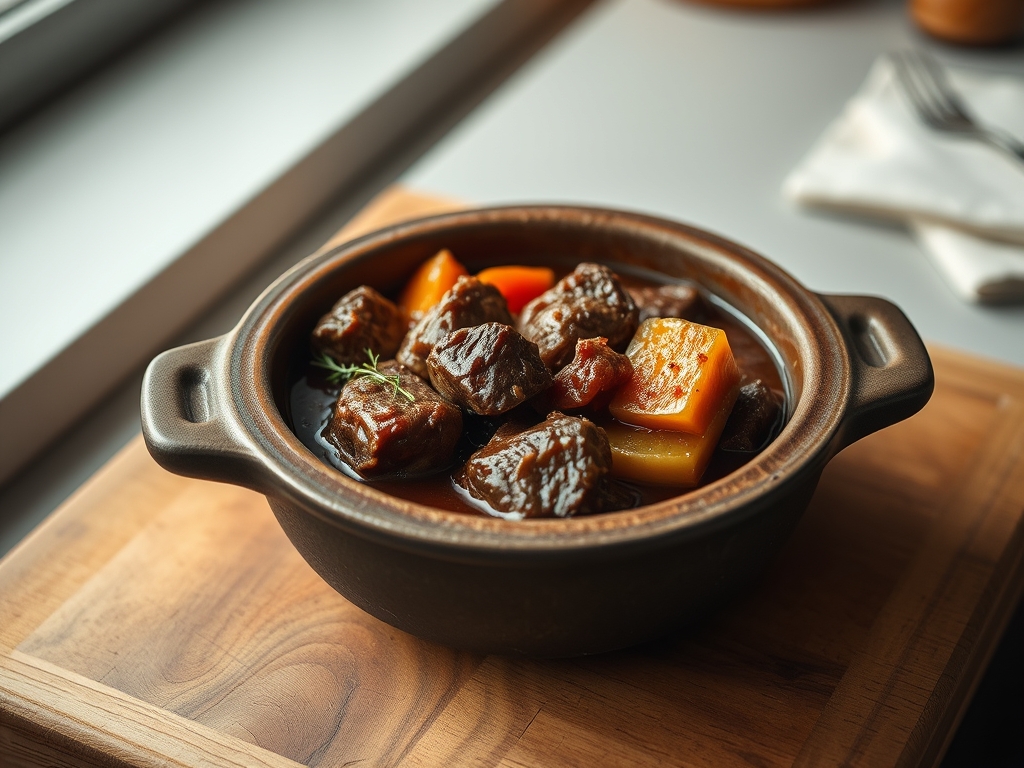
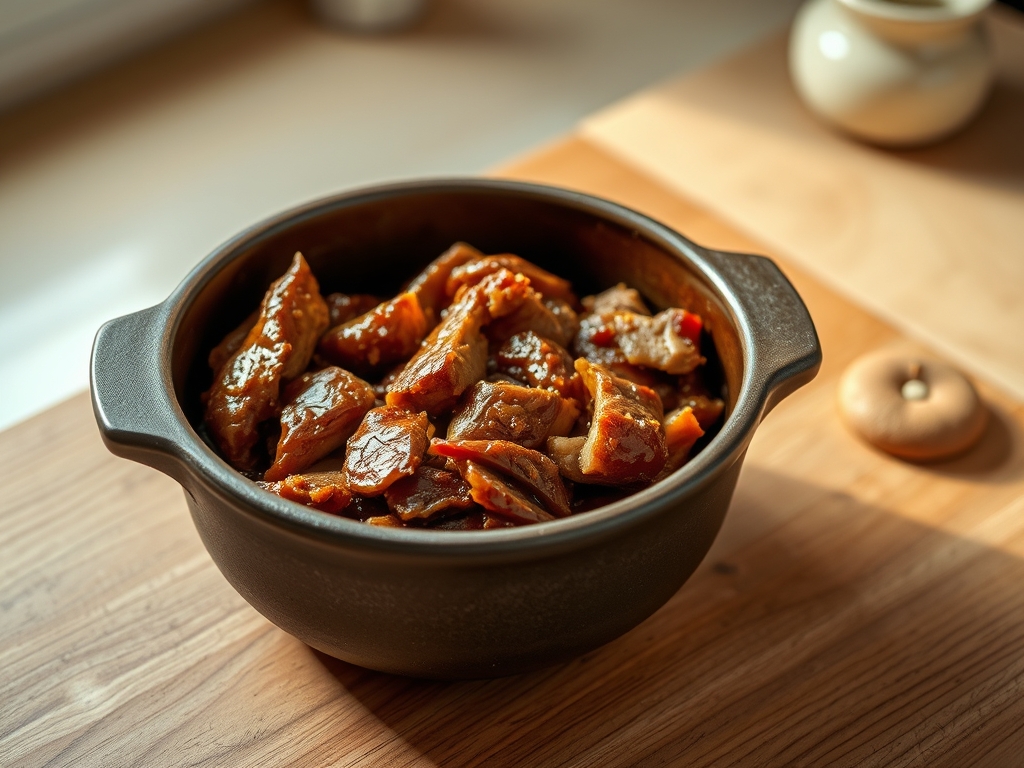
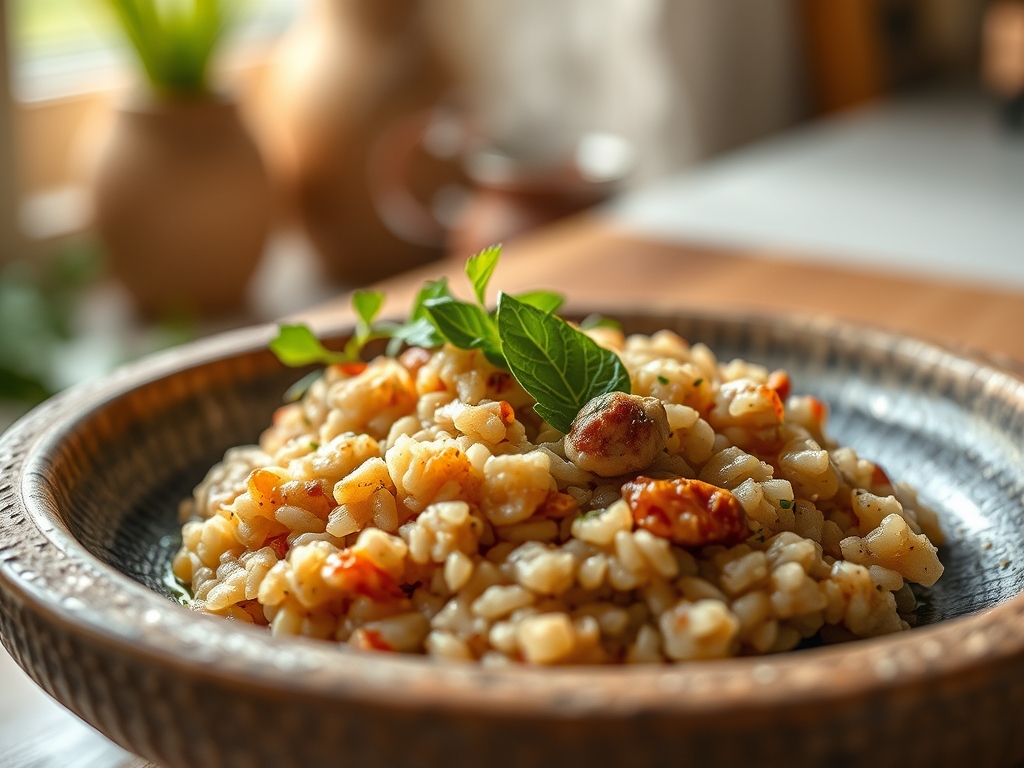
Referencing the Masterclass photo above, your Rice Cooker Buckwheat should display a variegated color palette ranging from deep mahogany to light tan. If the grains appear monochromatic and dull grey, you skipped the toasting or butter-coating phase. If the kernels have "burst" (looking like tiny white popcorn), they have been over-hydrated or cooked too long. The ideal visual cue is a distinct separation between grains; you should be able to see the individual triangular geometry of each kernel. If you see "clumping," the starch was not properly rinsed. To fix a dull appearance post-cook, infuse the dish with a splash of high-quality olive oil or a dusting of fresh herbs to provide a piquant visual contrast.
THE DEEP DIVE
Macro Nutrition Profile:
Buckwheat is a nutritional powerhouse, offering a complete protein profile containing all nine essential amino acids. A single serving provides approximately 6g of protein, 4g of fiber, and a significant dose of magnesium and manganese. Its low glycemic index makes it an ideal fuel source for sustained cognitive and physical performance.
Dietary Swaps:
- Vegan: Replace butter with coconut oil or a high-smoke-point avocado oil.
- Keto: While buckwheat is a seed, it is high in carbs. For a lower-carb profile, reduce the portion size and mix 50/50 with cauliflower rice.
- GF: Buckwheat is naturally gluten-free, despite the "wheat" in its name. Ensure your source is certified to avoid cross-contamination.
Meal Prep & Reheating Science:
To maintain the molecular structure during reheating, avoid the microwave if possible. Instead, deglaze a pan with a tablespoon of water or broth, add the cold buckwheat, and cover. This creates a localized steam environment that re-hydrates the grain without turning it into a paste.
THE KITCHEN TABLE
Why is my buckwheat mushy?
You likely used too much liquid or failed to rinse the surface starch. Stick to the 1:2 ratio and ensure you use the "Standard" rice setting. Excess agitation during the fluffing stage can also break the grain walls.
Can I cook buckwheat and rice together?
Negative. Rice and buckwheat have different hydration rates and thermal requirements. Cooking them simultaneously in one vessel usually results in overcooked buckwheat or undercooked rice. Audit each grain separately for maximum quality control.
Is toasting necessary for Rice Cooker Buckwheat?
If you purchased "Kasha," it is already toasted. If you bought raw green buckwheat, toasting is mandatory to develop the flavor profile and harden the exterior. This ensures the grain holds its shape under pressure.
How do I store leftovers?
Store in an airtight glass container for up to five days. The cold temperature will cause the starches to retrogress, making the grains firmer. This actually makes them excellent for quick stir-fries the following day.