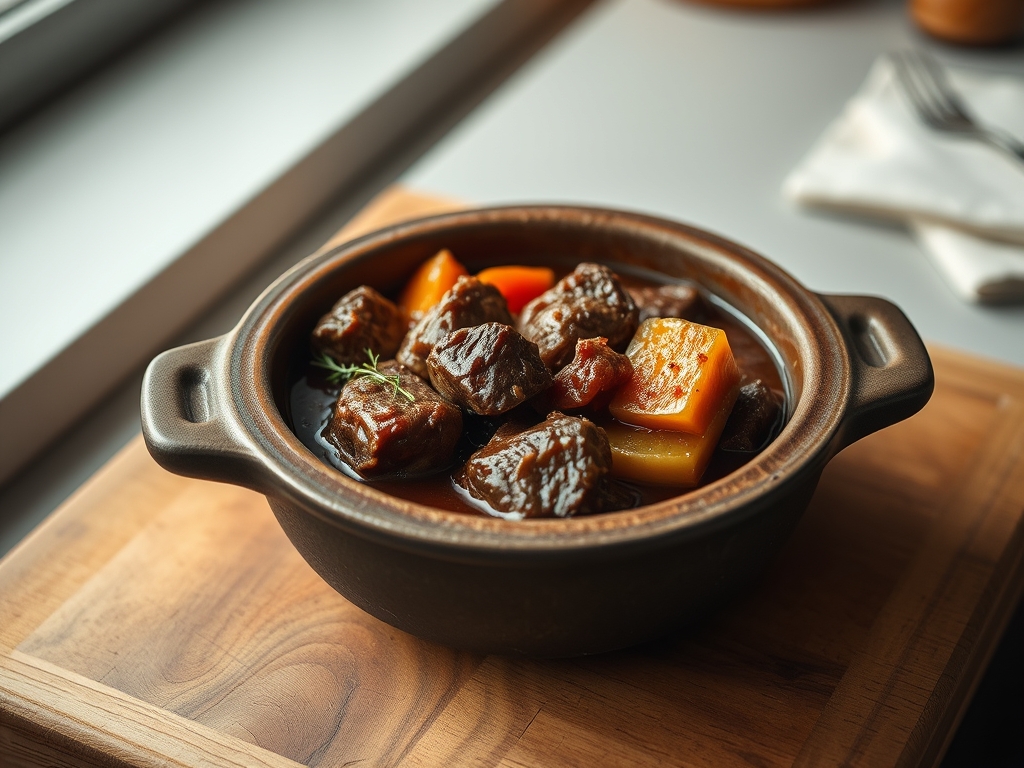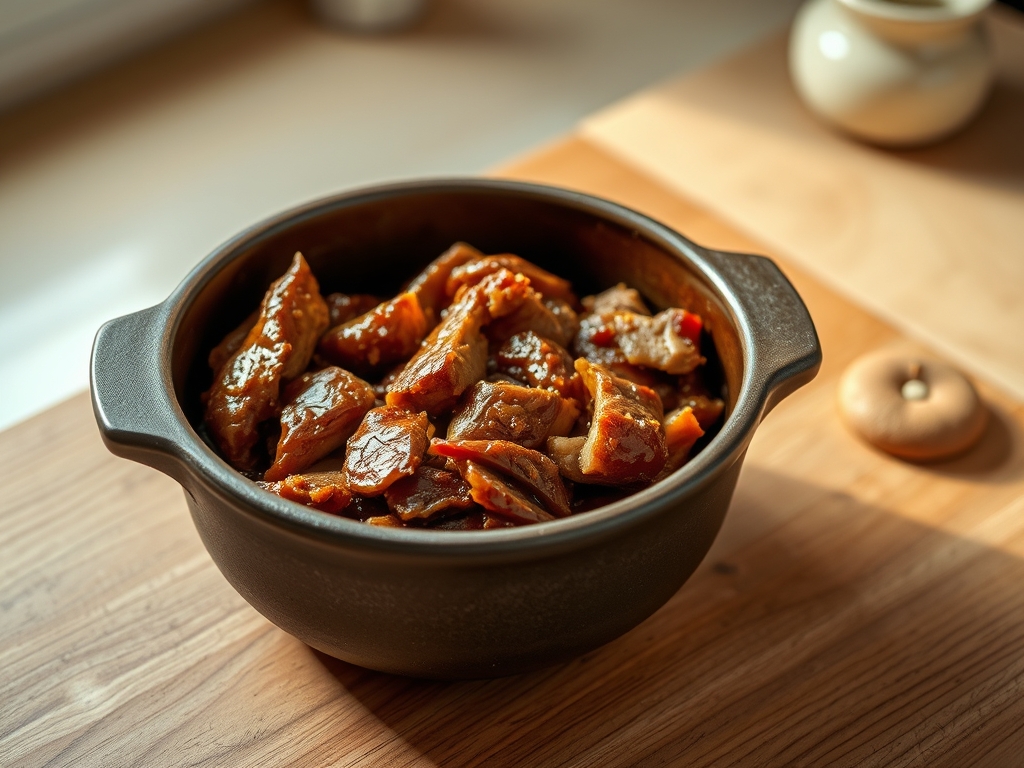
Forget the frantic whisking and the inevitable splatter of molten corn lava against your backsplash. We are entering the era of the automated starch matrix. For too long, the home cook has been tethered to the stove; a prisoner of the constant agitation required to prevent a scorched sediment at the base of the pot. Rice Cooker Polenta is not just a shortcut; it is a tactical redirection of thermal energy. Imagine a texture so viscous it clings to the spoon like velvet, yet so light it feels like it has been whipped by a gale. The rice cooker provides a controlled, sealed environment where steam pressure and consistent heat do the heavy lifting. This allows the cornmeal to hydrate fully without the moisture loss associated with open-air simmering. The result is a piquant, golden foundation for any protein; a culinary canvas that demands zero supervision. We are auditing the very soul of comfort food and streamlining it for the modern laboratory kitchen. Let us optimize your morning or evening starch protocol with surgical precision.
THE DATA MATRIX
| Metric | Specification |
|---|---|
| Prep Time | 5 Minutes |
| Execution Time | 45 Minutes |
| Yield | 4 Standard Servings |
| Complexity (1-10) | 2 |
| Estimated Cost per Serving | $0.65 USD |
THE GATHERS
Ingredient Protocol:
- 200g / 1 cup Coarse Ground Yellow Cornmeal
- 950ml / 4 cups Filtered Water or Chicken Stock
- 5g / 1 tsp Fine Sea Salt
- 30g / 2 tbsp Unsalted Butter (High fat content preferred)
- 50g / 0.5 cup Freshly Grated Parmigiano-Reggiano
- 2g / 0.5 tsp Freshly Ground Black Pepper
- 15ml / 1 tbsp Extra Virgin Olive Oil
Section A: Ingredient Quality Audit:
The primary failure point in Rice Cooker Polenta is the selection of the grain. If you utilize "Instant" or "Quick-Cook" varieties, the texture will degrade into a gluey, structural nightmare. Always opt for stone-ground or heirloom varieties to ensure a robust endosperm-to-germ ratio. If your cornmeal smells dusty or flat, the volatile oils have likely oxidized. To fix this, lightly toast the dry meal in a pan for 60 seconds before adding it to the cooker to re-activate the nutty aromatics. If your water is excessively hard, the minerals can interfere with the swelling of the starch granules; use filtered water to ensure the most neutral, clean flavor profile possible.
THE MASTERCLASS
Step-by-Step Execution:
1. The Hydration Phase
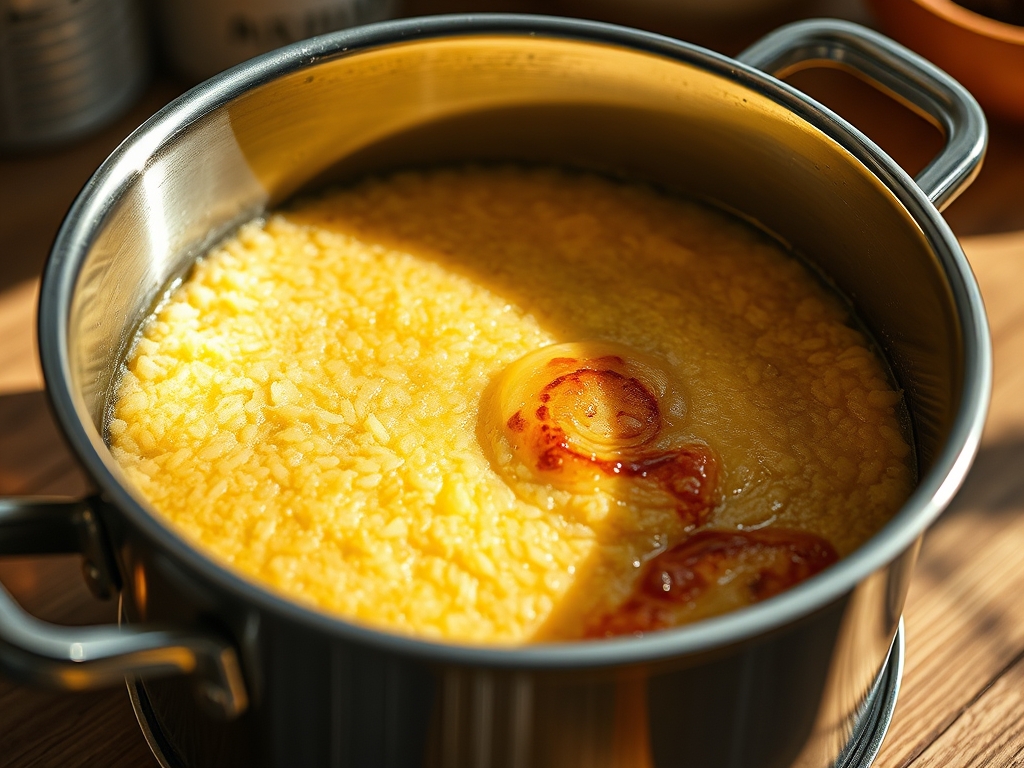
Combine the cornmeal, water, and salt directly into the non-stick bowl of the rice cooker. Use a silicone whisk to ensure there are no dry pockets or clumps.
Pro Tip: Use a digital scale to measure your ingredients rather than volume cups. Accuracy in the water-to-grain ratio is the difference between a pourable sauce and a structural brick. Professional kitchens rely on mass, not volume, to ensure consistency across batches.
2. The Thermal Cycle
Close the lid and select the "White Rice" or "Normal" setting. If your machine has a "Porridge" setting, that is the gold standard for this application as it uses a gentler heat curve.
Pro Tip: The science here involves the gelatinization of starch. As the temperature crosses 60 degrees Celsius, the granules swell and burst. A rice cooker maintains this temperature perfectly, preventing the scorched "fond" that usually forms on a traditional saucier.
3. The Mid-Cycle Agitation
Approximately 20 minutes into the cycle, open the lid and give the mixture a vigorous stir with a heat-resistant spatula or a wooden spoon.
Pro Tip: This manual intervention helps to aerate the mixture and ensures that any heavier grains that have settled at the bottom are redistributed. It mimics the traditional whisking method without the forty minutes of labor.
4. The Emulsification Finale
Once the cycle completes, the polenta should be thick and bubbling. Switch the machine to the "Keep Warm" setting. Fold in the cold butter, olive oil, and cheese.
Pro Tip: Adding cold butter at the end creates a stable emulsion. The fat molecules coat the starch, resulting in a glossy sheen and a luxurious mouthfeel. Use a bench scraper to clean the sides of the bowl if you plan on molding the leftovers later.
Section B: Prep & Timing Fault-Lines:
The most common human error is impatience. Opening the lid too frequently causes a drop in internal steam pressure, which extends the cook time and results in an uneven grain. If the machine finishes its cycle and the polenta still feels "gritty" on the tongue, simply add 50ml of warm liquid and run the cycle for an additional 10 minutes. Temperature control is automated, but the "Resting Phase" is not. Let the polenta sit on the "Keep Warm" setting for at least 5 minutes before serving to allow the moisture to distribute evenly through the matrix.
THE VISUAL SPECTRUM
Section C: Thermal & Visual Troubleshooting:
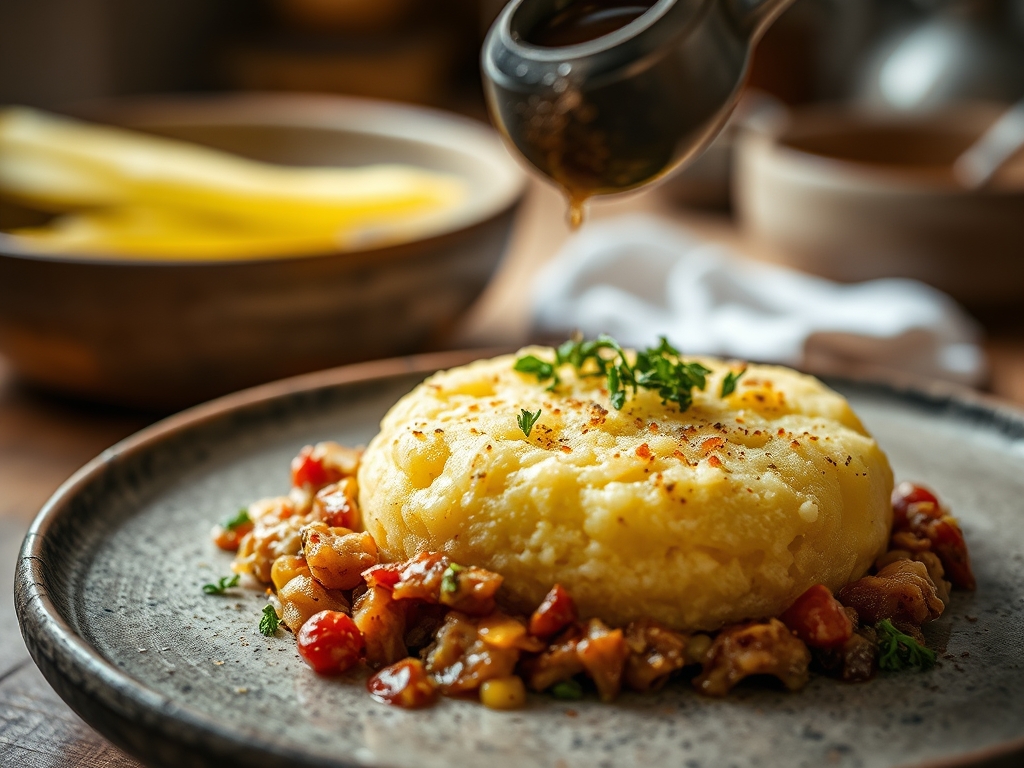
Referencing the Masterclass photo above, your final product should exhibit a vibrant, sunset-gold hue with a matte-gloss finish. If your polenta looks dull or grey, you likely under-salted the water or used an old batch of grain. If you see "weeping" (water separating from the solid mass), the starch has not been fully hydrated; whisk in a small amount of fat to bridge the gap. For uneven browning, check if your rice cooker has "hot spots" on the heating element. A perfectly executed Rice Cooker Polenta should hold its shape slightly when dolloped onto a plate but should flow slowly like thick lava when nudged.
THE DEEP DIVE
Macro Nutrition Profile:
A single serving provides approximately 220 calories, 35g of complex carbohydrates, 6g of protein, and 8g of fat. While it is a carbohydrate-dense dish, the glycemic index of stone-ground corn is lower than that of white bread, providing sustained energy release.
Dietary Swaps:
- Vegan: Replace butter with a high-quality vegan margarine or additional olive oil; swap Parmigiano for nutritional yeast to maintain the piquant profile.
- Keto: Polenta is inherently high-carb; however, you can "bulk" the volume by folding in riced cauliflower at the 20-minute mark to lower the net carbs per serving.
- GF: Corn is naturally gluten-free, but ensure your source is certified to avoid cross-contamination in the milling facility.
Meal Prep & Reheating Science:
Polenta undergoes retrogradation as it cools; the starch molecules realign into a rigid structure. This is ideal for making "polenta fries." Spread leftovers into a flat tray and refrigerate. To reheat as a mash, you must break the crystalline bonds by adding a splash of liquid and whisking over low heat to re-gelatinize the starches.
THE KITCHEN TABLE
Can I use milk instead of water?
Yes; however, dairy proteins can scorch more easily in some rice cookers. A 50/50 split of stock and whole milk provides the best balance of creaminess and safety. Always monitor for boil-overs when using high-fat liquids.
Why is my polenta lumpy?
Lumps occur when the cornmeal is added too quickly to hot liquid. By starting with cold or room-temperature liquid in the rice cooker and whisking before the heat cycle begins, you ensure every grain is isolated and hydrated.
How do I clean the rice cooker bowl afterward?
Do not scrub immediately. Fill the bowl with warm, soapy water and let it soak for 15 minutes. The residual starch will soften, allowing you to wipe it clean with a soft sponge without damaging the non-stick coating.
Can I add aromatics like garlic or herbs?
Absolutely. Infuse the liquid by adding smashed garlic cloves or thyme sprigs at the start of the cycle. Remove the woody stems before the final emulsification phase to ensure a smooth, professional texture throughout the dish.