The morning ritual is often a chaotic mess of burnt pans and neglected stovetops; however, we are here to optimize your caloric intake through the lens of industrial efficiency. Forget the frantic whisking of a traditional pot. We are pivoting to a superior workflow: Rice Cooker Oatmeal. This is not merely breakfast; it is a structural engineering project where fiber density meets thermal precision. Imagine a world where your appliance handles the heavy lifting of starch gelatinization while you focus on high-level strategy. The result is a texture that is perfectly viscous, never gummy, and consistently uniform. By leveraging the sealed environment of a programmable cooker, we eliminate the evaporation variables that plague open-flame cooking. We are targeting a specific molecular alignment where the beta-glucans are released just enough to create a creamy mouthfeel without compromising the structural integrity of the grain. This is the audit of your morning routine. We are trimming the fat, increasing the yield, and ensuring that every bite is a testament to culinary automation.
THE DATA MATRIX
| Metric | Specification |
|---|---|
| Prep Time | 3 Minutes |
| Execution Time | 20 to 30 Minutes (Model Dependent) |
| Yield | 2 to 3 Servings |
| Complexity (1-10) | 2 |
| Estimated Cost per Serving | $0.45 USD |
THE GATHERS
Ingredient Protocol:
- 180g / 2 cups Old Fashioned Rolled Oats (Do not use instant).
- 475ml / 2 cups Filtered Water or Almond Milk.
- 120ml / 0.5 cups Full-Fat Coconut Milk (for lipid enrichment).
- 2g / 0.5 tsp Kosher Salt.
- 5ml / 1 tsp Pure Vanilla Extract.
- 15g / 1 tbsp Unsalted Butter or Ghee.
- Optional: 30g / 2 tbsp Flax Seeds for increased fiber density.
Section A: Ingredient Quality Audit:
If your oats taste like dusty cardboard, your raw material has likely oxidized. Always store grains in an airtight, opaque container to prevent lipid rancidity. If the mixture feels thin or lacks body, your water-to-oat ratio is skewed toward the aqueous phase. To fix this, ensure you are using a digital scale rather than volumetric cups; mass is the only truth in a kitchen audit. If the oats are too firm, the starch has not fully hydrated. This usually occurs when using "Steel Cut" oats on a standard "White Rice" setting. For steel-cut variants, you must extend the soak time or utilize the "Porridge" setting to allow for deep thermal penetration of the dense husk.
THE MASTERCLASS
1. Vessel Lubrication and Loading
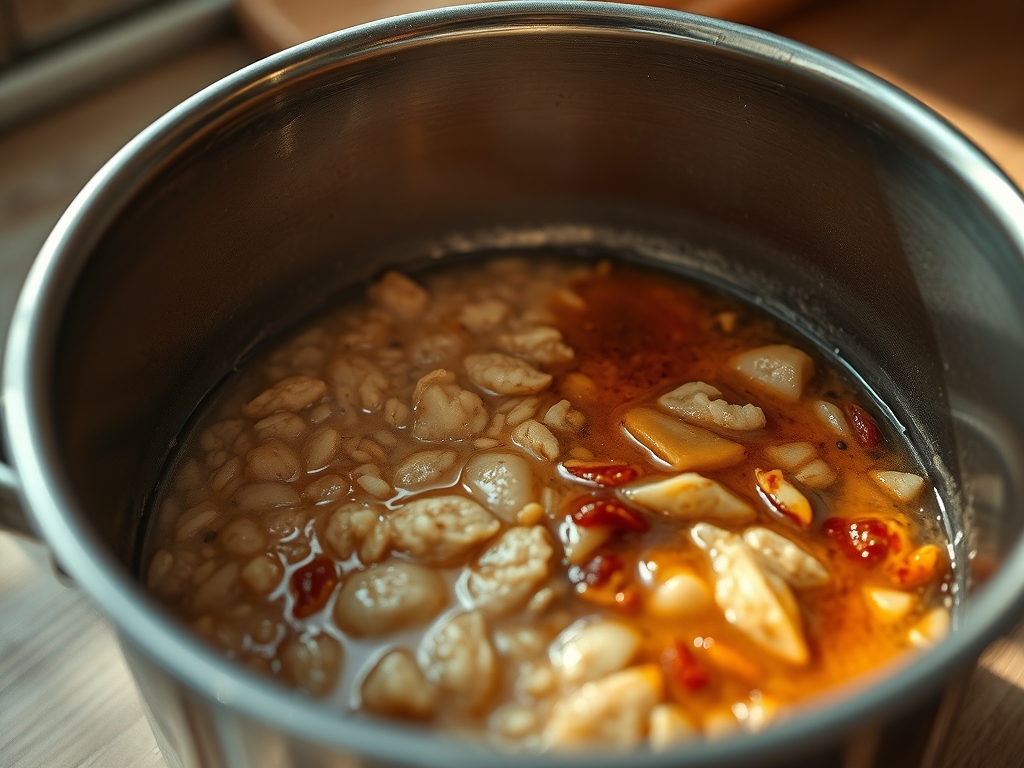
Begin by coating the interior of the rice cooker bowl with a thin film of butter or neutral oil. Add your oats, salt, and liquid components. Use a silicone spatula to ensure no dry pockets remain at the base of the vessel.
Pro Tip: Lubricating the vessel prevents the "starchy skin" from bonding to the non-stick surface. This utilizes the science of surface tension to ensure a clean release and easier sanitation post-prep.
2. The Infusion Phase
Close the lid and select the "Standard" or "Porridge" setting. If your unit allows for a "Delay Start," use it to allow the oats to hydrate for 15 minutes before the heating element engages.
Pro Tip: Pre-hydrating the grains allows the water to infuse the endosperm more evenly. Using a digital scale to measure your liquids ensures the final product reaches the exact viscosity required for a premium mouthfeel.
3. The Thermal Transition
As the cooker reaches its target temperature, the starches will begin to swell and burst. This is the gelatinization phase. Do not open the lid during this process, as you will vent the accumulated steam and disrupt the thermal equilibrium.
Pro Tip: Opening the lid causes a sudden drop in pressure and temperature. In professional kitchens, we treat the rice cooker like a saucier; it requires a stable environment to properly render the starches into a creamy matrix.
4. The Final Aeration
Once the cycle completes, allow the oats to sit on the "Keep Warm" setting for five minutes. Open the lid and use a bench scraper or a wooden spoon to gently fold the mixture. This incorporates air and finishes the texture.
Pro Tip: This resting period allows the moisture to redistribute. By folding the oats, you aerate the mixture, preventing it from becoming a dense, monolithic block of fiber.
Section B: Prep & Timing Fault-Lines:
The most common failure in Rice Cooker Oatmeal is the "Overflow Event." This happens when the starch bubbles block the steam vent. To prevent this, never fill your cooker beyond the halfway mark. If your timing is off and the oats sit on "Keep Warm" for over two hours, the bottom layer may begin to caramelize. While some enjoy this "socarrat" effect, it technically indicates a failure in moisture management. Add a splash of hot water and stir vigorously to re-emulsify the sugars and starches.
THE VISUAL SPECTRUM
Section C: Thermal & Visual Troubleshooting:
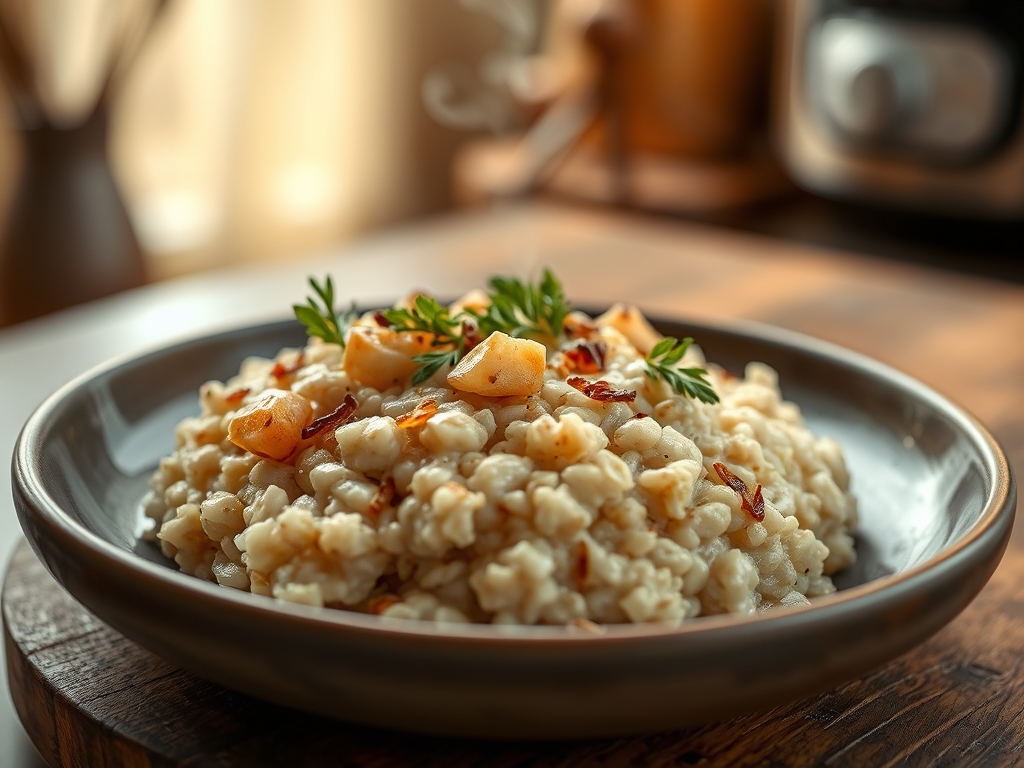
Observe the Masterclass photo above. Note the distinct separation of grains; they are plump but not disintegrated. If your oats look like a grey slurry, you have over-agitated the grains, breaking the delicate husks. To fix a "dull" appearance, add a pinch of salt or a dash of piquant cinnamon at the very end to brighten the flavor profile. If you see uneven browning at the edges, your cooker's heating element is likely calibrated too high for the volume of liquid. Increase the liquid ratio by 10% in the next iteration to buffer the heat. The goal is a matte finish with a slight sheen from the added fats, indicating a successful emulsification of water and lipids.
THE DEEP DIVE
Macro Nutrition Profile:
A single serving of this optimized Rice Cooker Oatmeal provides approximately 350 calories, 12g of healthy fats, 45g of complex carbohydrates, and 8g of protein. The high fiber content ensures a slow glucose release, preventing the mid-morning energy crash.
Dietary Swaps:
For a Vegan protocol, replace butter with coconut oil and use cashew milk for maximum creaminess. For Gluten-Free requirements, ensure your oats are certified GF to avoid cross-contamination during the milling process. Keto enthusiasts should pivot away from oats entirely, utilizing a "no-atmeal" base of hemp hearts and chia seeds, though this requires a significantly lower liquid ratio.
Meal Prep & Reheating Science:
To maintain the molecular structure during reheating, add 30ml of liquid per serving before microwaving. This prevents the starches from retrograding into a rubbery state. Store in glass containers to avoid chemical leaching and to maintain the viscous integrity of the dish over a 5-day period.
THE KITCHEN TABLE
Can I use steel-cut oats in a rice cooker?
Yes, but you must use the "Porridge" setting or increase the water ratio to 3:1. Steel-cut grains require significantly more time to achieve full starch gelatinization compared to rolled oats.
Why did my oatmeal overflow the steam vent?
This is typically caused by too much liquid or excessive starch buildup. Always rinse your oats briefly if using a high-starch brand, or add a teaspoon of butter to break the surface tension of the bubbles.
Is it safe to leave oatmeal on "Keep Warm" overnight?
Negative. Leaving oats at a warm temperature for over 4 hours can promote bacterial growth and will ruin the texture, turning your breakfast into a structural paste. Use the "Delay Start" feature instead.
How do I get a creamier texture without dairy?
Incorporate fats like almond butter or coconut milk during the cooking cycle. These lipids wrap around the starch molecules, creating a silky, viscous mouthfeel that mimics the properties of heavy cream.