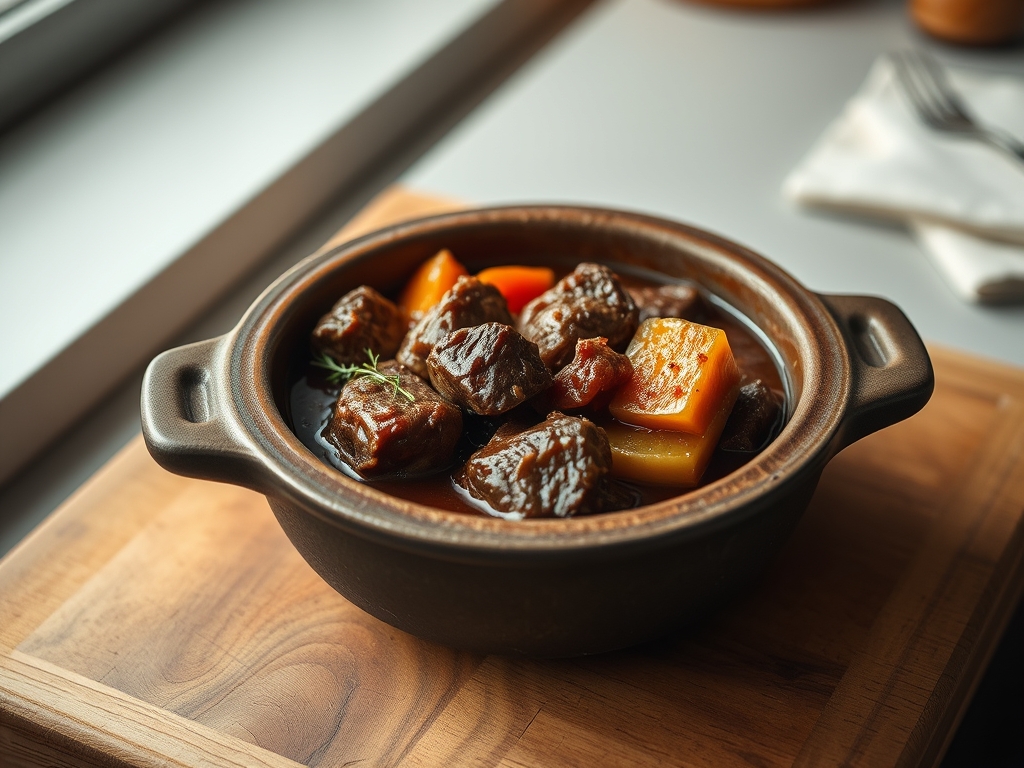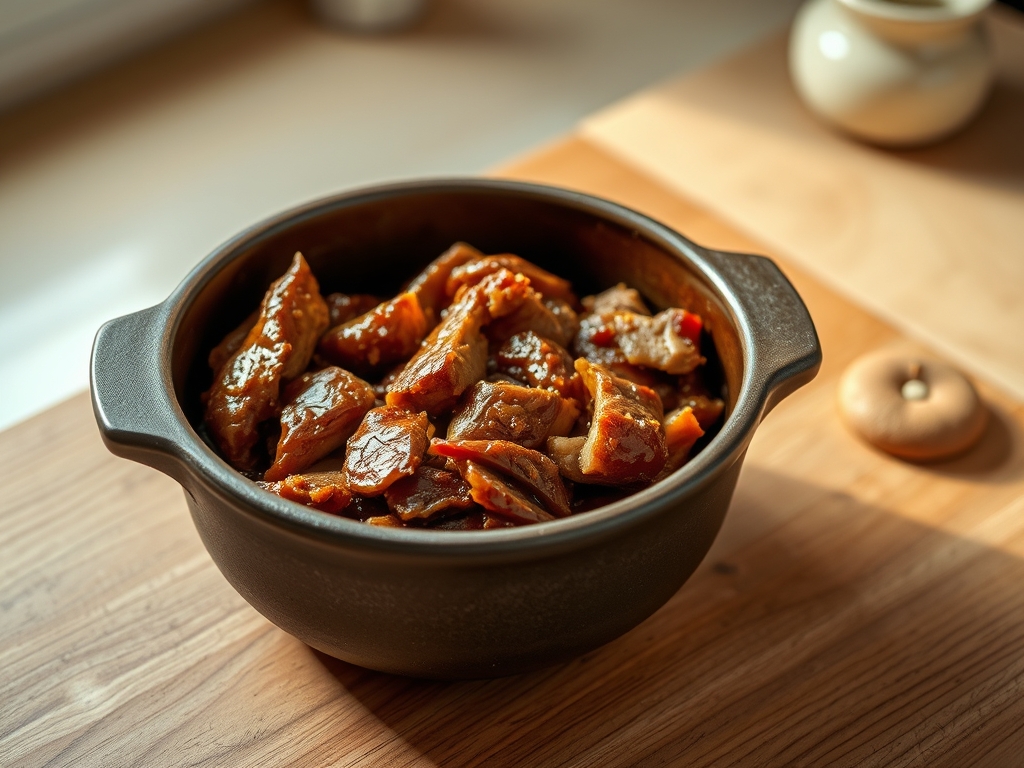
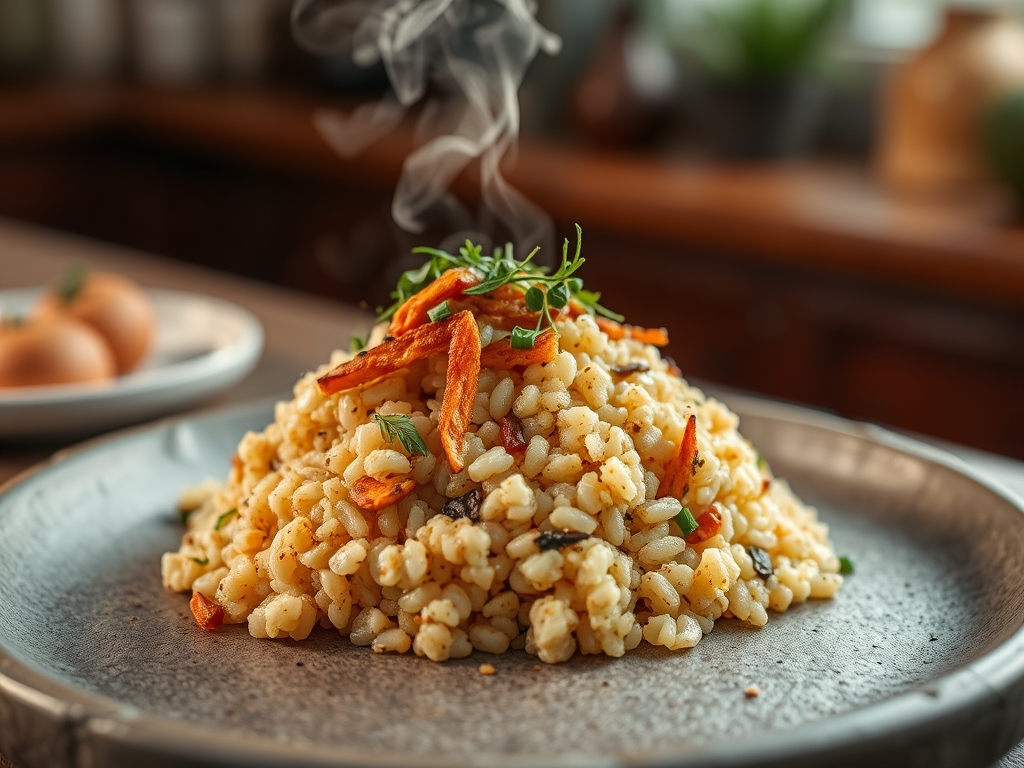
Stop settling for the soggy, waterlogged failure of stovetop experimentation. You are an architect of flavor, and your kitchen is a laboratory of precision. When we talk about Rice Cooker Quinoa, we are not just discussing a side dish; we are discussing the strategic expansion of hydrophilic seeds within a controlled thermal environment. The goal is a literal explosion of texture. Each grain must emerge as a distinct, pearlescent orb that pops against the palate, releasing a nutty, earthy essence that has been perfectly calibrated by steam. Most home cooks treat quinoa like a chore, but you are going to treat it like a structural engineering project. We are looking for that specific moment where the germ ring separates from the starchy endosperm, creating a delicate halo of crunch around a fluffy core. This is the gold standard of ancient grain preparation. By leveraging the automated logic of a rice cooker, we eliminate human error and focus entirely on the ratio of hydration to heat. Let us begin the audit.
THE DATA MATRIX
| Metric | Specification |
|---|---|
| Prep Time | 5 Minutes |
| Execution Time | 20-25 Minutes |
| Yield | 750ml / 3 Cups Cooked |
| Complexity (1-10) | 2 |
| Estimated Cost per Serving | $0.45 USD |
THE GATHERS
Ingredient Protocol:
- 200g / 1 cup Pre-rinsed White or Tri-color Quinoa
- 475ml / 2 cups Filtered Water or Low-Sodium Vegetable Stock
- 5ml / 1 tsp Extra Virgin Olive Oil or Grass-fed Butter
- 2g / 0.5 tsp Fine Sea Salt
- 1g / 0.25 tsp Cracked Black Pepper
- Optional: 1 sprig Fresh Thyme to infuse the steam
Section A: Ingredient Quality Audit:
Sub-par raw materials are the primary cause of culinary failure. If your quinoa tastes like a handful of dirt, you have failed to address the saponins. These are naturally occurring bitter compounds that coat the seed to deter pests. Even if the packaging claims the product is "pre-washed," a secondary rinse is non-negotiable. Use a fine-mesh sieve and cold running water until the runoff is crystal clear. If your grains feel "dusty" or look dull, they are likely oxidized. To fix this, you can lightly toast the dry seeds in a stainless steel saucier for two minutes before they enter the cooker. This triggers the Maillard reaction, converting simple sugars into complex, nutty aromas that mask any lingering bitterness.
THE MASTERCLASS
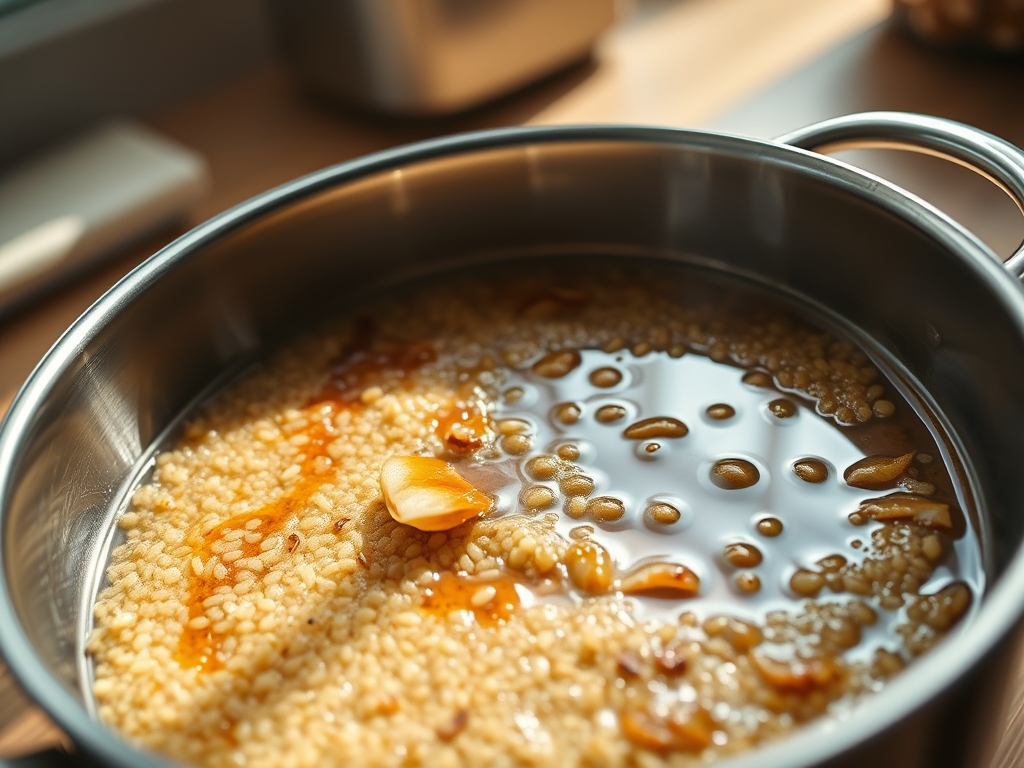
1. The Hydration Phase
Place your rinsed quinoa into the inner pot of the rice cooker. Add your liquid of choice; whether it is filtered water for purity or a piquant vegetable stock for depth. Ensure the grains are leveled using a silicone spatula or a bench scraper to guarantee even heat distribution across the base of the vessel.
Pro Tip: Use a digital scale for your measurements rather than volume cups. Water density changes with temperature, but mass is absolute. A 1:2 ratio by weight ensures that the starch granules swell without rupturing into a viscous paste.
2. The Lipid Integration
Add your olive oil or butter and the sea salt. This is not just for flavor; the fats coat the individual seeds, preventing them from clumping together during the gelatinization process. This ensures that every grain remains an independent agent of texture.
Pro Tip: Adding a fat source increases the lubricity of the steam. This prevents the "starchy foam" from rising too high and clogging the steam vent of your appliance, which can lead to uneven internal pressure.
3. The Thermal Cycle
Close the lid and select the "White Rice" or "Quick Cook" setting. The rice cooker uses an internal thermostat to detect when all liquid has been absorbed; at that point, the temperature will rise above 100 degrees Celsius (212 degrees Fahrenheit), signaling the machine to switch to "Keep Warm" mode.
Pro Tip: Professional chefs often use an infrared thermometer to check the base of the pot. The transition to the "Warm" cycle is the most volatile time for texture. Do not open the lid immediately; the residual steam is still working to aerate the top layer of grains.
4. The Rest and Aeration
Once the timer sounds, let the Rice Cooker Quinoa sit undisturbed for five to seven minutes. This allows the moisture to redistribute evenly from the bottom of the pot to the top. Finally, use a fork or a wide rice paddle to gently fluff the grains, lifting them from the bottom to incorporate air.
Pro Tip: Avoid vigorous stirring. You want to "fold" the air into the grains to preserve the integrity of the germ rings. Over-mixing at this stage will render the quinoa mushy and destroy the visual "pop" seen in high-end plating.
Section B: Prep & Timing Fault-Lines:
The most common timing error is the "Premature Peek." Opening the lid during the cook cycle releases the pressurized steam, dropping the internal temperature and stalling the hydration of the grain. This results in a "crunchy" center that no amount of extra water can fix. If you find your quinoa is undercooked after the cycle ends, add 30ml (2 tablespoons) of boiling water and reset the "Warm" cycle for ten minutes. Never add cold water to a hot pot; the thermal shock will cause the outer shells to split while the inside remains hard.
THE VISUAL SPECTRUM
Section C: Thermal & Visual Troubleshooting:
Look closely at the Masterclass photo above. You should see distinct, translucent grains where the "tail" (the germ) is clearly visible and curled. If your quinoa looks like a solid mass of beige porridge, you have over-hydrated it. If the colors look dull or grey, you skipped the rinsing or toasting phase. For a vibrant visual spectrum, use tri-color quinoa; the black and red varieties hold their shape better than white, providing a structural scaffold for the fluffier white grains. If you notice uneven browning at the bottom, your cooker's "Keep Warm" sensor may be running too hot. To solve this, immediately transfer the quinoa to a chilled sheet pan to stop the cooking process.
THE DEEP DIVE
Macro Nutrition Profile:
Rice Cooker Quinoa is a nutritional powerhouse. A single cup of cooked quinoa provides approximately 8g of complete protein, containing all nine essential amino acids. It is high in manganese, magnesium, and phosphorus. With a low glycemic index, it provides sustained energy without the insulin spikes associated with refined grains.
Dietary Swaps:
- Vegan: Use coconut oil or avocado oil instead of butter.
- Keto: While quinoa is not strictly keto, you can reduce the portion size and mix it 50/50 with riced cauliflower to lower the net carb count.
- GF: Quinoa is naturally gluten-free, but always check for cross-contamination in processing facilities.
Meal Prep & Reheating Science:
To maintain the molecular structure during storage, spread the cooked quinoa on a baking sheet to cool rapidly before refrigerating. This prevents "clumping" caused by trapped steam. When reheating, add a teaspoon of water and cover tightly to re-steam the grains. This prevents the starch from becoming retrograded and hard.
THE KITCHEN TABLE
Why is my quinoa always mushy?
You are likely using too much water or failing to let it rest. Stick to the 1:2 ratio and never skip the five-minute rest period after the machine clicks off. This allows excess moisture to evaporate.
Do I really need to rinse it?
Yes. Rinsing removes the saponins, which cause a bitter, soapy taste. Even "pre-washed" brands benefit from a quick 30-second blast under the tap to remove residual dust and surface starches.
Can I cook other things with the quinoa?
Absolutely. You can infuse the cooking liquid with garlic, ginger, or even a cinnamon stick. Just ensure any added solids are finely minced so they do not interfere with the rice cooker's heat sensors.
How long does it stay fresh?
Stored in an airtight container, Rice Cooker Quinoa will maintain its structural integrity for up to five days in the refrigerator. It also freezes exceptionally well for up to three months.