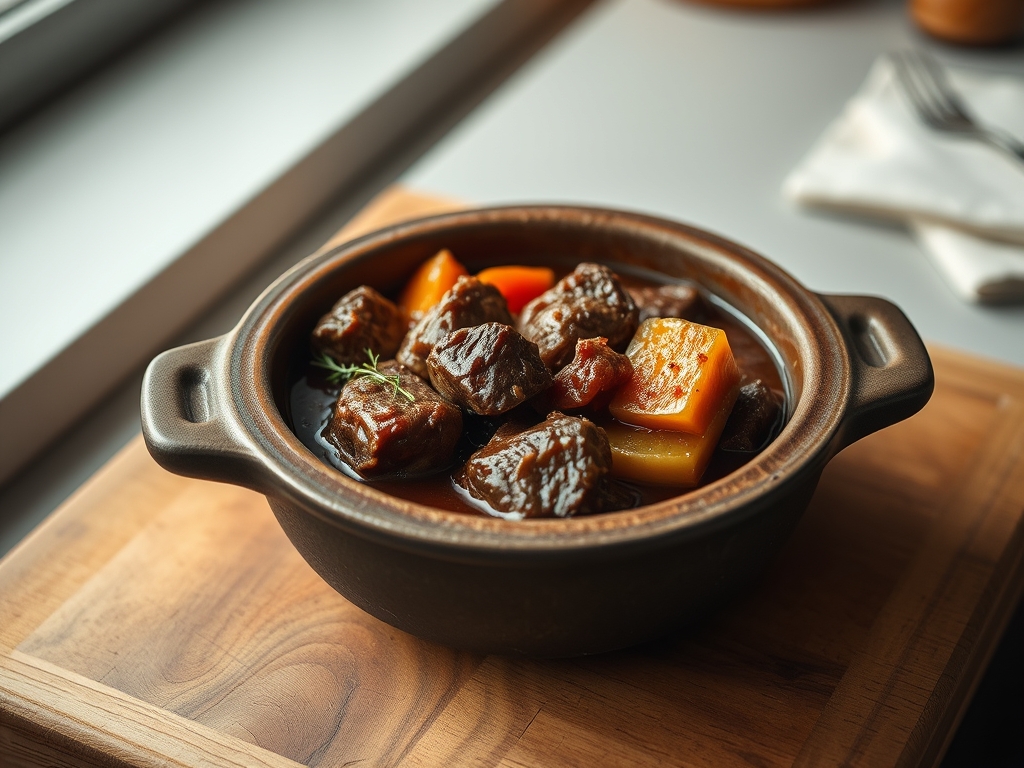
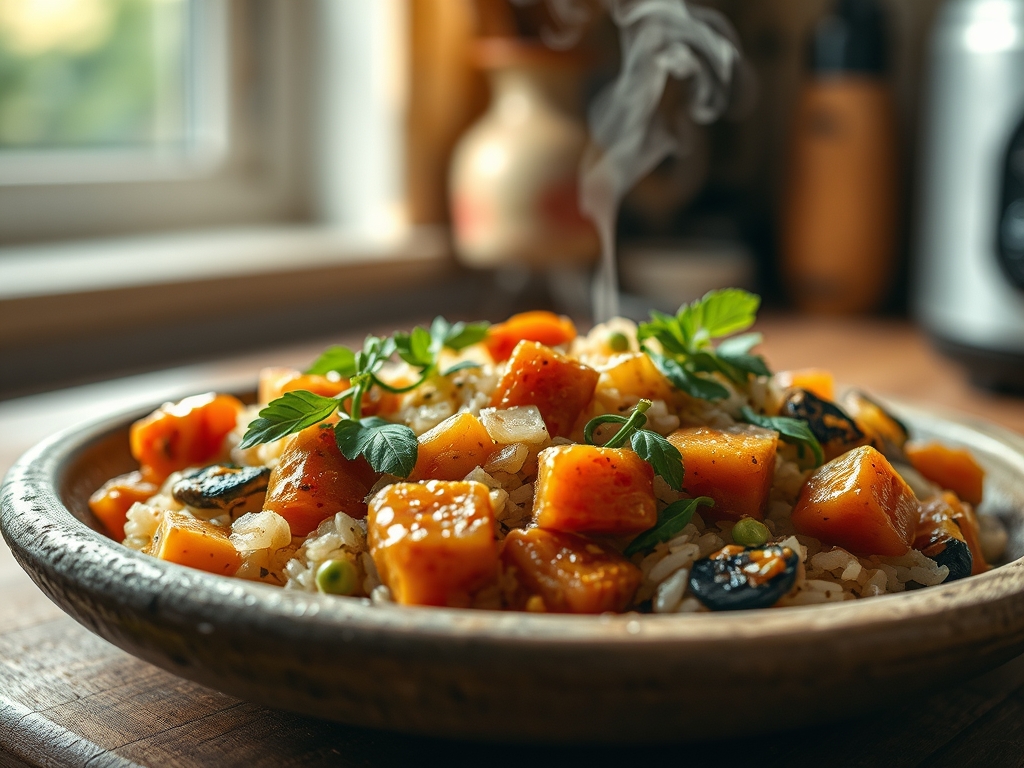
Stop treating your kitchen like a hobbyist playground and start viewing it as a high-precision thermal laboratory. We are not just tossing greens into a bucket; we are orchestrating a controlled atmospheric event. When you commit to Rice Cooker Mixed Veg, you are leveraging the power of a pressurized steam cycle to achieve cellular tenderness without sacrificing structural integrity. Forget the soggy, gray mush of school cafeterias. We are hunting for vibrant chlorophyll, snap-crisp textures, and a flavor profile that is deep, viscous, and undeniably piquant. The rice cooker is the unsung hero of the culinary infrastructure; it is a closed-loop system designed for perfect heat distribution. By syncing the starch gelatinization of the rice with the delicate steam-softening of seasonal flora, you create a unified nutritional matrix. This is efficiency personified. This is the future of your meal prep. We are about to turn a simple countertop appliance into a high-performance engine of flavor. Strap in, calibrate your sensors, and prepare to execute the most efficient vegetable protocol in your repertoire.
THE DATA MATRIX
| Metric | Specification |
|---|---|
| Prep Time | 12 Minutes |
| Execution Time | 20 Minutes |
| Yield | 4 Servings |
| Complexity (1-10) | 3 |
| Estimated Cost per Serving | $1.45 |
THE GATHERS
Ingredient Protocol:
- 300g / 1.5 cups Long-grain Jasmine Rice
- 475ml / 2 cups Vegetable Stock (Low Sodium)
- 150g / 1 cup Frozen Sweet Corn
- 150g / 1 cup Frozen Peas
- 120g / 1 cup Carrots (Small Dice)
- 30ml / 2 tbsp Toasted Sesame Oil
- 15ml / 1 tbsp Soy Sauce (Tamari for GF)
- 5g / 1 tsp Fresh Ginger (Grated)
- 2g / 0.5 tsp Garlic Powder
Section A: Ingredient Quality Audit:
If your carrots feel rubbery or lack that snap, they have already lost their cellular moisture. To fix this, submerge them in an ice bath for ten minutes before dicing; this rehydrates the cell walls through osmotic pressure. If your frozen peas appear freezer-burned with visible ice crystals, do not just toss them in. Rinse them under cold water to remove the oxidized outer layer, which prevents a bitter, "stale" aftertaste from leaching into the rice. When dealing with sub-par rice that smells dusty, perform a triple-rinse until the water runs clear. This removes excess surface starch that would otherwise create a gummy, unappealing texture.
THE MASTERCLASS
1. The Grain Calibration
Rinse your jasmine rice thoroughly using a fine-mesh strainer until the runoff is transparent. Place the rice into the inner pot of the cooker. Use a digital scale to ensure your liquid-to-grain ratio is precise. Precision is the enemy of mediocrity.
Pro Tip: Rinsing removes surface amylose. This ensures each grain remains distinct and fluffy rather than clumping into a monolithic block. Professional chefs use a bench scraper to move prepped ingredients without bruising the delicate grain structures.
2. The Aromatics Infusion
Whisk your vegetable stock, soy sauce, sesame oil, grated ginger, and garlic powder in a small saucier or mixing bowl. Pour this mixture over the rice. This step ensures that every grain is coated in a viscous layer of seasoning before the thermal cycle begins.
Pro Tip: The sesame oil acts as a surfactant. It coats the rice grains to prevent sticking and helps to infuse the fat-soluble flavors of the ginger deep into the starch as it expands.
3. The Vegetable Integration
Layer your diced carrots, corn, and peas directly on top of the rice. Do not stir them in yet. We want the vegetables to steam in the headspace of the cooker rather than boiling in the liquid, which preserves their vibrant color and nutrient density.
Pro Tip: Keeping the vegetables on top creates a "steam basket" effect within the pot. This prevents the vegetables from overcooking and turning into a puree while the rice reaches full gelatinization at the bottom.
4. The Thermal Cycle
Close the lid and initiate the "Standard" or "White Rice" setting. If your unit has a "Steam" function, ignore it; the rice setting provides a more consistent heat ramp-up. Once the cycle finishes, let it stand on the "Warm" setting for exactly five minutes.
Pro Tip: This five-minute rest allows the residual steam to redistribute. It ensures that the moisture levels are equalized across the entire pot, preventing a wet bottom and a dry top.
5. The Aeration Finish
Open the lid and use a rice paddle or a fork to gently fold the vegetables into the rice. Use a lifting motion to aerate the mixture, allowing excess steam to escape rapidly. This stops the cooking process instantly.
Pro Tip: Rapid aeration prevents the carry-over heat from dulling the green of the peas. A light hand here ensures you don't mash the softened carrots, maintaining the visual integrity of the dish.
Section B: Prep & Timing Fault-Lines:
The most common failure is the "mush factor" caused by adding too much liquid. If you find your Rice Cooker Mixed Veg is swimming in water, you likely failed to account for the moisture released by the frozen vegetables. Reduce your stock by 30ml next time to compensate. If the rice is crunchy but the vegetables are soft, your heating element may be uneven. Ensure the bottom of the inner pot is bone-dry before inserting it into the cooker to maintain perfect thermal contact.
THE VISUAL SPECTRUM
Section C: Thermal & Visual Troubleshooting:
Look at the Masterclass photo above. Notice the distinct separation of grains and the high-saturation orange of the carrots. If your dish looks dull or gray, you have over-steamed it. This happens when the "Keep Warm" function is left on for more than twenty minutes. The chlorophyll in the peas breaks down under prolonged heat. If you see uneven browning at the bottom, your soy sauce may have settled. To fix this, ensure you whisk your liquids thoroughly before pouring. If the corn looks shriveled, it was likely old or dehydrated; a quick toss in a teaspoon of water before adding to the pot can provide the necessary steam-boost to plump the kernels.
THE DEEP DIVE
Macro Nutrition Profile:
A single serving provides approximately 320 calories, 6g of protein, 55g of carbohydrates, and 8g of healthy fats. The inclusion of carrots and peas boosts the Vitamin A and Vitamin K content significantly, making this a high-density fuel source for cognitive and physical performance.
Dietary Swaps:
- Vegan: Already compliant. Ensure your vegetable stock is certified vegan.
- Keto: Replace jasmine rice with riced cauliflower. Reduce the cooking time to a 10-minute steam cycle to avoid liquefying the brassica.
- GF: Use Tamari or liquid aminos instead of traditional soy sauce to eliminate gluten proteins.
Meal Prep & Reheating Science:
To maintain the molecular structure during reheating, do not use a microwave on high power. This ruptures the starch cells and makes the rice rubbery. Instead, add a teaspoon of water and reheat in a sealed container on medium power. This creates a mini-steam chamber that re-hydrates the grains without compromising the texture of the vegetables.
THE KITCHEN TABLE
Can I use fresh peas instead of frozen?
Absolutely. However, fresh peas have less internal moisture. You may need to add an extra tablespoon of stock to the pot to ensure the steam pressure remains optimal for the rice gelatinization process.
Why is my rice sticking to the bottom?
This usually indicates a failure in the rinsing stage. Excess surface starch acts like a glue. Additionally, ensure you are using a high-quality non-stick inner pot or lightly grease the bottom with a drop of neutral oil.
Can I add protein like chicken or shrimp?
Yes. Small-dice chicken breast can be layered with the vegetables. For shrimp, add them only during the last five minutes of the cycle to prevent them from becoming tough and rubbery due to over-exposure to high-heat steam.
What if I want a crispier texture?
After the rice cooker cycle is complete, you can deglaze a hot wok with a splash of soy sauce and toss the mixture for two minutes. This introduces a slight render of the fats and adds a toasted dimension.