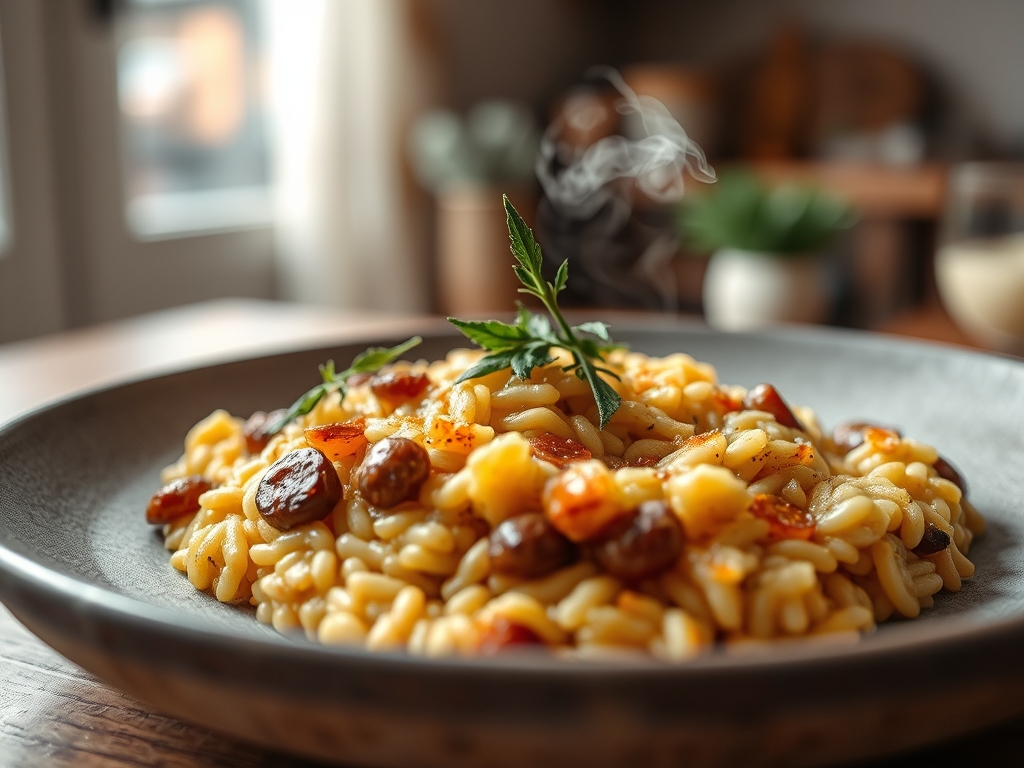
The kitchen is a battlefield of thermodynamics; where the traditionalist sees a labor of love, the culinary auditor sees a massive inefficiency in human kinetic energy. For decades, the risotto gospel dictated a relentless, rhythmic agitation of the grain to slough off starch. We were told that without forty minutes of manual labor, the dish would lack its signature viscous soul. That era is officially over. Welcome to the age of the Instant Pot Risotto; a high-pressure environment where we force the amylopectin to surrender through steam and atmospheric force rather than a wooden spoon. Imagine a bowl where every grain of Arborio is perfectly al dente, suspended in a velvet emulsion that tastes of toasted alliums and aged Parmigiano-Reggiano. The scent of white wine and butter hits the air as the pressure valve releases, signaling a victory for modern infrastructure. This is not a shortcut; it is a tactical optimization of moisture and heat that produces a result indistinguishable from the finest Italian trattoria.
THE DATA MATRIX
| Metric | Specification |
|---|---|
| Prep Time | 10 Minutes |
| Execution Time | 12 Minutes (Under Pressure) |
| Yield | 4 Servings |
| Complexity (1-10) | 3 |
| Estimated Cost per Serving | $2.75 USD |
THE GATHERS
Ingredient Protocol:
- 300g / 1.5 cups Arborio or Carnaroli Rice
- 750ml / 3 cups Low-Sodium Chicken or Vegetable Stock
- 120ml / 0.5 cup Dry White Wine (Pinot Grigio or Sauvignon Blanc)
- 60g / 4 tbsp Unsalted Butter (divided)
- 1 Large Shallot, finely minced
- 3 Cloves Garlic, microplaned
- 50g / 0.5 cup Freshly Grated Parmigiano-Reggiano
- 5g / 1 tsp Fresh Thyme leaves
- Fine Sea Salt and Cracked Black Pepper to taste
Section A: Ingredient Quality Audit:
The primary failure point in Instant Pot Risotto is the rice selection. If you attempt this with long-grain white rice, you will end up with a structural catastrophe. You require high-starch, short-grain varieties like Arborio or the superior Carnaroli. If your rice feels "chalky," it has likely been sitting in a humid pantry; toast it for an extra sixty seconds to drive out residual moisture. Another audit point: the stock. Store-bought stocks are often salt-bombs. Always opt for low-sodium variants so you can control the salinity during the final emulsification. If your wine is too sweet, it will ruin the piquant balance of the dish; ensure it is bone-dry.
THE MASTERCLASS
1. The Sauté and Render Phase
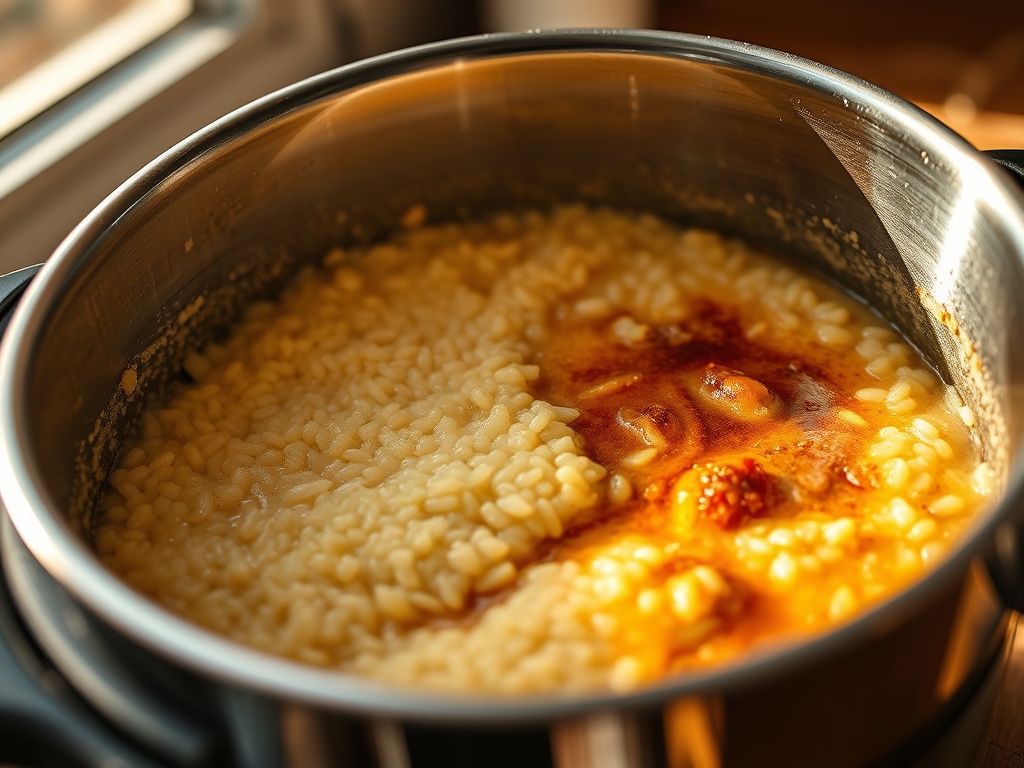
Set your pressure cooker to the "Sauté" function. Melt 30g of butter and add the minced shallots. Sauté until translucent but not browned. Add the garlic and rice, stirring constantly for two minutes until the edges of the rice grains become translucent while the center remains opaque.
Pro Tip: This process is called "tostatura." By using a saucier-style inner pot or a high-quality silicone spatula, you ensure every grain is coated in fat. This creates a thermal barrier that prevents the rice from turning into mush under high pressure.
2. Deglaze and Infuse
Pour in the white wine. Use a bench scraper or a wooden spoon to scrape any browned bits (fond) off the bottom of the pot. Allow the wine to simmer until it has almost completely evaporated.
Pro Tip: This step is critical for acidity. The alcohol evaporates, leaving behind concentrated tartaric acid which cuts through the richness of the butter and starch. If you skip the deglaze, you risk a "Burn" notice on your display.
3. The Pressure Seal
Pour in the stock all at once. Do not stir. Secure the lid and set the valve to "Sealing." Program the manual high pressure for 5 minutes.
Pro Tip: Use a digital scale to measure your liquid precisely. The ratio in a pressure cooker is nearly 1:2, which is tighter than stovetop methods because there is zero evaporation during the cook cycle. Accuracy is the difference between soup and risotto.
4. The Rapid Release and Mantecatura
Once the timer chirps, perform a Quick Pressure Release. Open the lid; the mixture will look slightly soupy. This is intentional. Add the remaining butter and the Parmigiano-Reggiano. Stir vigorously for 60 seconds.
Pro Tip: This vigorous final stir is known as "Mantecatura." It uses mechanical energy to aerate the remaining liquid and bond the fats with the released starches, creating that iconic viscous texture.
Section B: Prep & Timing Fault-Lines:
Human error usually occurs during the transition from "Sauté" to "Pressure." If you take too long to add the liquid after the rice is toasted, the residual heat in the base of the pot will scorch the grains. Have your stock measured and ready in a pitcher. Another fault-line is the "Natural Release." Never let risotto sit on "Keep Warm" or naturally depressurize; the carryover heat will overcook the starch granules, destroying the al dente "bite" and turning your masterpiece into porridge.
THE VISUAL SPECTRUM
Section C: Thermal & Visual Troubleshooting:
Referencing the Masterclass photo, your risotto should exhibit a "wave" (all'onda) effect. If you tilt the plate, the risotto should move slowly like lava. If it stays in a stiff clump, it is dehydrated; whisk in a tablespoon of warm stock. If the color is dull and grey, you likely scorched the shallots during the sauté phase. To fix a dull appearance, finish with a drizzle of high-quality extra virgin olive oil to add a reflective sheen. If the grains look "exploded" or ragged, you overcooked them by as little as sixty seconds. Next time, reduce the pressure time by one minute to account for altitude or specific brand variances in rice.
THE DEEP DIVE
Macro Nutrition Profile:
A standard serving of this Instant Pot Risotto contains approximately 380 calories. The breakdown is roughly 55g of carbohydrates, 14g of fat (mostly from the dairy fats), and 8g of protein. While starch-heavy, the glycemic load is moderated by the fat content of the butter and cheese.
Dietary Swaps:
- Vegan: Replace butter with a high-quality vegan buttery spread or olive oil. Substitute the parmesan with nutritional yeast and a squeeze of lemon juice for that piquant kick.
- Keto: This is chemically impossible with rice. However, you can use the "Sauté" function for riced cauliflower, though you must skip the pressure phase entirely as cauliflower has no starch to render.
- Gluten-Free: Arborio rice is naturally gluten-free, but always audit your stock labels for hidden wheat-based thickeners.
Meal Prep & Reheating Science:
Risotto is a "live" emulsion. As it cools, the starch molecules undergo retrogradation, causing the dish to solidify. To reheat, do not use a microwave alone. Place the risotto in a pan with a splash of water or stock. Heat gently while stirring to re-emulsify the fats. This restores the molecular fluidity without making the grains rubbery.
THE KITCHEN TABLE
Why is my risotto crunchy after 5 minutes?
Your pressure cooker likely took too long to reach pressure, or your liquid was cold. Always use room-temperature stock. If it is undercooked, add 1/4 cup of liquid and sauté for two minutes while stirring.
Can I add frozen peas or mushrooms?
Yes. Add mushrooms during the initial sauté to render their moisture. Add delicate greens like peas or spinach during the final "Mantecatura" phase; the residual heat is enough to cook them while preserving their vibrant green color.
Do I have to use wine?
No; however, you need the acidity. If omitting wine, replace it with the same volume of stock plus a tablespoon of white wine vinegar or lemon juice to ensure the flavor profile remains balanced and bright.
My Instant Pot says "Burn." What happened?
This usually means starch is stuck to the bottom. Ensure you deglaze the pot thoroughly after toasting the rice. Use a flat-edged wooden spatula to scrape the metal clean before you seal the lid for the pressure cycle.