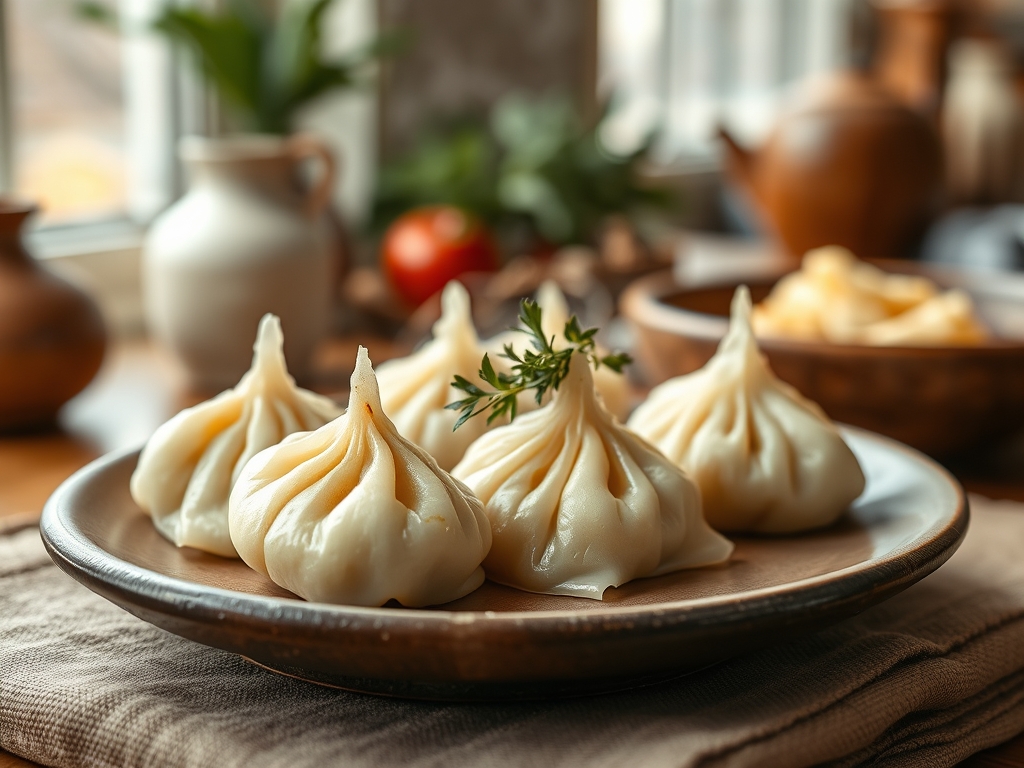
Listen closely because we are about to overhaul your perception of domestic appliance utility. Most people view the humble rice cooker as a single-function relic designed for nothing more than starch hydration. They are wrong. When you deploy Rice Cooker Dumplings within the pressurized, vapor-locked environment of a high-end induction heating unit, you are not just cooking; you are conducting a masterclass in thermal efficiency and moisture retention. Imagine the hiss of escaping steam as you crack the lid, revealing a hexagonal lattice of glistening dough skins that have been perfectly tempered by controlled humidity. The aroma is immediate and aggressive. It is the scent of toasted sesame oil and rendered pork fat merging with the delicate, floral notes of steamed wheat. This is the ultimate infrastructure for a weeknight culinary triumph. We are targeting a specific textural profile here: a supple, translucent upper mantle paired with a crisp, golden-brown base that provides the structural integrity necessary for a high-gravity dipping sauce. Let us dive into the logistics of this operation.
THE DATA MATRIX
| Metric | Specification |
|---|---|
| Prep Time | 20 Minutes |
| Execution Time | 15 Minutes |
| Yield | 20 to 24 Dumplings |
| Complexity (1-10) | 4 |
| Estimated Cost per Serving | $1.85 USD |
THE GATHERS
Ingredient Protocol:
- Frozen or Fresh Dumplings: 500g / 1.1 lbs
- Neutral Oil (Grapeseed or Avocado): 30ml / 2 tbsp
- Filtered Water: 120ml / 0.5 cup
- Toasted Sesame Oil: 15ml / 1 tbsp
- Low-Sodium Soy Sauce: 45ml / 3 tbsp
- Chili Crisp or Piquant Oil: 15ml / 1 tbsp
- Fresh Scallions (Finely Biased): 20g / 0.75 cup
- Toasted Sesame Seeds: 5g / 1 tsp
Section A: Ingredient Quality Audit:
The primary failure point in this operation is the lipid-to-water ratio. If your neutral oil has a low smoke point, it will degrade before the Maillard reaction can properly set the base crust. Always opt for refined oils with high thermal stability. If using frozen dumplings, do not allow them to thaw at room temperature; this compromises the structural integrity of the dough, leading to a "slumped" aesthetic and potential rupture. If the dough feels tacky or overly moist out of the bag, lightly dust them with cornstarch using a fine-mesh sieve. This absorbs excess surface moisture and ensures the steam creates a clean, non-stick finish rather than a gummy mess. For the dipping sauce, if your soy sauce tastes one-dimensional, infuse it with a crushed clove of garlic and a slice of ginger for ten minutes prior to service to add depth and complexity.
THE MASTERCLASS
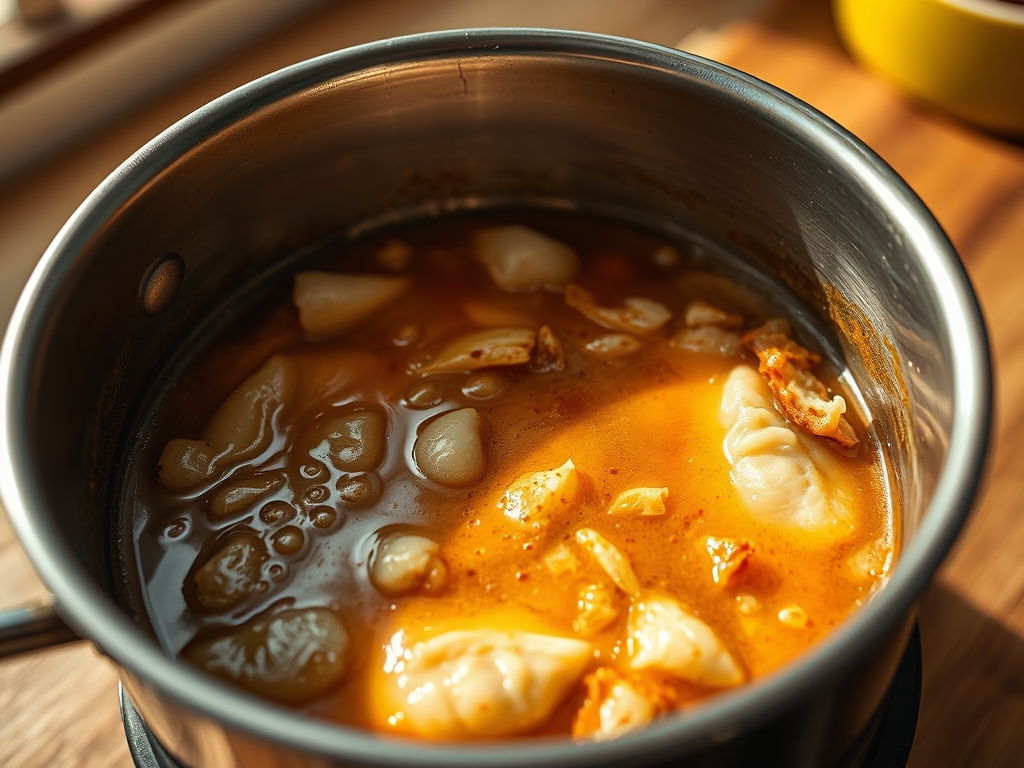
1. Vessel Priming and Lipid Distribution
Begin by activating the "Sauté" or "Regular Cook" function on your rice cooker. Once the inner pot has reached temperature, add your neutral oil. Use a silicone spatula or a long-handled brush to ensure the oil coats the entire base of the pot. This creates a non-stick interface that is essential for the final release.
Pro Tip: Use a digital scale to measure your oil precisely. Over-saturation leads to a greasy mouthfeel, while under-saturation results in the dough bonding permanently to the non-stick coating, ruining the visual spectrum of the dish.
2. The Structural Layout
Carefully arrange the dumplings in a circular pattern, starting from the outer edge and working inward. Ensure they are not overlapping; each unit requires its own "thermal zone" to cook evenly. Allow them to sear in the oil for 2 to 3 minutes before adding any liquid.
Pro Tip: Use a bench scraper or wide tongs to nudge the dumplings during the initial sear. This ensures that the heat distribution is uniform across the heating element, preventing localized scorching.
3. The Vapor Lock Execution
Pour the filtered water directly into the center of the pot and immediately close the lid. The goal is to trap the resulting steam to aerate and hydrate the dough skins simultaneously. The rice cooker's internal sensors will detect the moisture levels and maintain the optimal temperature for steaming.
Pro Tip: A professional saucier would tell you that the quality of your water matters. Using filtered water prevents mineral buildup in your appliance and ensures the flavor profile of the dough remains clean and untainted by chlorine.
4. The Evaporation Phase
Continue the cooking cycle until the rice cooker switches to the "Warm" setting or until you hear the sizzle return. This indicates that the water has fully evaporated, and the dumplings are now "frying" in the residual oil to finalize the bottom crust.
Pro Tip: Do not rush this stage. The transition from steaming to frying is where the Maillard reaction occurs. Use your ears; the sound will shift from a low rumble to a sharp, rhythmic crackle.
5. Extraction and Emulsification
Open the lid and allow the residual steam to dissipate for 60 seconds. This firms up the skins. While they rest, whisk together your soy sauce, sesame oil, and chili crisp in a small bowl until the fats begin to emulsify into a cohesive, viscous sauce.
Pro Tip: Use an offset spatula to gently lift the dumplings from the pot. This tool provides the leverage needed to pop the crust off the base without tearing the delicate upper mantle of the dough.
Section B: Prep & Timing Fault-Lines:
The most common human error is the "Premature Peek." Opening the lid during the steaming phase causes an immediate drop in internal pressure and temperature, which results in "dead dough" that is chewy rather than supple. If your rice cooker has a "Quick Cook" versus a "Brown Rice" setting, always opt for the standard "White Rice" or "Steam" cycle. The faster cycles often ramp up the heat too aggressively, which can render the fat out of the filling before the dough has had time to properly set, leading to a dry interior.
THE VISUAL SPECTRUM
Section C: Thermal & Visual Troubleshooting:
Referencing the Masterclass photo above, look for the "Golden Halo" on the base of the dumplings. If your dumplings appear pale and translucent all over, you skipped the initial sear or the final fry-down. To fix this, simply restart the cook cycle for 2 minutes with the lid open to cook off excess moisture. If the tops of the dumplings look shriveled or dry, your water-to-dough ratio was too low; next time, increase the water by 20ml. The scallions should be added at the very last second to maintain their vibrant green hue; adding them too early will cause them to oxidize and turn a dull, swampy olive color. The goal is a high-contrast plate: dark, piquant sauce against the bright, toasted gold of the dough.
THE DEEP DIVE
Macro Nutrition Profile
A standard serving of six pork and cabbage dumplings provides approximately 320 calories, 12g of protein, 35g of carbohydrates, and 14g of fat. By using a rice cooker, you are effectively "steam-frying," which uses significantly less oil than traditional deep-frying methods, keeping the lipid count manageable for those monitoring caloric density.
Dietary Swaps
- Vegan: Utilize mushroom and glass noodle fillings. Swap the soy sauce for liquid aminos if you require a lower sodium profile.
- Keto: This is a challenge due to the wheat-based wrappers. However, you can use large cabbage leaves as "wrappers" for the filling to maintain the infrastructure without the carb load.
- Gluten-Free: Ensure your dumplings are made with rice flour wrappers and substitute the soy sauce for Tamari.
Meal Prep & Reheating Science
To maintain the molecular structure of the dough during reheating, avoid the microwave at all costs. The microwave agitates water molecules violently, leading to a rubbery texture. Instead, place the dumplings back into the rice cooker on the "Warm" setting with a teaspoon of water for 5 minutes. This gently re-hydrates the starch without destroying the crisp base.
THE KITCHEN TABLE
Can I cook frozen dumplings without defrosting?
Yes. In fact, it is preferred. Cooking from frozen preserves the structural integrity of the wrapper and ensures the interior filling stays moist while the exterior undergoes the steaming process. Just add two minutes to the initial steam time.
Why did my dumplings stick to the bottom?
This usually indicates insufficient oil or a compromised non-stick surface. Ensure you "prime" the pot by allowing the oil to heat up before adding the dumplings. A cold start is the enemy of a clean release.
Is it possible to overcook them in a rice cooker?
Most modern rice cookers have "fuzzy logic" sensors that prevent burning by switching to a warming mode once moisture is gone. However, leaving them on "Warm" for over 30 minutes will eventually toughen the skins.
Can I add vegetables to the pot?
Absolutely. Layering bok choy or broccoli florets on top of the dumplings during the last five minutes of steaming is an efficient way to infuse the meal with fiber while utilizing the same vapor stream.