Listen to the hum of the heating element as it engages. We are not merely boiling legumes; we are conducting a high-stakes symphony of hydration kinetics. The humble pulse is the ultimate structural engineer of the pantry, but far too often, it is subjected to the indignity of a chaotic stovetop simmer. Enter the Rice Cooker Lentils protocol. This is the gold standard of automated kitchen infrastructure. By leveraging the precise thermal sensors of a modern fuzzy-logic unit, we bypass the erratic evaporation rates of open-flame cooking. We are looking for that perfect structural integrity where the exterior remains intact while the interior transforms into a creamy, nutrient-dense substrate. Imagine the scent of earthy legumes meeting the sharp, aromatic bite of bay laurel and garlic. It is a sensory overhaul that turns a budget staple into a high-performance fuel. If you are still watching a pot boil, you are operating on legacy hardware. It is time to upgrade your system to a set-it-and-forget-it workflow that yields professional results every single cycle.
THE DATA MATRIX
| Metric | Specification |
|---|---|
| Prep Time | 5 Minutes |
| Execution Time | 35 to 45 Minutes |
| Yield | 750ml / 3 Cups Cooked |
| Complexity (1-10) | 2 |
| Estimated Cost per Serving | $0.45 USD |
THE GATHERS
Ingredient Protocol:
- 200g / 1 cup Brown or Green Lentils (Dry)
- 475ml / 2 cups Vegetable Stock or Filtered Water
- 15ml / 1 tbsp Extra Virgin Olive Oil
- 2g / 1 tsp Sea Salt
- 1 Large Bay Leaf
- 2 Cloves Garlic (Crushed)
Section A: Ingredient Quality Audit:
Sub-par raw materials are the primary cause of systemic failure. If your lentils are "aged out" (sitting in the pantry for over 18 months), the cellular walls become lignified and will refuse to soften regardless of thermal input. Technical Fix: Add 1.5g of sodium bicarbonate to the liquid to accelerate the breakdown of hemicellulose. If your water is "hard" (high mineral content), it will inhibit the hydration kinetics of the pulse. Use filtered water to ensure the minerals do not bind to the seed coat, creating a tough, grainy texture. Always inspect for "debris" or stones; a single pebble can cause a catastrophic failure of your dental hardware.
THE MASTERCLASS
1. The Rinse and Inspect Protocol
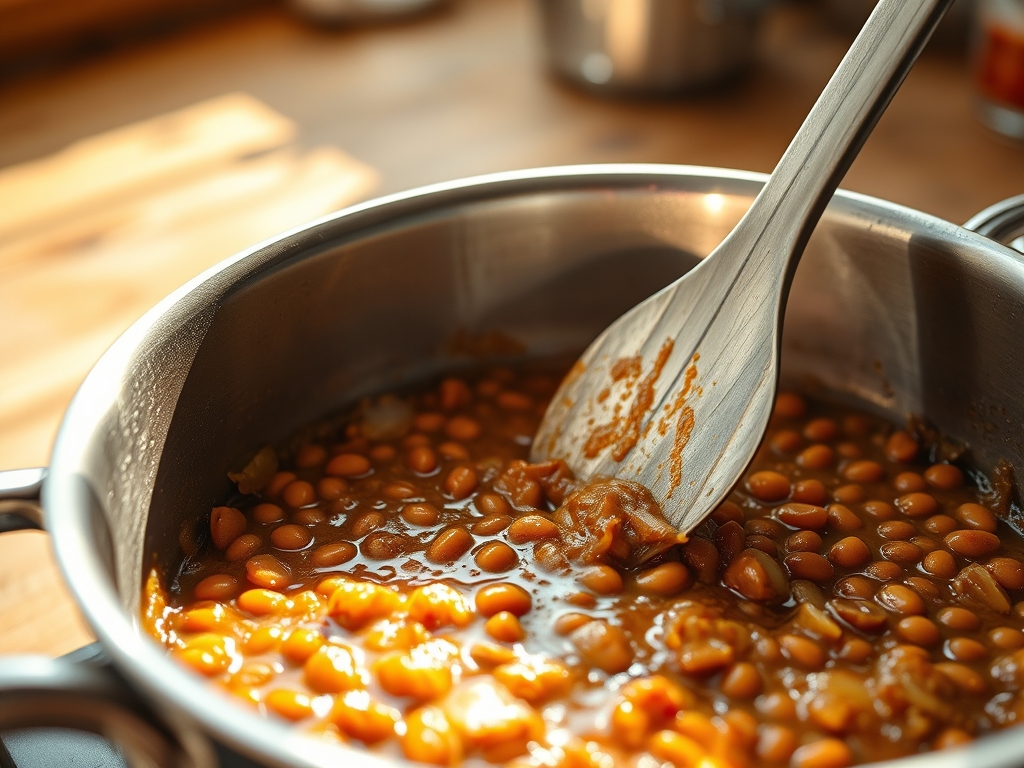
Place your dry pulses into a fine-mesh strainer. Use cold, high-pressure water to aerate the lentils while removing surface dust and saponins. Use a bench scraper to move the lentils across a flat surface after rinsing to check for rogue stones or damaged seeds.
Pro Tip: Rinsing is not just about hygiene; it prevents the "starchy foam" from clogging the steam vent of your rice cooker, which can lead to a messy thermal overflow.
2. The Aromatics Integration
Place the cleaned lentils into the inner pot. Add your crushed garlic and bay leaf. If you want to infuse deeper flavor, use a digital scale to precisely measure out your aromatics. Add the olive oil now to coat the grains.
Pro Tip: The addition of lipids (oil) at this stage acts as a surfactant. This reduces surface tension and prevents the liquid from bubbling over during the high-heat phase of the cycle.
3. The Liquid Calibration
Pour in your 475ml of stock or water. Ensure the lentils are leveled out in a single, even layer to guarantee uniform heat distribution. Do not overfill the unit; the lentils will expand by 2.5 times their original volume.
Pro Tip: Professional chefs use a saucier to pre-warm the stock before adding it to the rice cooker. This reduces the "ramp-up" time, allowing the thermal sensors to reach the simmering point faster.
4. The Automated Thermal Cycle
Close the lid and select the "Brown Rice" or "Standard" setting. The "Brown Rice" setting is often superior for Rice Cooker Lentils because it includes a longer soaking phase and a more gradual temperature decline, which preserves the molecular structure of the pulse.
Pro Tip: Avoid opening the lid during the cycle. Every time you peek, you release pressurized steam and drop the internal temperature by several degrees, extending the cook time and risking uneven hydration.
5. The Post-Cycle Rest
Once the "Keep Warm" light illuminates, do not immediately serve. Allow the lentils to rest for 5 to 10 minutes. This allows the remaining steam to render into the center of the pulse, ensuring a consistent texture from the edge to the core.
Pro Tip: Use a plastic or silicone paddle to "fluff" the lentils. A metal spoon can pierce the delicate skins, causing the starch to leak and creating a viscous, mushy mess.
Section B: Prep & Timing Fault-Lines:
Timing errors usually stem from ignoring the "soak" factor. If you are using red lentils, they will disintegrate in a standard cycle; they require a "Quick Cook" setting or 25% less water. If the lentils are still crunchy after the cycle, your unit may have a faulty thermostat. Technical Fix: Add 50ml of boiling water and initiate a second "Quick" cycle for 5 minutes. Temperature control is binary; either the water boils or it does not. Ensure the seal on your rice cooker is airtight to maintain the pressure required for deep fiber penetration.
THE VISUAL SPECTRUM
Section C: Thermal & Visual Troubleshooting:
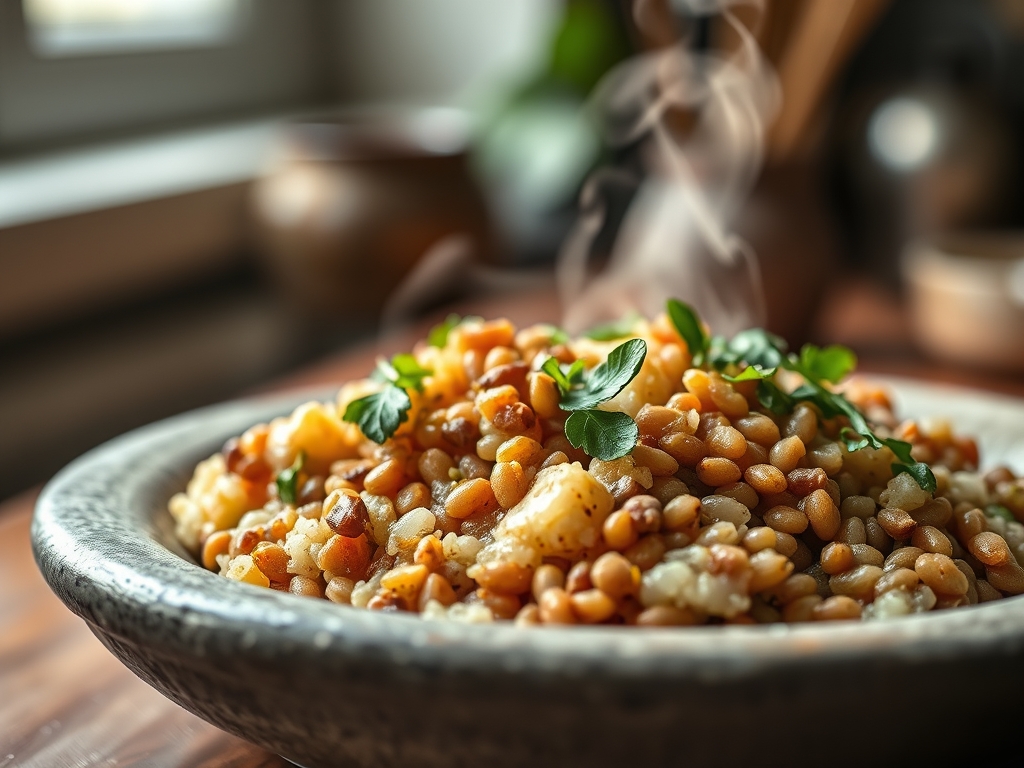
Look at the Masterclass photo above. Notice the individual definition of each lentil; they are plump but not ruptured. If your result looks like a dull, grey paste, you have over-hydrated the matrix. Technical Fix: Reduce liquid by 10% in the next iteration. If the color is muted, you likely skipped the acidic finish. A splash of lemon juice or red wine vinegar will deglaze the palate and brighten the visual "pop" of the dish. Uneven browning at the bottom of the pot indicates a "hot spot" in the heating element; stirring once halfway through the cycle (though usually discouraged) can mitigate this in lower-end hardware.
THE DEEP DIVE
Macro Nutrition Profile
A single serving of Rice Cooker Lentils is a powerhouse of metabolic efficiency. You are looking at approximately 18g of protein and 15g of fiber per cooked cup. The glycemic index is remarkably low, meaning the energy release is sustained rather than a spike and crash. It is a high-density fuel source for any high-performance lifestyle.
Dietary Swaps
- Vegan: Use high-quality vegetable bouillon or mushroom dashi to infuse umami without animal fats.
- Keto: While lentils are higher in carbs, you can reduce the portion size and serve them as a "texture garnish" over fatty proteins.
- GF: Naturally gluten-free, but ensure your stock is certified to avoid cross-contamination.
Meal Prep & Reheating Science
To maintain molecular structure during storage, cool the lentils rapidly by spreading them on a chilled sheet tray. When reheating, add 15ml of water per cup of lentils to re-hydrate the starch. Use a microwave-safe cover to trap steam, or better yet, use a saucier on low heat to gently aerate and warm the pulses without scorching the sugars.
THE KITCHEN TABLE
Can I cook lentils and rice together?
Yes, but you must match the hydration requirements. Use parboiled rice or soak your brown rice for 30 minutes prior to the cycle. This ensures both components reach peak texture simultaneously without one becoming a viscous slurry.
Why are my lentils still tough after 45 minutes?
This is likely a pH issue or aged product. Acidic ingredients like tomatoes or vinegar should only be added after the cook cycle. Adding them too early strengthens the cell walls and prevents the lentils from softening.
Do I need to soak lentils before using the rice cooker?
For green and brown lentils, soaking is optional but recommended for improved digestion. If you do soak, reduce the cooking liquid by 50ml to account for the water already absorbed by the pulse during the pre-soak phase.
Can I use the "Keep Warm" setting for long periods?
Limit the "Keep Warm" duration to 60 minutes. Beyond this, the residual heat will continue to cook the lentils, eventually breaking down the pectin and turning your structured pulses into a soft, unappealing mash.