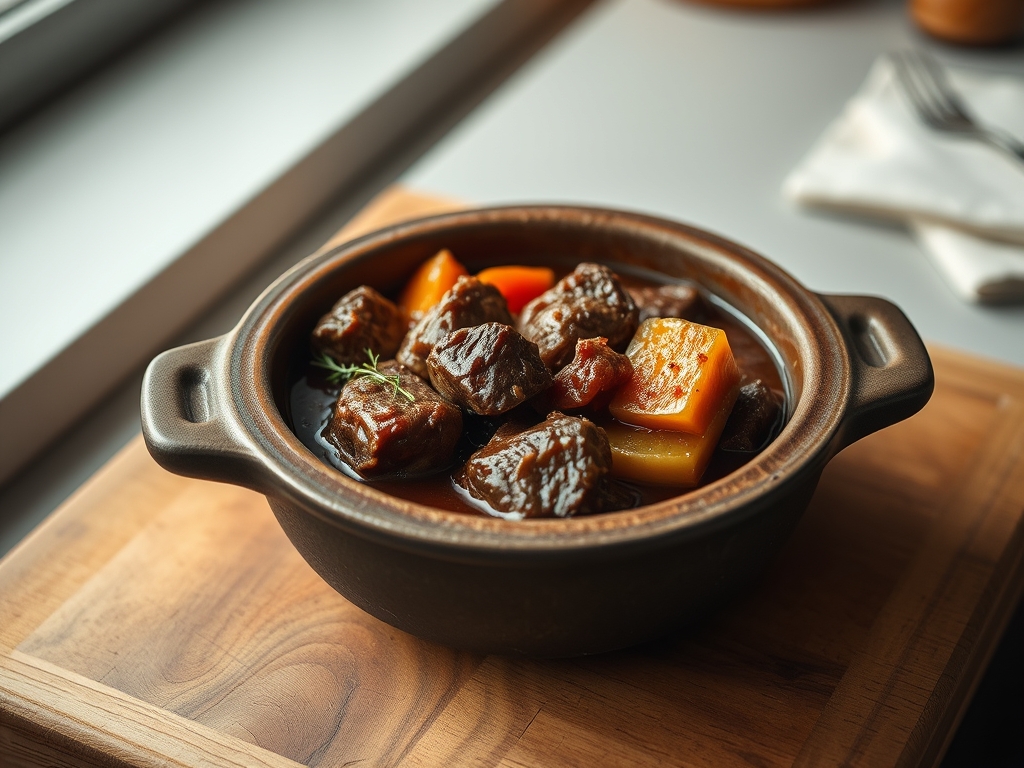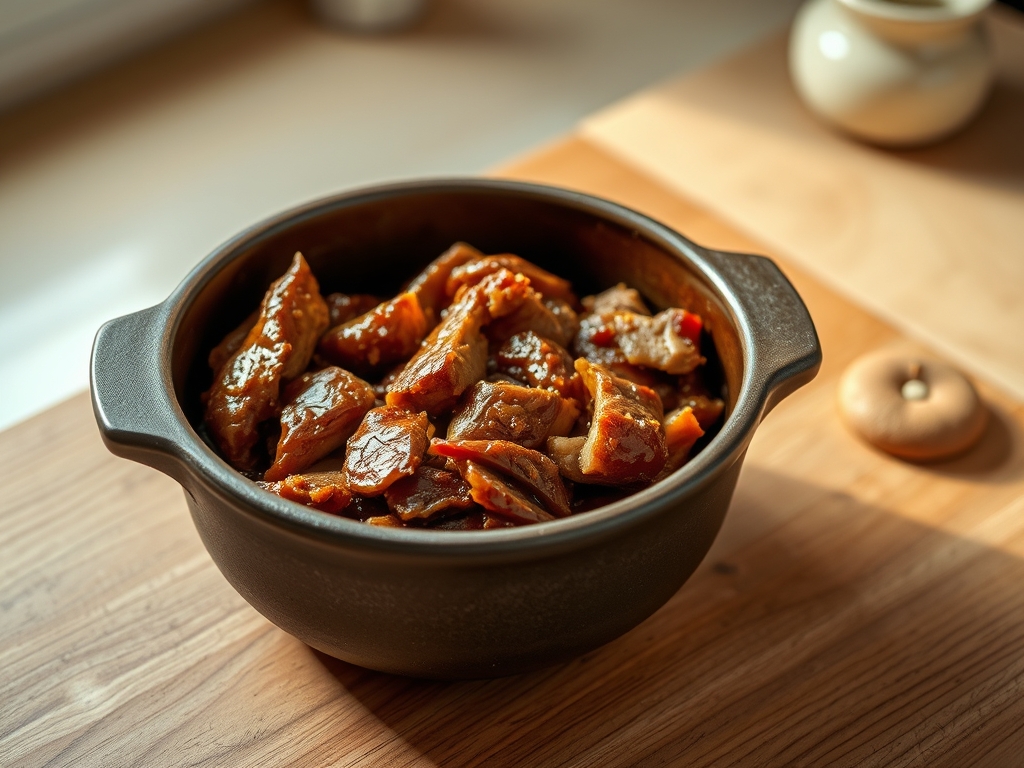
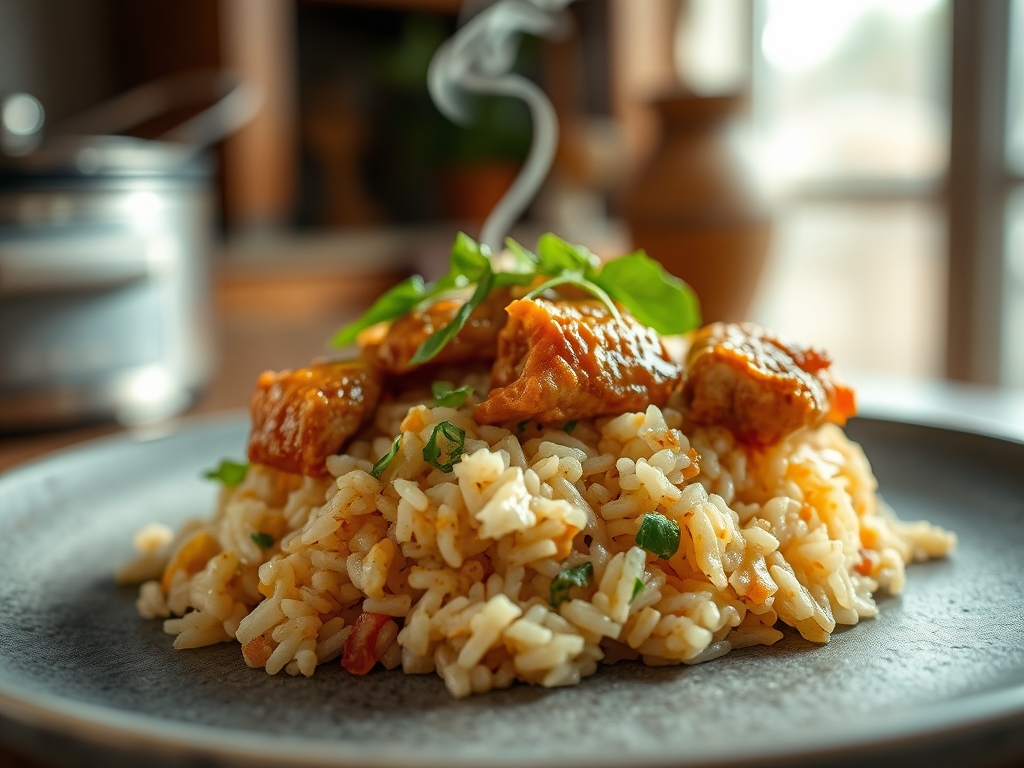
Stop settling for the fragmented mediocrity of a dry protein sitting atop a separate pile of uninspired grains. We are here to discuss the total integration of flavor; we are here to master the Rice Cooker Chicken Rice protocol. This is not merely a meal; it is a structural marvel where the lipids from the poultry infuse directly into the starch lattice of the grain. Imagine the steam rising as you pop the lid; a cloud of ginger and garlic vapors hits your face while the chicken sits glistening, perfectly rendered, and succulent. The rice beneath has undergone a total transformation, absorbing every drop of chicken essence and aromatics until it reaches a state of savory perfection. This is the ultimate efficiency play for the modern culinary architect. By utilizing the sealed environment of a high quality rice cooker, we create a pressurized flavor chamber that forces hydration into the grain while simultaneously poaching the meat in its own juices. It is fast, it is precise, and it is scientifically superior to the traditional two-pot method.
THE DATA MATRIX
| Metric | Specification |
|---|---|
| Prep Time | 15 Minutes |
| Execution Time | 35 Minutes |
| Yield | 4 Servings |
| Complexity | 3/10 |
| Estimated Cost per Serving | $2.75 USD |
THE GATHERS
Ingredient Protocol:
- 300g / 2 cups Jasmine Rice (Long-grain is non-negotiable)
- 450g / 1 lb Chicken Thighs (Skin-on, bone-in for maximum collagen)
- 400ml / 1.7 cups Low-sodium Chicken Stock
- 30ml / 2 tbsp Light Soy Sauce
- 15ml / 1 tbsp Toasted Sesame Oil
- 40g / 3 tbsp Fresh Ginger (Julienned)
- 4 cloves Garlic (Smashed)
- 5ml / 1 tsp Kosher Salt
- 2 stalks Scallions (Finely sliced for garnish)
Section A: Ingredient Quality Audit:
Sub-par materials lead to structural failure. If your rice is old, it will be excessively brittle and lack the necessary moisture to aerate properly; fix this by soaking the grains for 10 minutes prior to cooking. If your chicken lacks skin, you lose the essential fats required to create a viscous mouthfeel. In this case, supplement with an extra tablespoon of schmaltz or butter. If the ginger is fibrous and woody, grate it into a paste rather than slicing to ensure the flavor distributes evenly without leaving behind unpleasant textures.
THE MASTERCLASS
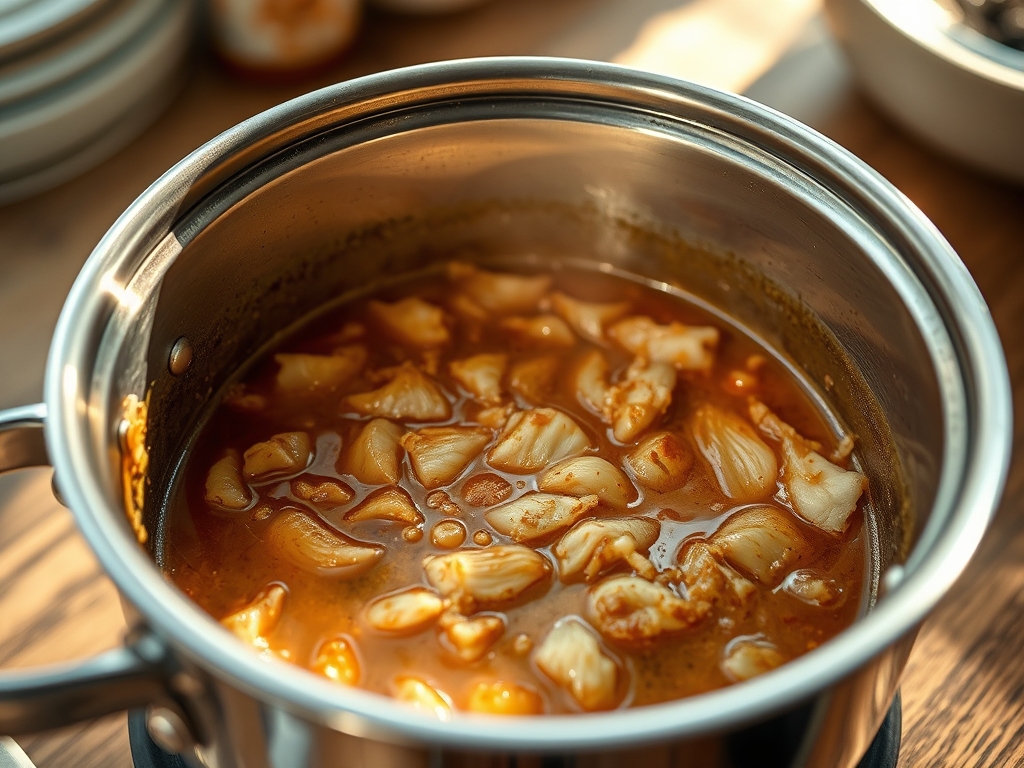
1. The Starch Purification
Place your jasmine rice in a fine-mesh strainer and rinse under cold water until the runoff is crystal clear. Use a digital scale to ensure your rice-to-liquid ratio is exact.
Pro Tip: Removing excess surface starch prevents the grains from clumping into a gummy mass. This ensures each grain remains distinct and capable of being coated in the rendered chicken fat.
2. The Aromatic Foundation
Place the cleaned rice into the cooker insert. Add the chicken stock, soy sauce, sesame oil, and salt. Stir gently with a silicone spatula to ensure the seasoning is homogenized. Layer the smashed garlic and julienned ginger directly on top of the rice.
Pro Tip: Aromatics should sit on top of the rice rather than being mixed in. This allows the volatile oils to infuse the steam, which then permeates the chicken and rice from the top down.
3. Protein Positioning
Season the chicken thighs aggressively with salt and pepper. Place them skin-side up on top of the rice bed. Ensure they are not overlapping to allow for even heat distribution.
Pro Tip: Using a bench scraper to move your prepared aromatics and chicken helps maintain a clean workspace and ensures no flavor-packed juices are lost on the cutting board.
4. The Thermal Cycle
Close the lid and select the "Normal" or "White Rice" setting. If your cooker has a "Claypot" mode, use it to encourage a slight crust at the bottom of the insert.
Pro Tip: The rice cooker acts as a precision saucier, using sensors to detect when all liquid has been absorbed. Do not open the lid during the cycle, as this will cause a catastrophic loss of pressure and steam.
5. The Rest and Fluff
Once the timer sounds, let the unit sit on "Keep Warm" for 10 minutes. Remove the chicken to a carving board. Use a rice paddle to gently fold the rice, incorporating the ginger and garlic.
Pro Tip: Resting allows the internal moisture in the chicken to redistribute. If you cut it immediately, the juices will escape, leaving the protein dry and the rice soggy.
Section B: Prep & Timing Fault-Lines:
The most common human error is the "Early Peek." Opening the lid mid-cycle drops the internal temperature by up to 30 degrees, ruining the starch gelatinization process. Another failure point is incorrect chicken sizing; if your thighs are excessively large, they may require a quick sear in a pan first to ensure they reach a safe internal temperature of 165F within the rice cooker's standard cycle.
THE VISUAL SPECTRUM
Section C: Thermal & Visual Troubleshooting:
Look at the Masterclass photo above. Notice the golden hue of the rice; this is achieved through the piquant blend of soy and sesame oil. If your rice looks pale or ghostly, increase the soy sauce or add a pinch of turmeric for color. If the chicken skin looks flaccid rather than taut and glistening, it means the steam was too "wet." You can fix this by quickly finishing the chicken under a broiler for 2 minutes after the rice is done. The rice should be fluffy and individual, not a singular block. If it looks like porridge, you used too much liquid; reduce the stock by 30ml in your next iteration.
THE DEEP DIVE
Macro Nutrition Profile:
A standard serving provides approximately 550 calories, 35g of protein, 65g of carbohydrates, and 18g of fat. The fat content is primarily monounsaturated if using high-quality chicken and sesame oil, which supports nutrient absorption.
Dietary Swaps:
- Vegan: Replace chicken with thick slabs of king oyster mushrooms or firm tofu. Use vegetable bouillon and add a teaspoon of liquid smoke to mimic the savory depth of meat.
- Keto: This dish is fundamentally starch-based, but you can substitute rice with cauliflower pearls. Reduce the liquid by 70% as cauliflower does not absorb water like grain.
- GF: Ensure your soy sauce is certified gluten-free or use tamari.
Meal Prep & Reheating Science:
To maintain the molecular structure during reheating, add a teaspoon of water to the rice before microwaving. This creates a localized steam environment that re-hydrates the starch granules, preventing them from becoming hard and "chalky" due to retrogradation.
THE KITCHEN TABLE
Why is my rice sticking to the bottom?
Most cookers have a non-stick coating, but high sugar content in sauces can cause scorching. Ensure your soy sauce is well-mixed into the liquid before adding the rice to prevent it from settling at the bottom.
Can I use chicken breast instead of thighs?
You can, but the risk of overcooking is high. Breasts lack the connective tissue and fat of thighs, meaning they may become stringy. If using breast, cut them into large chunks to preserve moisture.
How do I get the "crispy" bottom?
If your rice cooker has a "crust" or "brown" setting, use it. Otherwise, once the cycle finishes, let it run for an additional 5 minutes on the cook setting if your machine allows manual overrides.
Is it safe to cook raw chicken with rice?
Absolutely. The internal temperature of a rice cooker exceeds 212F (100C), which is more than sufficient to kill foodborne pathogens. The chicken and rice reach safety parity simultaneously.