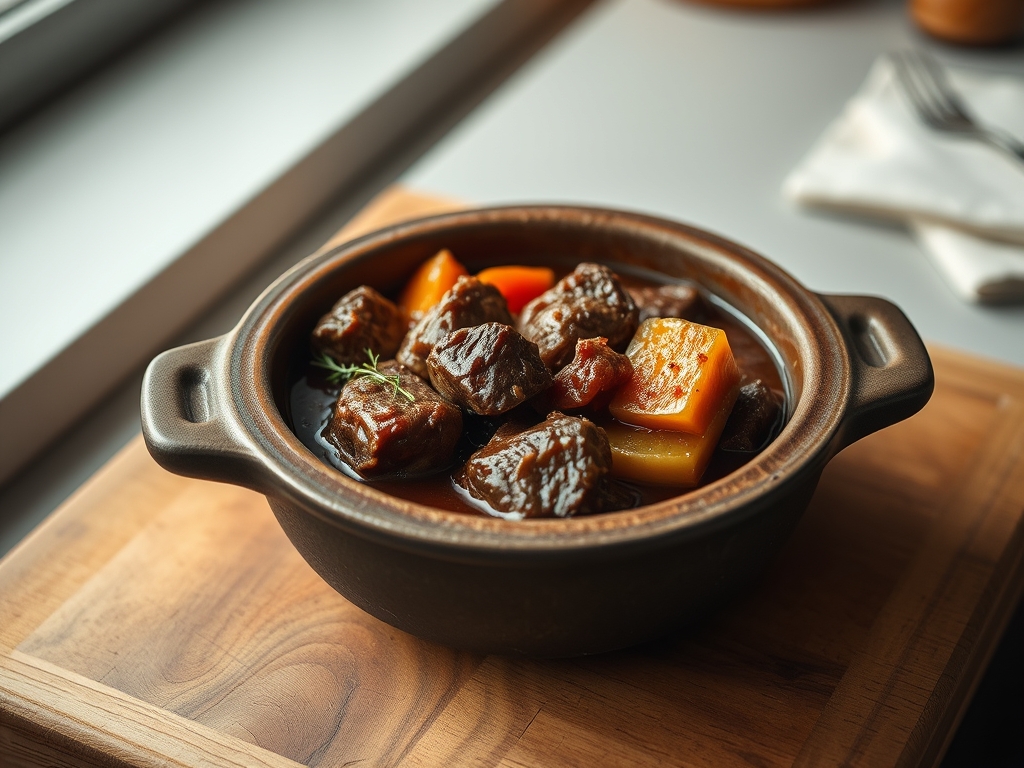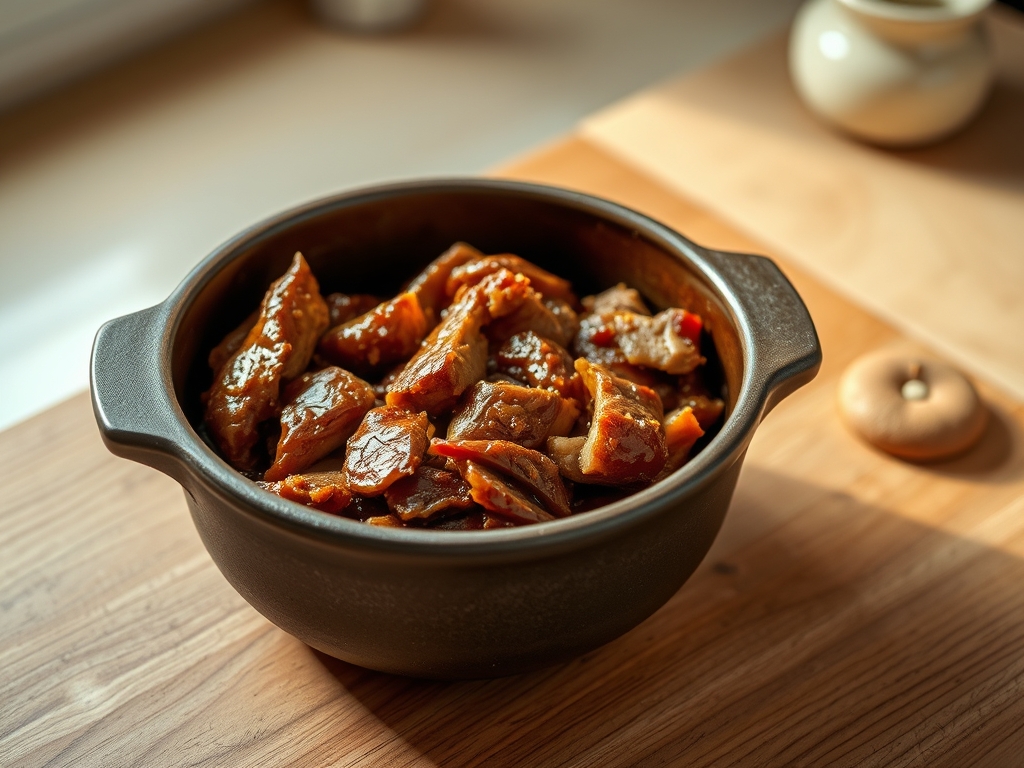
Listen to the sound of high-pressure steam. That hiss is not just a release of atmospheric tension; it is the sound of collagen surrendering to the inevitable. When we discuss Instant Pot Beef Tips, we are not talking about a casual weeknight stew. We are conducting a high-stakes audit of protein denaturation and lipid suspension. The goal is simple: transform tough, fibrous cubes of chuck into butter-soft morsels bathed in a gravy so thick it defies the laws of Newtonian physics. This is where the Maillard reaction meets the mechanical efficiency of a pressure vessel. If your current gravy is a thin, watery disappointment, you have failed the emulsification test. We are here to fix the architecture of your dinner. We want a sauce that is viscous, glossy, and deeply piquant. We want beef that collapses at the mere suggestion of a fork. By the time the pressure pin drops, your kitchen should smell like a five-star steakhouse that has been compressed into a six-quart stainless steel insert.
THE DATA MATRIX
| Metric | Specification |
|---|---|
| Prep Time | 15 Minutes |
| Execution Time | 45 Minutes |
| Yield | 4 to 6 Servings |
| Complexity | 4 / 10 |
| Estimated Cost per Serving | $4.50 USD |
THE GATHERS
Ingredient Protocol:
- 900g / 2 lbs Beef Chuck or Sirloin Tips, cubed into 1.5-inch pieces.
- 30ml / 2 tbsp Neutral Oil (Grape-seed or Avocado).
- 150g / 1 Large Yellow Onion, diced.
- 225g / 8 oz Cremini Mushrooms, sliced.
- 15g / 3 cloves Garlic, minced.
- 475ml / 2 cups Beef Bone Broth (Low Sodium).
- 30ml / 2 tbsp Worcestershire Sauce.
- 5g / 1 tsp Dried Thyme.
- 10g / 2 tsp Kosher Salt.
- 3g / 1 tsp Fresh Cracked Black Pepper.
- 45g / 3 tbsp Cornstarch.
- 45ml / 3 tbsp Cold Water.
Section A: Ingredient Quality Audit:
The primary failure point in most Instant Pot Beef Tips is the selection of the protein. If you choose a lean cut like Round Steak, the high-pressure environment will squeeze out every drop of moisture, leaving you with beef-flavored wood chips. Solution: Audit your fat content. Use Chuck Roast for maximum collagen-to-gelatin conversion. If the meat looks grey or oxidized, it lacks the myoglobin necessary for a deep flavor profile. Another common audit failure is the broth. Store-bought "beef water" lacks the gelatinous body required for a superior mouthfeel. If your broth is thin, infuse it with a teaspoon of unflavored gelatin before starting the program to mimic a long-simmered stock.
THE MASTERCLASS
Step 1: The Maillard Initiation
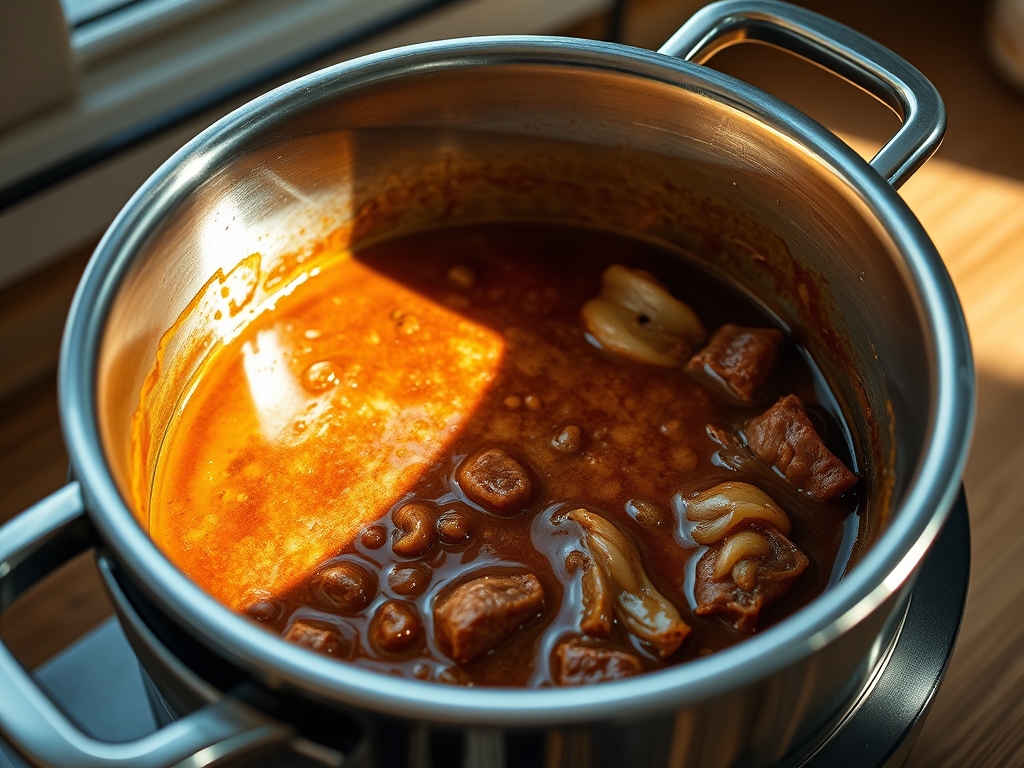
Set your pressure cooker to the "Sauté" function on the highest setting. Pat the beef dry with paper towels to ensure zero surface moisture. Once the oil reaches its smoke point, sear the beef in batches. Do not overcrowd the liner.
Pro Tip: Use a bench scraper to move the meat efficiently and ensure you are not tearing the fibers. Searing creates the complex flavor compounds known as melanoidins. If you skip this, your gravy will lack depth and color.
Step 2: Aromatics and Deglazing
Remove the beef. Add the onions and mushrooms to the rendered fat. Sauté until the onions are translucent and the mushrooms have released their liquid. Add the garlic for the final 30 seconds. Pour in 100ml of the broth and use a wooden spoon to deglaze the bottom of the pot.
Pro Tip: This is a critical audit point. Any burnt bits (fond) left on the bottom will trigger a "Burn" notice. Use your saucier skills to scrape every molecule of flavor into the liquid.
Step 3: Pressure Application
Return the beef to the pot along with the remaining broth, Worcestershire sauce, thyme, salt, and pepper. Secure the lid and set the valve to "Sealing." Program the unit for 25 minutes at High Pressure.
Pro Tip: Use a digital scale to measure your seasonings. Consistency is the hallmark of a professional kitchen. Precise salinity ensures the protein fibers relax without becoming oversalted.
Step 4: The Slurry Emulsification
Once the timer expires, allow a 10-minute natural pressure release. Manually release the remaining steam. Whisk the cornstarch and cold water in a small bowl to create a slurry. Set the pot back to "Sauté" and stir in the slurry until the sauce is viscous and bubbling.
Pro Tip: Do not add dry starch directly to hot liquid or it will clump into "fish eyes." A cold slurry allows the starch granules to swell evenly, creating a smooth, stable emulsion.
Section B: Prep & Timing Fault-Lines:
The most common human error is the "Quick Release" trap. If you vent the steam immediately after the cycle ends, the sudden drop in pressure causes the moisture inside the beef to boil violently and escape, resulting in tough meat. Always allow at least 10 minutes for the internal temperature to stabilize. Another fault-line is the "Sauté" temperature. If the pot is not hot enough before the beef hits the stainless steel, the meat will steam in its own juices rather than sear. Use an infrared thermometer to ensure the surface is at least 400 degrees Fahrenheit.
THE VISUAL SPECTRUM
Section C: Thermal & Visual Troubleshooting:
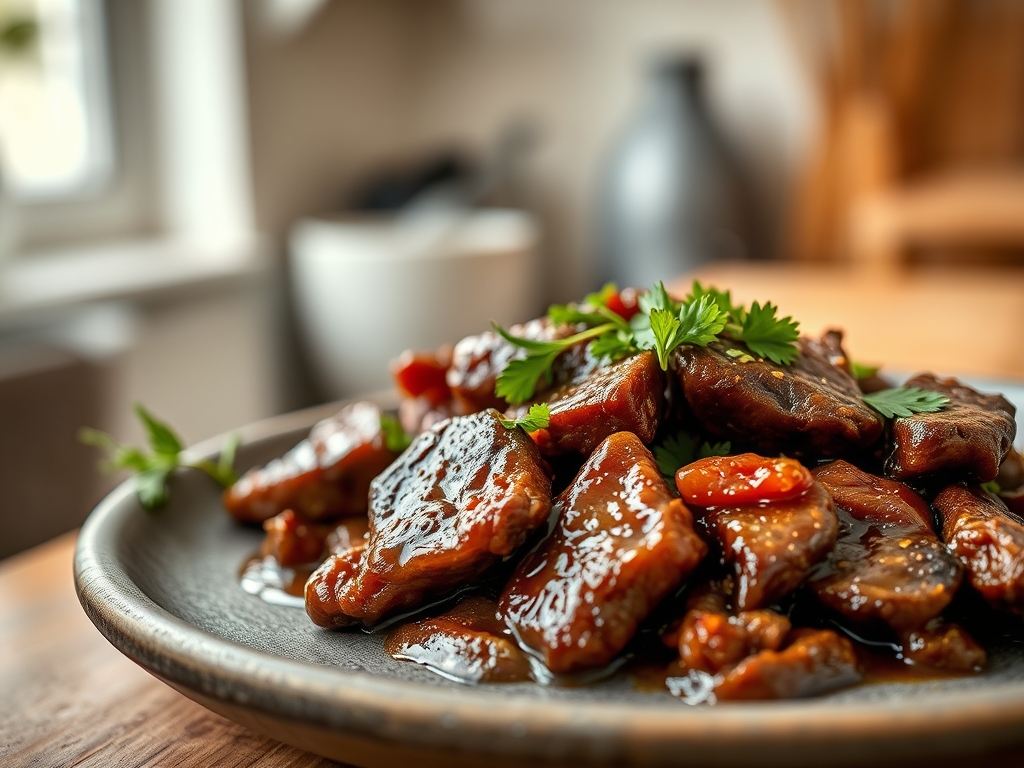
Referencing the Masterclass photo above, notice the deep mahogany hue of the gravy. If your sauce looks pale or beige, you failed to deglaze properly or cut the sear time too short. The mushrooms should appear plump and saturated, not shriveled. If the beef looks "shreddy" rather than holding its cube shape, you over-pressurized the vessel.
If the gravy is breaking (oil separating from the liquid), you have a failed emulsion. To fix this, aerate the sauce by whisking vigorously while adding a splash of cold broth. This mechanical action re-incorporates the fats into the water-based liquid. A glossy sheen indicates a perfect starch-to-fat ratio.
THE DEEP DIVE
Macro Nutrition Profile:
A standard serving of these beef tips provides approximately 340 calories, 32g of protein, 18g of fat, and 12g of carbohydrates. The high protein content makes this an excellent recovery meal, while the collagen-rich sauce supports joint health.
Dietary Swaps:
- Keto: Replace the cornstarch slurry with 4 oz of heavy cream or 1/2 tsp of xanthan gum.
- Gluten-Free: Ensure your Worcestershire sauce is certified GF and use arrowroot powder instead of cornstarch.
- Vegan: This is a "Beef" audit, but for a plant-based version, use king oyster mushrooms and seitan chunks with a mushroom-based "Better Than Bouillon" base.
Meal Prep & Reheating Science:
When reheating, the molecular structure of the starch can undergo retrogradation, making the gravy look like jelly. Do not microwave on high. Instead, reheat in a small saucepan over low heat, adding a tablespoon of water to re-hydrate the emulsion. This prevents the proteins from becoming rubbery.
THE KITCHEN TABLE
Why is my beef still tough after 25 minutes?
You likely used a cut with too much connective tissue and not enough marinating time. Or, you performed a quick pressure release. Let it sit longer next time; the residual heat is your best friend for tenderization.
Can I use frozen beef for this recipe?
Yes, but increase the pressure cook time to 35 minutes. Note that you will lose the ability to sear the meat effectively, which will result in a significant loss of flavor depth and a lighter-colored gravy.
How do I get a darker gravy without burning it?
Add a teaspoon of "Kitchen Bouquet" or a dash of dark soy sauce. These provide an instant aesthetic upgrade and a boost of umami without requiring an extended sear that might dry out smaller cubes of beef.
What is the best side dish for emulsified gravy?
Mashed potatoes or wide egg noodles are the gold standard. They provide a high-surface-area substrate that allows the viscous sauce to cling to every bite. Avoid rice unless it is a sticky, short-grain variety.