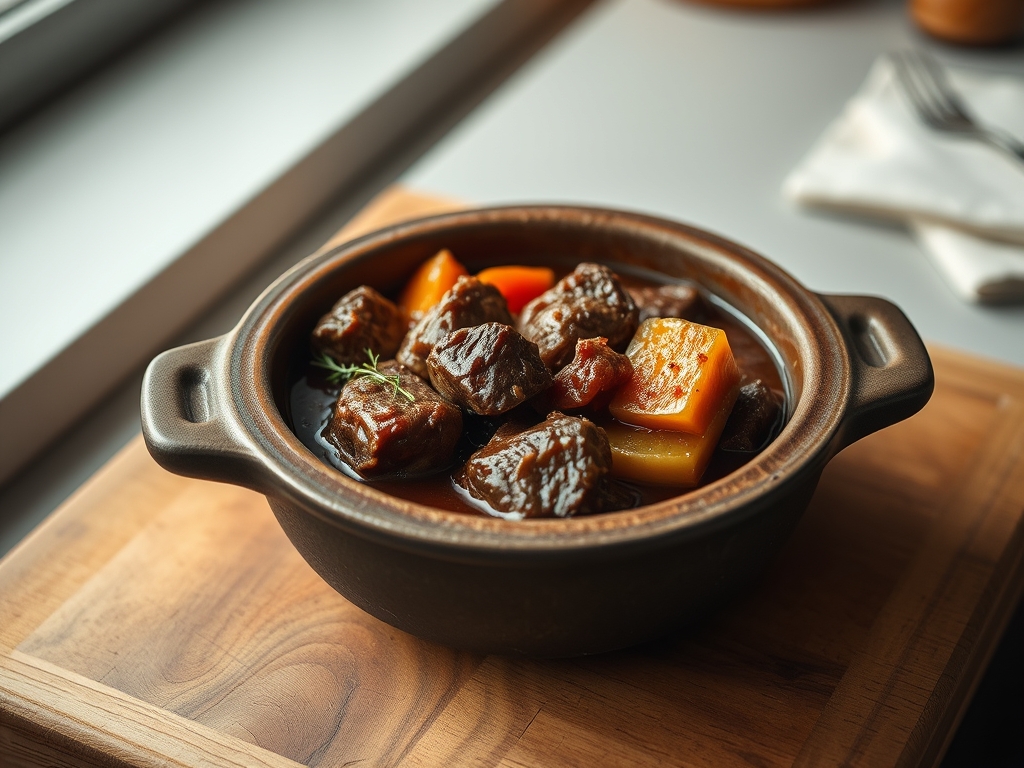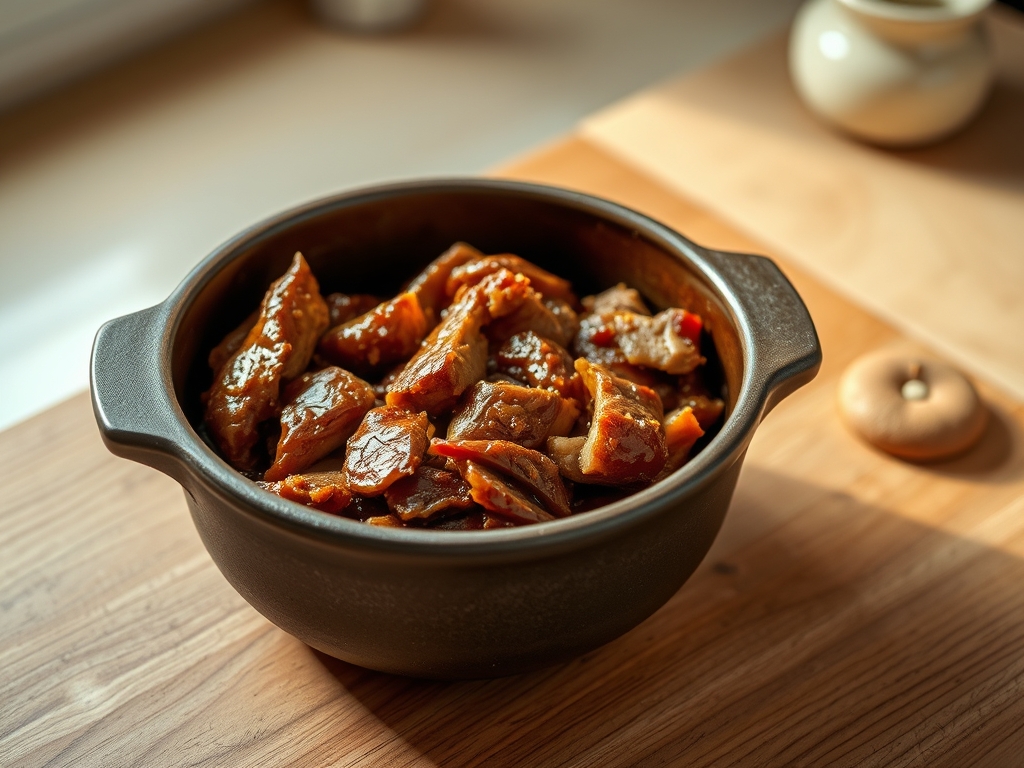
Stop treating your dinner like a casual suggestion and start treating it like a high-stakes logistical operation. We are here to discuss the structural integrity of protein fibers and the hydraulic management of capsaicin-infused liquids. When you approach Slow Cooker Salsa Chicken, you aren't just tossing poultry into a ceramic basin; you are initiating a long-term thermal breakdown of connective tissue designed to maximize moisture retention. The goal is a finished product that is succulent, piquant, and structurally sound enough to withstand the rigors of a meal-prep container or a high-pressure taco night. Most home cooks fail because they treat salsa as a condiment rather than a pressurized braising medium. We are going to change that. We are looking for the perfect intersection of acidic denaturation and gentle heat. If your chicken comes out of the pot looking like dry, stringy dental floss, you have failed the audit. Follow this protocol to ensure your kitchen infrastructure supports a world-class output every single time.
THE DATA MATRIX
| Metric | Specification |
|---|---|
| Prep Time | 10 Minutes |
| Execution Time | 4 to 8 Hours (Model Dependent) |
| Yield | 6 to 8 Servings |
| Complexity | 2 / 10 |
| Estimated Cost per Serving | $1.85 USD |
THE GATHERS
Ingredient Protocol:
- 900g / 2 lbs Boneless, Skinless Chicken Breasts or Thighs
- 475ml / 2 cups Chunky Tomato-Based Salsa
- 15ml / 1 tbsp Ground Cumin
- 10ml / 2 tsp Smoked Paprika
- 5ml / 1 tsp Garlic Powder
- 5ml / 1 tsp Onion Powder
- 2.5ml / 0.5 tsp Cayenne Pepper (Optional for heat)
- 15ml / 1 tbsp Fresh Lime Juice
- 30g / 0.25 cup Fresh Cilantro, chopped
Section A: Ingredient Quality Audit:
Sub-par raw materials are the primary cause of systemic failure in Slow Cooker Salsa Chicken. If your salsa is too viscous, it will fail to penetrate the protein fibers; if it is too watery, you will end up with a bland soup. Audit Fix: Always check the water content of your salsa. If using a thin, "restaurant-style" salsa, reduce the volume slightly and add 5ml of tomato paste to increase the body. Regarding the protein, avoid "woody" chicken breasts which have a rubbery texture due to muscle myopathy. If the raw meat feels unnaturally firm or has white striations, reject it. Use a digital scale to ensure your ratios are exact; guessing leads to inconsistent seasoning profiles.
THE MASTERCLASS
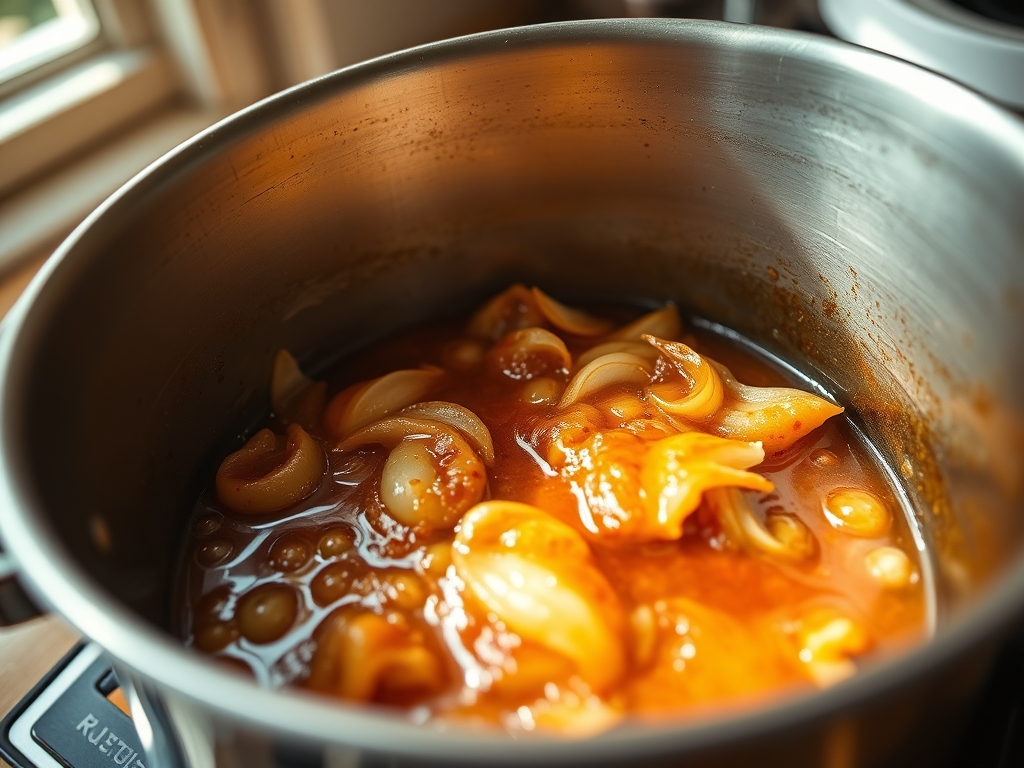
1. Protein Alignment and Seasoning
Place the chicken in a single layer at the base of the slow cooker insert. Use a bench scraper to move any stray trimmings and ensure a clean workspace. Dust the spices evenly over the surface of the meat.
Pro Tip: This is the dry-rub phase. By applying spices directly to the meat before adding liquid, you allow the salt to begin the process of osmosis, pulling flavors deeper into the muscle fibers before the salsa creates a barrier.
2. The Liquid Application
Pour the salsa over the seasoned chicken. Use a silicone spatula to ensure every square centimeter of the protein is submerged or coated. This prevents the top of the chicken from drying out during the long thermal cycle.
Pro Tip: The acidity in the salsa (from tomatoes and lime) acts as a chemical tenderizer. It works in tandem with the low heat to render down tough fibers without over-coagulating the proteins.
3. Thermal Execution
Secure the lid and set the device to "Low" for 6 to 7 hours or "High" for 3 to 4 hours. Resistance is futile; do not lift the lid. Every time you open the cooker, you lose significant thermal energy and moisture.
Pro Tip: Use a digital probe thermometer to check for an internal temperature of 74C (165F). Overcooking by even 5 degrees can cause the fibers to squeeze out their internal juices, resulting in a dry mouthfeel despite the presence of sauce.
4. The Shredding Protocol
Remove the chicken to a large stainless steel bowl or a saucier. Use two forks or a stand mixer with the paddle attachment to shred the meat into uniform strands. Return the shredded meat to the liquid in the pot.
Pro Tip: Shredding the meat while it is hot allows the frayed edges of the protein to infuse with the concentrated cooking liquid. This is the secret to "moisture retention" logistics; the meat acts like a sponge for the salsa reduction.
Section B: Prep & Timing Fault-Lines:
Timing errors are usually the result of "set it and forget it" negligence. If you leave the chicken on the "Warm" setting for more than two hours after the cycle ends, the meat will continue to cook via residual heat, leading to a mushy texture. Audit Fix: If you are not home to monitor the finish, use a programmable slow cooker that switches to a low-wattage "Keep Warm" mode immediately. If the sauce is too thin at the end, do not keep cooking the meat. Instead, remove the chicken, pour the liquid into a saucier, and reduce it on the stovetop over high heat until it reaches the desired viscosity.
THE VISUAL SPECTRUM
Section C: Thermal & Visual Troubleshooting:
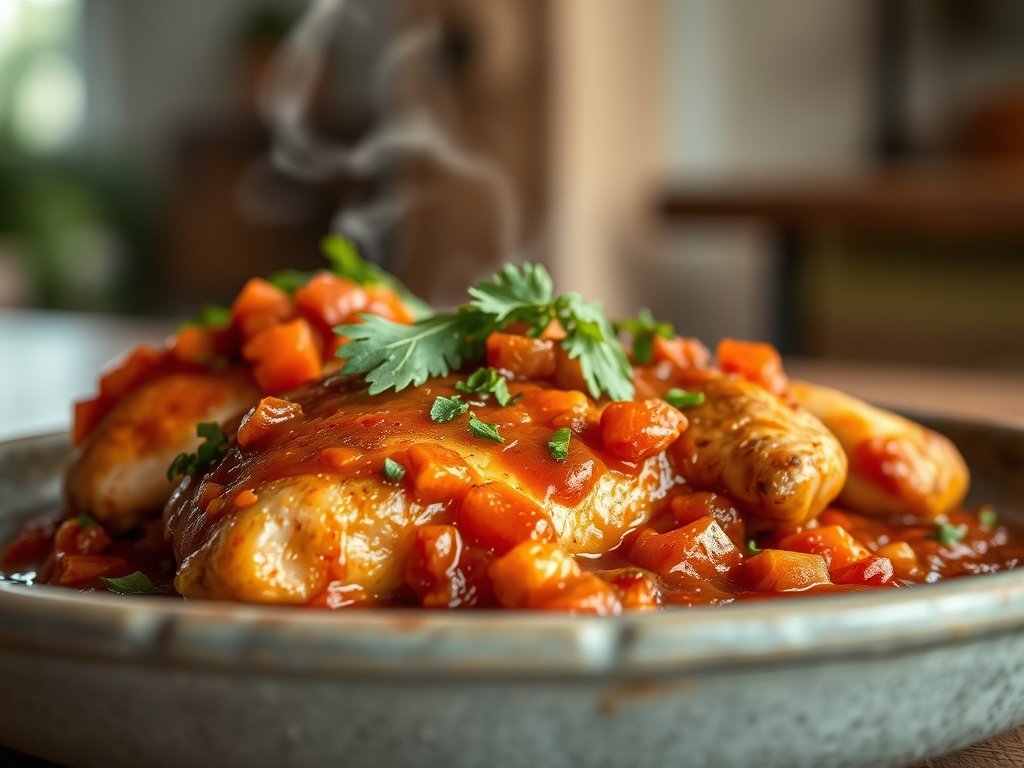
The Masterclass photo illustrates a vibrant, reddish-orange hue with visible chunks of vegetable matter. If your dish looks grey or washed out, you likely lacked enough paprika or used a low-quality salsa. Audit Fix: To fix dull colors, stir in a teaspoon of tomato paste or a dash of adobo sauce from a can of chipotles. If the chicken looks "hairy" or excessively shredded, you over-processed it. Aim for distinct, recognizable strands. If you see a layer of oil on top, your chicken thighs had excess fat that did not emulsify into the sauce. Use a fat separator or a chilled spoon to skim the surface before serving.
THE DEEP DIVE
Macro Nutrition Profile:
A standard 150g serving provides approximately 180 calories, 30g of protein, 4g of fat, and 6g of carbohydrates. This makes it an elite-tier fuel source for those prioritizing high protein-to-calorie ratios.
Dietary Swaps:
- Vegan: Replace chicken with canned jackfruit or extra-firm tofu blocks. Reduce cooking time to 2 hours on low.
- Keto: Ensure the salsa has no added sugars. Serve over cauliflower rice instead of tortillas.
- GF: This dish is naturally gluten-free; however, audit your spice blends for hidden anti-caking agents that may contain wheat derivatives.
Meal Prep & Reheating Science:
To maintain the molecular structure during reheating, avoid the microwave if possible. Reheat in a small pan over medium heat, adding a splash of chicken bone broth to aerate the sauce and prevent the meat from toughening. If you must use a microwave, cover the dish tightly to create a steam chamber.
THE KITCHEN TABLE
Why is my chicken tough even after 8 hours?
You likely used the "High" setting for too long. High heat causes protein fibers to contract violently. For the best structural integrity, always use the "Low" setting to allow for gradual collagen breakdown.
Can I use frozen chicken breasts?
From a food safety standpoint, it is discouraged. Frozen meat takes too long to reach the "safe zone" temperature, potentially allowing bacterial growth. Always thaw your protein in the refrigerator before initiating the protocol.
How do I make the sauce thicker?
Remove the lid for the final 30 minutes of cooking. This allows steam to escape and encourages evaporation. Alternatively, whisk in a small cornstarch slurry (5ml starch to 10ml water) during the final stages.
Can I add vegetables like peppers?
Yes, but add them in the final 60 minutes. Vegetables have a higher water content and lower structural density; adding them too early results in a localized "flood" that dilutes your salsa's flavor profile.