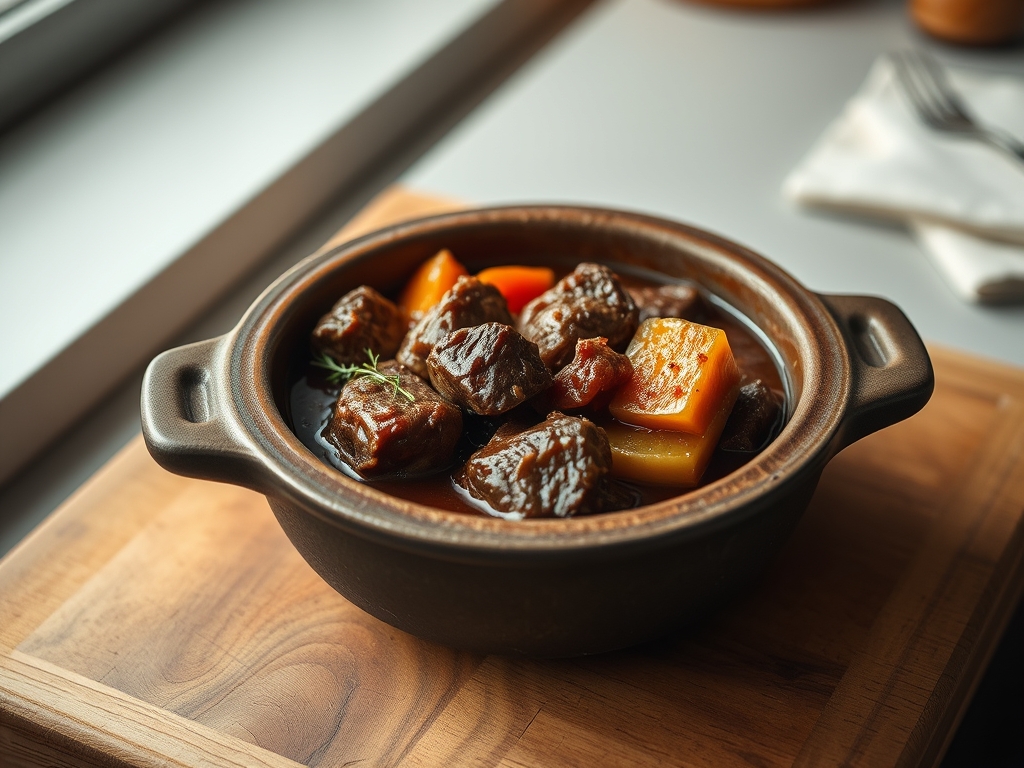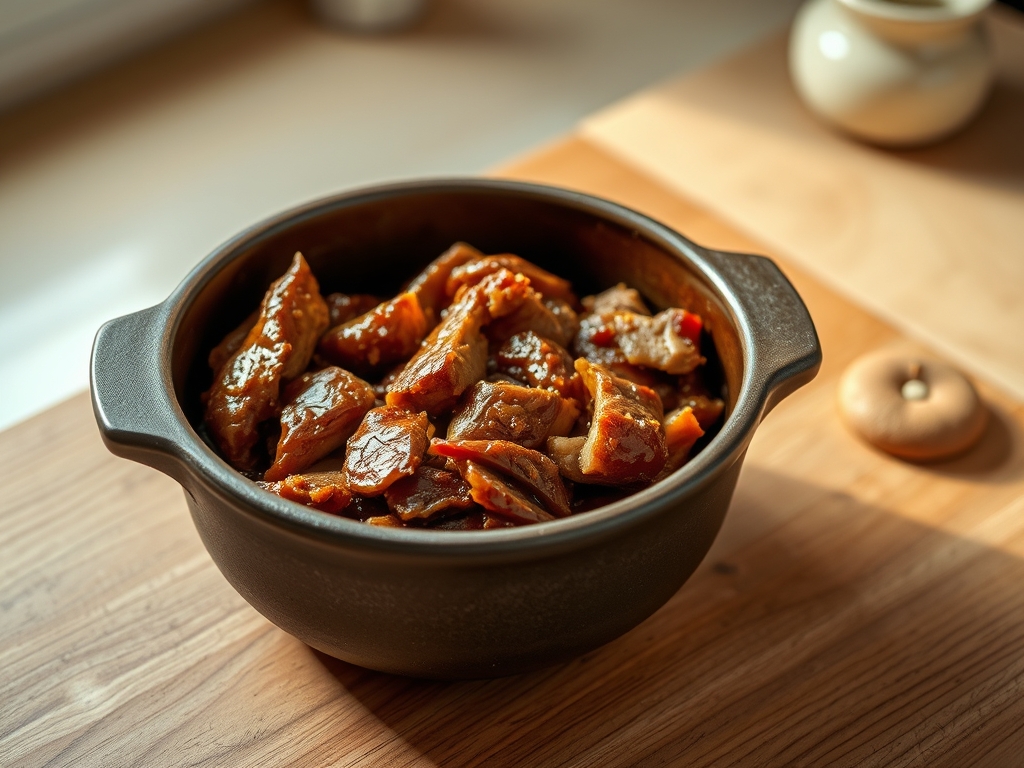
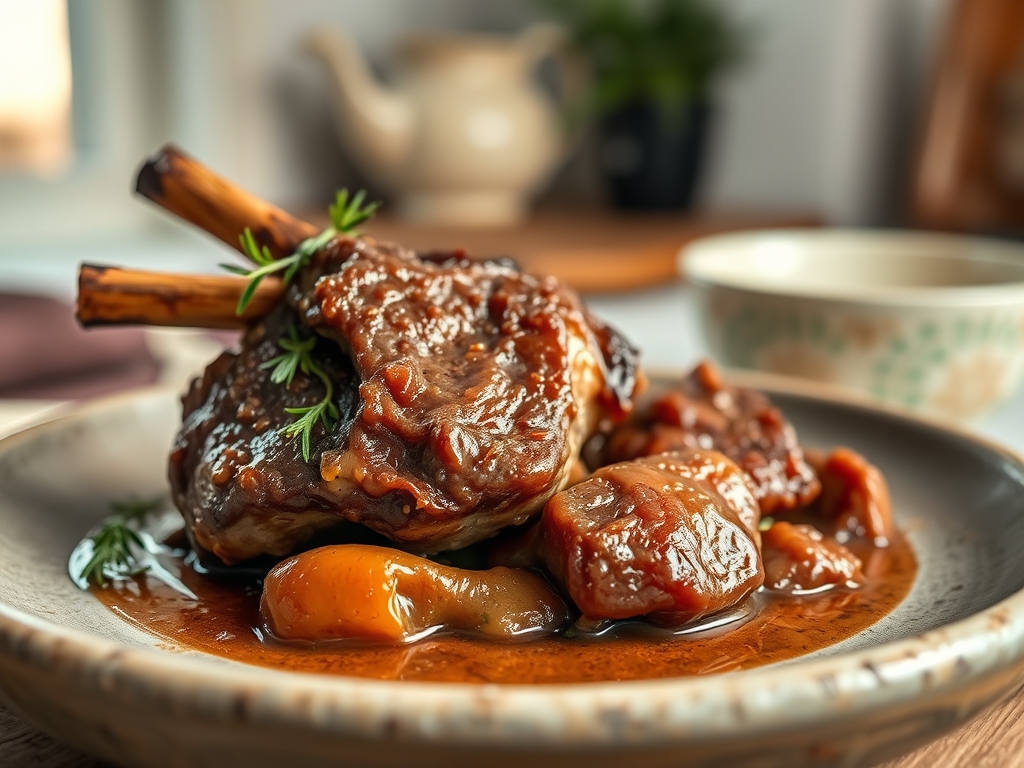
Listen closely because we are about to engage in a high stakes anatomical deconstruction of the ovine hindquarter. We are not just making dinner; we are conducting a precision-engineered marrow extraction. The Slow Cooker Lamb Shank is the ultimate test of your patience and your understanding of connective tissue degradation. This is the art of turning a tough, collagen-dense muscle into a viscous, silk-textured masterpiece that falls away from the bone at the mere suggestion of a fork. Most home cooks treat the slow cooker like a trash bin for raw ingredients, but we are auditors of flavor. We demand Maillard reactions. We demand a rich, piquant reduction that coats the palate without overwhelming it. We are looking for that specific moment when the heat penetrates the center of the bone, liquefying the marrow and infusing the surrounding braising liquid with a depth of flavor that a high-heat sear alone could never achieve. Prepare your station; the audit begins now.
THE DATA MATRIX
| Metric | Specification |
|---|---|
| Prep Time | 25 Minutes |
| Execution Time | 8 Hours (Low) / 5 Hours (High) |
| Yield | 4 Adult Servings |
| Complexity (1-10) | 4 |
| Estimated Cost per Serving | $8.50 – $12.00 |
THE GATHERS
Ingredient Protocol:
- 4 Large Lamb Shanks (Approx. 1.6kg / 3.5 lbs)
- 2 Large Yellow Onions, diced (300g / 10.5 oz)
- 3 Large Carrots, peeled and sliced (250g / 8.8 oz)
- 4 Cloves Garlic, smashed and minced (20g / 0.7 oz)
- Tomato Paste (60ml / 1/4 cup)
- Dry Red Wine, preferably Cabernet or Shiraz (250ml / 1 cup)
- Beef or Lamb Bone Broth (500ml / 2 cups)
- Fresh Rosemary (3 sprigs)
- Fresh Thyme (5 sprigs)
- All-Purpose Flour for dusting (30g / 1/4 cup)
- Kosher Salt and Cracked Black Pepper (To taste)
- Extra Virgin Olive Oil (45ml / 3 tbsp)
Section A: Ingredient Quality Audit:
If your lamb shanks appear pale or lack a thick fat cap, they will likely lack the necessary flavor profile for a deep braise. To fix this, increase your seasoning ratio and ensure a more aggressive sear. If using sub-par, store-bought broth that tastes like salt water, you must infuse it with additional aromatics like leek tops or celery hearts during the slow cook phase to build a more robust foundation. If your red wine is overly sweet, balance the acidity later in the process with a teaspoon of balsamic vinegar or a squeeze of fresh lemon to keep the sauce from becoming cloying.
THE MASTERCLASS
1. The Surface Preparation and Searing Phase
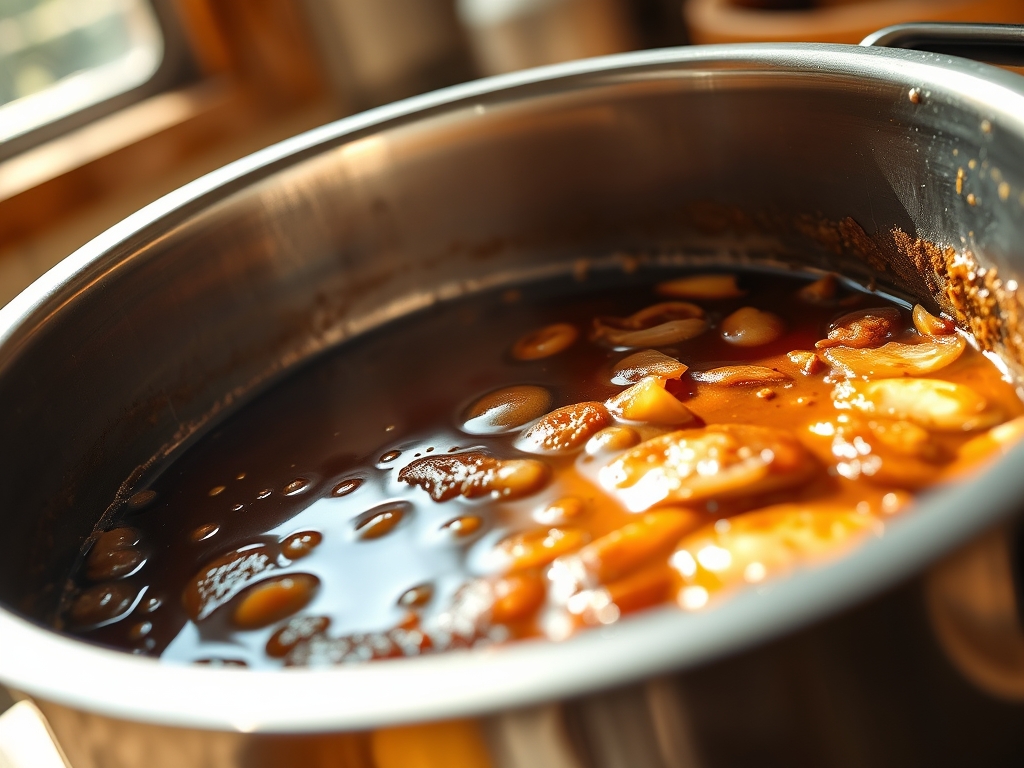
Pat the shanks bone-dry with paper towels. Season aggressively with salt and pepper, then dust lightly with flour. In a heavy-bottomed stainless steel pan or a dedicated saucier, heat the oil until it reaches the shimmering point. Sear the shanks on all sides until a deep, mahogany crust forms.
Pro Tip: This is the Maillard Reaction in action. Use a digital scale to ensure even flour distribution. The crust provides the structural integrity for the meat and creates the "fond" (browned bits) that will eventually thicken your sauce.
2. Deglazing the Flavor Foundation
Remove the meat and set it aside on a clean tray. Add the onions and carrots to the pan, using a bench scraper or wooden spoon to move the vegetables around until they soften. Add the tomato paste and garlic, cooking for two minutes until the paste turns a dark rust color. Pour in the red wine to deglaze the pan, scraping up every bit of caramelized protein from the bottom.
Pro Tip: Alcohol acts as a solvent, releasing flavor molecules that are not water-soluble. Using a high-quality wine ensures these molecules carry a sophisticated profile into the final reduction.
3. The Low-Heat Integration
Transfer the vegetable and wine mixture into the slow cooker ceramic insert. Place the seared shanks on top, then pour over the bone broth until the meat is two-thirds submerged. Tuck the rosemary and thyme sprigs into the gaps. Set the device to "Low" for 8 hours.
Pro Tip: Low and slow is a requirement, not a suggestion. High heat can cause the muscle fibers to seize and squeeze out moisture before the collagen has a chance to render into gelatin.
4. The Final Emulsification and Plating
Once the timer expires, carefully remove the shanks. Strain the liquid into a small pot and simmer on the stove to reduce by half. Whisk in a knob of cold butter to aerate and thicken the sauce into a glossy glaze. Pour over the shanks and serve immediately.
Pro Tip: Use a fat separator or a chilled spoon to remove excess oil from the surface before reducing. This ensures the final sauce is silky rather than greasy.
Section B: Prep & Timing Fault-Lines:
The most common human error is the "Peek Syndrome." Every time you lift the lid of a slow cooker, you lose approximately 20 minutes of internal heat. This disrupts the thermal equilibrium required to break down the connective tissues. If you find the meat is still "rubbery" at the 6-hour mark, do not panic. It simply means the internal temperature hasn't stayed consistent. Check your lid seal for gaps. If the liquid is reducing too quickly, add a splash of warm broth to maintain the submersion level.
THE VISUAL SPECTRUM
Section C: Thermal & Visual Troubleshooting:
Referencing the Masterclass photo, your Slow Cooker Lamb Shank should exhibit a rich, dark exterior with a visible "pull" where the meat has retracted from the bone. If your dish looks grey or washed out, you failed the initial searing phase; you can attempt to fix this by basting the meat in a highly concentrated reduction of balsamic and soy sauce before serving. If the sauce looks broken or curdled, the temperature was likely too high, causing the proteins in the sauce to clump. Use an immersion blender to quickly re-emulsify the sauce before plating to restore that professional, glossy sheen.
THE DEEP DIVE
Macro Nutrition Profile:
A single serving typically contains 450 to 550 calories. It is a protein powerhouse, offering roughly 35g of protein, 28g of fat (mostly monounsaturated if trimmed well), and minimal carbohydrates, making it an excellent choice for metabolic health when paired correctly.
Dietary Swaps:
- Vegan: This specific audit is focused on bone-in protein, but for a plant-based alternative, use large "steaks" of cauliflower or King Oyster mushrooms seared in the same manner with vegetable stock and miso.
- Keto: Omit the flour coating and the carrots. Use a dry red wine with zero residual sugar.
- GF: Swap the all-purpose flour for cornstarch (added at the end) or almond flour for the initial sear.
Meal Prep & Reheating Science:
Lamb shanks actually improve after 24 hours in the refrigerator. As the dish cools, the gelatin sets into a semi-solid state, further locking in the aromatics. To reheat, do not use a microwave; it will turn the meat into leather. Instead, place the shank and sauce in a covered dish in a 150C (300F) oven for 20 minutes to gently liquefy the fats without denaturing the proteins.
THE KITCHEN TABLE
Can I cook this on "High" in 4 hours?
Technically, yes, but you sacrifice texture. The collagen needs time to transform into gelatin. High heat often results in meat that is "cooked" but still tough and stringy. Stick to the low setting for the best results.
What if my sauce is too thin?
If the reduction isn't thickening, create a "beurre manie" by mixing equal parts softened butter and flour. Whisk small amounts into the simmering sauce until it reaches your desired viscosity. It should coat the back of a spoon perfectly.
Do I have to use wine?
No. You can substitute the wine with extra beef broth and a tablespoon of pomegranate molasses or red wine vinegar. You need that acidic component to cut through the richness of the lamb fat and balance the flavor profile.
Why did my meat fall off the bone completely?
This indicates over-extraction. While delicious, for a professional presentation, you want the meat to stay on the bone until the diner touches it. Reduce your cook time by 30 minutes in your next audit to find the perfect structural balance.