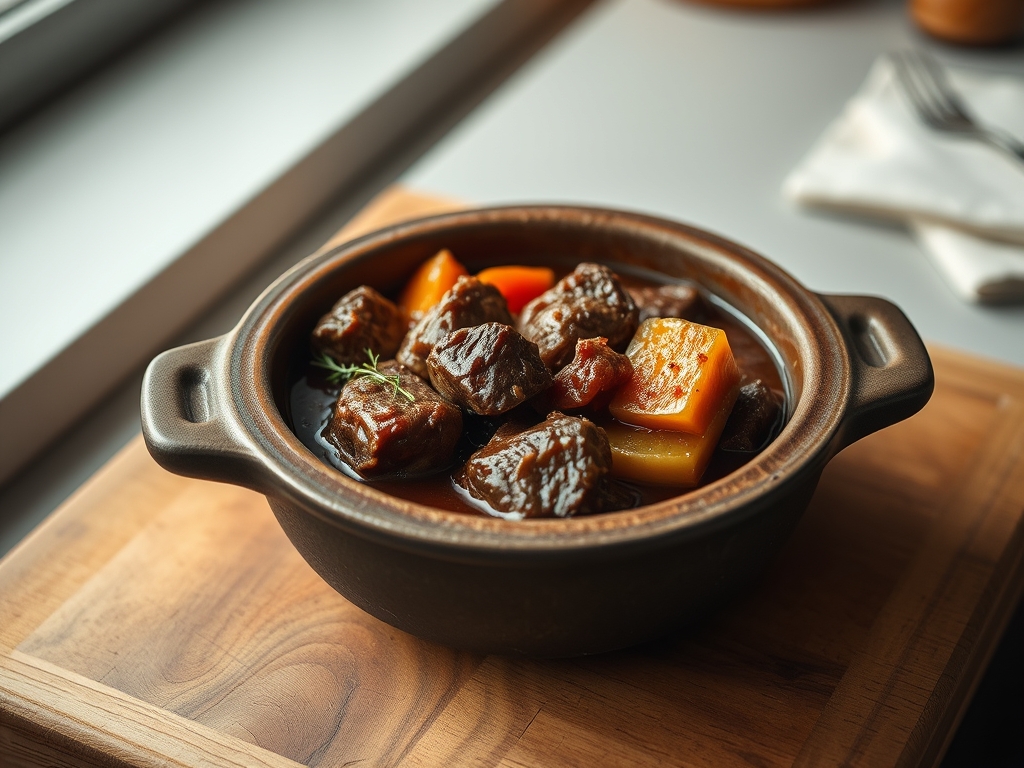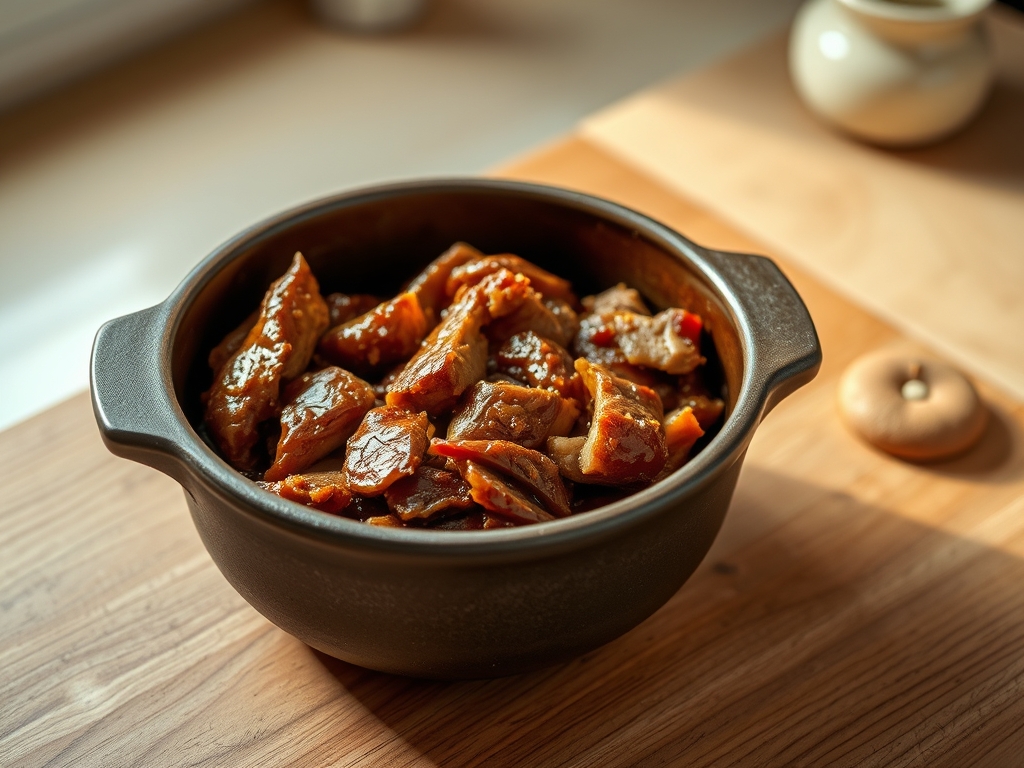
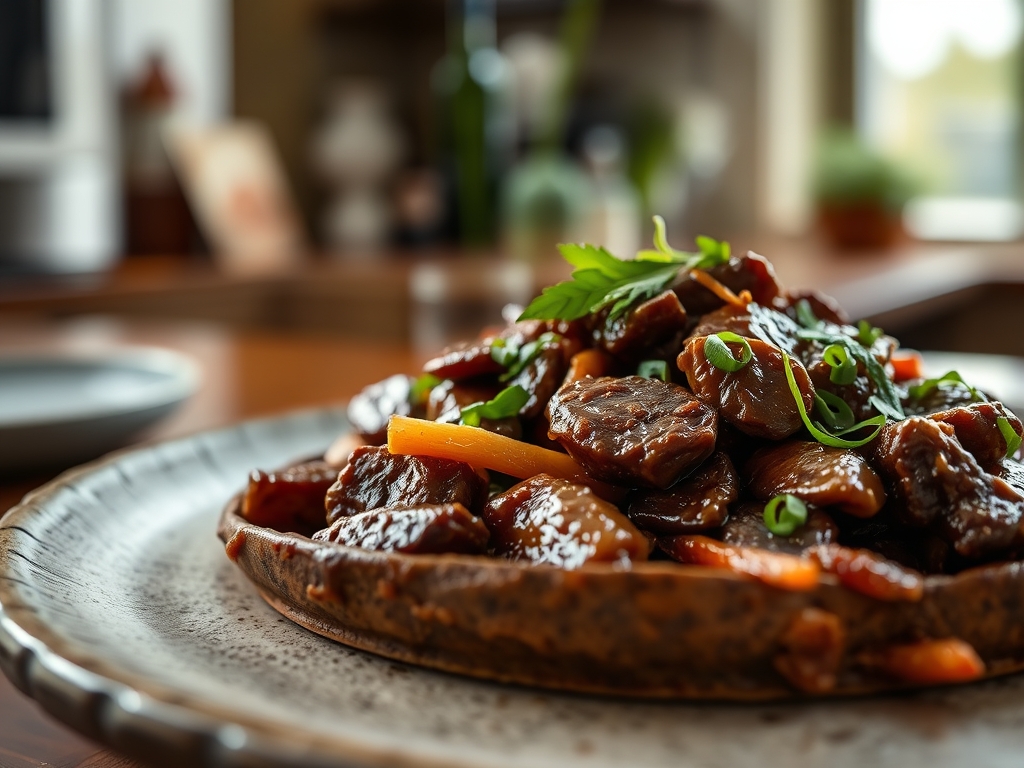
Listen to the roar of the heating element as it battles the thermal mass of a cold flank steak. This is not just dinner; it is a high-stakes engineering project where the multi cooker serves as your primary reactor core. Most home cooks treat their machines like slow-motion safety nets, but we are here to push the boundaries of the Multi Cooker Beef Stir Fry. We are hunting for the Maillard reaction in a pressurized environment. We want that deep, mahogany crust and the snap of perfectly blanched aromatics. When the lid pops, the steam should carry the scent of toasted sesame and caramelized sugars, not a dampened whimper of gray, boiled protein. To achieve this, we must manipulate surface moisture and maximize heat transfer. If you are looking for a soggy pile of meat, look elsewhere. This protocol is designed for those who demand structural integrity and a flavor profile that vibrates with intensity. We are auditing every variable from the thickness of the cut to the viscosity of the finishing glaze.
THE DATA MATRIX
| Metric | Specification |
|---|---|
| Prep Time | 20 Minutes |
| Execution Time | 15 Minutes |
| Yield | 4 Servings |
| Complexity | 6 / 10 |
| Estimated Cost per Serving | $4.50 – $6.00 |
THE GATHERS
Ingredient Protocol:
- Protein: 680g / 1.5 lbs Flank Steak, sliced against the grain.
- Aromatics: 30g / 2 tbsp Fresh Ginger, minced; 4 cloves Garlic, smashed.
- Vegetable Base: 300g / 2 cups Broccoli florets; 1 large Red Bell Pepper, julienned.
- Liquid Phase: 120ml / 0.5 cup Soy Sauce; 60ml / 0.25 cup Beef Bone Broth.
- Sweetener: 50g / 0.25 cup Brown Sugar.
- Thickener: 15g / 2 tbsp Cornstarch.
- Finishing Oil: 15ml / 1 tbsp Toasted Sesame Oil.
- Garnish: 5g / 1 tsp Toasted Sesame Seeds; 2 Scallions, bias-cut.
Section A: Ingredient Quality Audit:
The primary failure point in a Multi Cooker Beef Stir Fry is excess cellular moisture. If your beef arrives in a vacuum-sealed bag sitting in a pool of myoglobin, the sear is already compromised. Technical Fix: Pat the protein dry with industrial-grade paper towels and let it air-dry on a wire rack in the refrigerator for 30 minutes. If your broccoli feels rubbery rather than turgid, it has lost its cellular turgor pressure. Technical Fix: Shock the vegetables in an ice bath for 60 seconds before cooking to tighten the cell walls. Finally, if your soy sauce is a generic "salt bomb," swap it for a naturally brewed Shoyu to introduce complex esters and depth that synthetic alternatives lack.
THE MASTERCLASS
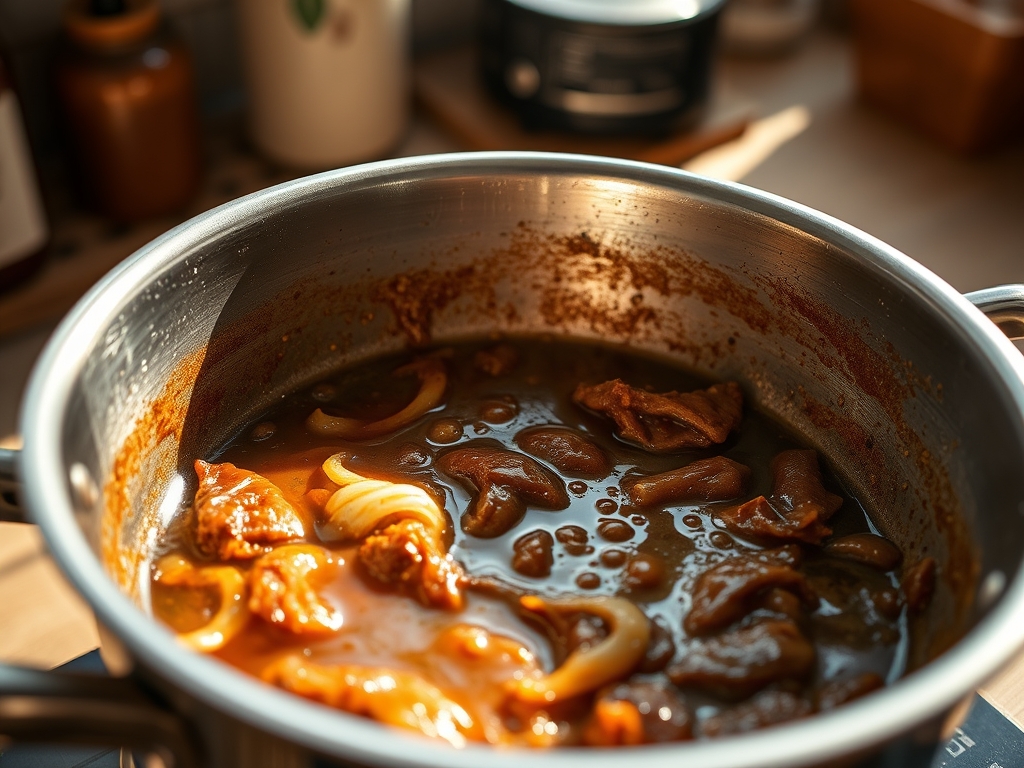
Step 1: The High-Heat Pre-Searing Phase
Set your multi cooker to the highest "Sauté" or "Brown" setting. Allow the vessel to reach peak temperature before adding a high-smoke-point oil like avocado oil. Sear the beef in small batches to prevent the temperature from plummeting.
Pro Tip: Use a digital scale to divide your meat into equal 225g portions. This ensures that the thermal recovery time of the inner pot remains consistent; overcrowding leads to steaming rather than searing.
Step 2: Deglazing the Reactor Core
Once the beef is removed, the bottom of the pot will be coated in fond. Add your garlic and ginger, followed by the liquid phase ingredients. Use a wooden spatula to scrape the caramelized bits into the liquid to infuse the sauce with concentrated umami.
Pro Tip: A stainless steel bench scraper or a flat-edged wooden spoon is essential here to ensure no sugars remain stuck to the bottom, which could trigger a "Burn" sensor error during the pressure cycle.
Step 3: The Accelerated Pressure Pulse
Return the beef to the pot and lock the lid. Set the machine to "High Pressure" for exactly 1 minute. This short burst forces the sauce into the muscle fibers without breaking down the collagen to the point of mushiness.
Pro Tip: Use a digital timer independent of the machine. The goal is a "Quick Release" of pressure the second the timer hits zero to prevent the carryover heat from over-texturizing the protein.
Step 4: Emulsification and Glazing
Switch back to "Sauté" mode. Whisk your cornstarch with a small amount of cold water to create a slurry. Stir this into the bubbling liquid until the sauce becomes viscous and coats the back of a spoon.
Pro Tip: Use a small saucier whisk to incorporate the slurry. This prevents clumps and ensures a glossy, translucent finish that reflects light beautifully, as seen in the reference imagery.
Section B: Prep & Timing Fault-Lines:
The most common human error is the "delayed dump." If you leave your aromatics in the hot oil while you are still chopping peppers, the garlic will undergo a bitter transformation. Technical Fix: Practice Mise en Place. Everything must be measured and staged before the heat is engaged. Another fault-line is the "false boil." Just because the liquid is bubbling does not mean the starch has hydrated. You must reach 175 degrees Fahrenheit for the cornstarch to fully gelatinize and create that signature cling.
THE VISUAL SPECTRUM
Section C: Thermal & Visual Troubleshooting:
Observe the Masterclass photo. The beef should exhibit a distinct "crust" while the interior remains succulent. If your beef looks gray, your pot was not hot enough or you skipped the drying phase. The broccoli should be a vibrant, neon green. If it looks khaki or olive, you have overcooked the chlorophyll; reduce your pressure time by 30 seconds next time. The sauce should be viscous enough to hold its shape on the meat rather than pooling at the bottom of the bowl. If the sauce is thin, your "Sauté" reduction phase was too short. If the sauce is opaque or cloudy, you likely added too much cornstarch or did not allow it to reach a full boil to clear the starch granules.
THE DEEP DIVE
Macro Nutrition Profile:
A standard serving of this protocol yields approximately 420 calories. It is protein-dense, providing 38g of protein, 18g of carbohydrates (primarily from the sugar and cornstarch), and 22g of fats. To optimize the lipid profile, ensure you are using grass-fed beef which contains higher levels of Omega-3 fatty acids.
Dietary Swaps:
- Vegan: Replace flank steak with pressed, extra-firm tofu or seitan. Skip the pressure phase and simply sauté to maintain texture.
- Keto: Swap the brown sugar for monk fruit sweetener and replace cornstarch with a pinch of xanthan gum to maintain the viscous quality.
- GF: Ensure the soy sauce is replaced with Tamari or liquid aminos.
Meal Prep & Reheating Science:
To maintain the molecular structure during reheating, avoid the microwave. The high-frequency waves agitate water molecules, causing the beef to become rubbery. Instead, use a skillet over medium heat with a splash of bone broth to aerate the sauce and restore its original emulsion.
THE KITCHEN TABLE
Why is my beef tough even after pressure cooking?
You likely cut the meat with the grain. Always slice perpendicular to the muscle fibers to shorten them, ensuring a tender bite. Also, ensure you use a "Quick Release" to stop the cooking process immediately.
Can I use frozen beef for this stir fry?
It is not recommended. Frozen beef releases significant moisture as it thaws, which will boil the meat instead of searing it. For a proper Multi Cooker Beef Stir Fry, always use fully thawed, patted-dry protein.
My sauce is too salty; how do I fix the balance?
Do not add water, as it dilutes the viscosity. Instead, add a splash of rice vinegar or lime juice. The acid cuts through the sodium perception and brightens the overall piquant profile of the dish.
How do I get the broccoli to stay crunchy?
Add the broccoli after the pressure cooking cycle is complete. The residual heat of the "Sauté" mode during the thickening phase is more than enough to steam the florets to a perfect crisp-tender state.