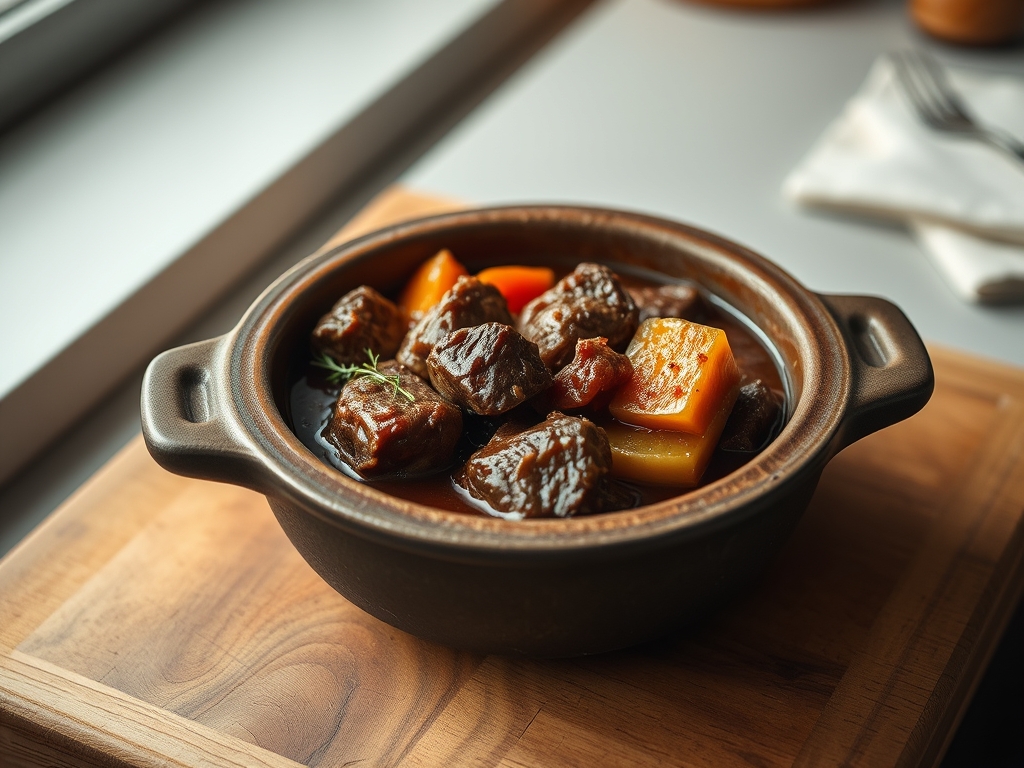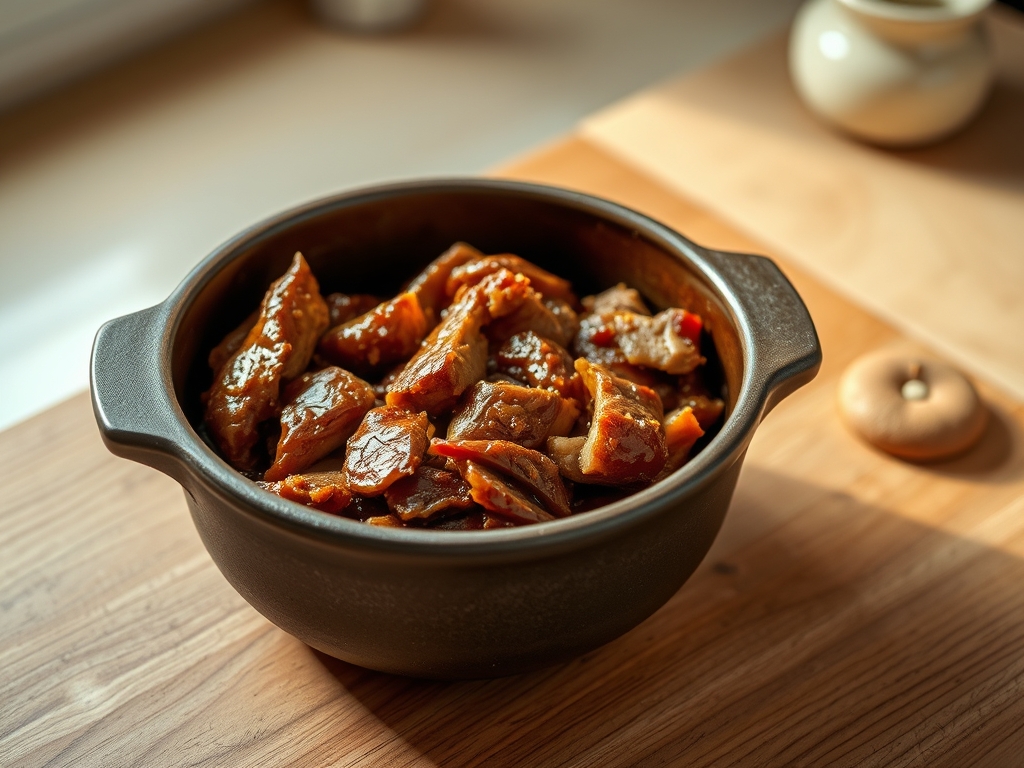
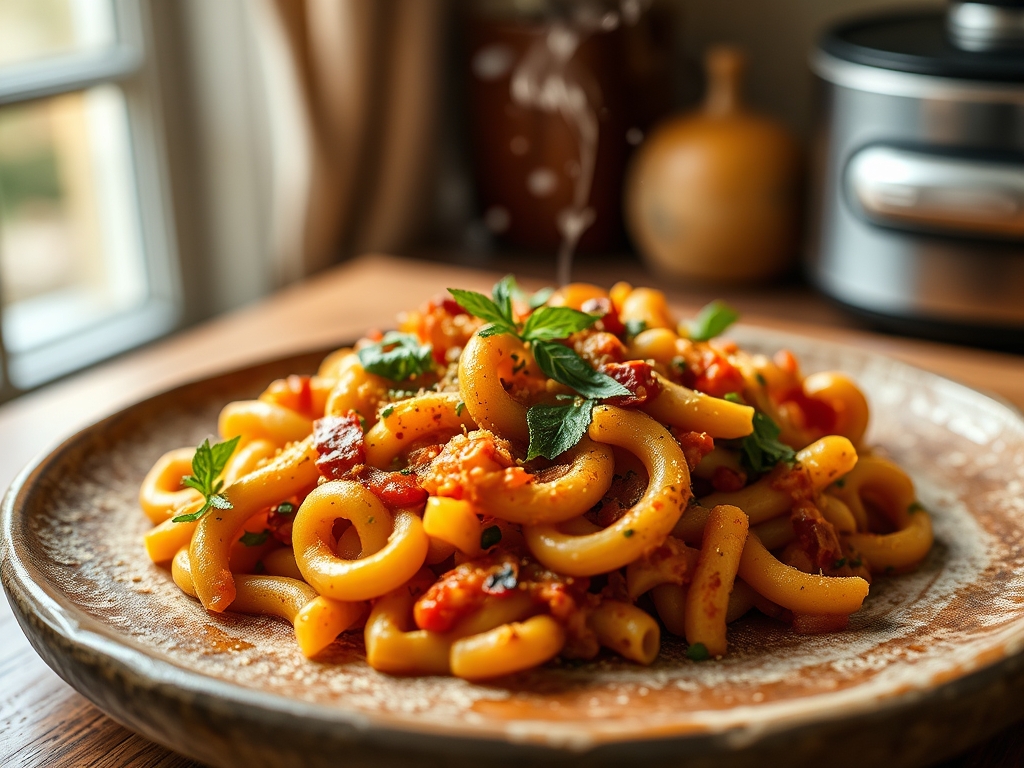
Listen to the high-pitched whistle of pressurized steam escaping the valve. It is the sound of a culinary revolution, a mechanical symphony where starch and fat collide in a controlled environment. We are not merely making dinner; we are conducting a high-stakes experiment in gluten hydration and lipid emulsification. The Multi Cooker Pasta Bake is the ultimate stress test for your kitchen infrastructure. Imagine a landscape of rigatoni shells perfectly suspended in a viscous, piquant aurora sauce, topped with a tectonic plate of bubbling mozzarella that has undergone the perfect Maillard reaction. Most home cooks treat their multi-cooker like a blunt instrument, but we treat it like a particle accelerator. We are aiming for that precise moment where the pasta reaches an al dente state while simultaneously thickening the sauce through starch release. If you fail, you end up with a gelatinous monoculture of overcooked wheat. If you succeed, you achieve a textural masterpiece that defies the laws of traditional stovetop boiling. Strap in, calibrate your sensors, and prepare for a technical audit of the perfect bake.
THE DATA MATRIX
| Metric | Specification |
|---|---|
| Prep Time | 12 Minutes |
| Execution Time | 25 Minutes |
| Yield | 6 Servings |
| Complexity (1-10) | 4 |
| Estimated Cost per Serving | $2.45 |
THE GATHERS
Ingredient Protocol:
- 500g / 1.1 lbs Short Pasta (Rigatoni or Penne)
- 700ml / 3 cups Marinara Sauce (High-viscosity)
- 500ml / 2 cups Beef or Vegetable Stock
- 450g / 1 lb Ground Italian Sausage or Beef
- 250g / 2 cups Low-moisture Mozzarella, shredded
- 60g / 0.5 cup Parmigiano-Reggiano, finely grated
- 15ml / 1 tbsp Extra Virgin Olive Oil
- 3 Garlic Cloves, minced
- 5g / 1 tsp Dried Oregano
- 2g / 0.5 tsp Red Chili Flakes
Section A: Ingredient Quality Audit:
The primary failure point in a Multi Cooker Pasta Bake is the moisture content of the cheese. If you utilize fresh buffalo mozzarella, the high water activity will release during the pressure cycle, turning your sauce into a watery grave. Use low-moisture, part-skim mozzarella for the ideal stretch and fat release. Furthermore, check your pasta's protein content on the digital scale. You want a pasta with at least 12 to 14 percent protein. Lower protein counts result in a structural collapse under pressure. If your sauce lacks depth, it likely suffers from a lack of acidity. A technical fix is to infuse the base with a teaspoon of balsamic vinegar or a squeeze of lemon to brighten the flavor profile before the lid is sealed.
THE MASTERCLASS
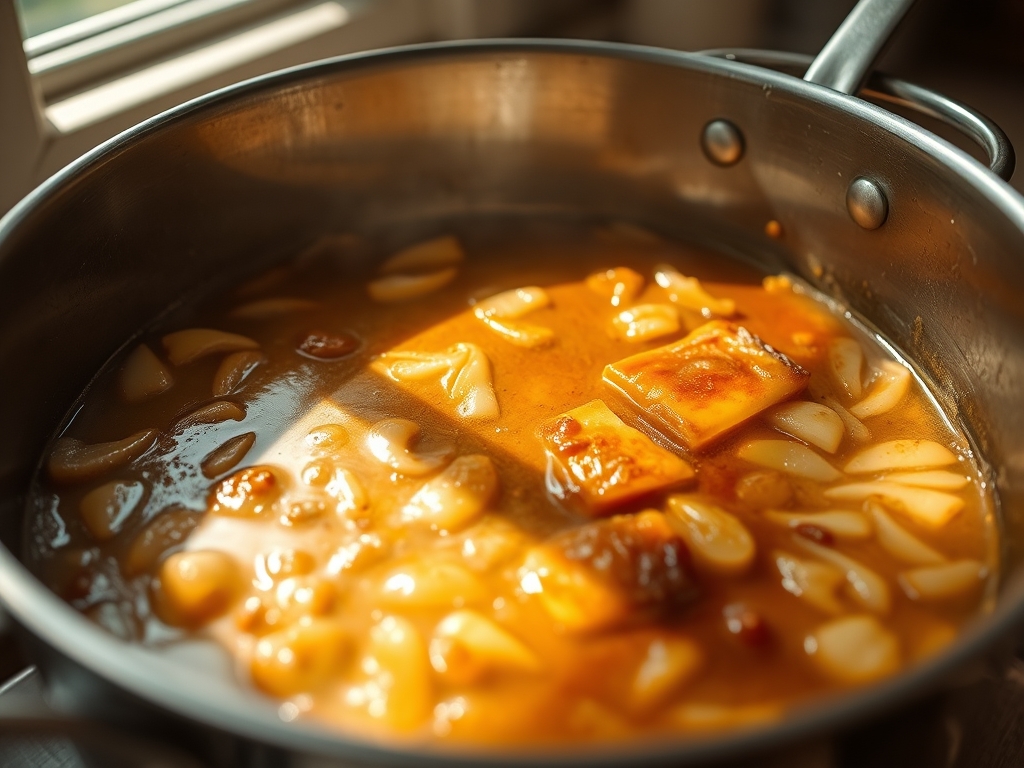
Step 1: The Maillard Foundation
Set your multi-cooker to the high-heat saute function. Add the olive oil and the ground protein. Use a bench scraper or a heavy wooden spoon to break the meat into uniform crumbles. You are looking to render the fat and achieve a deep, mahogany crust on the meat. This is not just browning; it is the creation of complex flavor compounds.
Pro Tip: Use a digital scale to ensure your meat-to-pasta ratio is exact. Overloading the pot with meat will insulate the pasta, leading to uneven hydration and "crunchy" spots in the final yield.
Step 2: Deglaze and Aromatics
Once the meat is browned, add the minced garlic, oregano, and chili flakes. Saute for exactly 45 seconds until fragrant. Immediately pour in 100ml of your stock to deglaze the bottom of the pot. Scrape up every bit of the fond (the brown bits). These are the concentrated essences of the Maillard reaction.
Pro Tip: A saucier-like scraping motion is essential here. If any debris remains stuck to the heating element floor, the internal sensors may trigger a "Burn" error, halting the pressurized convection mid-cycle.
Step 3: The Stratified Assembly
Add the dry pasta directly onto the meat. Pour the remaining stock and the marinara sauce over the top. Do not stir. I repeat: do not stir. You want the pasta submerged but the sauce sitting on top to prevent it from scorching against the bottom interface.
Pro Tip: The science of fluid dynamics dictates that the thinner liquid (stock) must be at the bottom to generate the steam required for pressure, while the viscous sauce remains insulated above the pasta line.
Step 4: Pressurized Hydration
Secure the lid and set the unit to High Pressure for exactly half of the time suggested on the pasta box, minus two minutes. For a 10-minute rigatoni, set the timer for 3 minutes. Once the timer expires, perform an immediate manual steam release to prevent the carry-over heat from turning the starch into mush.
Pro Tip: Use a digital thermometer to check the internal temperature of the sauce post-release. It should be hovering around 90 degrees Celsius (194 degrees Fahrenheit) to ensure the starch has fully gelatinized.
Step 5: The Cheese Integration
Open the lid and stir the contents vigorously to aerate the sauce and distribute the starch. Fold in half of the mozzarella and the Parmigiano-Reggiano. Top with the remaining cheese. If your multi-cooker has an air-fryer lid or a "broil" function, engage it for 4 minutes to create the golden crust seen in the audit photo.
Pro Tip: If you lack a browning lid, simply replace the pressure lid for 2 minutes to allow the residual thermal energy to melt the cheese into a uniform, elastic layer.
Section B: Prep & Timing Fault-Lines:
The most common human error is the "Lazy Release." If you allow the pressure to dissipate naturally, the pasta continues to cook in a high-moisture, high-heat environment. This results in a loss of structural integrity. You must be precise with the manual release. Additionally, ensure your liquid measurements are calibrated using a graduated cylinder or high-quality measuring cup. Even a 50ml variance can shift the sauce from a perfect emulsion to a thin soup.
THE VISUAL SPECTRUM
Section C: Thermal & Visual Troubleshooting:
Referencing the Masterclass photo, observe the "leopard spotting" on the cheese. This indicates localized caramelization of the milk sugars. If your bake looks pale and anemic, your heat distribution was insufficient. You can fix this by using a kitchen torch to manually finish the surface. If the sauce appears broken or oily, the emulsion has failed. This usually happens if the temperature exceeded 100 degrees Celsius for too long. To rescue a broken sauce, stir in a tablespoon of heavy cream or pasta water to re-bind the fats. Dull colors in the sauce suggest the herbs were added too early and oxidized. Next time, finish with fresh basil post-cook to provide a vibrant green contrast against the deep red oxides of the tomato.
THE DEEP DIVE
Macro Nutrition Profile
A standard serving of this Multi Cooker Pasta Bake contains approximately 550 calories. The breakdown typically consists of 28g of protein, 22g of fats, and 62g of carbohydrates. The high protein content from the Italian sausage and the Parmigiano-Reggiano provides a significant satiety index, making this a robust fuel source for high-output individuals.
Dietary Swaps
- Vegan: Replace the meat with protein-dense lentils and utilize a cashew-based mozzarella alternative. Ensure the cashew cheese has a high fat content to mimic the meltability of dairy.
- Keto: This is a challenge due to the pasta base. Swap rigatoni for roasted cauliflower florets and reduce the pressure time to 1 minute to avoid total cellular collapse of the vegetable.
- Gluten-Free: Use brown rice or corn-based pasta. Note that GF pasta releases more starch; you may need to increase the liquid volume by 10 percent to maintain the desired viscosity.
Meal Prep & Reheating Science
To maintain the molecular structure during reheating, avoid the microwave's erratic agitation. Instead, place a portion in a small oven-safe dish with a teaspoon of water and cover with foil. Reheat at 150 degrees Celsius (300 degrees Fahrenheit). The steam will re-hydrate the starch granules without denaturing the cheese proteins into a rubbery consistency.
THE KITCHEN TABLE
Why is my pasta always stuck to the bottom?
This is a failure of the stratified assembly. You likely stirred the sauce into the water before cooking. The sugar in the tomato sauce sinks and caramelizes against the heating element. Always layer your ingredients and never stir before the pressure cycle.
Can I use frozen meat in this system?
Technically, yes, but you sacrifice the Maillard reaction. Frozen meat releases excess water as it thaws, which will dilute your sauce and prevent the "sear" that provides the essential umami depth. Always thaw and brown your proteins first for maximum flavor.
The sauce is too thin after opening the lid. Help!
Do not panic. The sauce will thicken as it cools and the pasta absorbs more liquid. Engage the "Saute" function for 2 to 3 minutes while stirring constantly. This evaporates excess moisture and encourages the cheese to emulsify with the starch.
Is it safe to double the recipe?
Only if you do not exceed the "Max Fill" line of your vessel. Doubling the volume increases the time it takes to reach pressure, which can lead to overcooked pasta. It is better to run two separate cycles for consistent quality control.