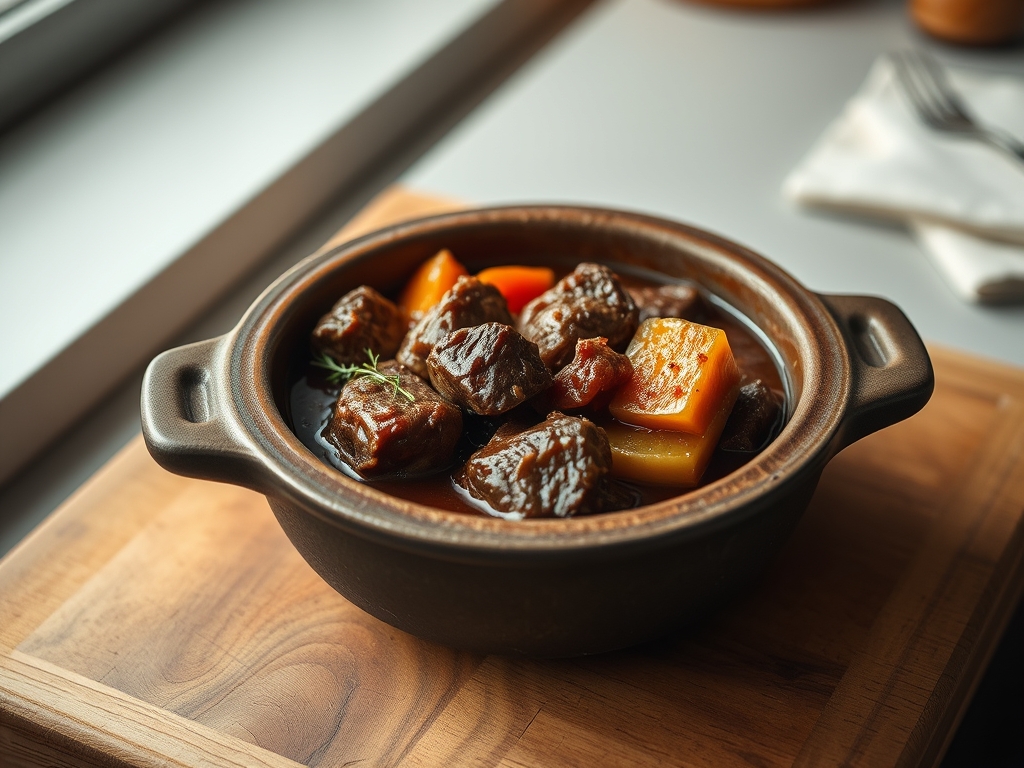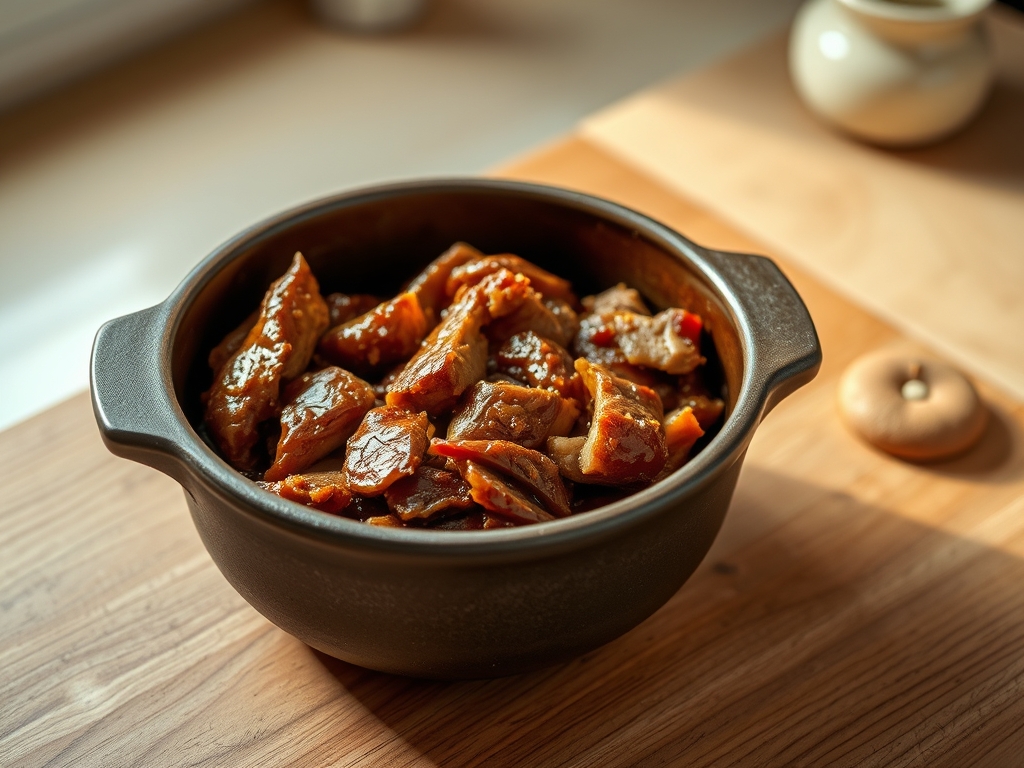
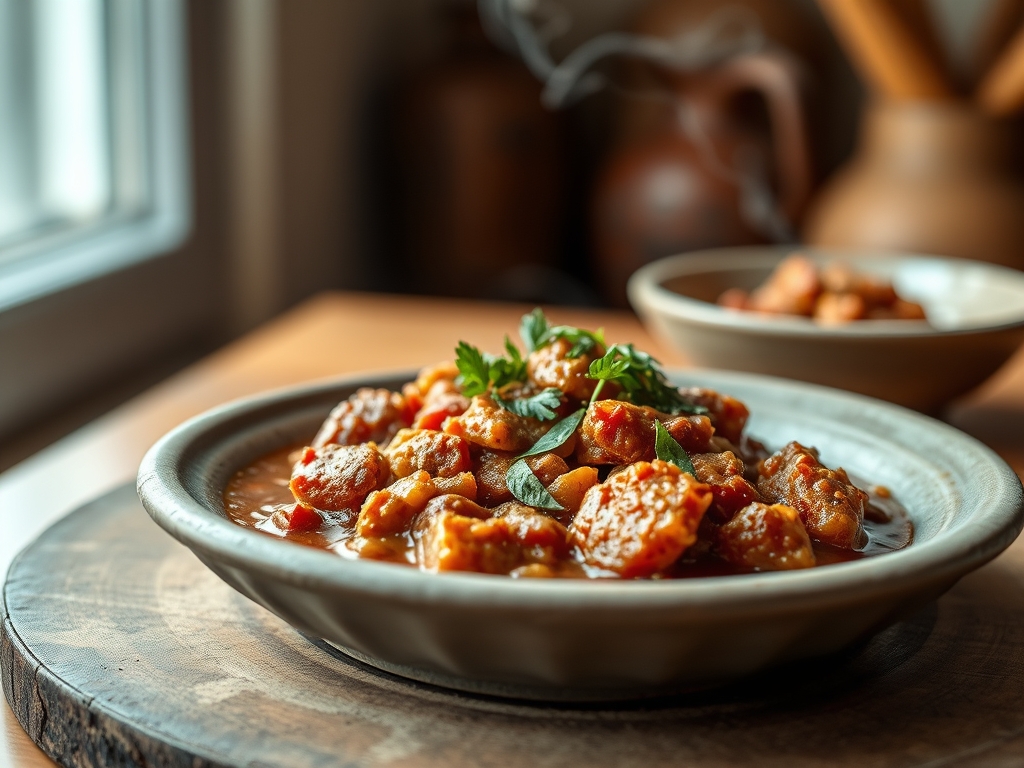
Listen up, culinary architects. We are not here to assemble a lukewarm slurry of poultry and beans; we are here to engineer a masterpiece of structural integrity. The challenge with Multi Cooker Turkey Chili is the lean profile of the protein. Without the insulating fat of bovine alternatives, turkey breast is prone to catastrophic moisture loss and a texture reminiscent of wet cardboard. We solve this through precision pressure management and the strategic deployment of aromatics. Imagine the steam valve releasing a piquant cloud of cumin and roasted chiles while the collagen in the beans breaks down into a silky, viscous binder. We are looking for a result where every fiber of the turkey is infused with the deep, umami-rich essence of the base. This is high-stakes infrastructure for your digestive system. We are optimizing for density, heat distribution, and a flavor profile that hits the back of the palate with the force of a hydraulic press. Grab your digital scales and clear your workstations. It is time to build.
THE DATA MATRIX
| Metric | Specification |
|---|---|
| Prep Time | 20 Minutes |
| Execution Time | 45 Minutes |
| Yield | 6-8 Servings |
| Complexity (1-10) | 4 |
| Estimated Cost per Serving | $2.45 |
THE GATHERS
Ingredient Protocol:
- 900g / 2 lbs Ground Turkey (85/15 blend preferred for moisture)
- 30ml / 2 tbsp Extra Virgin Olive Oil
- 1 large White Onion, finely diced (approx. 300g)
- 3 cloves Garlic, minced
- 1 Bell Pepper, diced (approx. 150g)
- 800g / 28 oz Crushed Tomatoes
- 425g / 15 oz Kidney Beans, rinsed and drained
- 425g / 15 oz Black Beans, rinsed and drained
- 250ml / 1 cup Low-Sodium Chicken Bone Broth
- 15g / 1 tbsp Chili Powder
- 10g / 2 tsp Ground Cumin
- 5g / 1 tsp Smoked Paprika
- 2g / 0.5 tsp Cayenne Pepper (optional for heat)
- 10g / 2 tsp Kosher Salt
- 5g / 1 tsp Coarse Black Pepper
Section A: Ingredient Quality Audit:
The primary failure point in Multi Cooker Turkey Chili is the "Water-Logged Bird" syndrome. Low-quality ground turkey is often injected with a saline solution to increase weight. When heat is applied, this water leaches out, preventing the Maillard reaction and boiling the meat in its own grey juices. To fix this, ensure your turkey is at room temperature and patted dry with paper towels before hitting the pot. If using frozen beans, ensure they are fully hydrated; shriveled skins indicate an ancient harvest that no amount of pressure will soften. If your spices lack a pungent aroma when opened, they are inert dust. Bloom them in hot oil for 60 seconds to reawaken the essential oils before adding liquids.
THE MASTERCLASS
Step-by-Step Execution:
1. The Thermal Foundation
Set your multi-cooker to the "Sauté" function at the highest heat setting. Allow the vessel to reach a state of thermal equilibrium before adding your olive oil. Once the oil shimmers, introduce the ground turkey. Use a stainless steel bench scraper or a heavy wooden spoon to break the meat into uniform morsels.
Pro Tip: Do not overcrowd the pot. Browning is a chemical transformation that requires surface area. If the meat begins to steam rather than sizzle, you are losing the battle for flavor. Achieving a deep golden crust ensures a robust, savory backbone.
2. The Aromatic Integration
Once the turkey is browned, move it to the periphery and add the onions and peppers. Sauté until the onions are translucent and the edges begin to caramelize. Add the garlic and spices during the final 60 seconds of this phase.
Pro Tip: Use a saucier technique to stir constantly; garlic has a high sugar content and will burn at 350 degrees Fahrenheit, turning your entire batch bitter. The goal is to aerate the spices, allowing the heat to unlock fat-soluble flavor compounds.
3. Deglazing the Infrastructure
Pour in 60ml of your chicken broth to deglaze the bottom of the pot. Scrape up every bit of the "fond" (the brown bits stuck to the bottom). This is concentrated flavor gold. Once the bottom is clean, add the remaining broth, tomatoes, and beans.
Pro Tip: Use a digital scale to ensure your liquid-to-solid ratio is exact. Too much liquid prevents the sauce from becoming viscous, while too little will trigger the "Burn" sensor on your multi-cooker as the sugars in the tomatoes caramelize against the heating element.
4. Pressure Calibration
Secure the lid and set the valve to the "Sealing" position. Select "Manual High Pressure" for 15 minutes. This high-pressure environment forces moisture into the lean turkey fibers while rapidly softening the cellulose in the beans.
Pro Tip: Understanding the Ideal Gas Law is helpful here; as pressure increases, the boiling point of water rises, allowing for faster cooking without the violent turbulence of a rolling boil, which preserves the structural integrity of the beans.
5. The Controlled Release
Allow the cooker to perform a "Natural Pressure Release" for 10 minutes before venting the remaining steam. This prevents the turkey from "shocking" and toughening up, which happens during a sudden drop in atmospheric pressure.
Pro Tip: Stir the chili vigorously after opening to emulsify the fats and tomato acids. This creates a cohesive, glossy texture that clings to the spoon rather than separating into a watery mess.
Section B: Prep & Timing Fault-Lines:
Human error usually manifests in the "Dump and Start" mentality. If you skip the sauté step, you lose the complexity provided by the Maillard reaction. Furthermore, timing the release is critical. A "Quick Release" immediately after the timer beeps will cause the liquid inside the beans to expand rapidly, rupturing the skins and turning your chili into a grainy paste. If your chili looks too thin after the release, use the "Sauté" function for an additional 5 minutes to reduce the liquid and concentrate the flavors.
THE VISUAL SPECTRUM
Section C: Thermal & Visual Troubleshooting:
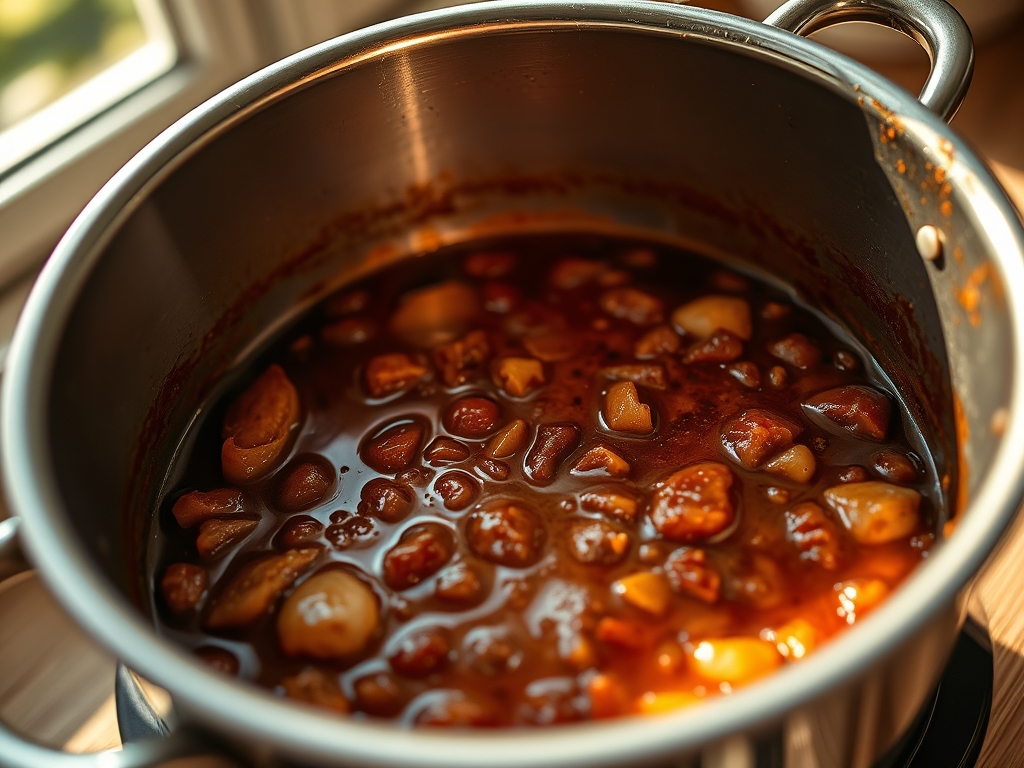
Referencing the Masterclass photo, your Multi Cooker Turkey Chili should exhibit a deep, rust-colored hue, not a pale orange. If the color is dull, it indicates your spices are old or you skimped on the tomato paste. The turkey should appear as distinct, darkened crumbles rather than a singular grey mass. If you see a layer of clear liquid on top, the emulsion has broken; a quick stir or a teaspoon of cornstarch slurry will fix the suspension. The beans should be plump and intact, providing a structural contrast to the soft texture of the vegetables. If the peppers have vanished, they were cut too small and have disintegrated into the base.
THE DEEP DIVE
Macro Nutrition Profile:
A standard 350g serving provides approximately 320 calories, 35g of protein, 25g of complex carbohydrates, and 8g of fiber. The high protein-to-calorie ratio makes this an elite fuel source for muscle recovery and metabolic efficiency.
Dietary Swaps:
- Vegan: Replace turkey with crumbled tempeh or extra firm tofu and use vegetable stock.
- Keto: Omit the beans and increase the bell peppers and celery to maintain bulk without the starch.
- GF: This recipe is naturally gluten-free; however, ensure your chicken broth is certified, as some brands use yeast extract derived from barley.
Meal Prep & Reheating Science:
Chili is a rare substance that improves with age. As it cools, the flavors continue to infuse through molecular diffusion. When reheating, avoid the microwave's uneven radiation. Use a stovetop over medium heat and add a splash of water to restore the viscous consistency. This prevents the proteins from becoming rubbery through over-exposure to high-frequency waves.
THE KITCHEN TABLE
Why is my turkey chili dry?
You likely used 99% lean turkey. The lack of intramuscular fat leads to rapid moisture loss. Next time, use an 85/15 blend or add a tablespoon of olive oil during the browning phase to lubricate the fibers.
Can I use dried beans without soaking?
Yes, but you must increase the high-pressure cook time to 45 minutes and double the liquid volume. The multi-cooker is an efficient pressure vessel, but it cannot bypass the laws of hydration physics.
How do I make it spicier without ruining the flavor?
Incorporate minced chipotle peppers in adobo sauce. This adds a smoky, piquant depth that complements the turkey without the one-dimensional burn of raw habanero or excessive cayenne.
My chili is too watery, what now?
Mash a half-cup of the beans against the side of the pot and stir them back in. The released starches act as a natural thickener, creating a rich mouthfeel without the need for flour or external agents.