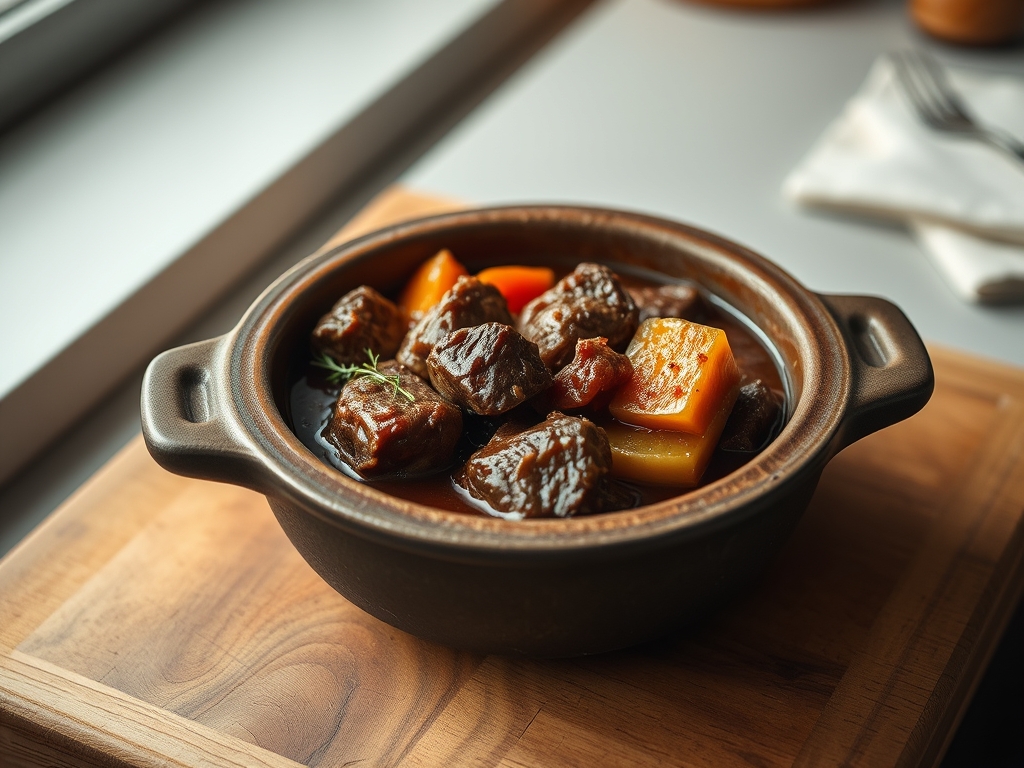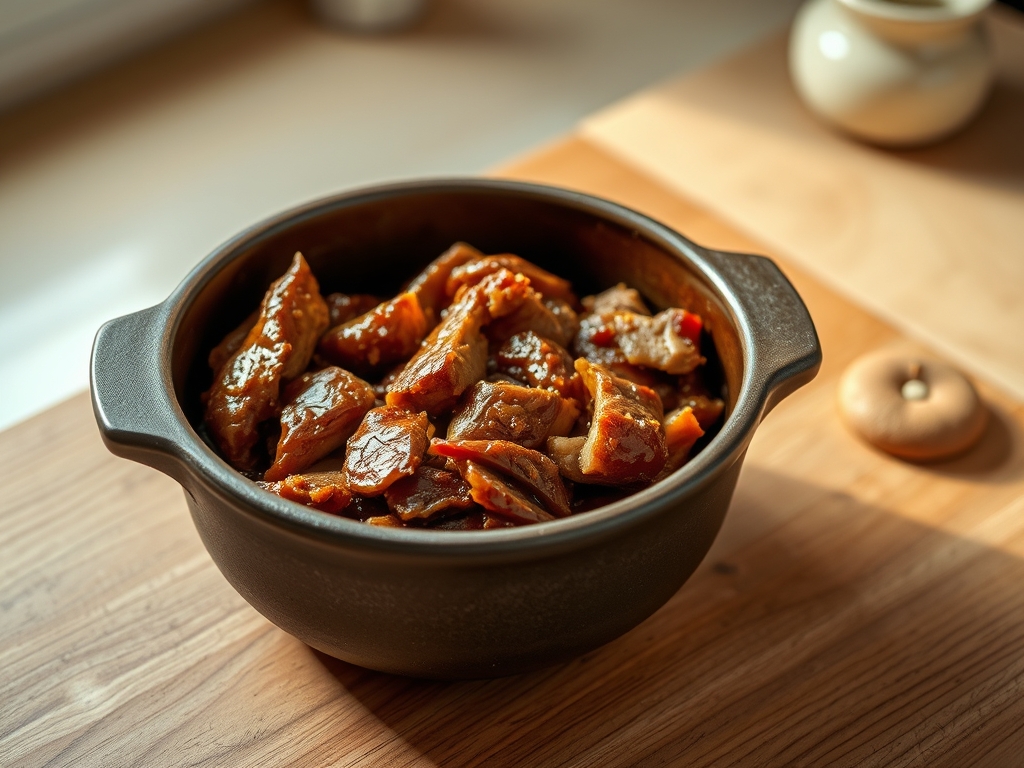
Listen up, culinary architects. We are not here to play house with soggy, uninspired tubers. We are here to conduct a high-stakes audit of the most essential morning operation: the Multi Cooker Breakfast Hash. If you have ever suffered through a pile of gray, translucent potato cubes that lack structural integrity, consider this your formal intervention. The modern multi cooker is a pressurized laboratory capable of achieving rapid starch gelatinization while simultaneously facilitating the Maillard reaction through concentrated heat. We are going to harness that thermal energy to transform humble root vegetables and protein into a golden, crispy, and piquant masterpiece. This is about precision. This is about the intersection of heat transfer and flavor extraction. We are aiming for a textural contrast that defies the laws of standard home appliances: a glass-like exterior crunch protecting a fluffy, aerated interior. Grab your digital scale and your sharpest blade; we are moving from amateur assembly to industrial-grade breakfast engineering.
THE DATA MATRIX
| Metric | Specification |
|---|---|
| Prep Time | 15 Minutes |
| Execution Time | 25 Minutes |
| Yield | 4 Units (Servings) |
| Complexity | 4/10 |
| Estimated Cost per Serving | $2.45 USD |
THE GATHERS
Ingredient Protocol:
- 680g / 1.5 lbs Yukon Gold Potatoes (scrubbed and cubed to 1.5cm)
- 225g / 8 oz Thick-cut Smoked Bacon or Chorizo (diced)
- 150g / 1 cup Yellow Onion (finely diced)
- 125g / 1 cup Bell Pepper (small dice)
- 3 cloves Fresh Garlic (minced)
- 15ml / 1 tbsp Avocado Oil or Ghee (high smoke point essential)
- 5g / 1 tsp Smoked Paprika
- 2g / 0.5 tsp Cayenne Pepper
- To taste: Flaky Sea Salt and Cracked Black Pepper
- Optional: 4 Large Eggs (Grade A)
- Garnish: 15g / 0.25 cup Fresh Chives (fine chiffonade)
Section A: Ingredient Quality Audit:
Sub-par raw materials are the primary cause of structural failure in a Multi Cooker Breakfast Hash. If your potatoes feel soft or display a green hue, the starch-to-sugar ratio has shifted; this results in a gummy texture that refuses to crisp. Fix: Soak cubed potatoes in cold, salted water for ten minutes to remove excess surface starch. If using low-fat proteins like turkey sausage, the lack of lipids will prevent the potatoes from browning. Fix: Increase your added fats (Ghee or Oil) by 15ml to ensure proper heat conduction. Finally, if your spices are older than six months, they have lost their volatile oils. Fix: Bloom your spices in the rendered fat for sixty seconds before adding the bulk solids to reawaken the piquant aromatics.
THE MASTERCLASS
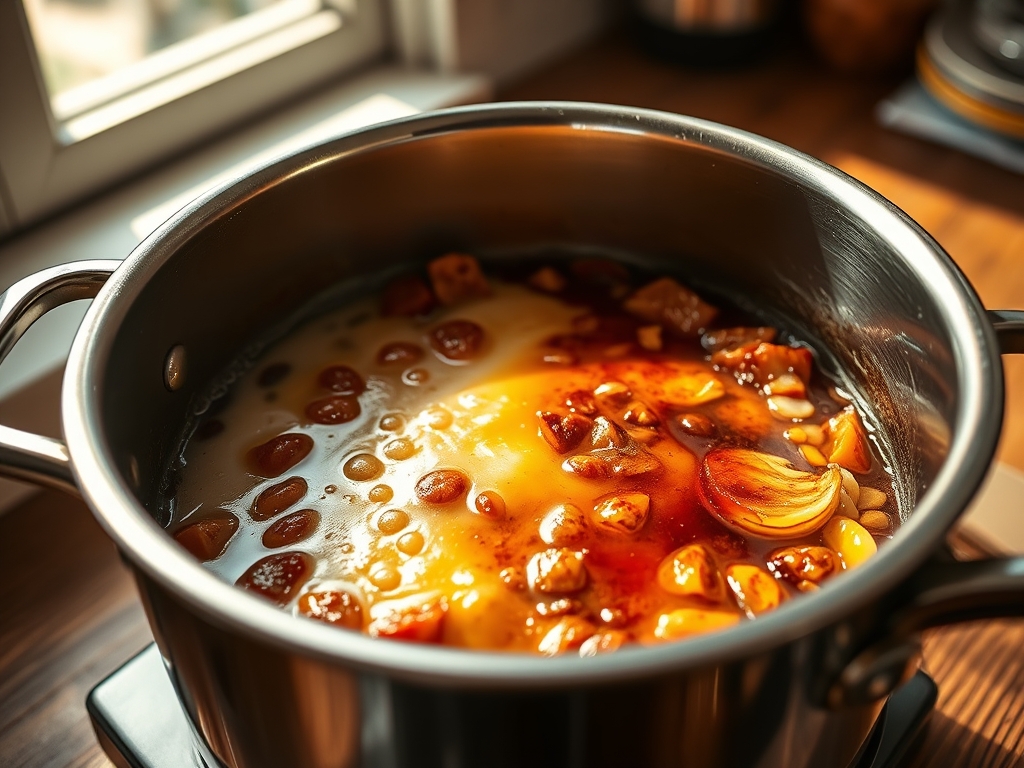
Step 1: Lipid Rendering and Protein Foundation
Set your multi cooker to the highest "Sauté" function. Add your diced bacon or chorizo to the cold pot. As the vessel heats, the fat will render slowly, providing the medium for the entire cook. Use a bench scraper to move the protein efficiently from the cutting board to the pot.
Pro Tip: Starting in a cold pot allows the fat to liquefy before the proteins sear; this creates a self-lubricating environment that prevents sticking and ensures even browning.
Step 2: The Tuber Integration
Once the protein is crisp, remove it with a slotted spoon but leave the rendered fat. Increase the heat and add the potatoes. Do not crowd the pot; if necessary, work in batches to ensure every cube has direct contact with the heating element.
Pro Tip: Use a digital scale to ensure your potato cubes are uniform in weight. Consistent mass leads to consistent thermal penetration, preventing the dreaded "half-raw, half-mush" outcome.
Step 3: Aromatics and Deglazing
Add the onions and peppers once the potatoes have developed a light golden crust. Use a wooden spatula to deglaze the bottom of the pot, scraping up the "fond" (the brown bits). This is where the concentrated flavor lives.
Pro Tip: If the pot becomes too dry, add 30ml of water or stock. The resulting steam will accelerate the softening of the onions while the friction of the spatula cleans the pot floor.
Step 4: Pressure Phase or Crisp Finish
Depending on your model, you can either lock the lid for a 3-minute high-pressure burst to ensure the potato centers are creamy, or continue to sauté with the lid off for maximum crunch. If using eggs, crack them directly onto the surface of the hash during the final 4 minutes of the "Keep Warm" or "Slow Cook" cycle.
Pro Tip: A saucier or small lid can be placed over the eggs to trap steam, poaching the tops while the bottoms fry against the hot hash.
Section B: Prep & Timing Fault-Lines:
Timing is the silent killer of the Multi Cooker Breakfast Hash. The most common error is adding garlic too early; garlic burns at a lower temperature than onions, resulting in a bitter, acrid profile. Always add garlic in the final 60 seconds of the sauté phase. Furthermore, if you vent the pressure manually (Quick Release), be wary of the "thermal carry-over." The potatoes will continue to cook for several minutes after the lid is removed. To halt the process and preserve the molecular structure, transition immediately to the serving phase.
THE VISUAL SPECTRUM
Section C: Thermal & Visual Troubleshooting:
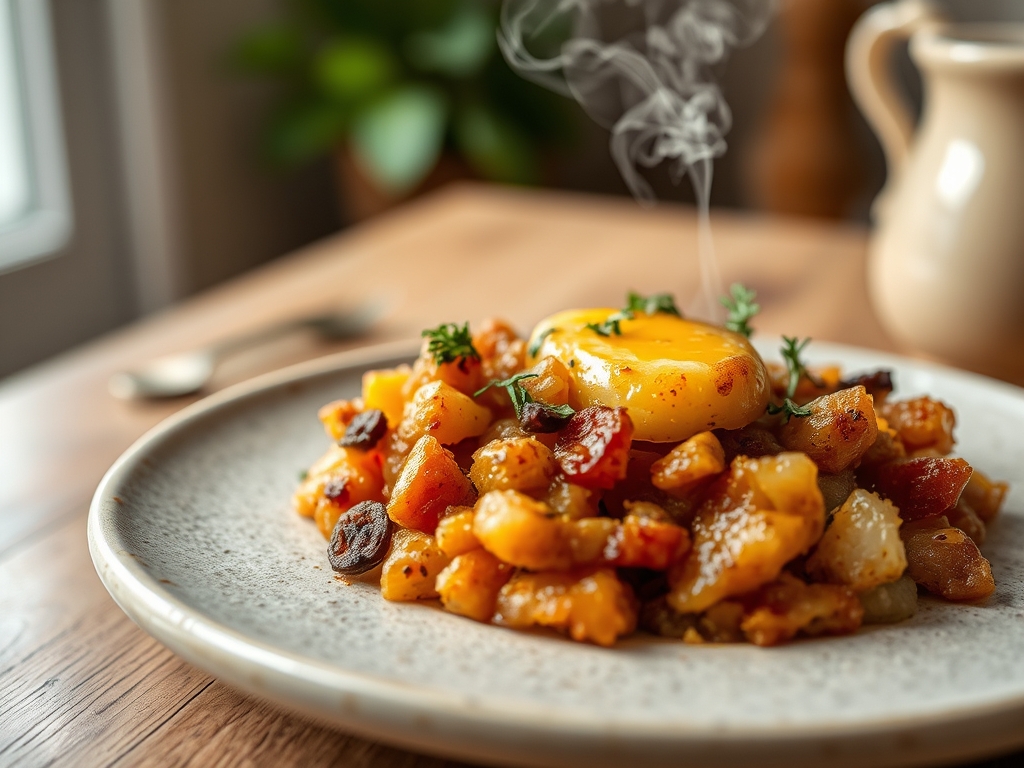
Examine the Masterclass photo above. Notice the deep mahogany edges on the potatoes and the vibrant, non-muted greens of the chives. If your hash looks pale or "wet," you likely introduced too much moisture or failed to let the pot reach the proper searing temperature. To fix a "wet" hash, hit it with a high-heat sauté for an additional three minutes without stirring; this allows the bottom layer to infuse with heat and create a crust. If the colors are dull, it indicates over-oxygenation or over-cooking. Next time, add your peppers and fresh herbs at the very end of the cycle to maintain their chromatic integrity and crisp snap.
THE DEEP DIVE
Macro Nutrition Profile:
A standard serving of this infrastructure provides approximately 350 calories, 18g of Protein, 22g of Carbohydrates, and 22g of Fats. The Yukon Gold potatoes provide a significant dose of Potassium and Vitamin C, while the peppers contribute Vitamin A.
Dietary Swaps:
- Vegan: Replace bacon with smoked tempeh and use avocado oil instead of ghee. Use a pinch of Kala Namak (black salt) to mimic the sulfurous profile of eggs.
- Keto: Swap potatoes for cauliflower florets or daikon radish cubes. Note that these vegetables have higher water content and require a longer sauté time to render out moisture.
- GF: This recipe is naturally gluten-free; however, ensure your smoked paprika or spice blends do not contain anti-caking agents derived from wheat.
Meal Prep & Reheating Science:
To maintain the molecular integrity of the hash during reheating, avoid the microwave. The microwave agitates water molecules, leading to a soggy, steamed texture. Instead, use a cast-iron skillet over medium heat. This re-activates the fats and restores the exterior crunch. If you must use a microwave, place a damp paper towel over the bowl to aerate the steam and prevent the potatoes from turning into starch-bricks.
THE KITCHEN TABLE
Why are my potatoes sticking to the bottom?
The pot was likely not hot enough before the potatoes were added. Ensure the oil is shimmering. If sticking occurs, do not force the flip; wait for the Maillard reaction to naturally release the food from the surface.
Can I use Russet potatoes instead of Yukon Gold?
Russets are high-starch and fall apart easily. They are excellent for mashed textures but risky for hash. If using Russets, increase the oil and avoid the pressure cooking phase to prevent the cubes from disintegrating into a slurry.
How do I get the eggs perfectly over-easy in the pot?
Create small wells in the hash using a spoon. Drop the eggs in and close the lid for exactly three minutes on the "Keep Warm" setting. The residual heat is sufficient to set the whites while leaving the yolks viscous.
Is it possible to over-sear the protein?
Yes. If the bacon becomes black, it is carbonized and will ruin the flavor profile. Aim for a deep reddish-brown. If the fat begins to smoke excessively, immediately reduce the heat and deglaze with a tablespoon of water to drop the temperature.