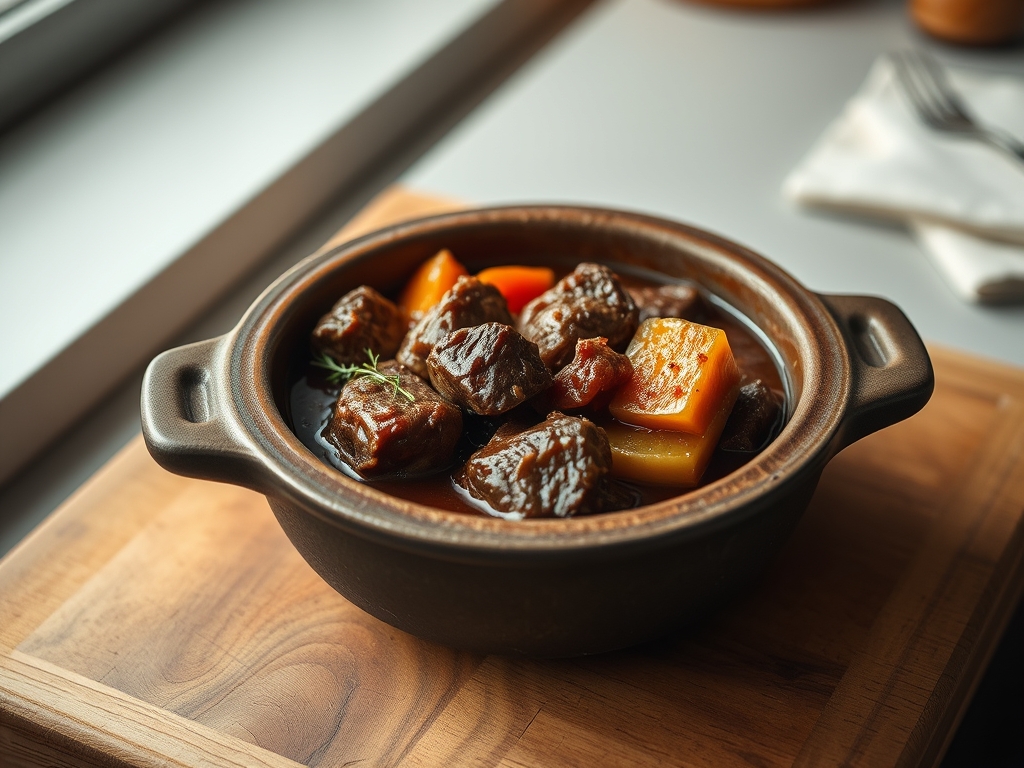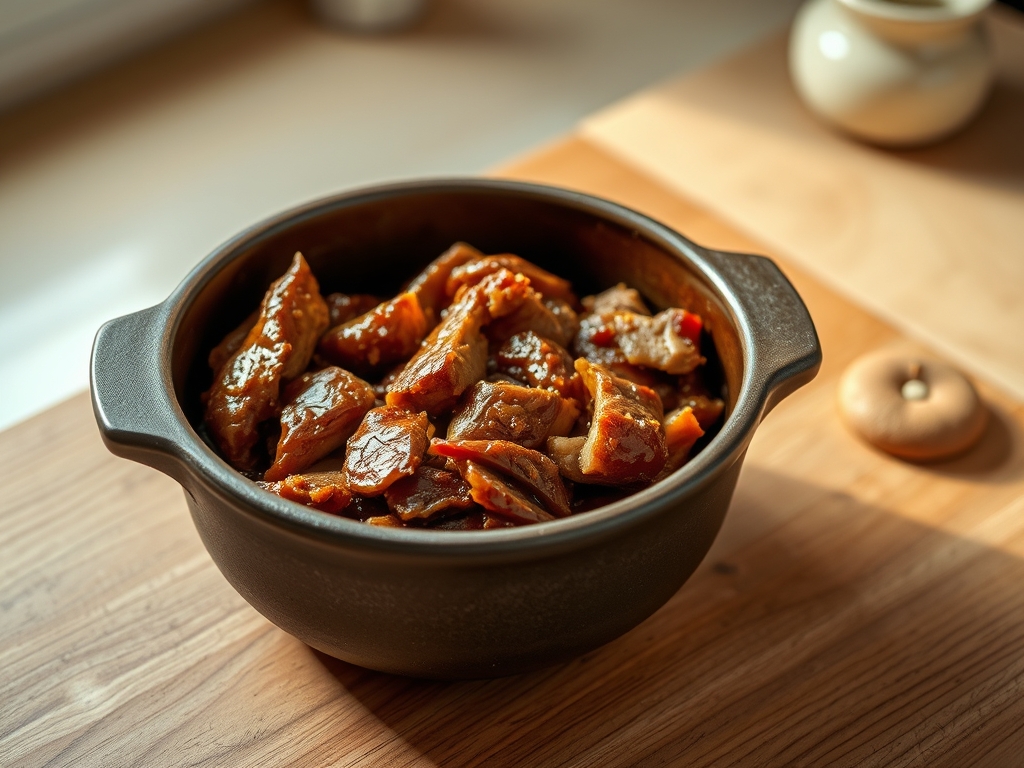
Listen to the sound of high pressure physics meeting the raw, primal demand for protein. We are not just making dinner; we are conducting a high stakes orchestration of connective tissue breakdown and aromatic infusion. The Multi Cooker Lamb Curry is the ultimate test of your kitchen infrastructure. It requires a precise understanding of how the collagen in a lamb shoulder transforms from a rubbery lattice into a viscous, gelatinous masterpiece. You can smell it before the valve even drops. It is the piquant scent of toasted cumin and the heavy, earthy aroma of rendered fat hitting a searing stainless steel insert. This is a dish that demands respect for the Maillard reaction while utilizing the mechanical efficiency of modern steam technology. If you are looking for a bland, watery stew, you have come to the right place to be corrected. We are building a flavor profile that is structurally sound, chemically balanced, and aggressively delicious. Strap in, because we are about to audit your spice cabinet and overhaul your technique.
THE DATA MATRIX
| Metric | Specification |
|---|---|
| Prep Time | 25 minutes |
| Execution Time | 65 minutes |
| Yield | 6 Servings |
| Complexity | 7 / 10 |
| Estimated Cost per Serving | $4.50 |
THE GATHERS
Ingredient Protocol:
- 1 kg / 2.2 lbs Lamb Shoulder, cubed into 3cm pieces
- 2 large / 300g Yellow Onions, finely diced
- 45ml / 3 tbsp Ghee or Neutral Oil
- 40g / 3 tbsp Ginger-Garlic Paste
- 400g / 14 oz Canned Crushed Tomatoes
- 250ml / 1 cup Beef or Lamb Bone Broth
- 15g / 2 tbsp Garam Masala
- 5g / 1 tsp Turmeric Powder
- 5g / 1 tsp Kashmiri Chili Powder
- 120ml / 0.5 cup Full-fat Greek Yogurt, room temperature
- 10g / 0.5 cup Fresh Cilantro, chopped for garnish
Section A: Ingredient Quality Audit:
The most common failure point in a Multi Cooker Lamb Curry is the quality of the primary protein. If your lamb is excessively lean, the high-pressure environment will result in dry, stringy fibers rather than a succulent finish. Technical Fix: Always select the shoulder over the leg for pressure cooking. The higher concentration of intramuscular fat and connective tissue is non-negotiable for moisture retention. If your spices are older than six months, they have lost their volatile oils. Technical Fix: To resuscitate dull spices, "bloom" them in hot ghee for 60 seconds before adding liquids. This thermal shock releases the remaining aromatic compounds. Finally, if your yogurt curdles upon contact with the sauce, it is likely too cold or too low in fat. Use room-temperature, full-fat Greek yogurt to ensure a stable emulsion.
THE MASTERCLASS
1. The Maillard Protocol
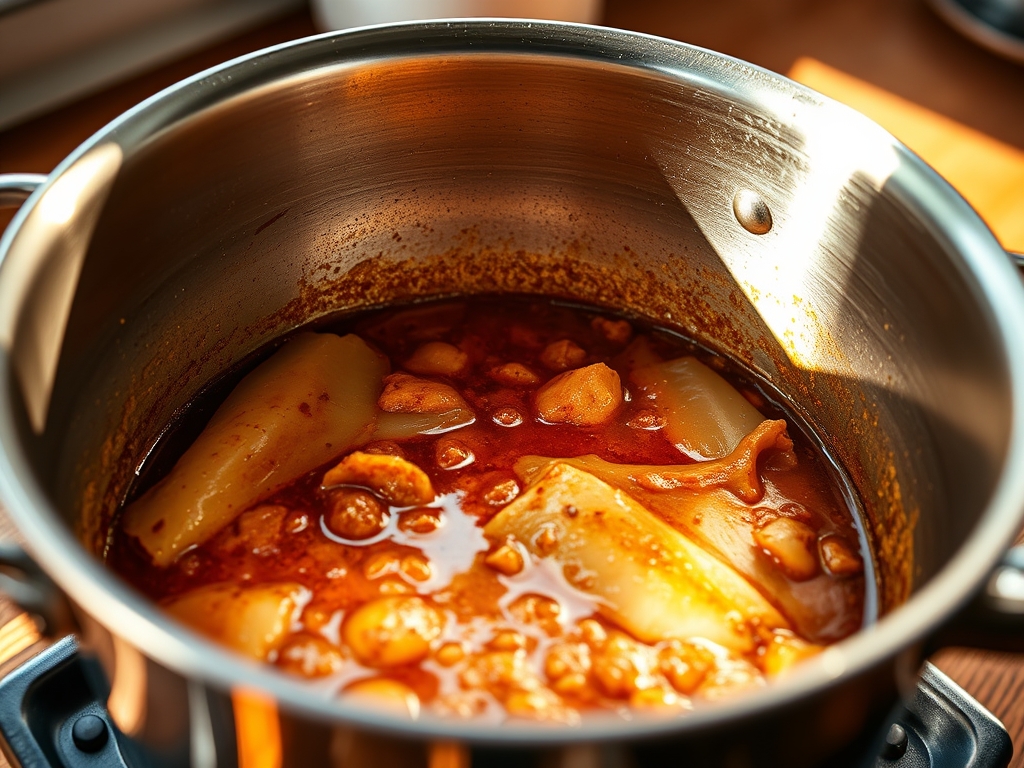
Set your multi cooker to the highest "Sauté" setting. Pat the lamb dry with paper towels to ensure maximum surface contact. Sear the meat in batches using a bench scraper to move the pieces and prevent overcrowding. You are looking for a deep, mahogany crust.
Pro Tip: Moisture is the enemy of the Maillard reaction. By using a digital scale to measure your ingredients and drying the meat surface, you prevent the temperature from dropping, which would cause the meat to boil in its own juices rather than sear.
2. The Aromatics Infrastructure
Remove the meat and add the ghee. Toss in the onions and cook until they reach a translucent, golden hue. Add the ginger-garlic paste and the dry spices. Use a wooden spoon to deglaze the bottom of the pot, scraping up every bit of the "fond" (the browned bits).
Pro Tip: Deglazing is a chemical extraction process. The brown bits on the bottom contain concentrated umami compounds that, when dissolved into the liquid, provide the foundational depth of the curry.
3. The Pressure Phase
Return the lamb to the pot along with the tomatoes and broth. Secure the lid and set the device to high pressure for 35 minutes. Ensure the steam valve is set to the "Sealing" position.
Pro Tip: High pressure raises the boiling point of water, allowing the collagen in the lamb to hydrolyze into gelatin much faster than a traditional saucier on a stovetop. This creates a luxurious mouthfeel that mimics a five-hour braise.
4. The Emulsification Finish
Once the timer expires, perform a natural pressure release for 10 minutes. Open the lid and stir in the room-temperature yogurt. If the sauce is too thin, use the sauté function to reduce the liquid for another 5 minutes until it is viscous and coats the back of a spoon.
Pro Tip: Adding yogurt at the end prevents the proteins from denaturing and clumping. Slow integration ensures a smooth, creamy texture that balances the heat of the chili.
Section B: Prep & Timing Fault-Lines:
Human error often manifests in the "Natural Release" phase. Impatience leads many to flip the steam valve immediately. Technical Fix: Forcing a quick release on meat causes the muscle fibers to contract violently, squeezing out all the moisture you just worked to infuse. Always allow at least 10 minutes of natural cooling. Another fault-line is the "Onion Shortcut." If you do not cook the onions long enough, they will not break down during the pressure cycle, resulting in a grainy, watery sauce rather than a thick gravy. Use a timer to ensure the onions get the full 8-10 minutes they deserve.
THE VISUAL SPECTRUM
Section C: Thermal & Visual Troubleshooting:
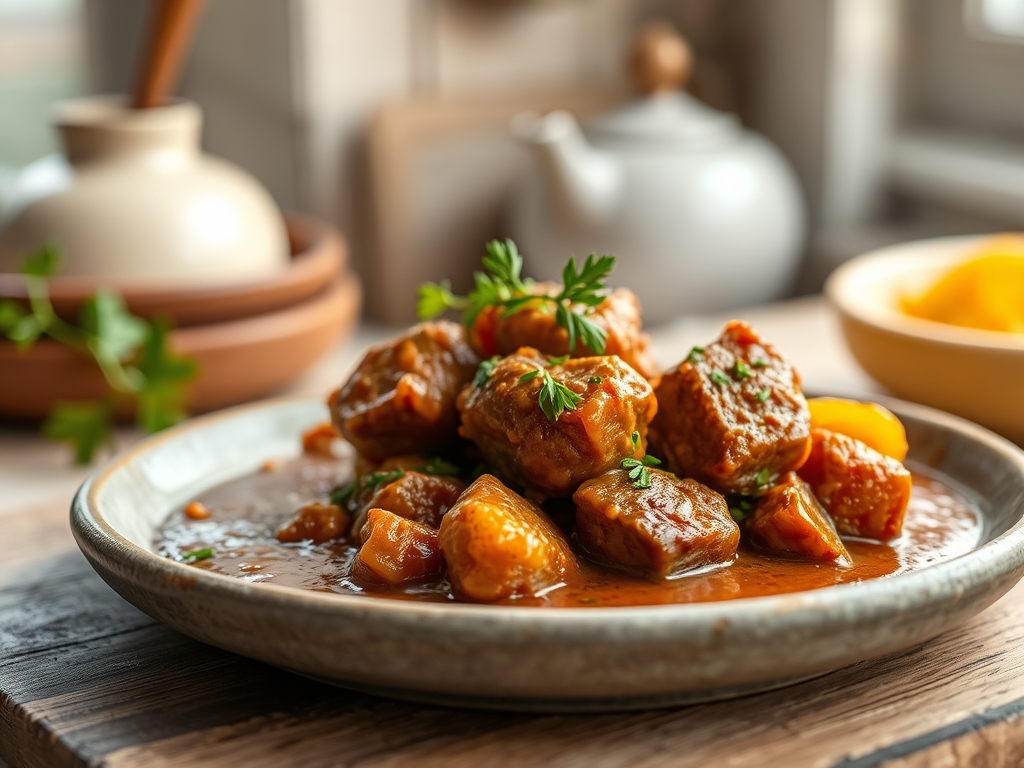
Referencing the Masterclass photo, your Multi Cooker Lamb Curry should exhibit a vibrant, reddish-brown hue. If your dish looks pale or grey, you failed the Maillard Protocol in Step 1. Technical Fix: Next time, sear longer and in smaller batches. If the oil is separating and floating on top, do not panic; this is a sign of a well-cooked curry where the fat has fully rendered. Simply stir it back in or skim the excess. If the cilantro garnish looks wilted and black, you added it too early. Technical Fix: Always add fresh herbs at the very last second to maintain their bright green chlorophyll and sharp flavor profile. The texture of the meat should be "fork-tender," meaning it holds its shape until pressed with a utensil, at which point it should yield effortlessly.
THE DEEP DIVE
Macro Nutrition Profile:
A single serving provides approximately 450 calories, 35g of protein, 28g of fat, and 12g of carbohydrates. The high protein content makes this an excellent recovery meal, while the fat provides sustained satiety.
Dietary Swaps:
- Vegan: Replace lamb with 2cm cubes of extra-firm tofu or chickpeas and swap ghee for coconut oil. Reduce pressure time to 10 minutes.
- Keto: This recipe is naturally keto-friendly. Ensure you serve it with cauliflower rice instead of traditional basmati.
- GF: This recipe is gluten-free. Always audit your bone broth labels to ensure no hidden thickeners are present.
Meal Prep & Reheating Science:
Curry is molecularly superior on the second day. As the dish cools, the spices continue to infuse into the fat molecules. To reheat, avoid the microwave, which can make meat rubbery. Use a small pot on low heat and add a splash of water to re-hydrate the gelatinous sauce, restoring its original viscous state.
THE KITCHEN TABLE
Why is my lamb still tough after 35 minutes?
You likely used a cut with too little fat or the pieces were too large. Ensure you use shoulder meat and maintain a 3cm cube size for optimal thermal penetration during the pressure cycle.
Can I use frozen lamb for this curry?
Yes, but you must increase the pressure time by 15 minutes. Note that you will sacrifice the Maillard sear, as frozen meat releases too much water to brown effectively in the multi cooker.
How do I fix a curry that is too spicy?
Increase the dairy component. Adding an extra dollop of Greek yogurt or a splash of heavy cream will bind to the capsaicin molecules and neutralize the perceived heat on your palate.
Is bone broth really necessary over water?
Absolutely. Bone broth provides a structural backbone of collagen and minerals that water simply cannot match. It transforms a thin soup into a professional-grade, body-heavy sauce that feels substantial.