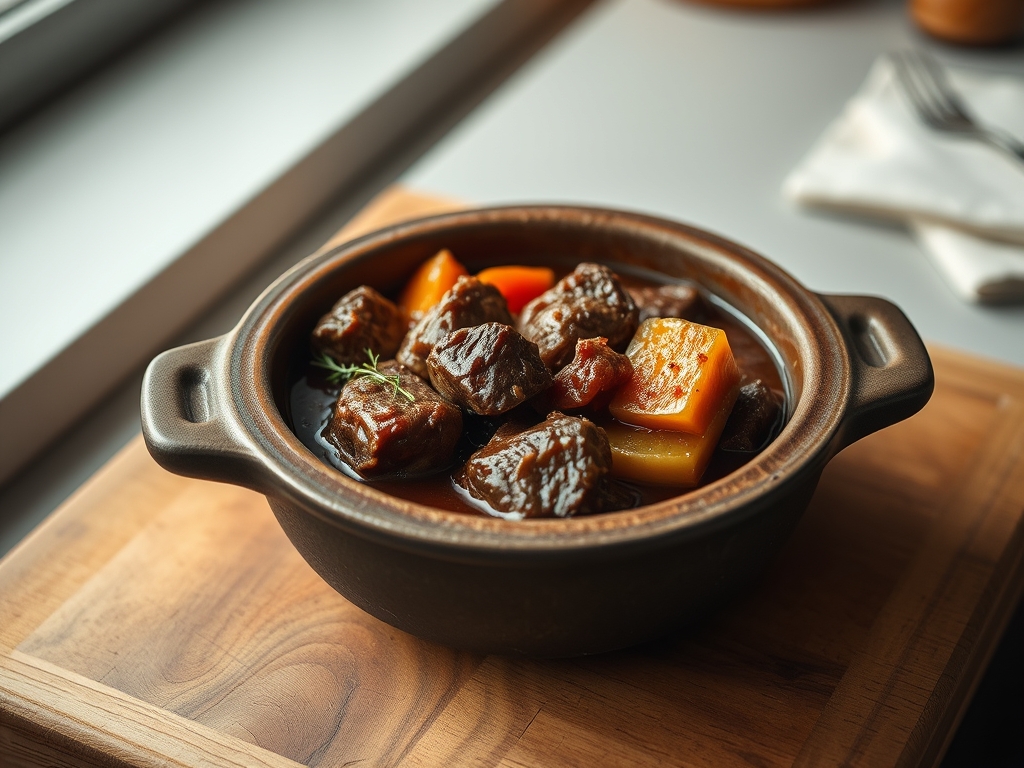
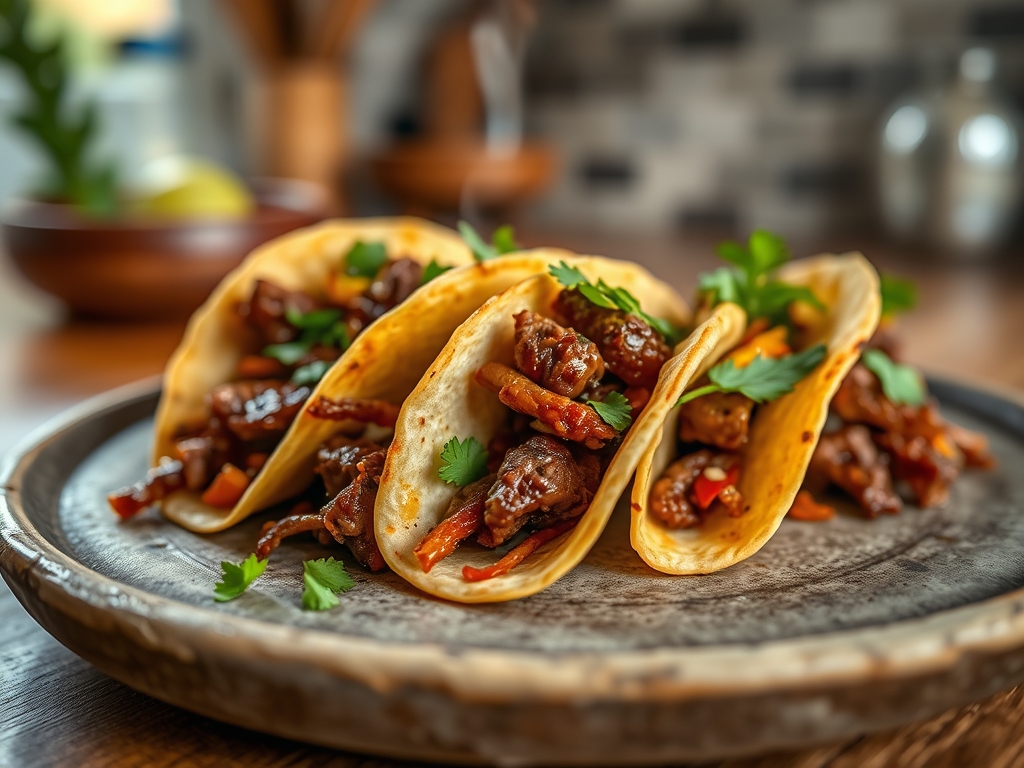
The air in your kitchen should not merely smell like dinner; it should vibrate with the frequency of a thousand tiny chemical reactions. We are moving beyond the amateur hour of "dump and go" slow cooking. Today, we are conducting a full-scale technical audit of Multi Cooker Beef Tacos. This is a study in collagen denaturation and the precise application of atmospheric pressure to transform a tough, muscular cut of chuck into a viscous, succulent masterpiece. Forget the watery, grey shreds of the past. We are targeting a specific structural integrity where the beef remains distinct yet yields to the slightest pressure of a fork. By utilizing the sealed environment of a multi cooker, we are trapping every volatile aromatic compound that would otherwise escape into your vent hood. We are engineering a flavor profile that is deep, piquant, and unapologetically bold. If your current taco game lacks the structural authority of a professional kitchen, consider this your mandatory system upgrade. Prepare for a sensory overload that balances fat, acid, and heat with mathematical precision.
THE DATA MATRIX
| Metric | Specification |
|---|---|
| Prep Time | 20 Minutes |
| Execution Time | 65 Minutes (Under Pressure) |
| Yield | 8 to 10 Servings |
| Complexity (1-10) | 4 |
| Estimated Cost per Serving | $2.75 USD |
THE GATHERS
Ingredient Protocol:
- 1.5 kg / 3.3 lbs Beef Chuck Roast (cubed into 5cm pieces)
- 30 ml / 2 tbsp Neutral Oil (High Smoke Point)
- 250 ml / 1 cup Beef Bone Broth (Low Sodium)
- 120 ml / 0.5 cup Freshly Squeezed Lime Juice
- 30 g / 4 tbsp Chili Powder (High Quality)
- 10 g / 2 tsp Ground Cumin
- 5 g / 1 tsp Smoked Paprika
- 4 cloves Garlic (minced)
- 1 large White Onion (finely diced)
- 15 ml / 1 tbsp Soy Sauce (for umami depth)
- 10 g / 2 tsp Kosher Salt
- 5 g / 1 tsp Black Pepper
Section A: Ingredient Quality Audit:
The primary failure point in Multi Cooker Beef Tacos is the selection of the protein. If you choose a lean cut like Round or Sirloin, the high-pressure environment will result in a dry, stringy texture. You need the intramuscular fat and connective tissue found in Chuck Roast. If your beef appears excessively wet upon unpacking, it has likely been treated with saline injections. Blot it dry with lint-free towels before searing; otherwise, you will steam the meat instead of achieving a Maillard reaction. If your spices are more than six months old, they have lost their volatile oils. To fix this, "bloom" them in a small saucier with a teaspoon of oil for 30 seconds before adding them to the cooker to reactivate their aromatic potential.
THE MASTERCLASS
Step-by-Step Execution:
1. The Maillard Initiation
Set your multi cooker to the "Sauté" function on high. Once the display reads "Hot," add your oil. Sear the beef cubes in small batches. Do not crowd the insert. You are looking for a deep, mahogany crust on at least two sides of every piece.
Pro Tip: Use a digital scale to ensure uniform meat portions for even cooking. Searing creates complex flavor molecules that pressure cooking alone cannot replicate; skipping this step results in a flat, one-dimensional flavor profile.
2. The Deglaze Protocol
Remove the beef and set it aside. Add the diced onions to the pot, using their moisture to deglaze the bottom of the insert. Use a bench scraper or wooden spatula to lift every brown bit (the fond) from the surface.
Pro Tip: The fond contains the highest concentration of flavor. If you fail to scrape the bottom thoroughly, you risk a "Burn" error on your device as the sugars caramelize too quickly under pressure.
3. Aromatic Infusion
Add the garlic, chili powder, cumin, and paprika. Stir constantly for 60 seconds until the mixture becomes highly aromatic. Return the beef to the pot along with the bone broth, lime juice, and soy sauce.
Pro Tip: Adding soy sauce provides a "secret" umami boost. The glutamates in the soy sauce interact with the beef proteins to create a more savory, rounded mouthfeel without making the dish taste like soy.
4. Atmospheric Processing
Secure the lid and set the valve to "Sealing." Program the cooker for 45 minutes on High Pressure. Once the cycle completes, allow a 15-minute natural pressure release before venting the remaining steam.
Pro Tip: A natural release is vital for meat integrity. A rapid pressure drop causes the muscle fibers to contract violently, squeezing out the internal juices and leaving the beef tough.
5. The Reduction Phase
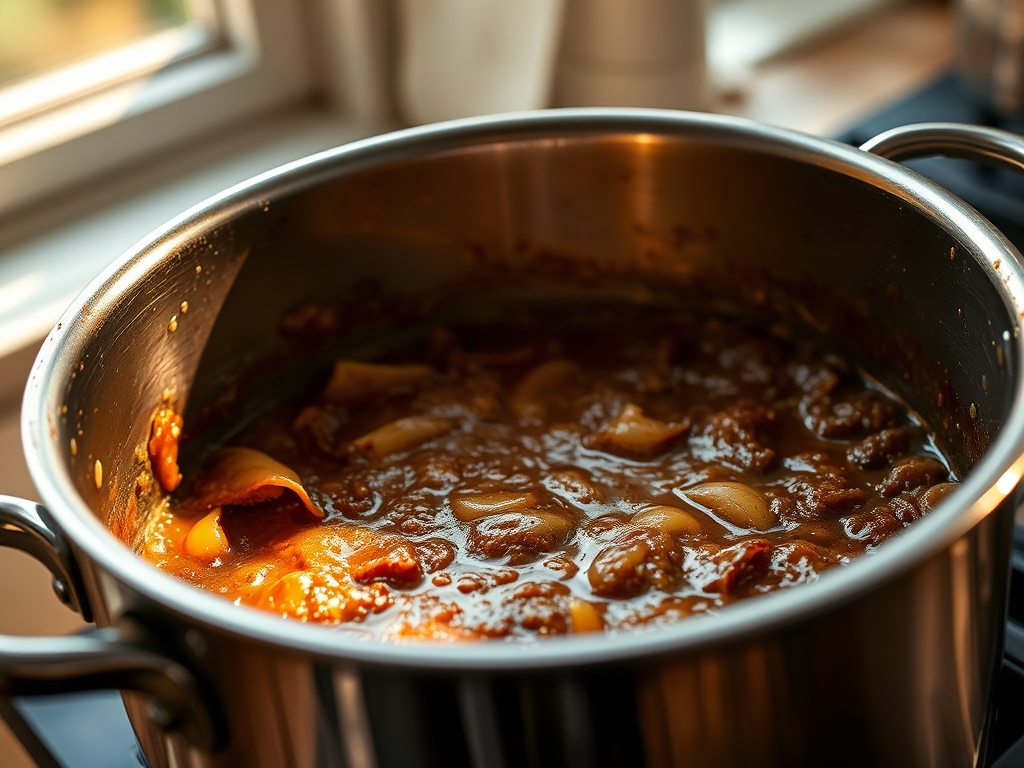
Remove the beef to a clean workspace. Set the cooker back to "Sauté." Let the remaining liquid simmer until it reduces by half, becoming a viscous, glossy glaze. Shred the beef and return it to the sauce.
Pro Tip: Use a saucier if you prefer to finish the sauce on the stovetop for better visibility. Reducing the liquid concentrates the salt and spice, ensuring every fiber of beef is coated in intense flavor.
Section B: Prep & Timing Fault-Lines:
The most common human error is the "Rush Factor." If you attempt to shred the beef immediately after the timer beeps, the steam will evaporate from the meat fibers, leaving them parched. Patience is a technical requirement. Another fault-line is the temperature of the liquid. Adding ice-cold broth to a hot pot after searing can shock the metal and slightly delay the "time to pressure" metric. Use room temperature or warm broth to maintain thermal momentum.
THE VISUAL SPECTRUM
Section C: Thermal & Visual Troubleshooting:
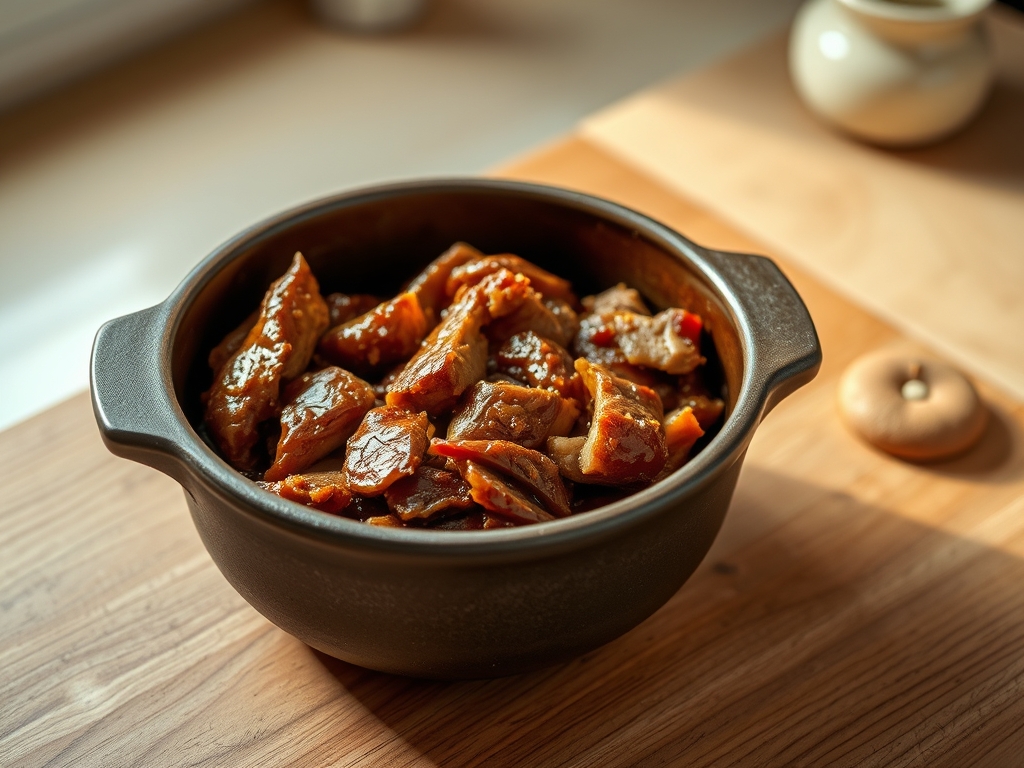
Look closely at the Masterclass photo above. Notice the "Bark" on the beef; it is not uniform but has highlights of dark crimson and deep brown. If your beef looks grey, your sear was insufficient. To fix this post-cook, spread the shredded meat on a sheet pan and broil for 3 to 4 minutes to aerate and crisp the edges. If the sauce looks broken or oily, the fat has not emulsified. Use a whisk to vigorously incorporate a splash of water or extra lime juice. The color should be vibrant; if it looks dull, your lime juice was likely bottled rather than fresh. Fresh citric acid provides a visual "pop" and cuts through the heavy fat of the chuck roast.
THE DEEP DIVE
Macro Nutrition Profile:
A standard serving (approx. 150g of beef) contains 320 calories, 28g of protein, 18g of fat, and 4g of carbohydrates. The high protein content makes this an excellent recovery meal, while the fat provides long-term satiety.
Dietary Swaps:
- Vegan: Replace beef with 1kg of Jackfruit and use vegetable broth. Reduce pressure time to 15 minutes.
- Keto: Ensure the soy sauce is replaced with Coconut Aminos and serve in lettuce wraps or over cauliflower rice.
- GF: This recipe is naturally Gluten-Free if using a certified GF soy sauce or Tamari.
Meal Prep & Reheating Science:
Beef chuck is ideal for meal prep because its high gelatin content protects the fibers during reheating. To maintain molecular structure, reheat in a covered pan with a tablespoon of water to create a localized steam environment. Avoid the microwave if possible, as it vibrates water molecules too aggressively, which can toughen the protein.
THE KITCHEN TABLE
How do I prevent the beef from being too salty?
Always use low-sodium beef broth. The reduction process concentrates all flavors, including salt. It is easier to add salt at the end than to neutralize an over-salted pot. Use a digital scale for precise seasoning measurements.
Can I use frozen beef for this recipe?
Technically yes, but you sacrifice the sear. If using frozen, increase the pressure cook time by 20 minutes. Note that the texture will be slightly more "boiled" than "braised" due to the lack of a Maillard crust.
My sauce is too thin, what now?
If the "Sauté" reduction is taking too long, whisk 1 tsp of cornstarch with 1 tbsp of cold water to create a slurry. Stir this into the boiling liquid. It will thicken into a viscous glaze within 60 seconds.
What is the best way to shred the meat?
Use two large forks or meat claws. For a professional, uniform texture, you can use a stand mixer with the paddle attachment on low speed for 30 seconds. This aerates the meat while distributing the sauce perfectly.