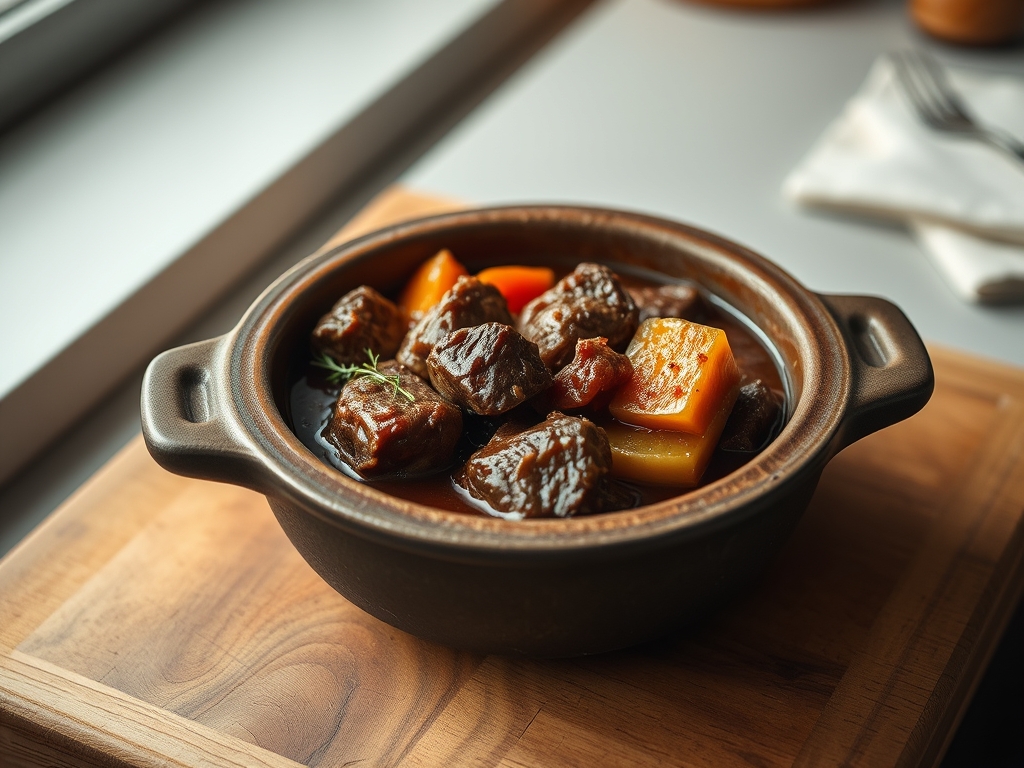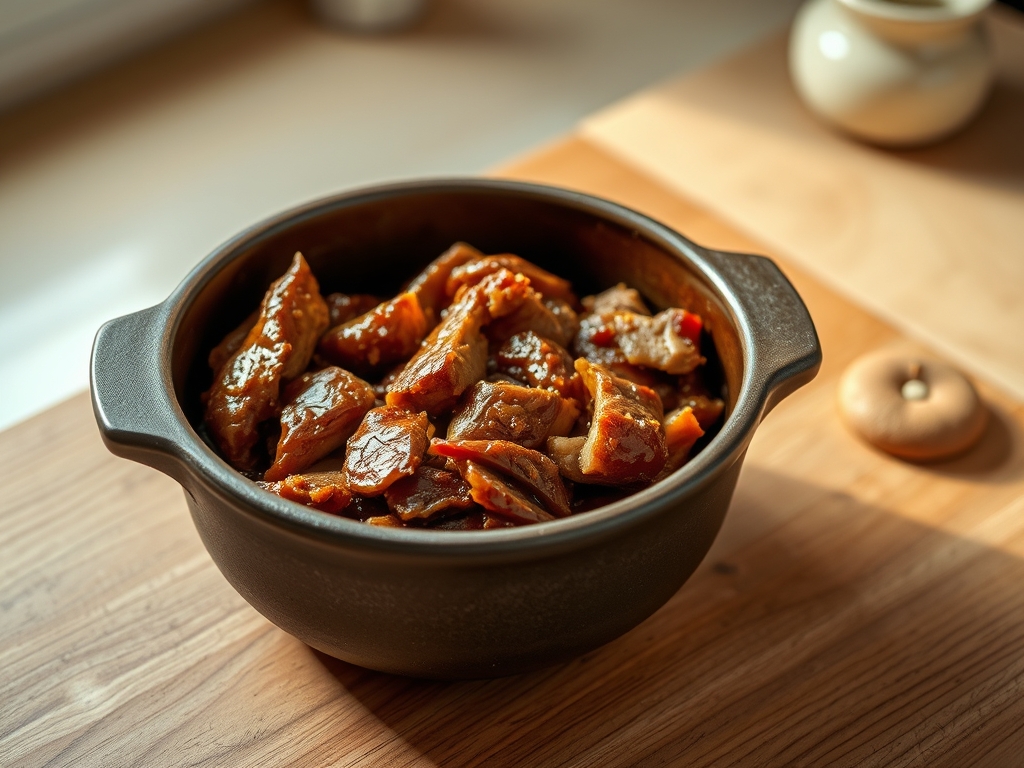
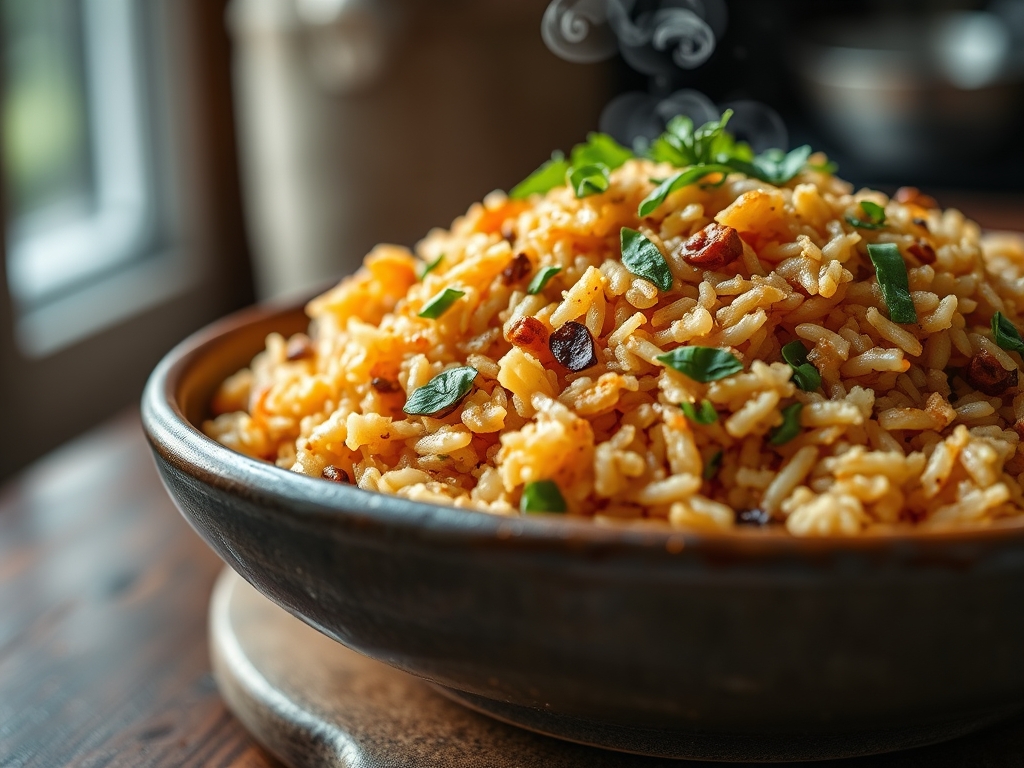
Listen up, infrastructure specialists. We are not just making dinner; we are performing a high speed architectural renovation on a bowl of cold, starch heavy debris. Most home cooks treat their leftover grains like a burden, but in the world of high performance culinary engineering, that day old rice is the ultimate structural asset. We are talking about Multi Cooker Fried Rice, a dish that demands respect for thermal dynamics and surface area optimization. Imagine the scent of toasted sesame oil hitting a hot stainless steel insert, the sharp hiss of soy sauce vaporizing into a salty mist, and the rhythmic clack of a wooden spatula against the vessel walls. This is where the Maillard reaction meets the convenience of modern circuitry. We are going to take that clumped, refrigerated mass and transform it into individual grains of gold, each one coated in a shimmering layer of aromatics and fat. It is time to stop boiling and start searing. This is the definitive audit of your starch infrastructure.
THE DATA MATRIX
| Metric | Specification |
|---|---|
| Prep Time | 10 Minutes |
| Execution Time | 12 Minutes |
| Yield | 4 Servings |
| Complexity | 3/10 |
| Estimated Cost per Serving | $1.45 USD |
THE GATHERS
Ingredient Protocol:
- 600g / 4 cups: Cold, day old long grain white rice (refrigerated).
- 45ml / 3 tbsp: Neutral oil with a high smoke point (Grapeseed or Avocado).
- 3 large: Grade A eggs, lightly beaten.
- 150g / 1 cup: Frozen peas and carrots, thawed and patted dry.
- 30ml / 2 tbsp: Low sodium soy sauce.
- 15ml / 1 tbsp: Toasted sesame oil.
- 10g / 2 cloves: Fresh garlic, minced.
- 5g / 1 tsp: Fresh ginger, finely grated.
- 3 stalks: Green onions, thinly sliced (whites and greens separated).
Section A: Ingredient Quality Audit:
The primary failure point in Multi Cooker Fried Rice is moisture management. If your rice is fresh and steaming, it contains too much internal hydration; putting it into the cooker will result in a gummy, viscous porridge rather than distinct grains. If you must use fresh rice, spread it onto a baking sheet and place it in front of a high speed fan for twenty minutes to evaporate surface moisture. Furthermore, ensure your aromatics are fresh. Pre minced garlic in a jar lacks the sulfurous punch required to infuse the oil. If your ginger feels woody or dry, discard it. High quality ginger should snap cleanly and provide a piquant aroma that cuts through the richness of the rendered fats.
THE MASTERCLASS
1. The Thermal Initialization
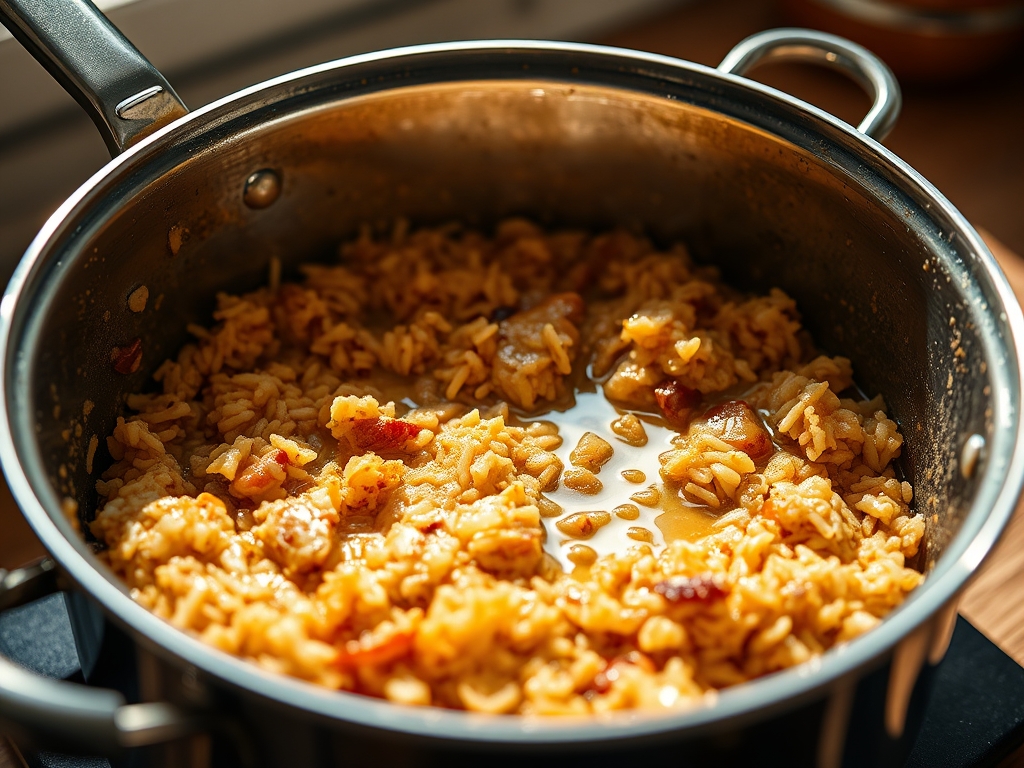
Set your multi cooker to the highest "Sauté" or "Brown" setting. Allow the vessel to preheat for at least three minutes before adding your neutral oil. You want the oil to shimmer and move with low viscosity across the bottom of the pot.
Pro Tip: Use an infrared thermometer to ensure the surface has reached at least 375 degrees Fahrenheit. Professional chefs use this to ensure the Leidenfrost effect, which prevents the rice from sticking to the stainless steel surface.
2. The Allium Infusion
Add the whites of the green onions, the minced garlic, and the grated ginger. Stir rapidly for thirty seconds until the kitchen smells like a five star bistro. Do not let the garlic turn dark brown; we are looking for a pale gold.
Pro Tip: Use a bench scraper to efficiently clear your cutting board of all aromatics in one motion. This ensures all ingredients hit the heat at the same time, preventing uneven browning.
3. The Protein Scramble
Push the aromatics to the outer rim of the pot and pour the beaten eggs into the center. Let them set for ten seconds, then use a silicone spatula to gently scramble them until they are just barely solid.
Pro Tip: Use a digital scale to measure your liquid egg volume if you are cooking in bulk. This maintains a consistent protein to starch ratio, ensuring every bite has the same structural integrity.
4. The Starch Integration
Add the cold rice to the pot. Use your spatula to break up any large clumps. You want to maximize the surface area of the rice against the heat. Stir constantly to coat every grain in the infused oil and egg mixture.
Pro Tip: A saucier or high sided spatula is the ideal tool here. It allows you to toss the rice against the curved walls of the multi cooker, which helps to aerate the grains and prevents them from steaming in their own heat.
5. The Glaze and Finish
Pour the soy sauce and sesame oil over the rice, not directly onto the bottom of the pot. Add the peas and carrots. Toss everything for another two minutes until the vegetables are heated through and the rice has a glossy, toasted appearance.
Pro Tip: This is the moment to deglaze any flavorful browned bits (fond) stuck to the bottom of the pot. The moisture from the soy sauce will loosen these particles, incorporating deep umami flavors back into the rice.
Section B: Prep & Timing Fault-Lines:
Timing is the difference between a culinary masterpiece and a soggy mess. If you add the soy sauce too early, the rice will absorb the liquid and lose its structural "snap." If your multi cooker shuts off due to an "Overheat" error, it usually means there is a lack of fat or too much starch buildup on the bottom. Immediately remove the inner pot, add a splash of water to deglaze, and scrape the bottom clean before resuming. Always have your ingredients prepped and ready in bowls (mise en place) because the window for the perfect sear is less than sixty seconds.
THE VISUAL SPECTRUM
Section C: Thermal & Visual Troubleshooting:
Look at the Masterclass photo above. Notice the distinct separation of grains; they are not clumped together. If your dish looks like a solid mass, you likely skipped the "cold rice" protocol. The colors should be vibrant; the peas should be a bright forest green, not a dull olive. If your vegetables look gray, they have been overcooked. The rice itself should have tiny brown flecks on the edges, indicating a successful Maillard reaction. If the dish looks pale and wet, increase the heat and stop stirring for thirty seconds to allow a crust to form on the bottom layer.
THE DEEP DIVE
Macro Nutrition Profile:
A standard serving of this Multi Cooker Fried Rice provides approximately 350 calories. It is heavy on complex carbohydrates (55g) for immediate energy, supported by 8g of protein from the eggs and 12g of healthy fats. By controlling the oil and sodium at home, you reduce the caloric density by 40% compared to takeout versions.
Dietary Swaps:
- Vegan: Replace the eggs with crumbled firm tofu seasoned with turmeric and nutritional yeast.
- Keto: Swap the rice for riced cauliflower. Reduce the sauté time to prevent the cauliflower from becoming mushy.
- Gluten-Free: Ensure you use Tamari or liquid aminos instead of standard soy sauce.
Meal Prep & Reheating Science:
To maintain the molecular structure when reheating, avoid the microwave if possible. The microwave agitates water molecules, which can make the starch grains burst and turn gummy. Instead, reheat in a pan with a teaspoon of water and a lid. The steam will rehydrate the center of the grain while the pan maintains the exterior crispness.
THE KITCHEN TABLE
Why is my fried rice always mushy?
You are likely using warm, freshly cooked rice. Fresh rice has too much surface moisture. Use cold, day old rice to ensure the grains stay separate and achieve that signature "snap" during the searing process.
Can I use brown rice for this recipe?
Absolutely. Brown rice actually has a tougher exterior bran layer, which makes it even more resilient to the high heat of a multi cooker. It adds a pleasant nutty flavor and extra fiber to the dish.
What is the best oil to use?
Avoid extra virgin olive oil or butter for the initial sear. They have low smoke points and will burn. Use Grapeseed, Avocado, or Peanut oil to handle the high temperatures required for a proper sear.
How do I get that "restaurant" flavor?
The secret is a pinch of MSG or a splash of oyster sauce at the very end. These ingredients provide a massive hit of umami that balances the salt and fat, creating a complex, savory profile.