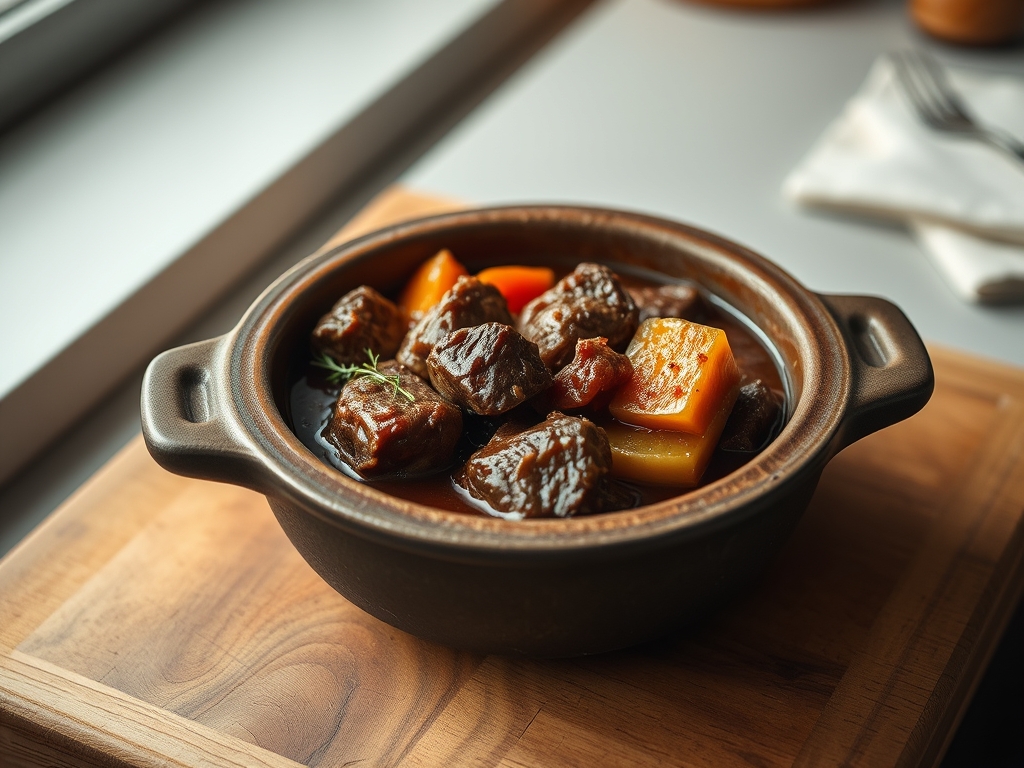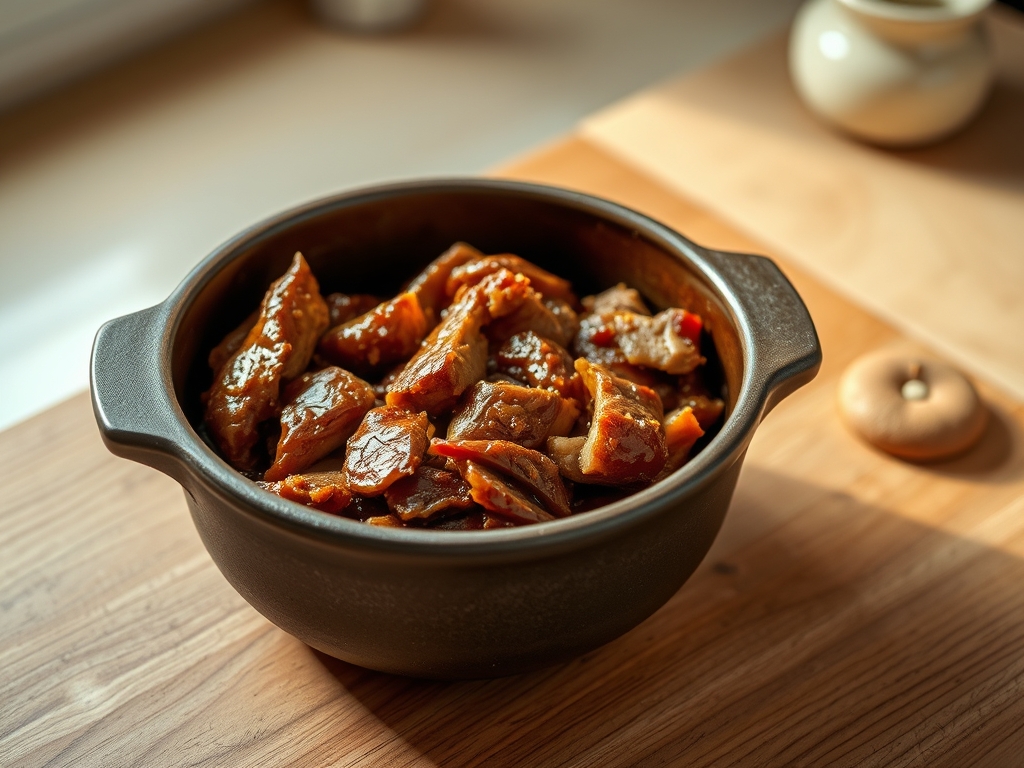
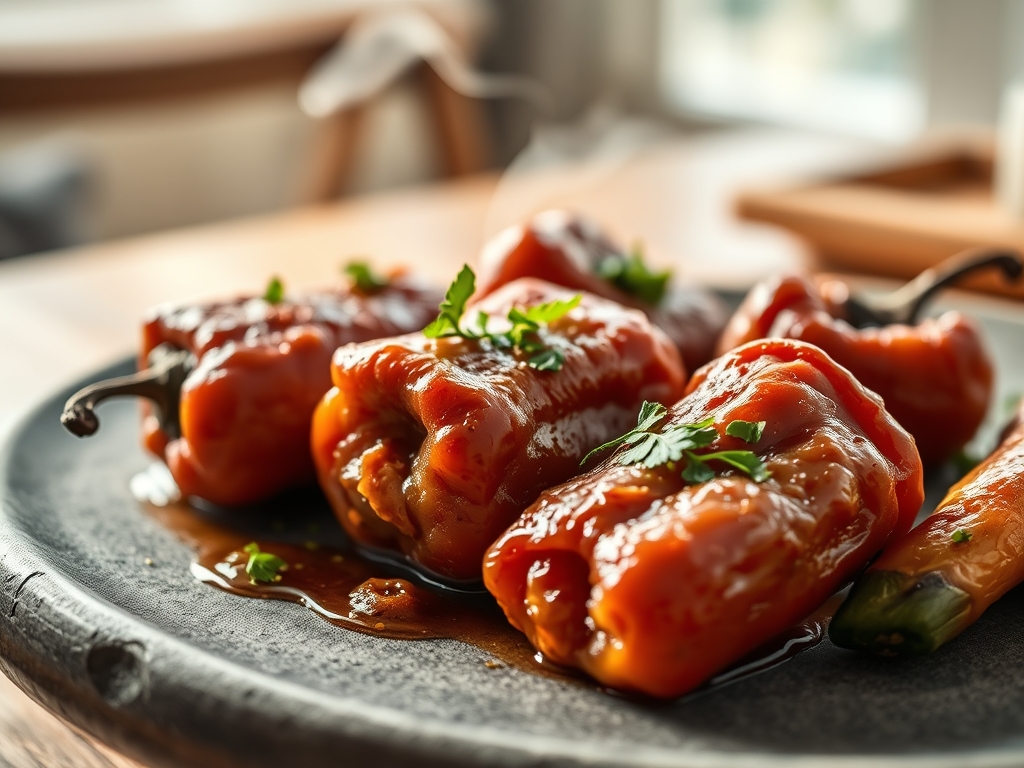
Listen to the high-frequency sizzle echoing against the stainless steel walls of your workstation. This is not just a meal; it is a high-velocity thermal exchange where cold lipids meet radiant heat. We are here to execute the definitive Multi Cooker Sausage Peppers protocol. Imagine the Maillard reaction firing at peak efficiency as pork proteins undergo a complex chemical transformation. The air fills with the piquant aroma of toasted fennel seeds and the sweet, caramelized sugars of bell peppers. Most home cooks fail because they treat the multi cooker like a passive vessel. We treat it like a pressurized laboratory. We are looking for that specific moment where the fat begins to render and the sugars in the vegetables start to glaze the exterior of the links. This process requires precision timing and an understanding of moisture management. If you want a soggy mess, look elsewhere. If you want a dish that balances viscous, savory juices with the sharp snap of perfectly charred skins, then prepare for a technical audit of your culinary infrastructure.
THE DATA MATRIX
| Metric | Specification |
|---|---|
| Prep Time | 15 Minutes |
| Execution Time | 25 Minutes |
| Yield | 4 Standard Units (Servings) |
| Complexity | 3 / 10 |
| Estimated Cost | $3.25 USD / Serving |
THE GATHERS
Ingredient Protocol:
- 680g / 1.5 lbs Italian Pork Sausages (Mild or Hot)
- 3 Large Bell Peppers (Tri-color for visual spectrum)
- 1 Large Yellow Onion (Approximately 300g)
- 45ml / 3 tbsp Extra Virgin Olive Oil
- 4 Garlic Cloves (Thinly sliced via mandoline)
- 120ml / 0.5 cup Dry White Wine or Chicken Stock
- 5g / 1 tsp Dried Oregano
- 2g / 0.5 tsp Red Pepper Flakes
- To Taste: Kosher Salt and Freshly Cracked Black Pepper
Section A: Ingredient Quality Audit:
The primary failure point in this assembly is the sausage casing. If using "supermarket grade" links with synthetic collagen casings, they may shrivel or burst under high pressure. Seek out natural hog casings for superior snap. If your peppers feel flaccid or show signs of dehydration, they will lack the cellular structure to withstand the sauté cycle. To fix "tired" vegetables, submerge them in an ice bath for ten minutes prior to slicing to restore turgor pressure. If your garlic has sprouted a green germ, remove it immediately. That germ contains bitter compounds that will ruin the delicate sweetness of your deglaze.
THE MASTERCLASS
Step 1: The Thermal Initiation
Set your multi cooker to the highest Sauté setting. Allow the vessel to reach thermal equilibrium before adding your 45ml of olive oil. Once the oil begins to shimmer and reaches its smoke point, introduce the whole sausage links. Sear them for 3 to 4 minutes per side until a deep mahogany crust forms.
Pro Tip: Use a digital infrared thermometer to ensure the surface of the pot is at least 375 degrees Fahrenheit. This ensures the Maillard reaction occurs rapidly without overcooking the interior of the link.
Step 2: The Aromatic Infusion
Remove the sausages and set them aside on a stainless steel cooling rack to prevent the bottom skins from steaming. Add the sliced onions and peppers to the rendered fat. Sauté until the onions become translucent and the peppers show localized charring. Add the garlic, oregano, and red pepper flakes in the final 60 seconds to prevent scorching.
Pro Tip: Use a heavy-duty bench scraper to move the vegetables efficiently across the cooking surface; this ensures even heat distribution and prevents "hot spots" in the multi cooker base.
Step 3: The Deglaze and Pressurization
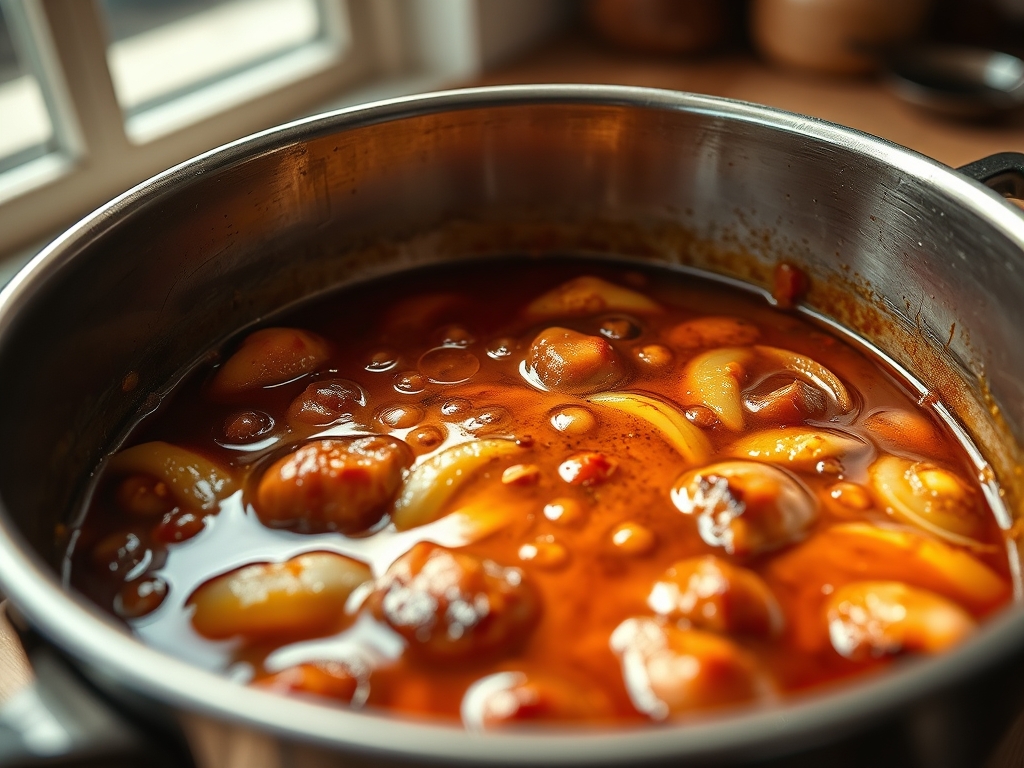
Pour in the 120ml of white wine or stock. Use a wooden spatula to scrape the bottom of the pot, lifting the "fond" (the caramelized protein bits) into the liquid. This creates a viscous sauce base. Return the sausages to the pot, nestling them into the vegetables. Secure the lid and set to Manual High Pressure for 5 minutes.
Pro Tip: Deglazing is a chemical necessity. The alcohol in the wine acts as a solvent, capturing flavor molecules that are not water-soluble and incorporating them into the final sauce.
Step 4: The Emulsification Finish
Perform a quick pressure release. Remove the lid and switch back to Sauté mode for 2 to 3 minutes. This allows the excess moisture to evaporate, concentrating the flavors and thickening the liquid into a glossy glaze that coats every ingredient.
Pro Tip: Use a saucier spoon to baste the sausages with the reduced liquid during this final phase. This adds a secondary layer of flavor and ensures a professional, reflective sheen on the final product.
Section B: Prep & Timing Fault-Lines:
The most common human error is the "crowded pot" syndrome. If you add too many peppers at once, the temperature of the vessel drops instantly, causing the vegetables to steam in their own juice rather than sear. Work in batches if necessary. Another timing error is the "delayed release." Leaving the sausages under residual pressure for too long will result in a mealy, over-extracted texture. Use a digital kitchen timer to track the exact moment the pressure cycle ends.
THE VISUAL SPECTRUM
Section C: Thermal & Visual Troubleshooting:
Referencing the Masterclass photo, your Multi Cooker Sausage Peppers should exhibit a vibrant contrast between the deep reds of the peppers and the dark, blistered skins of the sausages. If your dish looks dull or grey, you likely skipped the initial sear or used a low-quality oil with a low smoke point. If the sauce is watery rather than viscous, your reduction phase was insufficient. If the peppers have turned to mush, your "tapered cut" was too thin. Aim for 1cm strips to maintain structural integrity. The presence of "bright" green herbs at the end can also correct a visually "heavy" dish by adding a pop of color and freshness.
THE DEEP DIVE
Macro Nutrition Profile:
A standard serving provides approximately 35g of protein, 28g of lipids, and 12g of carbohydrates. The primary caloric density comes from the rendered pork fat, which serves as the flavor carrier for the fat-soluble vitamins in the bell peppers.
Dietary Swaps:
- Vegan: Substitute pork links with high-protein seitan sausages and use mushroom broth for the deglaze to maintain umami depth.
- Keto: This dish is inherently keto-friendly; ensure the white wine is bone-dry to minimize residual sugars.
- GF: Most sausages are gluten-free, but always audit the label for "rusk" or breadcrumb fillers used as binders.
Meal Prep & Reheating Science:
To maintain molecular structure during reheating, avoid the microwave. The localized agitation of water molecules will turn the peppers into a slurry. Instead, use a skillet over medium heat with a splash of water and a lid. This recreates a micro-steam environment that re-hydrates the protein without destroying the cellular walls of the vegetables.
THE KITCHEN TABLE
Can I use frozen peppers for this protocol?
Technically yes, but expect a significant loss in texture. Frozen peppers have compromised cell walls due to ice crystal formation. They will release excess water, requiring a much longer reduction phase to achieve a viscous sauce.
What if I do not have white wine?
A 50/50 mixture of apple cider vinegar and water provides the necessary acidity to balance the heavy lipids. The goal is to provide a sharp, piquant counterpoint to the savory pork fat.
Why are my sausages bursting during the sear?
This is caused by rapid internal steam expansion. Use a cake tester or a small needle to prick the casings in three or four places before cooking. This allows steam to escape without compromising the structural integrity of the link.
How do I get more char in a multi cooker?
The "Sauté" function on many units has a "More" or "High" setting. Use this and wait for the "Hot" indicator. Do not move the meat for at least three minutes; patience is required for proper carbonization.