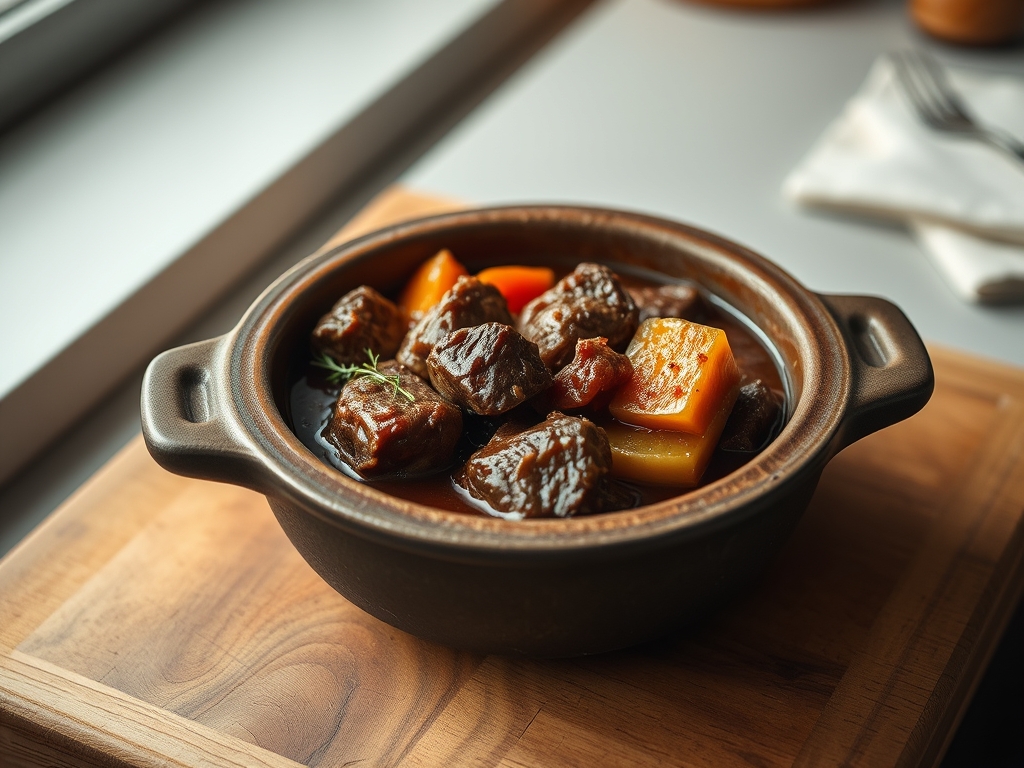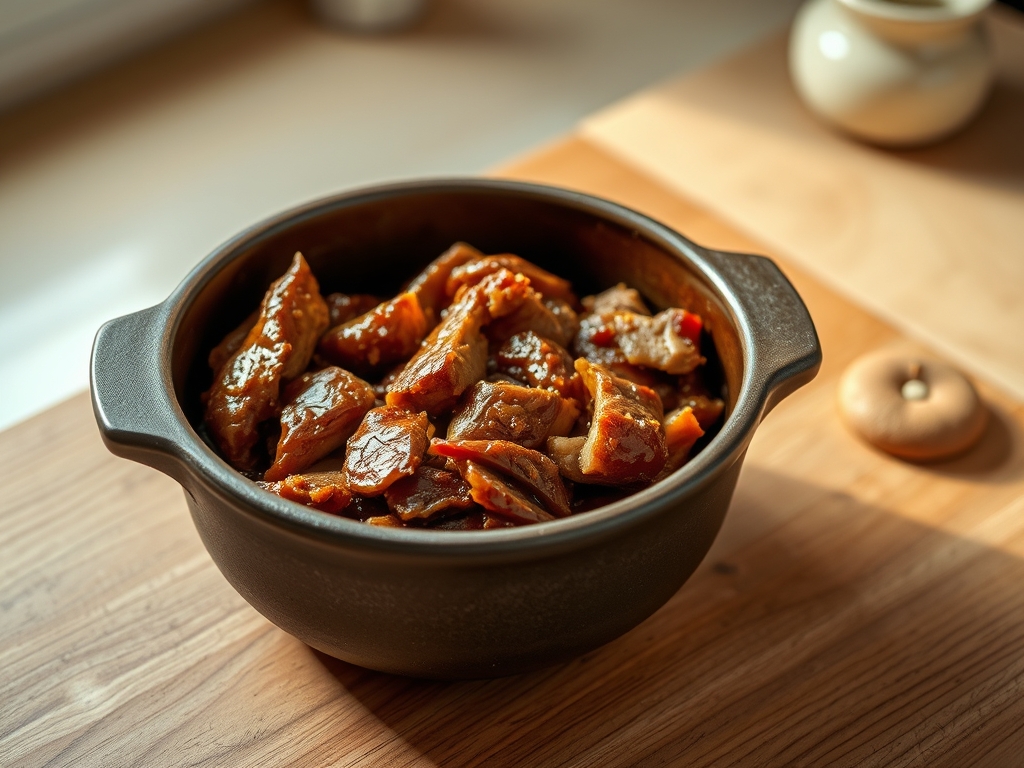
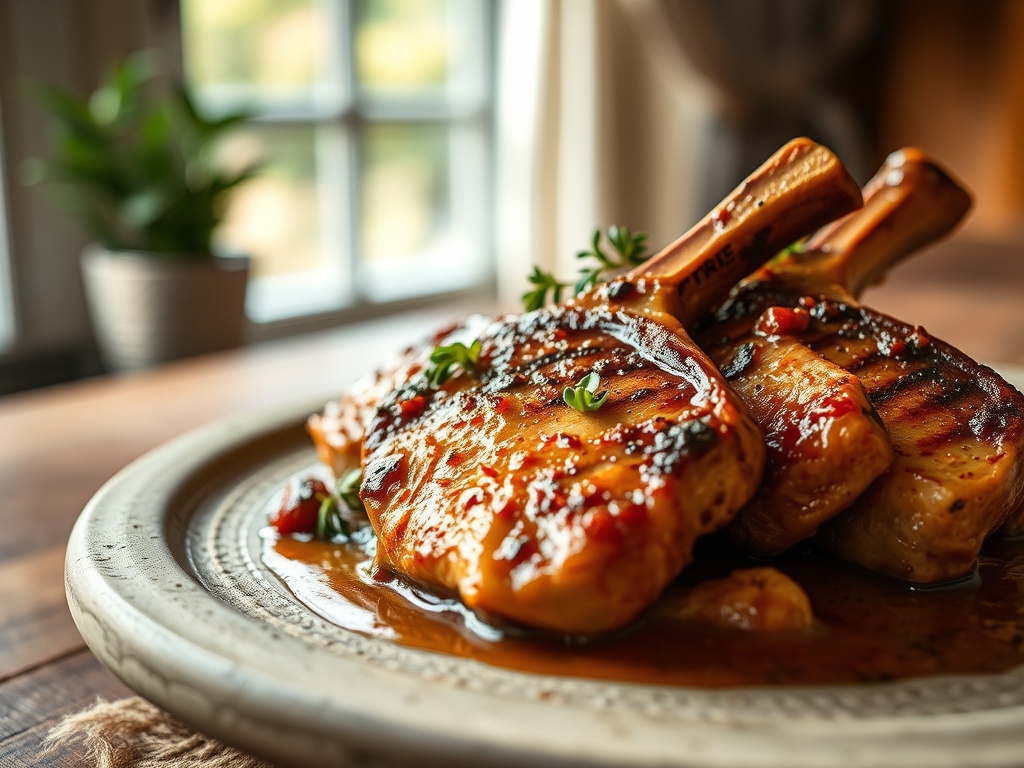
Listen to the sound of high-velocity lipid molecules colliding with a searing stainless steel surface. That aggressive hiss is the symphony of the Maillard reaction in its prime. When you execute Multi Cooker Pork Chops, you are not just making dinner; you are conducting a thermal audit of protein structures. The goal is a crust so deep and mahogany that it borders on the architectural, protecting a core that remains succulent and translucent. Most home cooks fail because they treat the sauté function like a lukewarm suggestion. We treat it like a forge. We are looking for that specific moment where amino acids and reducing sugars dance into a complex lattice of flavor compounds. This is about precision. It is about the delta between a gray, steamed slab of protein and a masterpiece of caramelized perfection. If your kitchen does not smell like a high-end steakhouse within three minutes, you have already lost the thermal war. Grab your digital probe and clear the counter; we are about to optimize your pork protocol.
THE DATA MATRIX
| Metric | Specification |
|---|---|
| Prep Time | 15 Minutes |
| Execution Time | 25 Minutes |
| Yield | 4 Servings |
| Complexity (1-10) | 4 |
| Estimated Cost per Serving | $4.50 USD |
THE GATHERS
Ingredient Protocol:
- 4 Center-cut bone-in pork chops (approx. 2.5cm / 1 inch thick)
- 30ml / 2 tbsp High-smoke point oil (Avocado or Grapeseed)
- 15g / 1 tbsp Unsalted grass-fed butter
- 3g / 1 tsp Kosher salt
- 2g / 0.5 tsp Freshly cracked black pepper
- 120ml / 0.5 cup Chicken bone broth (high collagen content)
- 15ml / 1 tbsp Apple cider vinegar
- 3 cloves Garlic, smashed
- 2 sprigs Fresh rosemary
Section A: Ingredient Quality Audit:
The primary failure point in Multi Cooker Pork Chops is moisture. If your pork arrives in a vacuum-sealed bag sitting in a pool of "solution," your Maillard reaction is doomed. This excess water creates a steam jacket that prevents the surface temperature from exceeding 100C (212F). To fix this, you must perform a surface desiccation ritual. Pat the meat dry with lint-free towels and let it air-dry on a wire rack in the refrigerator for at least an hour. If the meat lacks intramuscular fat, it will turn into a dry puck. Look for marbling; that fat will render during the sear, providing the lubrication necessary for even heat distribution. If your garlic is sprouting green centers, remove them; those embryos contain bitter compounds that will turn piquant in a negative way once hit with high heat.
THE MASTERCLASS
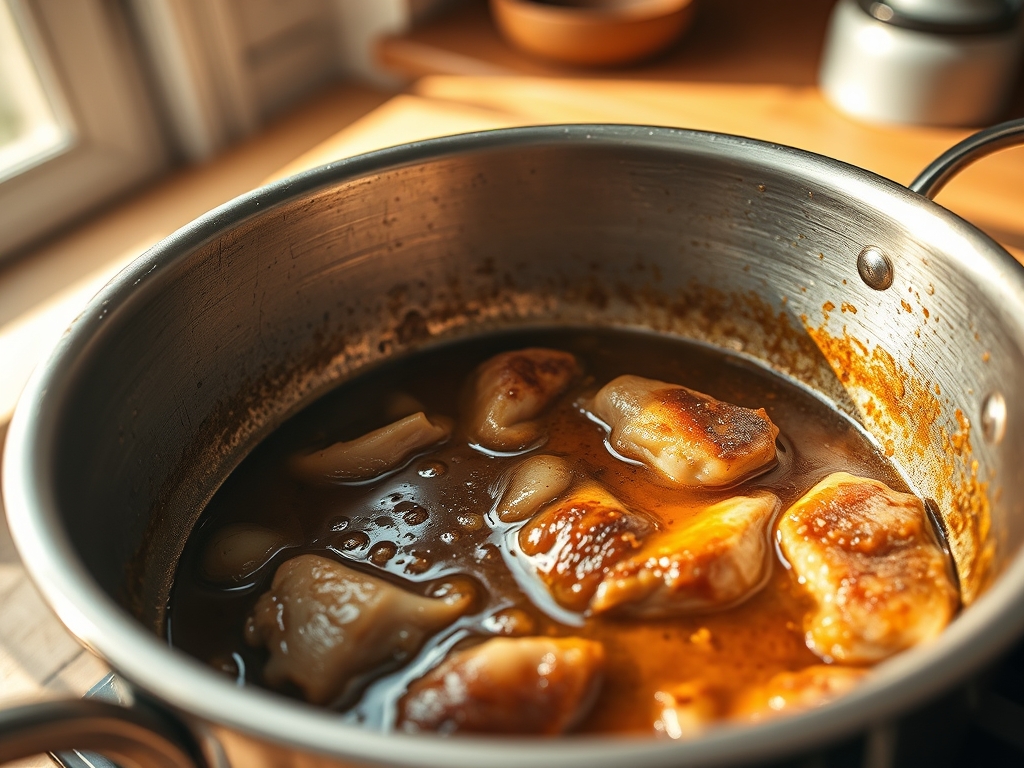
Step 1: The Thermal Calibration
Activate the "Sauté" or "Brown" function on your multi-cooker and set it to the highest possible temperature. Allow the vessel to preheat for at least five minutes. You are waiting for the "Leidenfrost point" where a drop of water skitters across the surface rather than evaporating.
Pro Tip: Use an infrared thermometer to verify the base of the pot has reached 200C (400F). A digital scale ensures your salt distribution is consistent across all chops, preventing localized over-seasoning.
Step 2: The Initial Sear
Add your high-smoke point oil. Once the oil begins to shimmer and show viscous legs, carefully lay the pork chops away from you to avoid splatter. Do not crowd the pot. If you have four chops, sear them in two batches.
Pro Tip: Use a heavy saucier or a dedicated weight to press the meat against the heating element. This ensures maximum surface contact, accelerating the Maillard reaction before the internal temperature rises too far.
Step 3: The Deglaze and Infuse
Once a dark crust has formed, flip the chops for sixty seconds, then remove them to a warm plate. Pour in the bone broth and vinegar. Use a bench scraper or wooden spatula to aggressively scrape the "fond" (the brown bits) from the bottom of the pot.
Pro Tip: The acidity in the vinegar acts as a chemical surfactant, helping to infuse the liquid with the concentrated flavors of the caramelized proteins. This is where the sauce gains its structural integrity.
Step 4: The Pressurized Finish
Return the chops to the pot, layering them slightly if necessary. Add the garlic and rosemary. Lock the lid and set to "Pressure Cook" on high for exactly 3 minutes. This short burst uses steam to melt any remaining connective tissue without drying out the lean muscle fibers.
Pro Tip: Use a digital probe thermometer immediately upon opening the lid. You are aiming for an internal temperature of 63C (145F). The carryover heat will finish the job during the rest phase.
Section B: Prep & Timing Fault-Lines:
The most common human error is the "Anxious Flip." If you move the meat before the proteins have naturally released from the metal surface, you will tear the fibers and lose the crust. Patience is a technical requirement. Another timing fault occurs during the pressure release. Always use a "Quick Release" for pork chops. A natural release takes too long; the residual heat will continue to cook the meat, turning a juicy chop into a fibrous mess within minutes. If your sauce is too thin after the pressure cycle, remove the meat and use the sauté function again to aerate and reduce the liquid until it coats the back of a spoon.
THE VISUAL SPECTRUM
Section C: Thermal & Visual Troubleshooting:
Referencing the Masterclass photo, observe the deep amber hue of the sauce. If your sauce looks pale or watery, you did not deglaze effectively or failed to reduce the liquid. If the pork looks gray rather than mahogany, your initial sear temperature was too low. Another visual cue is the "pull" of the meat from the bone. In the photo, the meat is still firmly attached but looks tender. If the meat is falling off the bone like pulled pork, you have over-pressurized the dish and destroyed the cellular structure. To fix a dull appearance, whisk in a cold knob of butter at the very end (monter au beurre) to create a glossy, emulsified sheen that catches the light and adds a velvety mouthfeel.
THE DEEP DIVE
Macro Nutrition Profile:
A standard 170g serving of these Multi Cooker Pork Chops provides approximately 350 calories. You are looking at 45g of protein, 18g of fat (mostly monounsaturated if using avocado oil), and 0g of carbohydrates. It is a metabolic powerhouse.
Dietary Swaps:
- Keto: This recipe is naturally keto-compliant. Ensure your bone broth has no added sugars.
- Vegan: Replace pork with thick slabs of cauliflower or "Lion's Mane" mushrooms. Use vegetable stock and vegan butter. Reduce pressure time to 1 minute.
- GF: Ensure your broth is certified gluten-free. The natural collagen should thicken the sauce without the need for flour.
Meal Prep & Reheating Science:
To maintain molecular structure during reheating, avoid the microwave. The high-frequency waves agitate water molecules, causing them to steam the meat from the inside out and creating a rubbery texture. Instead, reheat gently in a covered pan with a splash of broth over low heat. This preserves the viscous nature of the sauce and keeps the protein fibers hydrated.
THE KITCHEN TABLE
Why are my pork chops tough?
You likely skipped the quick-release or over-seared the meat before the pressure cycle. Pork chops are lean; every extra minute of heat causes the muscle fibers to tighten and squeeze out precious moisture.
Can I use boneless chops?
Yes, but reduce the pressure cooking time to 2 minutes. Bones act as thermal insulators, slowing down the cooking process. Without them, the meat reaches the "danger zone" of over-cooking much faster.
What is the best oil for searing?
Avoid extra virgin olive oil or butter for the initial sear. Their smoke points are too low. Use avocado oil or ghee to handle the 200C+ temperatures required for a professional-grade Maillard crust.
How do I get a thicker sauce?
If the reduction isn't happening fast enough, whisk in a small "slurry" of cornstarch and water. However, a true culinary auditor prefers reducing the natural collagen-rich broth until it reaches a naturally syrupy consistency.