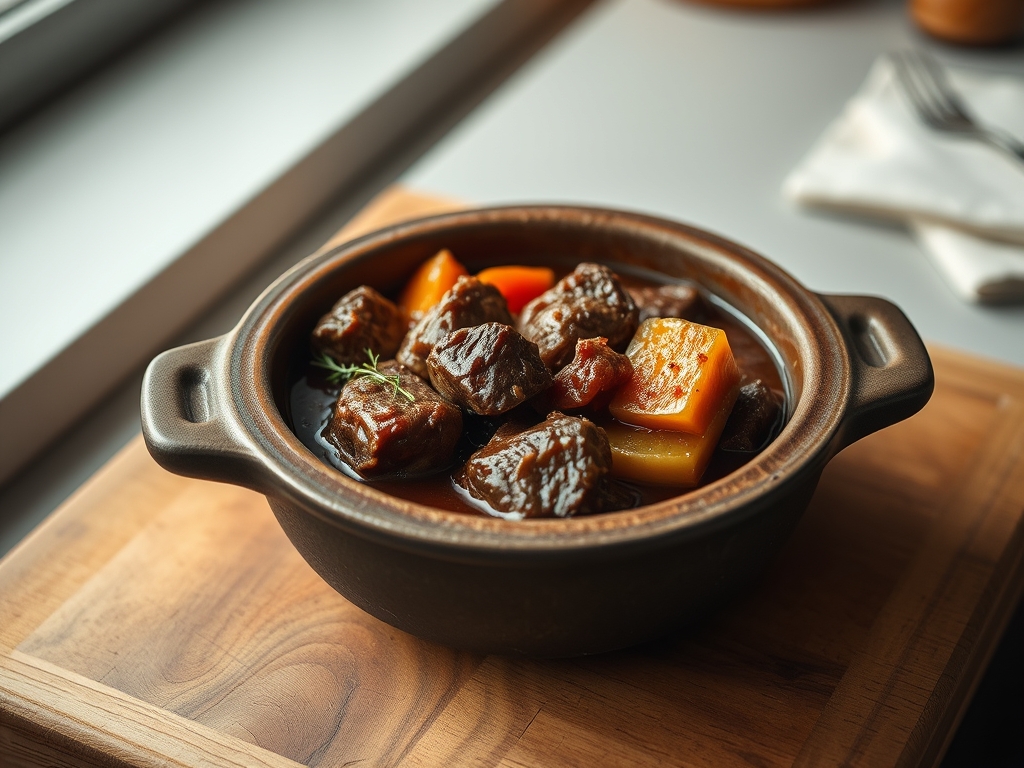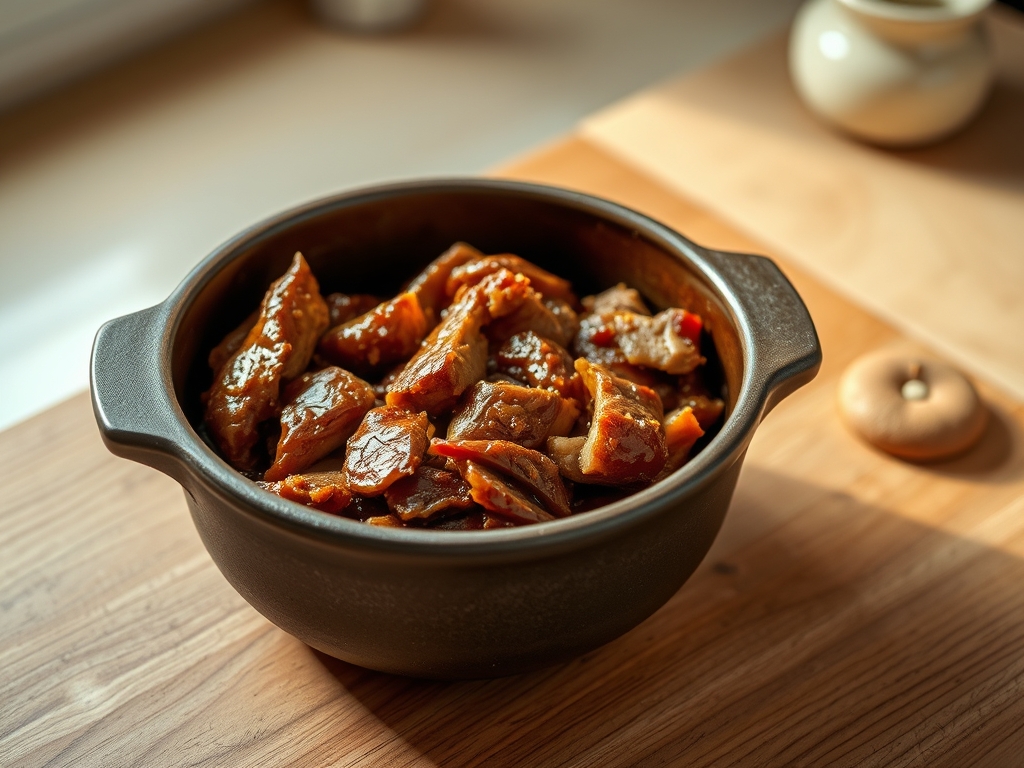
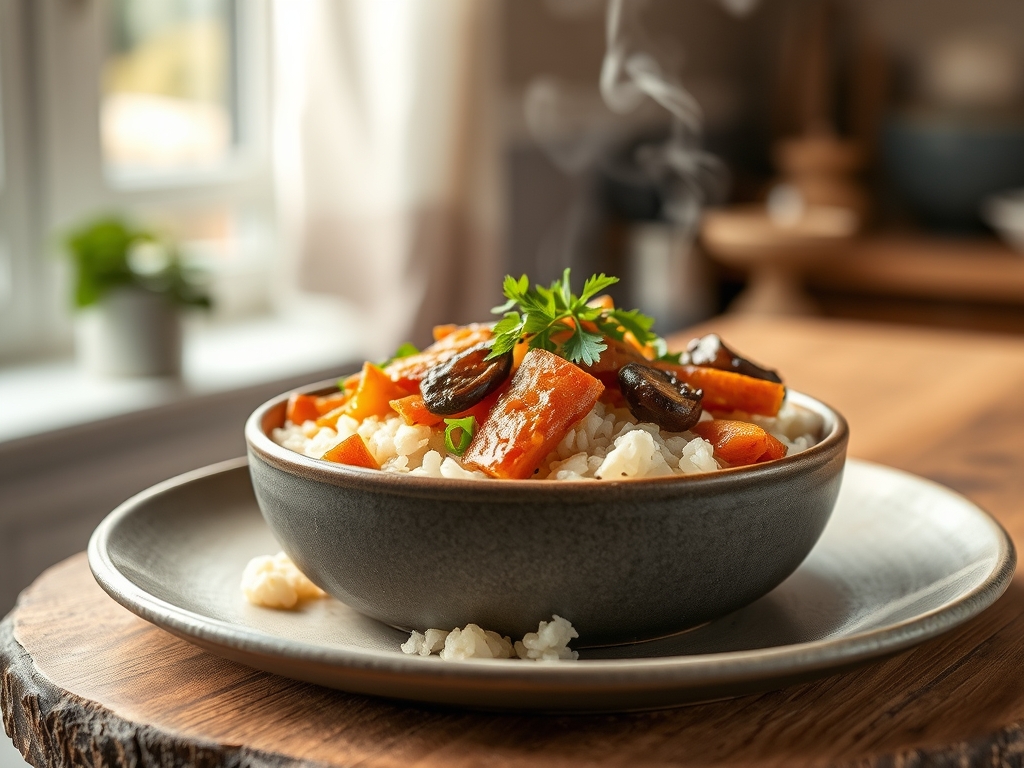
Stop treating your rice cooker like a secondary appliance and start treating it like a thermal processing plant. Most home cooks view the device as a single-function steamer; they are wrong. When you master the Rice Cooker One Pot Meal, you are not just making dinner; you are managing a closed-system pressure environment where hydration and heat transfer collide in a glorious display of culinary efficiency. Imagine the scent of jasmine rice blooming under a blanket of rendering chicken fat and aromatic ginger. Picture the steam rising as you unseal the lid, revealing grains that have absorbed every drop of umami-rich broth while the proteins on top have reached a state of perfect, succulent tenderness. This is not lazy cooking. This is a high-level technical audit of flavor extraction. We are looking for that specific point where the starch gelatinizes just enough to provide a silky mouthfeel without losing individual grain integrity. We are chasing the Maillard reaction in a moist-heat environment. It is time to recalibrate your kitchen workflow for maximum output with minimal entropy.
THE DATA MATRIX
| Metric | Specification |
|---|---|
| Prep Time | 15 Minutes |
| Execution Time | 35 Minutes |
| Yield | 4 Standard Servings |
| Complexity | 3 / 10 |
| Estimated Cost per Serving | $2.75 USD |
THE GATHERS
Ingredient Protocol:
- 300g / 2 cups Long-grain Jasmine Rice
- 450ml / 1.9 cups Low-sodium Chicken Bone Broth
- 400g / 14 oz Boneless Chicken Thighs (cubed)
- 30ml / 2 tbsp Toasted Sesame Oil
- 45ml / 3 tbsp Light Soy Sauce
- 15g / 1 tbsp Fresh Grated Ginger
- 10g / 2 cloves Minced Garlic
- 150g / 1 cup Frozen Shiitake Mushrooms (sliced)
- 100g / 0.5 cup Sliced Scallions
Section A: Ingredient Quality Audit:
If your rice smells like cardboard, your oxidation levels are too high. Always store rice in airtight containers to prevent rancidity. If your chicken feels "woody," you are likely dealing with poor-quality commercial poultry; the fix is a 20-minute brine in salt and sugar to denature the proteins before they hit the cooker. If your ginger is shriveled and fibrous, it will not infuse the oil correctly. Use a microplane to create a paste, which increases surface area for maximum flavor extraction. Sub-par soy sauce often lacks the deep fermented notes required for this dish; look for "naturally brewed" labels to ensure a complex amino acid profile that provides the necessary piquant finish.
THE MASTERCLASS
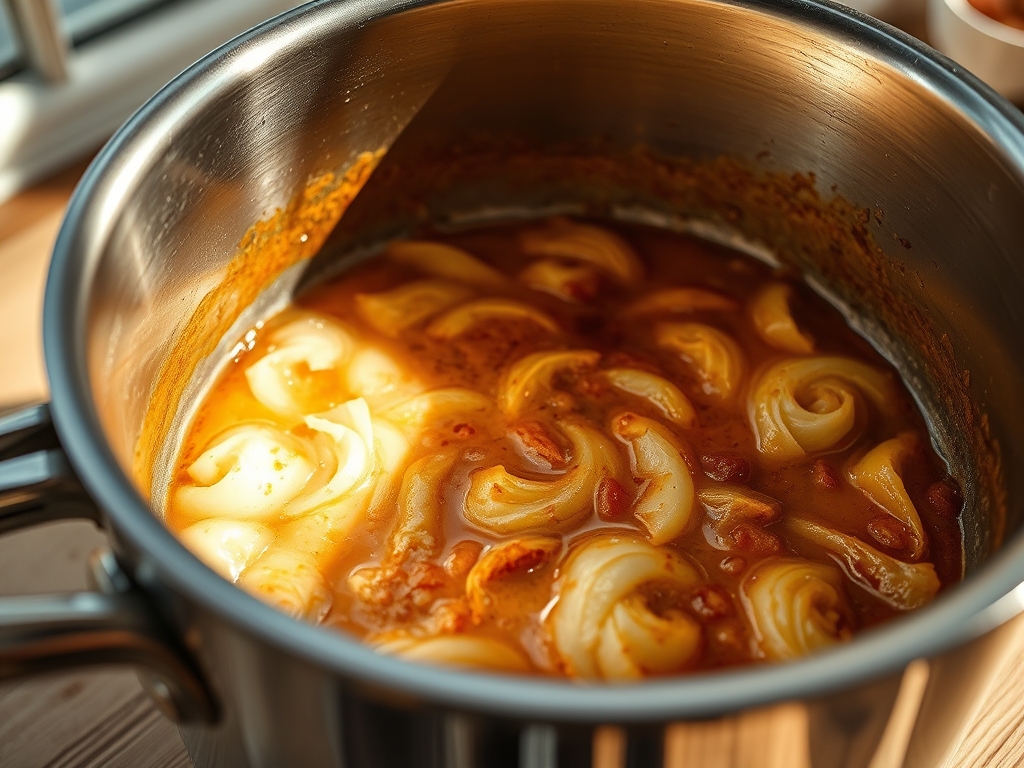
Step 1: Starch De-dusting and Hydration
Place your rice in a fine-mesh sieve and rinse until the water runs crystal clear. Use a digital scale to measure your broth precisely. Accuracy here is the difference between fluffy grains and a gummy mess.
Pro Tip: Rinsing removes excess surface starch. If left behind, this starch creates a viscous glue that prevents heat from circulating evenly between the grains.
Step 2: The Aromatic Infusion
In a small saucier or mixing bowl, whisk together the soy sauce, sesame oil, ginger, and garlic. Toss the chicken thighs in this mixture to coat them thoroughly.
Pro Tip: The fat in the sesame oil acts as a flavor carrier. Because many aromatic compounds are fat-soluble, this ensures the ginger and garlic notes infuse the entire Rice Cooker One Pot Meal rather than just sitting on the surface.
Step 3: Layering the Thermal Bed
Add the rinsed rice to the cooker followed by the broth. Use a bench scraper or a flat spatula to level the rice surface. Layer the marinated chicken and mushrooms directly on top of the rice. Do not stir.
Pro Tip: Layering allows the chicken to steam gently while its juices drip down, seasoning the rice from the top down. This creates a flavor gradient that is far more complex than a pre-mixed slurry.
Step 4: Execution and The Rest Phase
Close the lid and initiate the "Standard" or "White Rice" cycle. Once the timer expires, do not open the lid immediately. Allow the unit to remain on "Keep Warm" for exactly 10 minutes.
Pro Tip: This rest period allows the moisture to redistribute. The residual heat ensures that any remaining liquid is absorbed into the center of the rice grains, preventing a soggy bottom layer.
Section B: Prep & Timing Fault-Lines:
The most common human error is the "Peek Factor." Opening the lid during the cycle causes an immediate drop in internal pressure and temperature, which ruins the thermal equilibrium. If your chicken is still pink, your cuts were likely too large; ensure a uniform 2cm cube for consistent heat penetration. If the rice is crunchy, your broth-to-rice ratio was off. Always use a digital scale for liquids, as volumetric cups can vary by up to 10% depending on the pour.
THE VISUAL SPECTRUM
Section C: Thermal & Visual Troubleshooting:
Referencing the Masterclass photo, you should see distinct, separated grains with a slight golden hue from the soy sauce. If your dish looks pale and washed out, you likely skipped the ginger-soy marinade step. If the mushrooms look shriveled rather than plump, they were likely dehydrated; soaking them in the broth for 5 minutes before cooking will fix this. Uneven browning on the bottom (the "tadig" effect) is actually a desirable feature in many cultures, but if it smells burnt, your cooker's sensors are likely failing or the sugar content in your marinade was too high. To aerate the dish and improve the visual presentation, use a rice paddle to gently fold the ingredients together after the rest phase, ensuring you don't mash the grains.
THE DEEP DIVE
Macro Nutrition Profile:
A standard serving of this Rice Cooker One Pot Meal provides approximately 450 calories. You are looking at a balanced split of 35g Carbohydrates, 28g Protein, and 12g Fats. The inclusion of shiitake mushrooms adds a significant dose of Vitamin D and selenium, while the bone broth provides collagen and essential minerals.
Dietary Swaps:
- Vegan: Replace chicken with extra-firm smoked tofu cubes and use vegetable bouillon instead of bone broth.
- Keto: This is a grain-heavy dish, but you can swap jasmine rice for "RightRice" (a legume-based grain) or cauliflower rice. Note that cauliflower rice requires 80% less liquid.
- GF: Ensure your soy sauce is replaced with Tamari or liquid aminos to maintain a gluten-free profile.
Meal Prep & Reheating Science:
To maintain the molecular structure during reheating, avoid the microwave if possible. Instead, use a steamer basket for 5 minutes. This re-hydrates the starch molecules without making them rubbery. If you must use a microwave, add a teaspoon of water and cover the dish tightly to create a localized steam chamber.
THE KITCHEN TABLE
Why is my rice mushy even though I followed the measurements?
You likely didn't account for the liquid in the chicken and mushrooms. For high-moisture add-ins, reduce your broth by 2 tablespoons to maintain the perfect thermal balance and prevent over-saturation of the grain.
Can I use brown rice for this one-pot method?
Yes, but you must increase the broth by 120ml and use the "Brown Rice" setting. Brown rice has an intact bran layer that requires more time and energy to render soft and edible.
What is the best way to clean the cooker after a one-pot meal?
Soak the inner pot in warm, soapy water immediately. The soy sauce and fats can create a stubborn film. Use a non-abrasive sponge to protect the non-stick coating and ensure future heat conductivity remains optimal.
Is it safe to cook raw chicken directly with the rice?
Absolutely. The internal temperature of a rice cooker exceeds 212 degrees Fahrenheit (100 Celsius), which is well above the safety threshold for poultry. The closed-system environment ensures the meat is fully pasteurized.