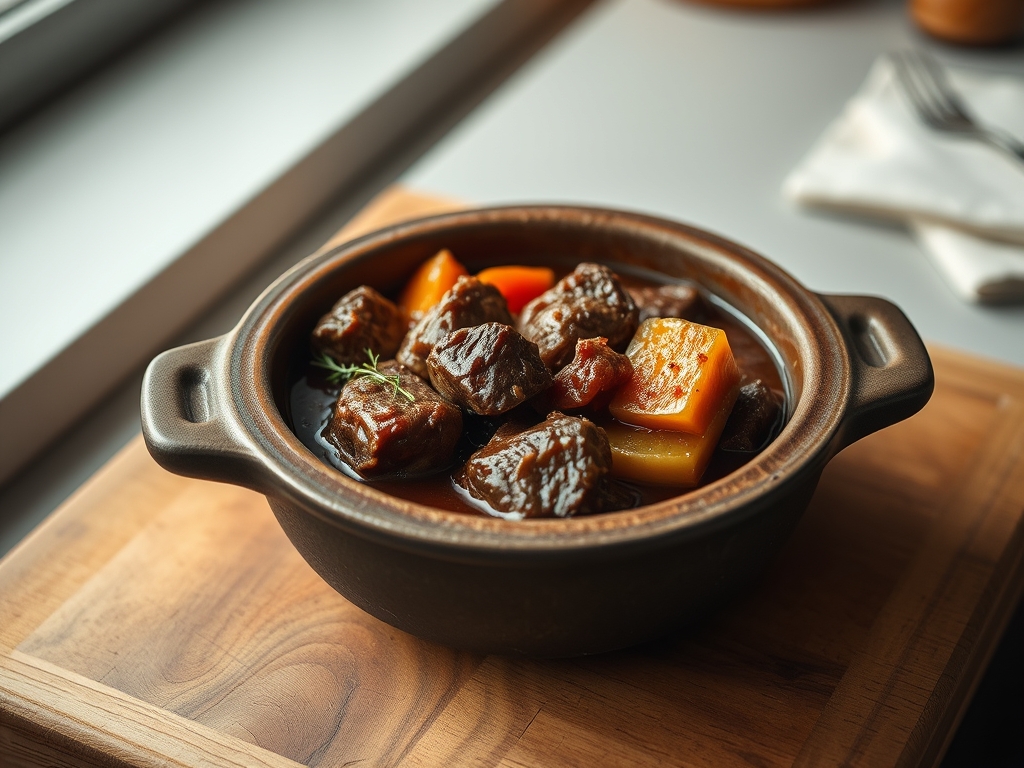
Listen to the sound of the grain hitting the ceramic bowl. It is not the soft thud of a polished starch; it is the percussive strike of a seed that refuses to be tamed. We are not just making dinner; we are performing a technical audit of Zizania palustris. This is Rice Cooker Wild Rice, a dish that demands respect for its structural integrity and its stubborn, obsidian hull. Most amateur cooks treat this grass seed like a common long grain, resulting in a tragic, blown out mess that lacks the essential snap of a professional yield. We are here to optimize the thermal curve. We want that specific, nutty aroma to infuse the air, a scent that signals the successful liberation of volatile aromatic compounds from the bran. This process requires a precise ratio of hydration to heat. When you master the Rice Cooker Wild Rice protocol, you are not just pressing a button; you are managing a pressurized ecosystem designed to render the toughest fibers into a tender, earthy masterpiece.
THE DATA MATRIX
| Metric | Specification |
|---|---|
| Prep Time | 10 Minutes |
| Execution Time | 50 to 60 Minutes |
| Yield | 4 to 6 Servings |
| Complexity (1-10) | 3 |
| Estimated Cost per Serving | $1.25 USD |
THE GATHERS
Ingredient Protocol:
- 200g / 1 cup Wild Rice (100% Grade A long grain)
- 500ml / 2 cups Low-sodium Chicken or Vegetable Stock
- 15g / 1 tbsp Unsalted Butter or Extra Virgin Olive Oil
- 5g / 1 tsp Sea Salt (Fine grain)
- 2g / 0.5 tsp Cracked Black Pepper
- 1 Bay Leaf (Fresh preferred)
- 30g / 0.25 cup Shallots (Finely minced)
Section A: Ingredient Quality Audit:
The primary failure point in this assembly is the "Wild Rice Blend." These commercial mixtures often combine parboiled white rice with true wild rice. Because their gelatinization temperatures and hydration timelines are vastly different, you end up with mushy white rice and undercooked, gravel-like wild rice. Audit your source. Ensure you are using 100% pure wild rice. If your raw material looks dusty or gray, it has oxidized. A quick fix for older grain is a pre-soak in 50 degrees Celsius water for twenty minutes to rehydrate the outer hull before the primary thermal cycle begins.
THE MASTERCLASS
1. The Mechanical Rinse and Friction Cleanse
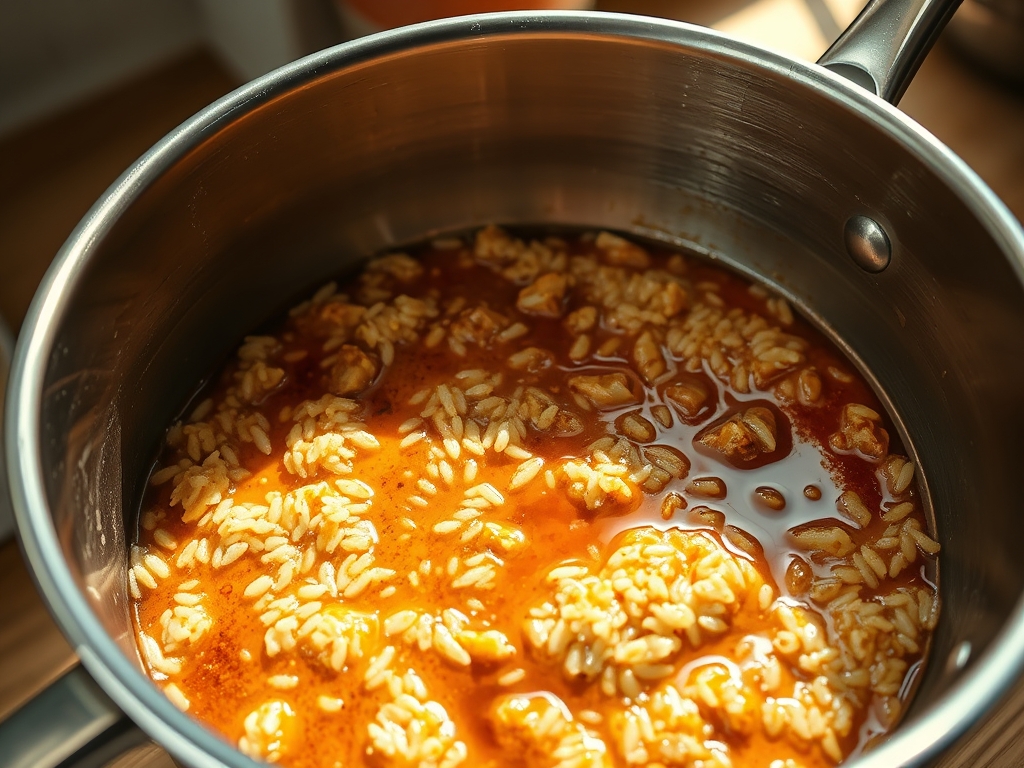
Place your raw grain into a fine mesh sieve. Use your hands to agitate the seeds under cold running water for at least sixty seconds. This is not just about hygiene; it is about removing excess starch and dust that can create a viscous film during the cooking process. Use a digital scale to ensure your dry weight is accurate before the grain absorbs any residual moisture.
Pro Tip: The science here involves surface tension. Removing the "fines" (micro-particles of broken grain) prevents the water from becoming too thick, which allows for better heat convection within the rice cooker bowl.
2. The Aromatization Phase
In a small saucier over medium heat, melt your butter or heat the oil. Add the minced shallots and sauté until translucent. Do not allow them to brown; we are looking to infuse the fat with sulfurous compounds, not create bitter carbon notes. Transfer this mixture, including all the rendered fat, into the rice cooker insert.
Pro Tip: Fat acts as a surfactant. By coating the grains in a thin layer of lipid before adding liquid, you ensure that each seed remains distinct and does not clump together during the starch swelling phase.
3. The Hydration Calibration
Add your rinsed rice, stock, salt, pepper, and the bay leaf to the cooker. Stir once with a silicone spatula to distribute the aromatics. Close the lid and select the "Brown Rice" or "Long Grain" setting. If your machine lacks these, the standard cycle is sufficient, but you must be prepared for a longer duration.
Pro Tip: Wild rice requires more water than white rice because of its high fiber content. Using a digital scale to measure your liquid by weight (1g = 1ml) provides more consistency than a volumetric cup, which can be prone to user error.
4. The Thermal Rest and Aeration
Once the cycle completes, do not open the lid immediately. Allow the rice to sit on the "Keep Warm" setting for ten minutes. This allows the remaining steam to redistribute evenly through the grain bed. Finally, use a rice paddle or a bench scraper to gently aerate the grains, lifting them from the bottom to release excess moisture.
Pro Tip: This resting period is crucial for the "curling" effect. The steam finishes softening the pericarp (the outer skin) without overcooking the internal endosperm, resulting in that signature "butterfly" look seen in professional photography.
Section B: Prep & Timing Fault-Lines:
The most common human error is the "Peek Syndrome." Opening the lid during the cook cycle causes an immediate drop in internal pressure and temperature. This halts the starch gelatinization process and leads to uneven textures. If your rice is still too firm after the cycle, add 30ml of boiling water and initiate a second short cycle. Never add cold water to a hot pot; the thermal shock will cause the grain hulls to shatter rather than expand.
THE VISUAL SPECTRUM
Section C: Thermal & Visual Troubleshooting:
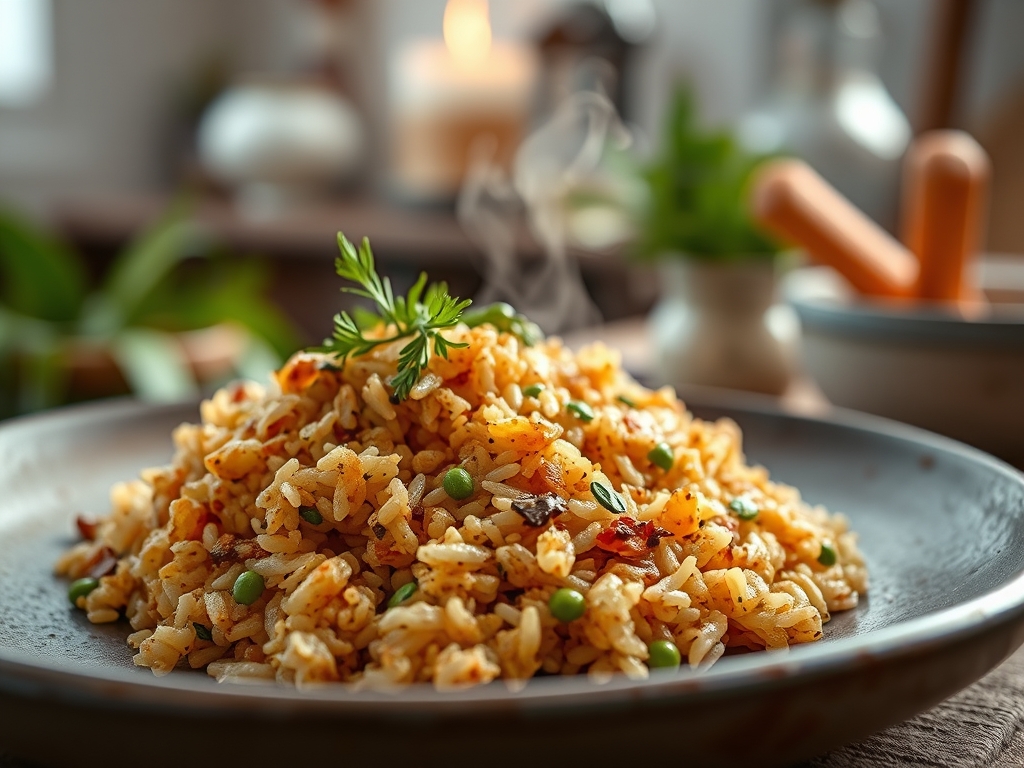
Look closely at the reference image. The grains should exhibit a "split" where the white interior is visible, but the grain remains elongated. If your rice looks like a pile of dark needles, it is under-hydrated. If it looks like a gray porridge, the cellular walls have collapsed from over-boiling. To fix a dull color, a splash of acid (lemon juice or apple cider vinegar) right before serving will brighten the pigments and provide a piquant counterpoint to the earthy base. If you notice uneven browning at the bottom, your cooker's sensor may be running hot; next time, add an extra 20ml of liquid to buffer the heat.
THE DEEP DIVE
Macro Nutrition Profile:
Wild rice is a nutritional powerhouse. Per cooked cup, you are looking at approximately 160 calories, 6.5 grams of protein, and 3 grams of fiber. It is significantly higher in protein than most other whole grains and contains potent antioxidants.
Dietary Swaps:
- Vegan: Swap the butter for coconut oil or avocado oil to maintain the lipid profile.
- Keto: True wild rice is a grass seed and is lower in net carbs than white rice, but it is not strictly keto. For a low-carb alternative, mix 25% wild rice with 75% riced cauliflower.
- GF: Naturally gluten-free, but always audit your stock source for hidden gluten thickeners.
Meal Prep & Reheating Science:
To maintain molecular structure during reheating, add a teaspoon of water per cup of rice and cover tightly. This recreates the steam environment. Avoid the microwave if possible; a quick toss in a pan to deglaze with a little stock will restore the original texture without making the grains rubbery.
THE KITCHEN TABLE
Why is my wild rice still crunchy after an hour?
You likely used "Hand-Harvested" rice which has a thicker hull. These grains require a 1:3 ratio of rice to water and often need a pre-soak. Ensure you are using the "Brown Rice" setting to extend the simmer time.
Can I cook wild rice and white rice together?
Not effectively. The white rice will turn to paste before the wild rice reaches the proper "bloom." If you must blend them, cook the wild rice separately and fold it into the white rice at the very end.
What is the "bloom" in wild rice?
The bloom occurs when the outer bran splits and the white interior curls outward. This is the visual cue for perfect doneness. It indicates that the moisture has successfully penetrated the dense starch center.
My rice smells like tea. Is it spoiled?
No. High-quality wild rice often has smoky, grassy, or tea-like aromatic profiles. This is a result of the traditional parching process over open fires. It is a sign of an authentic, premium product.