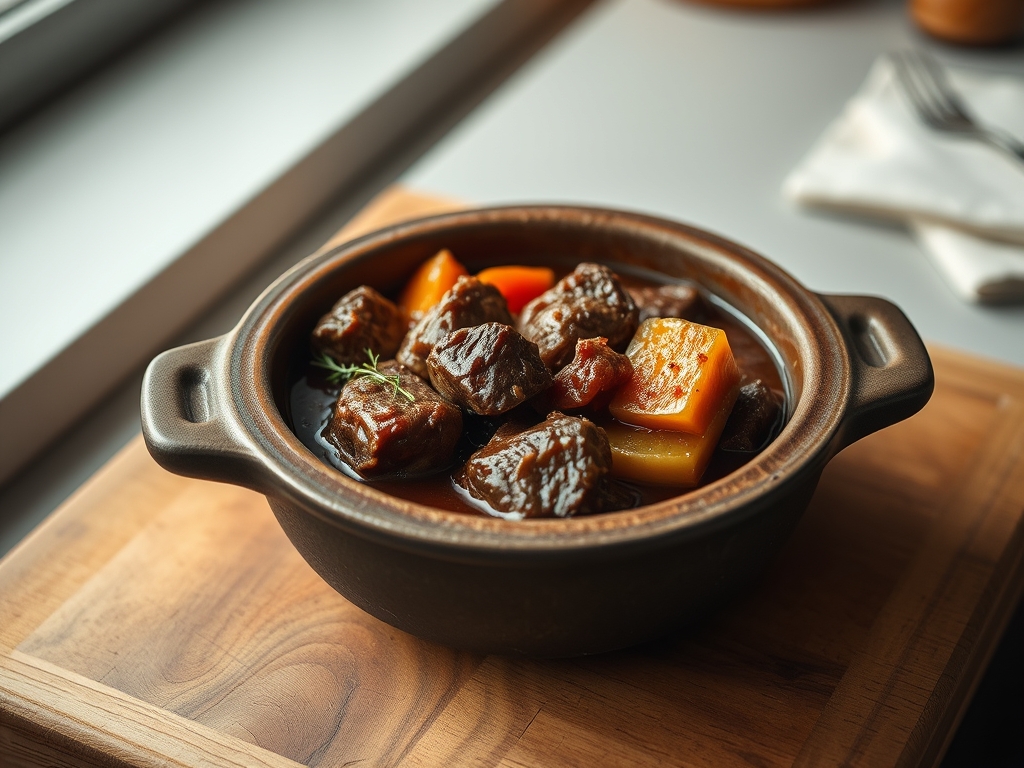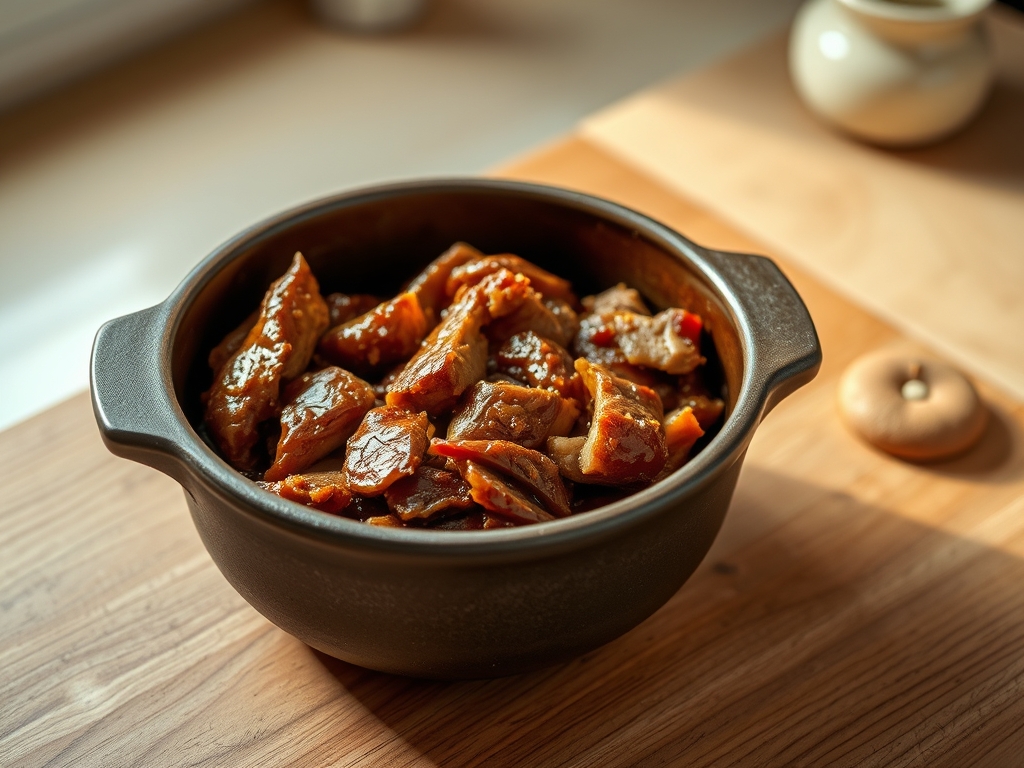
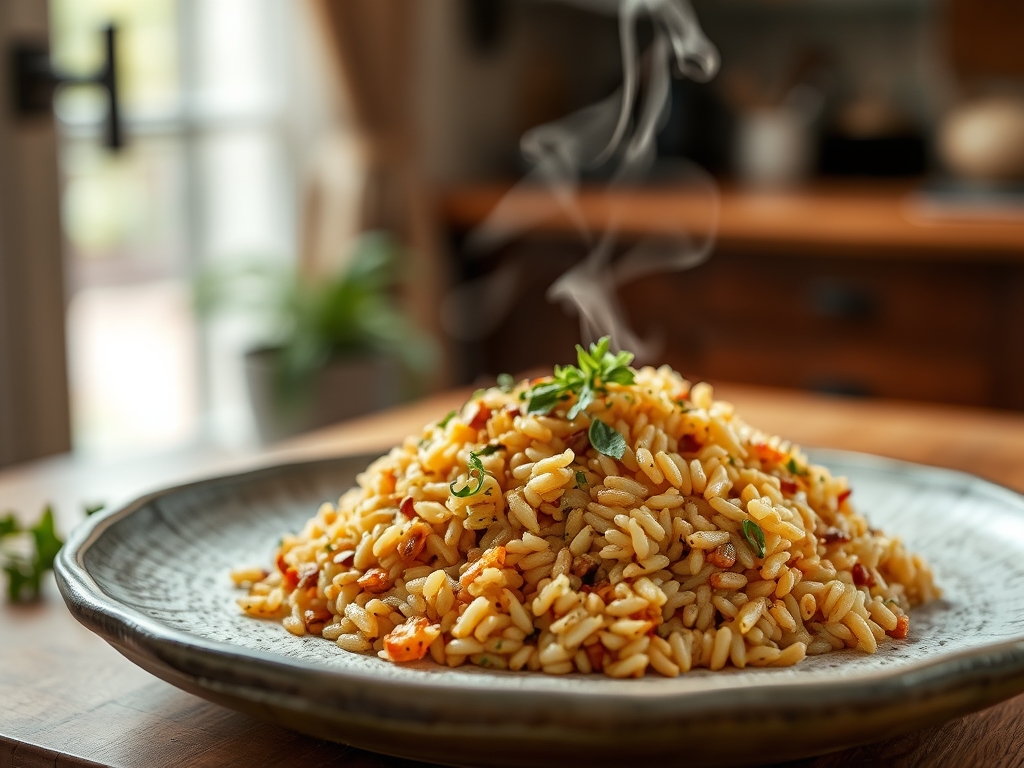
Listen to the rhythmic thrum of the kitchen. It is the sound of a culinary revolution where ancient textures meet modern automation. We are moving beyond the era of soggy, uninspired starches into the realm of the elite grain. Imagine a kernel that resists the tooth with a defiant, nutty snap; a grain that has absorbed every drop of a complex, savory broth until it is plump with potential. This is the reality of Rice Cooker Farro. It is not merely a side dish; it is a structural masterpiece of chewy automated wheat. By leveraging the precise thermal sensors of a modern fuzzy-logic cooker, we bypass the erratic evaporation rates of a stovetop pot. We are looking for a result that is earthy, deeply toasted, and structurally sound. This method renders the grain perfectly al dente while ensuring the exterior remains distinct and non-clumping. It is time to audit your pantry and upgrade your grain game to professional specifications.
THE DATA MATRIX
| Metric | Specification |
|---|---|
| Prep Time | 5 Minutes |
| Execution Time | 45 Minutes |
| Yield | 4 Servings (Approx. 750ml) |
| Complexity (1-10) | 2 |
| Estimated Cost per Serving | $0.85 USD |
THE GATHERS
Ingredient Protocol:
- 200g / 1 cup Pearled Farro (Rinsed thoroughly)
- 475ml / 2 cups Low-Sodium Vegetable or Chicken Stock
- 15ml / 1 tbsp Extra Virgin Olive Oil
- 5g / 1 tsp Diamond Crystal Kosher Salt
- 1 clove Fresh Garlic (Smashed)
- 1 sprig Fresh Thyme or Rosemary
Section A: Ingredient Quality Audit:
The primary failure point in Rice Cooker Farro is the selection of the grain itself. Farro comes in three common forms: whole, semi-pearled, and pearled. Whole farro requires an overnight soak and an extended cook time that may exceed the standard cycle of a basic rice cooker. If your grain remains chalky or brittle after a full cycle, you likely used whole grain without the necessary hydration phase. Technical fix: If using whole farro, soak the grains in filtered water for at least 8 hours before beginning the protocol. Conversely, if your farro turns into a viscous mush, you have likely over-processed the grain or used "10-minute" par-boiled varieties. Always audit the packaging for the "Pearled" designation to ensure the bran has been partially removed, allowing for optimal liquid penetration without structural collapse.
THE MASTERCLASS
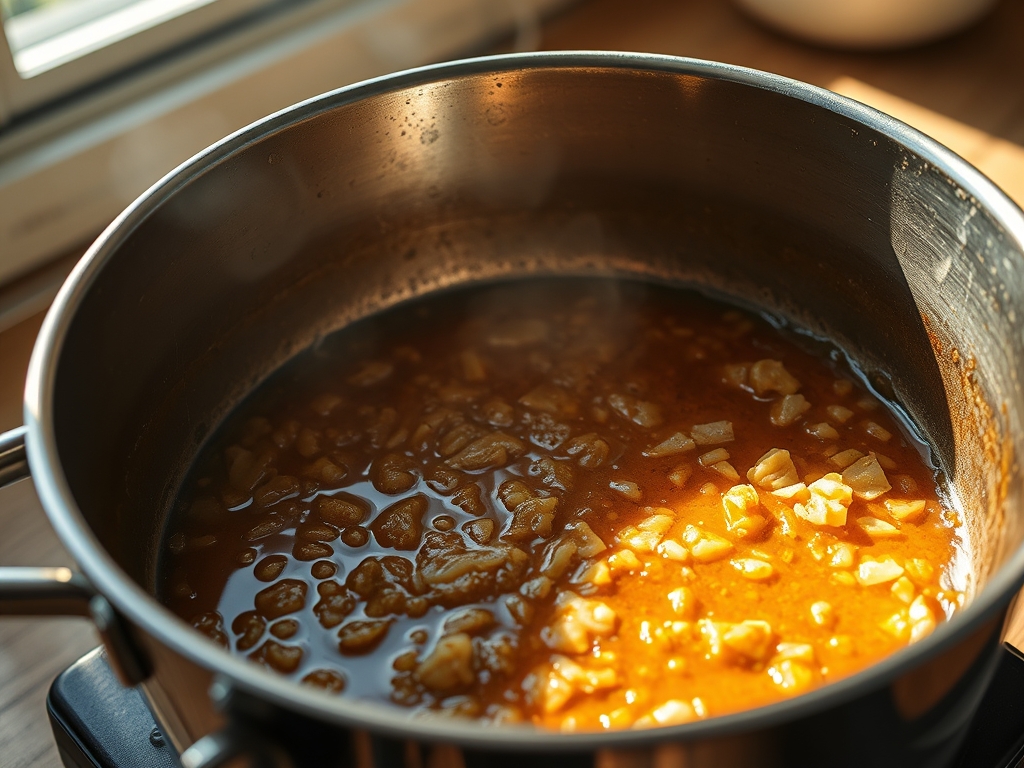
1. The Hydration Audit and Rinse
Place your dry farro into a fine-mesh sieve. Rinse under cold, high-pressure water until the runoff is perfectly clear. This removes excess surface starch that would otherwise create a gummy, viscous coating during the cooking process.
Pro Tip: Use a digital scale to measure your grain and liquid by weight rather than volume. This eliminates the margin of error caused by the air gaps between uneven grains in a measuring cup, ensuring a perfect 1:2 ratio every time.
2. The Aromatization Phase
Before adding the liquid, toss the rinsed farro directly into the rice cooker bowl with the olive oil and smashed garlic. If your cooker has a "Sauté" or "Brown" function, engage it for three minutes. You are looking to render the surface of the grain into a golden hue, initiating the Maillard reaction.
Pro Tip: Use a silicone spatula to constantly agitate the grains. This brief toasting period creates a hydrophobic barrier on the grain's surface, which prevents the starch from leaching out and ensures each kernel remains individual and distinct.
3. The Liquid Integration
Pour in your stock and add the salt and herbs. Ensure all grains are submerged and none are clinging to the sides of the bowl above the water line. Close the lid and select the "Brown Rice" or "Standard" setting.
Pro Tip: If using a high-end induction rice cooker, the "GABA" or "Brown Rice" setting utilizes a stepped temperature increase. This allows the grain to infuse with flavor at a lower temperature before the final high-heat boil, resulting in a more tender interior.
4. The Post-Cycle Rest
When the timer sounds, do not immediately open the lid. Allow the farro to sit on the "Keep Warm" setting for a minimum of 10 minutes. This allows the residual steam to redistribute evenly through the grain bed, finishing the hydration of the core.
Pro Tip: Use a bench scraper or a wide rice paddle to "fold" the grains rather than stirring them. This action helps to aerate the mixture and prevents the delicate husks from tearing, maintaining that signature chewy infrastructure.
Section B: Prep & Timing Fault-Lines:
Timing errors usually occur during the transition from the cook cycle to the rest cycle. If you leave the farro on "Keep Warm" for more than 60 minutes, the bottom layer will begin to dehydrate and form a crust. While some cultures prize this "socarrat," in farro it can become unpleasantly woody. If the machine triggers the "Done" signal early, check the internal temperature with a probe thermometer; it should be at least 210 degrees Fahrenheit. If it is lower, your machine's weight sensor may be faulty, and you should add 30ml of water and restart a quick cycle.
THE VISUAL SPECTRUM
Section C: Thermal & Visual Troubleshooting:
Referencing the masterclass photo, the ideal Rice Cooker Farro should exhibit a variegated color palette ranging from pale tan to deep mahogany. If your grain appears monochromatic and dull, you likely skipped the toasting phase or used plain water instead of a nutrient-dense stock. If you see "pitting" or small holes on the surface of the grain bed, this is a sign of healthy steam vents and proper heat distribution. However, if the surface looks slimy, you have over-agitated the starch. To fix a dull appearance post-cook, deglaze a small pan with balsamic vinegar and toss the grains in the reduction to add a piquant shine and a professional "varnished" look.
THE DEEP DIVE
Macro Nutrition Profile:
Farro is a nutritional powerhouse compared to white rice. A single serving provides approximately 7g of protein and 5g of fiber. It is rich in magnesium, zinc, and vitamin B3, making it an essential component for high-performance dietary regimes.
Dietary Swaps:
- Vegan: Ensure the stock is vegetable-based and replace the optional butter finish with a high-quality walnut oil.
- Keto: Farro is a high-carb ancient grain and is not compatible with strict Ketogenic protocols.
- Gluten-Free: Farro is a variety of wheat (Triticum turgidum) and contains gluten. For a similar texture, substitute with sorghum or whole-kernel buckwheat.
Meal Prep & Reheating Science:
Farro is structurally superior for meal prep because its dense cellular walls do not collapse upon cooling. To reheat, add 15ml of water per cup of grain and microwave in a sealed glass container. The steam will re-hydrate the grain without making it mushy. For a gourmet twist, pan-fry cold farro in a saucier with a touch of oil to create a crispy grain salad base.
THE KITCHEN TABLE
Can I cook farro using the "Quick Rice" setting?
No. The "Quick Rice" setting bypasses the essential soaking and low-heat phases. This results in a grain that is unpleasantly crunchy on the inside and "blown out" or mushy on the outside. Stick to the "Brown Rice" protocol.
Why is my farro still crunchy after the cycle?
This indicates insufficient liquid or an old batch of grain. Ancient grains can dehydrate significantly over time in storage. Add 60ml of hot stock and run the "Steam" cycle for 5 minutes to rectify the texture.
Should I salt the water before or after?
Always salt before. Salting the cooking liquid allows the sodium to penetrate the grain's cellular structure as it expands. Salting only at the end results in a dish that tastes top-heavy and lacks depth of flavor.
Can I add vegetables directly into the cooker?
Hard aromatics like diced carrots or onions work well. However, avoid soft greens or mushrooms during the main cycle as they will disintegrate. Fold these into the farro during the final 10-minute rest period to maintain their integrity.