Forget the slow-simmered nostalgia of your grandmother's stovetop; we are operating on a compressed timeline where physics does the heavy lifting. When you engage with Instant Pot Lentil Soup, you are not just making dinner. You are managing a high-pressure thermal exchange designed to force hydration into the very core of a pulse in record time. The air in your kitchen should crackle with the scent of toasted cumin and the sharp, piquant aroma of sautéed aromatics hitting a hot stainless steel surface. We are looking for a result that is thick, viscous, and structurally sound. This is about the transformation of humble, pebble-like legumes into a velvety masterpiece of plant-based protein. By utilizing a sealed environment, we trap volatile aromatic compounds that would otherwise escape into the atmosphere, ensuring every spoonful is an explosive sensory event. Prepare your station. Calibrate your sensors. We are about to execute a flawless culinary maneuver that balances speed with profound depth of flavor.
THE DATA MATRIX
| Metric | Specification |
|---|---|
| Prep Time | 12 Minutes |
| Execution Time | 28 Minutes |
| Yield | 6 Servings |
| Complexity (1-10) | 3 |
| Estimated Cost per Serving | $0.85 USD |
THE GATHERS
Ingredient Protocol:
- 450g / 2 cups Brown or Green Lentils (rinsed)
- 1.4L / 6 cups Vegetable or Chicken Bone Broth
- 2 medium / 200g Yellow Onions (finely diced)
- 3 large / 150g Carrots (brunoise cut)
- 3 stalks / 120g Celery (sliced)
- 4 cloves / 20g Garlic (minced)
- 1 can / 400ml Crushed Tomatoes
- 15ml / 1 tbsp Extra Virgin Olive Oil
- 5g / 1 tsp Cumin Seeds
- 2g / 0.5 tsp Smoked Paprika
- 10ml / 2 tsp Lemon Juice (freshly squeezed)
- 5g / 1 tsp Kosher Salt (adjust to taste)
Section A: Ingredient Quality Audit:
The primary failure point in any pulse-based dish is the age of the raw material. If your lentils have been sitting in a pantry for over eighteen months, they have undergone excessive lignification. This means the cell walls will remain stubborn and "toothy" regardless of pressure levels. To fix this, add a pinch of baking soda to the liquid; this raises the pH and helps break down the hemicellulose in the skins. Furthermore, ensure your broth is not a sodium bomb. High salt concentrations during the initial pressurized hydrate can toughen the skins. Always opt for low-sodium bases and season aggressively only after the pressure has been released.
THE MASTERCLASS
1. The Aromatic Foundation
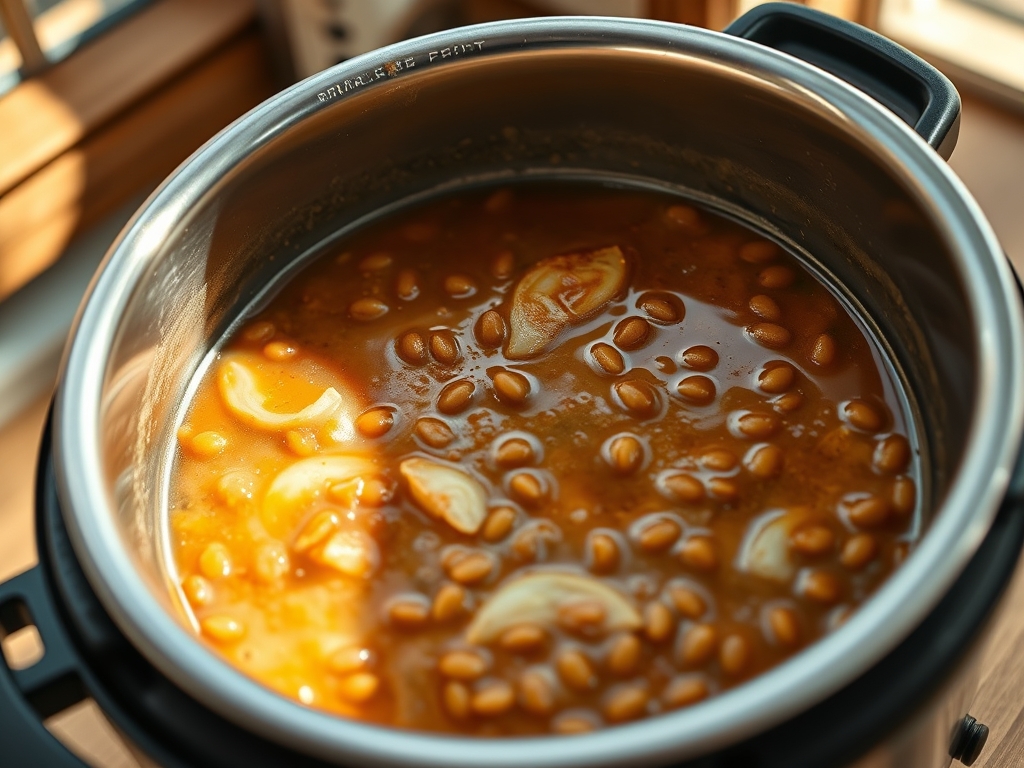
Select the "Sauté" function on your pressure cooker and wait for the "Hot" indicator. Add the olive oil and cumin seeds. Once the seeds begin to dance and aerate the oil with their scent, add the onions, carrots, and celery. Use a bench scraper to transfer your precision-cut vegetables from the board to the pot without losing a single gram of product.
Pro Tip: This stage is about the Maillard reaction. By browning the aromatics, you create complex melanoidins that provide a savory backbone. If the bottom of the pot browns too quickly, add a splash of water to deglaze and scrape up those flavor-packed solids.
2. The Spice Infusion
Add the minced garlic and smoked paprika. Stir constantly for exactly 60 seconds. You want to bloom the oil-soluble compounds in the spices without scorching the garlic, which would introduce an acrid, bitter profile to the entire batch.
Pro Tip: Using a digital scale to measure spices ensures consistency across every batch. Spices contain volatile oils that are activated by heat; blooming them in fat before adding liquid increases their flavor potency by up to 300 percent.
3. The High-Pressure Hydration
Add the rinsed lentils, crushed tomatoes, and broth. Ensure you do not exceed the "Max Fill" line of your vessel. Secure the lid and set the valve to the "Sealing" position. Program the unit for 15 minutes of high pressure.
Pro Tip: The pressure cooker raises the boiling point of water to approximately 121 degrees Celsius. This accelerated thermal energy forces moisture into the starch granules of the lentils, causing them to gelatinize and create a viscous texture that would take hours to achieve on a standard range.
4. Controlled Depressurization
Once the timer expires, allow for a 10-minute natural pressure release before venting the remaining steam. This prevents the "volcano effect" where liquid is forced out of the steam valve. Open the lid and stir in the fresh lemon juice to brighten the flavor profile.
Pro Tip: The acidity of the lemon juice acts as a chemical "brightener." It cuts through the earthy density of the lentils and balances the pH, making the savory notes pop on the palate. Use a microplane to add a zest garnish for extra aromatic lift.
Section B: Prep & Timing Fault-Lines:
Human error often manifests in the "Natural Release" phase. If you vent the pressure immediately, the sudden drop in atmospheric force causes the liquid inside the lentils to boil violently, shattering the legumes into a grainy mush. Patience is a technical requirement. Additionally, if your carrots are cut too large, they will remain "al dente" while the lentils turn to puree. Use a consistent brunoise cut to ensure all components reach thermal equilibrium simultaneously.
THE VISUAL SPECTRUM
Section C: Thermal & Visual Troubleshooting:
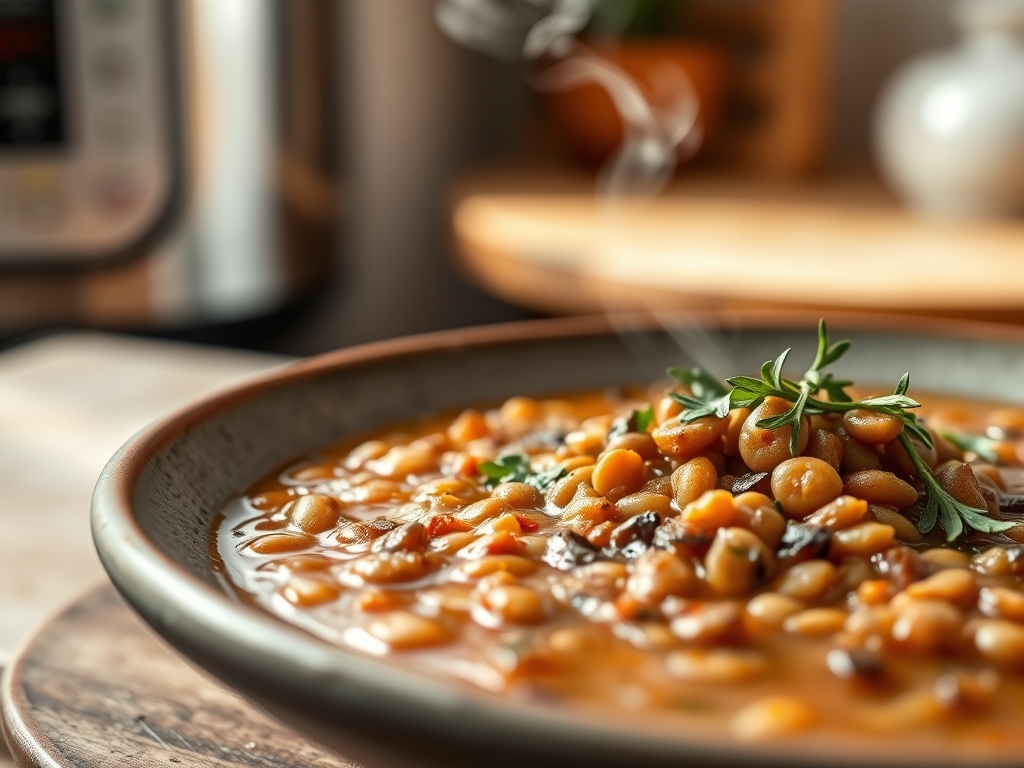
Referencing the Masterclass photo, the soup should exhibit a rich, ochre-brown hue with distinct flecks of orange from the carrots. If your soup looks dull or grey, your spices were likely oxidized or "stale." If the texture appears watery rather than viscous, use an immersion blender to pulse approximately 15 percent of the soup. This releases internal starches to act as a natural thickener. If you notice "scorch" warnings on your display, it is usually due to the sugars in the crushed tomatoes sitting on the bottom of the pot. Always layer your tomatoes on top of the lentils and broth; do not stir them in until after the pressure cycle is complete.
THE DEEP DIVE
Macro Nutrition Profile
This infrastructure is built for performance. A single serving provides approximately 18g of plant-based protein and 15g of dietary fiber. It is a low-glycemic index powerhouse that provides sustained energy release without the insulin spikes associated with refined carbohydrates.
Dietary Swaps
- Vegan: This recipe is natively vegan if using vegetable broth.
- Keto: Replace 50 percent of the lentils with riced cauliflower and increase the fat content with heavy cream or coconut milk after the pressure cycle.
- GF: Naturally gluten-free; ensure your broth base is certified.
Meal Prep & Reheating Science
Lentils are notorious for "starch retrogradation." As the soup cools, the starch molecules realign into a crystalline structure, causing the soup to thicken significantly in the fridge. When reheating, add 50ml of water or broth per serving to loosen the matrix. Reheat on low power to avoid scorching the bottom of your saucier.
THE KITCHEN TABLE
Why are my lentils still crunchy after 15 minutes?
Your lentils are likely old or were stored in direct sunlight. Older pulses develop a hard-to-cook shell. Next time, add a pinch of baking soda to the liquid to help soften the exterior husks during the pressure cycle.
Can I use red lentils instead of green?
Red lentils lack the structural integrity of green or brown varieties. They will completely disintegrate into a thick puree. If you prefer a smooth, dal-like consistency, red lentils are perfect; otherwise, stick to green or brown for texture.
Is it necessary to soak the lentils first?
No. The primary advantage of the Instant Pot is that the high-pressure environment bypasses the need for soaking. You save hours of prep time while still achieving a perfectly tender, fully hydrated legume.
How do I fix a soup that is too salty?
Add a peeled, halved potato to the soup and simmer for ten minutes. The potato acts as a sponge for excess sodium. Alternatively, double the lemon juice or add a splash of vinegar to mask the saltiness through acidity.