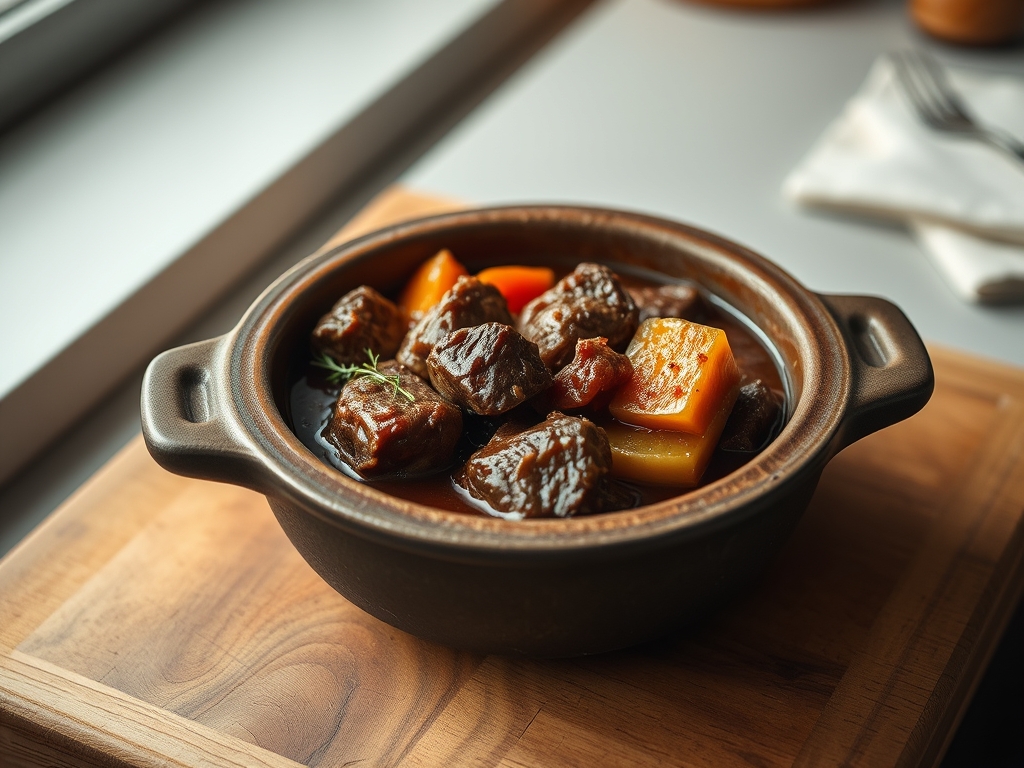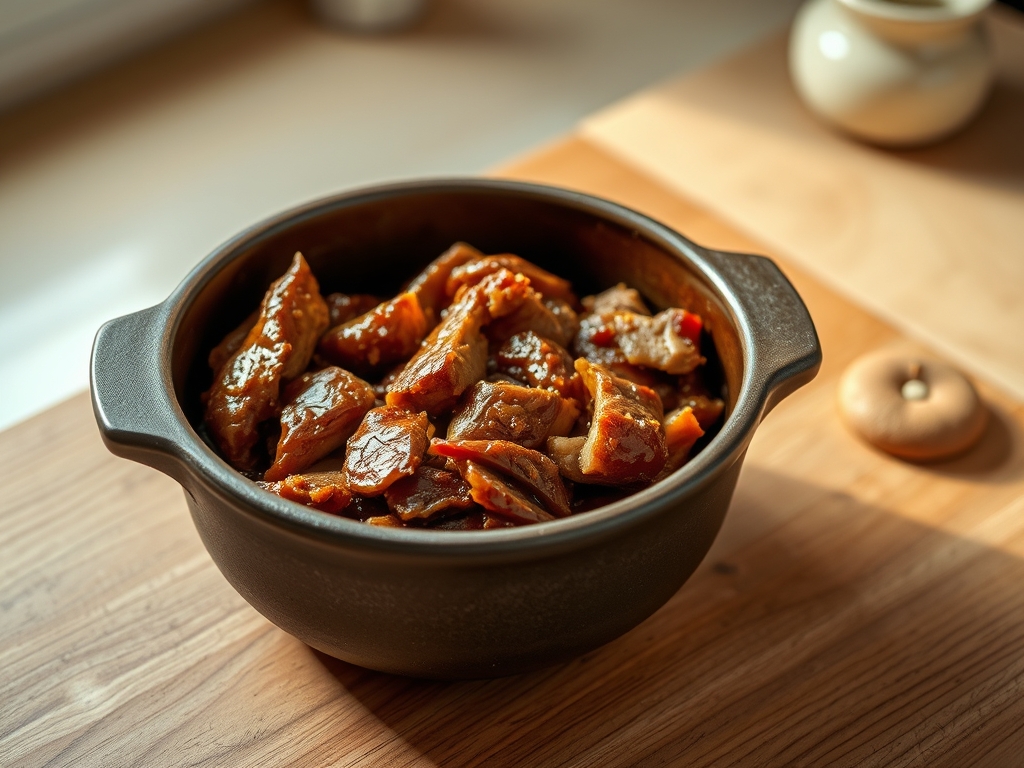
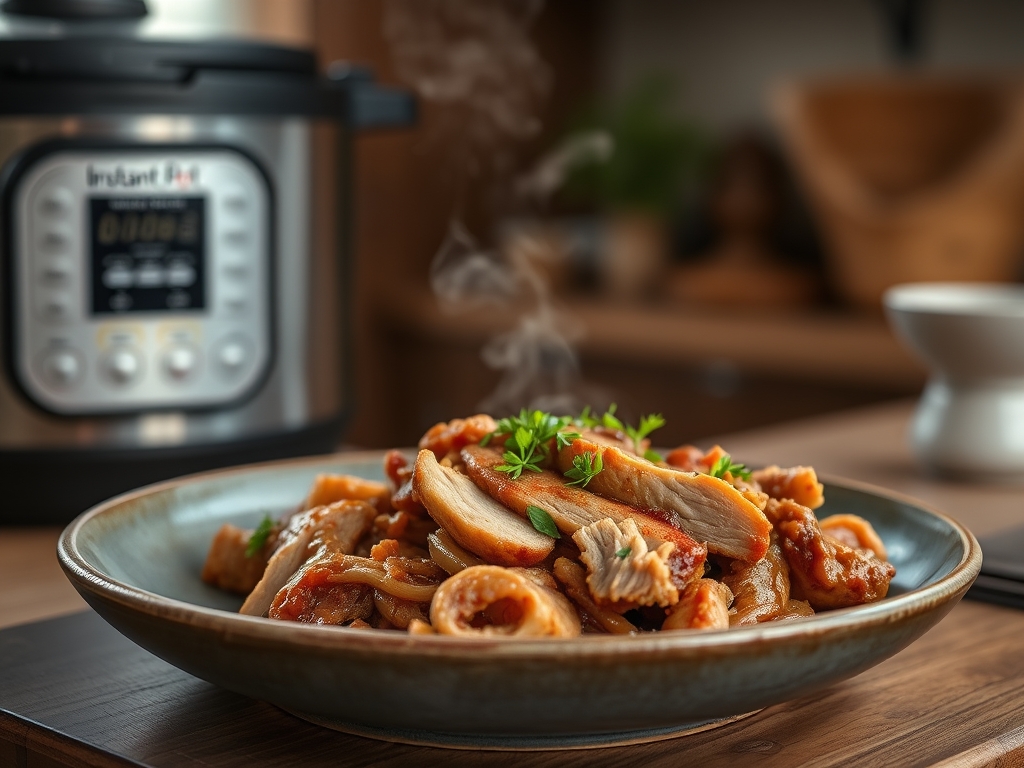
Welcome to the high pressure theater of the modern kitchen. We are moving beyond the archaic methods of the open flame and the twelve hour vigil. We are talking about the industrialization of tenderness. Imagine a four pound slab of porcine shoulder subjected to a localized atmospheric assault. Within the stainless steel hull of a pressure cooker, water molecules are forced into a state of hyper-activity; they do not merely simmer, they invade. This is the core of Instant Pot Pulled Pork. It is a violent, beautiful process where collagen is forced to surrender its structural integrity in record time. The result is a mountain of protein that collapses at the mere suggestion of a fork. We are looking for that perfect balance of maillard-derived crust and a viscous, piquant lacquer that coats every fiber. This is not just dinner; it is a logistical triumph of steam and heat. Strap in, because we are about to optimize your culinary throughput with the efficiency of a high output processing plant.
THE DATA MATRIX
| Metric | Specification |
|---|---|
| Prep Time | 20 Minutes |
| Execution Time | 60 Minutes (High Pressure) + 15 Minutes NR |
| Yield | 8 to 10 Servings |
| Complexity (1-10) | 3 |
| Estimated Cost per Serving | $1.85 USD |
THE GATHERS
Ingredient Protocol:
- 2 kg / 4.4 lbs Pork Butt (Shoulder), cubed into 3-inch blocks.
- 30 g / 2 tbsp Brown Sugar, packed.
- 15 g / 1 tbsp Smoked Paprika.
- 10 g / 2 tsp Garlic Powder.
- 10 g / 2 tsp Onion Powder.
- 5 g / 1 tsp Cumin.
- 15 ml / 1 tbsp Kosher Salt.
- 250 ml / 1 cup Apple Cider Vinegar.
- 125 ml / 0.5 cup Chicken Bone Broth.
- 60 ml / 4 tbsp Worcestershire Sauce.
- 150 ml / 0.6 cup High-Quality BBQ Sauce.
Section A: Ingredient Quality Audit:
If your pork shoulder lacks significant intramuscular fat, the result will be fibrous and dry regardless of the pressure applied. Audit your butcher; look for a "money muscle" with heavy marbling. If you are stuck with a lean cut, you must infuse additional lipids. Add 30 ml of lard or avocado oil to the pot before sealing. If your spices are dull or over six months old, they will fail to aerate the flavor profile. Toast old spices in a dry saucier for 60 seconds to awaken the essential oils before applying the rub.
THE MASTERCLASS
Step 1: The Dry Rub Application
Toss your pork cubes in a large mixing bowl with the sugar and spices. Use a digital scale to ensure the salt-to-sugar ratio is precise; this ensures the osmotic pull draws flavor into the center of the meat.
Pro Tip: Massaging the spices into the meat breaks down surface proteins, allowing the rub to form a "bark" even in a high-moisture environment. This mimics the traditional smoke ring found in pit-style barbecue.
Step 2: The Searing Phase
Set your device to the "Sauté" function. Add a splash of oil and sear the pork in batches. Do not overcrowd the liner. We are looking for deep mahogany browning.
Pro Tip: This is the Maillard reaction in action. Use a bench scraper to flip the meat and ensure even contact with the heat source. This creates complex flavor compounds that cannot be achieved through steaming alone.
Step 3: Deglaze and Pressurize
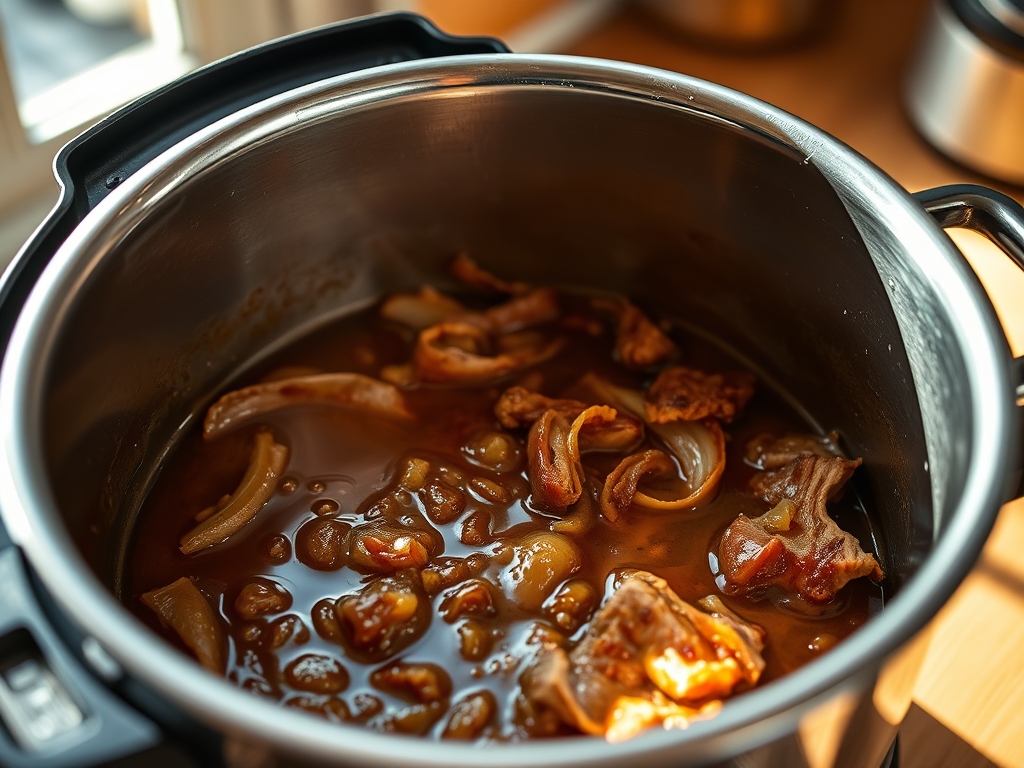
Remove the meat and pour in the apple cider vinegar and broth. Scrape the bottom of the pot vigorously to release the "fond." Return the meat, lock the lid, and set to High Pressure for 60 minutes.
Pro Tip: Failure to deglaze properly will trigger the "Burn" sensor. Those caramelized bits on the bottom are concentrated flavor; they must be suspended in the liquid to create a viscous sauce later.
Step 4: The Natural Release and Shred
Allow the pressure to release naturally for 15 minutes before venting. Transfer the meat to a tray and use two forks to shred. Return the liquid to a simmer to reduce it by half.
Pro Tip: A natural release prevents the muscle fibers from seizing up. If you vent the steam instantly, the sudden pressure drop causes the moisture to boil out of the meat cells, leaving you with "wet but dry" pork.
Section B: Prep & Timing Fault-Lines:
The most common failure in Instant Pot Pulled Pork is the "Hard Pork" phenomenon. This happens when the internal temperature does not reach the 205 degree Fahrenheit threshold required for collagen breakdown. If the meat is tough after the timer ends, do not panic. Simply reseal the unit and add 10 minutes of high pressure. Your timing must also account for the "come to pressure" interval; always budget an extra 15 minutes for the vessel to reach its operational PSI.
THE VISUAL SPECTRUM
Section C: Thermal & Visual Troubleshooting:
Referencing the Masterclass photo, notice the glossy sheen on the meat fibers. If your pork looks matte or grey, it lacks a proper glaze. To fix this, toss the shredded meat in a saucier with the reduced cooking liquid and a fresh hit of BBQ sauce. If the colors are dull, your paprika has oxidized; garnish with fresh parsley or pickled red onions to provide a visual contrast. If the meat looks "mushy" rather than shredded, you have over-processed it. Next time, cut larger cubes to maintain the structural integrity of the long muscle strands.
THE DEEP DIVE
Macro Nutrition Profile
A standard 150g serving of this pork provides approximately 340 calories. You are looking at 32g of protein, 18g of fat, and 12g of carbohydrates (largely depending on the sugar content of your BBQ sauce). It is a high-density fuel source designed for maximum satiety.
Dietary Swaps
- Vegan: Replace the pork with 1 kg of young green jackfruit. Reduce pressure time to 15 minutes.
- Keto: Eliminate the brown sugar and use a sugar-free BBQ sauce. Increase the fat content with a tablespoon of butter during the sauce reduction.
- GF: Ensure your Worcestershire sauce is certified gluten-free, as some brands use barley malt vinegar.
Meal Prep & Reheating Science
To maintain the molecular structure during storage, keep the pork submerged in its cooking liquid. This prevents oxidation and "warmed-over flavor." When reheating, use a microwave at 70% power or a low-heat skillet. Rapid heating will cause the proteins to contract and expel their moisture, turning your masterpiece into rubber.
THE KITCHEN TABLE
Why is my pork still tough after 60 minutes?
Collagen is stubborn. If the pig was older or the cut was particularly muscular, it simply needs more time. Add 10 to 15 minutes of high pressure. The meat must reach 205 degrees to truly shred.
Can I use frozen pork in the Instant Pot?
Yes, but you must increase the pressure time by 50 percent. You will also lose the ability to sear the meat beforehand, which results in a significant loss of flavor complexity and "bark" texture.
What is the best liquid for deglazing?
Apple cider vinegar is the gold standard. The acidity helps break down the connective tissue while providing a sharp, piquant counterpoint to the rich, fatty pork. Hard cider or a dark lager also works exceptionally well.
How do I get a thicker sauce?
Switch the pot back to "Sauté" after removing the meat. Let the liquid boil uncovered until it reduces. This concentrates the sugars and proteins, creating a viscous glaze that clings to every strand of pork.