Listen to the high-pitched hiss of the steam release valve. That is the sound of a controlled molecular explosion. When you are constructing an Instant Pot Chili, you are not merely cooking; you are accelerating the passage of time through atmospheric manipulation. In a standard Dutch oven, the breakdown of connective tissue and the Maillard reaction take hours of patient simmering. Under pressure, we compress that timeline into a frantic, high-intensity sprint. We are aiming for a viscous, dark, and deeply piquant stew that tastes like it has been haunting a stovetop for three days. The air in your kitchen should be thick with the scent of toasted cumin and rendered beef fat. This is the ultimate test of your culinary infrastructure. If your aromatics are not properly infused and your liquids are not precisely balanced, the result is a watery, lackluster failure. We do not accept mediocrity in this lab. We demand a bowl that possesses gravitational pull. Let us audit the process.
THE DATA MATRIX
| Metric | Specification |
|---|---|
| Prep Time | 20 Minutes |
| Execution Time | 35 Minutes |
| Yield | 6-8 Servings |
| Complexity | 4/10 |
| Estimated Cost per Serving | $2.75 USD |
THE GATHERS
Ingredient Protocol:
- 900g / 2 lbs Lean Ground Beef (85/15 ratio)
- 1 large Yellow Onion, finely diced
- 3 cloves Garlic, minced
- 45ml / 3 tbsp Chili Powder
- 10ml / 2 tsp Ground Cumin
- 5ml / 1 tsp Smoked Paprika
- 800g / 28 oz Crushed Tomatoes
- 425g / 15 oz Kidney Beans, rinsed and drained
- 425g / 15 oz Black Beans, rinsed and drained
- 240ml / 1 cup Beef Bone Broth
- 15ml / 1 tbsp Worcestershire Sauce
- 10g / 2 tsp Kosher Salt
- 5g / 1 tsp Black Pepper
Section A: Ingredient Quality Audit:
If your ground beef appears gray or leached of moisture, it has likely been frozen and thawed improperly. This disrupts the protein structure and prevents a proper sear. To fix this, pat the meat dry with paper towels and ensure the pot is at peak temperature before contact. If your spices are older than six months, they have lost their volatile oils. To resuscitate them, toast the spices in a dry saucier for 60 seconds before adding them to the pressure cooker. This heat application will aerate the aromatics and wake up the dormant flavor compounds.
THE MASTERCLASS
1. The Maillard Initiation
Set your device to the highest "Sauté" setting. Add a splash of high-smoke-point oil. Once the display reads "Hot," add the beef. Use a heavy-duty wooden spoon or a bench scraper to break the meat into uniform small crumbles. Do not stir constantly; let the meat sit for three minutes to develop a deep brown crust.
Pro Tip: The Maillard reaction occurs between amino acids and reducing sugars. By leaving the meat undisturbed, you create complex flavor compounds that cannot be replicated through simmering alone.
2. Aromatic Integration
Add the onions and garlic to the rendered fat. Sauté until the onions are translucent and the edges begin to caramelize. This creates the foundational sweetness required to balance the acidity of the tomatoes.
Pro Tip: Use a digital scale to ensure your onion-to-beef ratio is precise. Too much onion introduces excessive moisture, which can prevent the beef from reaching the necessary temperature for browning.
3. The Deglaze Protocol
Pour in the beef bone broth and use your spoon to scrape every single brown bit (the fond) off the bottom of the pot. This is non-negotiable. If you leave debris on the bottom, you risk a "Burn" notice during the pressure cycle.
Pro Tip: Deglazing captures the concentrated flavor of the seared proteins. This liquid becomes the vehicle for the viscous mouthfeel we are targeting in the final product.
4. Pressure Saturation
Add the spices, tomatoes, beans, and Worcestershire sauce. Do not stir the tomatoes to the bottom; layer them on top of the meat and beans to prevent scorching. Lock the lid and set to High Pressure for 20 minutes.
Pro Tip: Layering ingredients based on density and sugar content is a professional strategy to manage heat distribution in a pressurized environment.
5. Atmospheric Normalization
Allow a natural pressure release for 10 minutes before venting the remaining steam. This prevents the meat from toughening due to a sudden drop in temperature and pressure.
Pro Tip: Rapid decompression can cause the liquids inside the meat fibers to boil instantly, resulting in a dry, stringy texture. Patience ensures a tender, infused protein.
Section B: Prep & Timing Fault-Lines:
The most common human error is the "rushed sauté." If you add the liquid before the onions have fully softened, they will remain crunchy even after the pressure cycle. Another timing fault is failing to account for the "come to pressure" time. Always add 10 to 15 minutes to your mental clock to allow the vessel to reach the necessary atmospheric density.
THE VISUAL SPECTRUM
Section C: Thermal & Visual Troubleshooting:
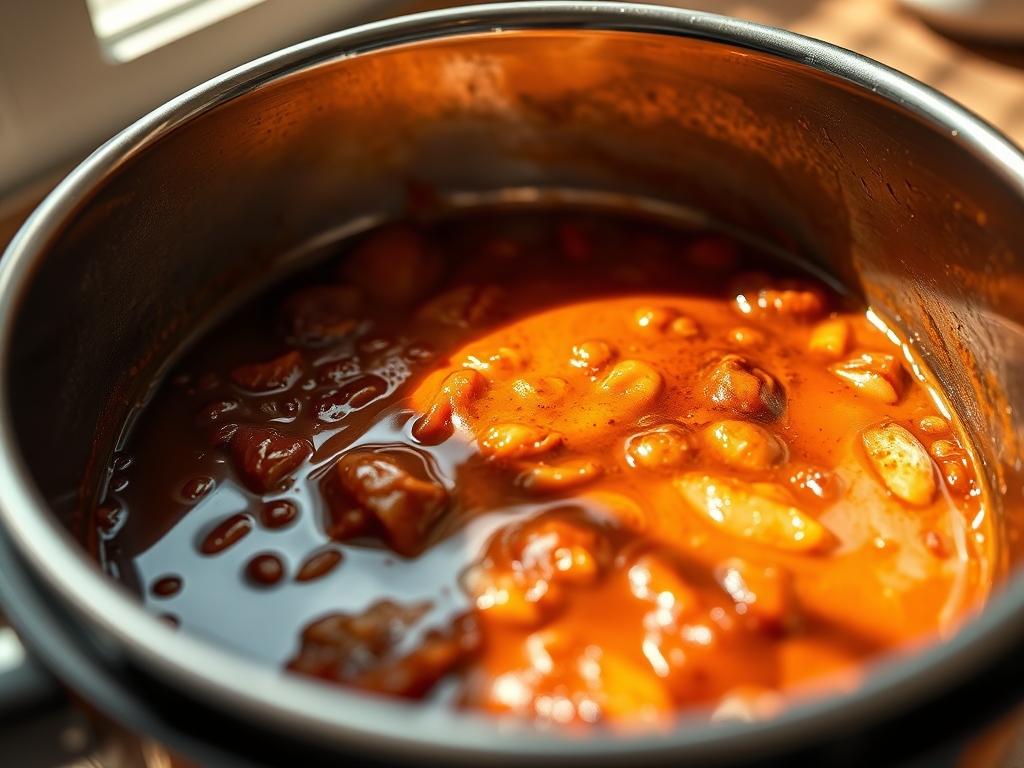
Referencing the Masterclass photo, your chili should exhibit a deep mahogany hue, not a bright red. A bright red color indicates under-cooked spices or insufficient browning of the beef. If your chili looks "broken" or oily, the fat hasn't been properly emulsified. To fix this, stir in a slurry of cornmeal and water; this will bind the fats and create a cohesive, viscous texture. If the beans appear blown out or mushy, you likely used canned beans that were too soft to begin with. Next time, look for "firm" varieties or reduce the pressure time by two minutes. The visual goal is a thick, chunky consistency where each ingredient is coated in a glossy, dark sauce.
THE DEEP DIVE
Macro Nutrition Profile:
A standard serving provides approximately 350 calories, 28g of protein, 30g of carbohydrates, and 12g of fat. The high fiber content from the dual-bean protocol ensures a low glycemic index, making this a high-performance fuel source.
Dietary Swaps:
- Vegan: Replace beef with a mix of lentils and finely chopped walnuts. Use vegetable broth and add a dash of liquid smoke to mimic the rendered fat flavor.
- Keto: Eliminate the beans entirely. Increase the beef to 1.3kg / 3 lbs and add diced green bell peppers for bulk without the starch.
- GF: Ensure your Worcestershire sauce is certified gluten-free, as some brands use barley malt vinegar.
Meal Prep & Reheating Science:
Chili is a molecular anomaly that improves with age. As it cools, the flavors continue to infuse and the starches from the beans further thicken the liquid. When reheating, avoid the microwave if possible. Use a small pot over medium-low heat and add 30ml of water to restore the original moisture levels without thinning the sauce.
THE KITCHEN TABLE
Why is my chili watery?
You likely had too much liquid or didn't sauté the vegetables long enough to release their moisture. Use the "Sauté" function after the pressure cycle to reduce the liquid until it reaches a viscous consistency.
Can I use dried beans without soaking?
Yes, but you must increase the pressure time to 45 minutes and add an extra 480ml / 2 cups of broth. The beans will absorb the liquid as they hydrate under pressure.
How do I make it spicier without ruining the balance?
Do not just add more chili powder. Incorporate minced chipotle peppers in adobo or a diced jalapeño during the sauté phase. This adds heat and a complex, smoky depth.
What if I get a "Burn" warning?
Release pressure immediately. Scrape the bottom of the pot to clear any stuck debris. Add 120ml of broth, stir the top layers only, and restart the cycle. Precision in deglazing prevents this entirely.