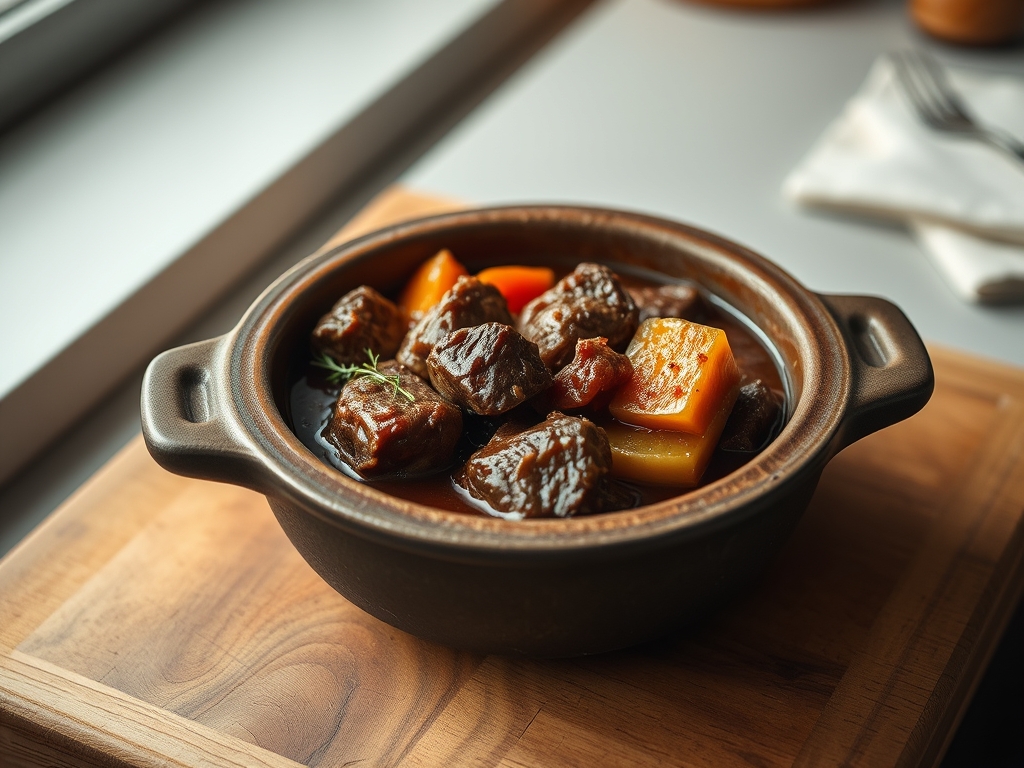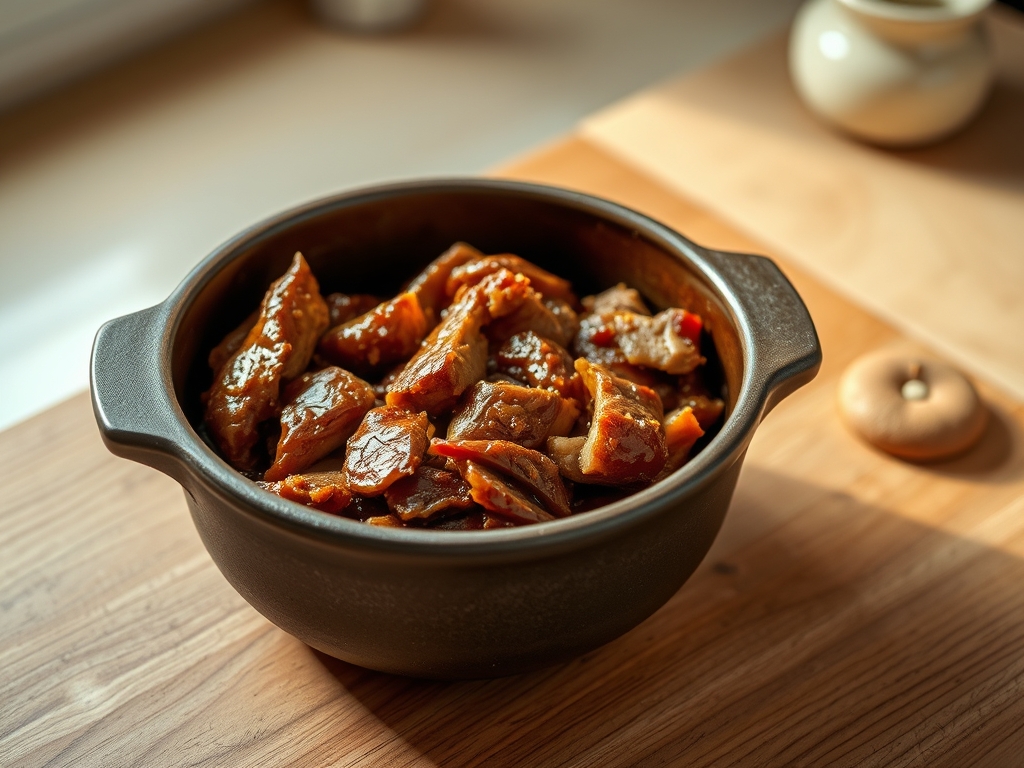
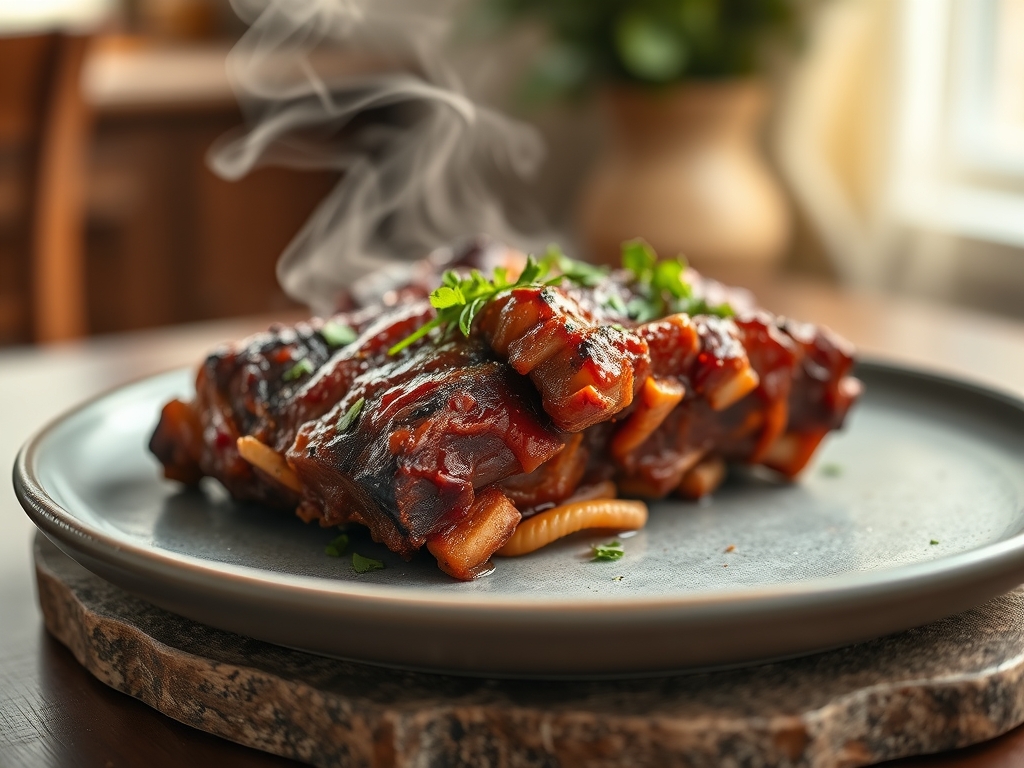
The air in a high-performance kitchen should smell like victory; specifically, the scent of caramelized sugars and rendering porcine fats. Traditionally, the barrier to entry for world-class barbecue was the clock. You were a hostage to the twelve-hour smoke, tethered to a wood-fired pit while collagen slowly surrendered to the heat. We are shattering that paradigm today. By leveraging high-pressure steam, we can force moisture into the dense connective tissue of a rack of pork, achieving a fall-off-the-bone texture in a fraction of the time. This is the era of Instant Pot Ribs. We are not just cooking; we are performing a high-velocity structural intervention on a rack of St. Louis style ribs. The goal is a perfect balance between a tender, succulent interior and a tacky, piquant exterior glaze that has been finished under a high-intensity broiler. Strap in, because we are about to bypass the laws of traditional thermodynamics to deliver a masterpiece in under an hour.
THE DATA MATRIX
| Metric | Specification |
|---|---|
| Prep Time | 15 Minutes |
| Execution Time | 35 Minutes |
| Yield | 4 Servings |
| Complexity (1-10) | 3 |
| Estimated Cost per Serving | $6.50 |
THE GATHERS
Ingredient Protocol:
- 1.4 kg / 3 lbs Pork Baby Back Ribs (Membrane removed)
- 250 ml / 1 cup Apple Cider or Water
- 60 ml / 4 tbsp Apple Cider Vinegar
- 5 g / 1 tsp Liquid Smoke (Optional)
- 250 ml / 1 cup High-Quality BBQ Sauce
- Dry Rub Component:
- 30 g / 2 tbsp Brown Sugar (Packed)
- 15 g / 1 tbsp Smoked Paprika
- 10 g / 2 tsp Garlic Powder
- 10 g / 2 tsp Onion Powder
- 5 g / 1 tsp Black Pepper
- 15 g / 1 tbsp Kosher Salt
- 2 g / 0.5 tsp Cayenne Pepper
Section A: Ingredient Quality Audit:
The primary failure point in Instant Pot Ribs is the selection of the protein. If your ribs appear grey or have a "shiners" problem (bones protruding through the meat), your final product will lack the necessary fat-to-lean ratio. To fix sub-par, lean ribs, increase the viscous nature of your mop sauce by adding a tablespoon of butter or lard during the final glazing phase. If your spices are dull and lack an aromatic punch, they have likely oxidized. Toast your dry rub in a dry saucier over low heat for 60 seconds before application to wake up the volatile oils. Finally, ensure your liquid smoke is high-quality; cheaper brands often contain bitter synthetic additives that will ruin the delicate balance of the pork.
THE MASTERCLASS
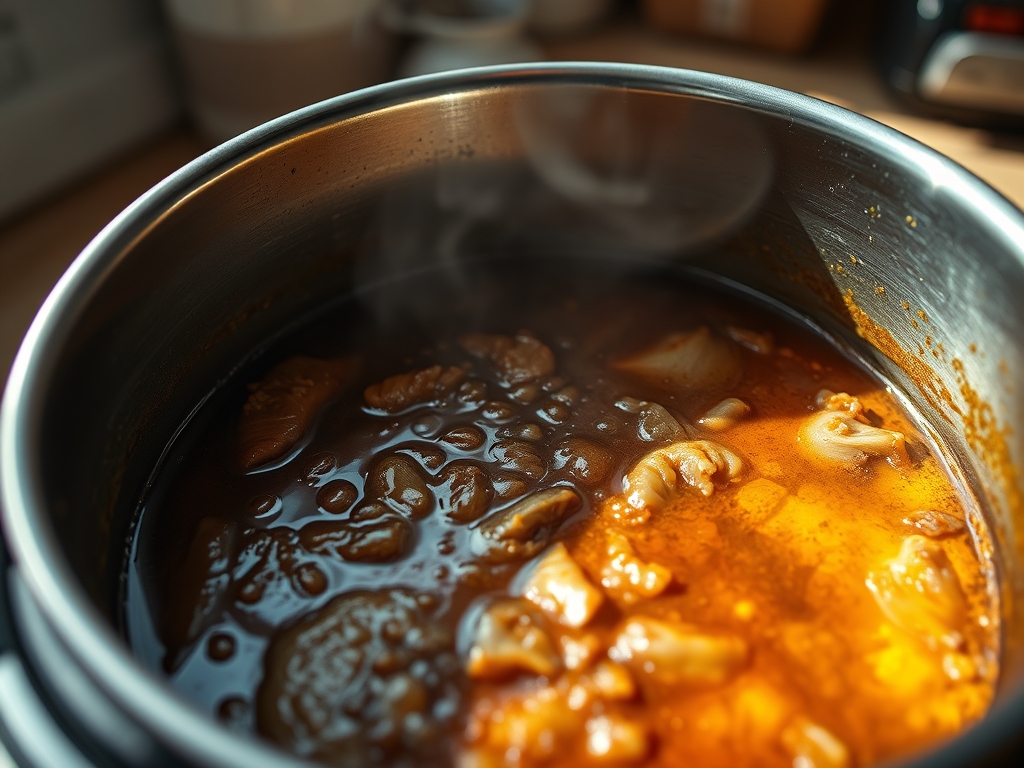
1. Membrane Extraction and Surface Prep
Lay the ribs on a clean workspace and use a bench scraper to lift the corner of the silver skin (the pleura) on the bone side. Grab it with a paper towel and pull it away in one fluid motion. This membrane is an impenetrable barrier to flavor and heat. Once removed, pat the meat dry with lint-free towels to ensure the rub adheres to the protein rather than sliding off in a slurry.
Pro Tip: Removing the membrane is non-negotiable for rapid cooking. In a high-pressure environment, an intact membrane will contract and toughen, preventing the liquid from penetrating the connective tissue. Use a digital scale to weigh your dry rub components to ensure consistent salinity across the entire rack.
2. The Dry Rub Application
Combine your dry ingredients and apply them generously to both sides of the ribs. Do not merely sprinkle; you must massage the spices into the fibers of the meat. This creates a "bark" foundation that will survive the steam environment.
Pro Tip: The salt in the rub acts as a denaturant. It begins to break down the surface proteins before the heat even hits them. This allows the spices to infuse deeper into the muscle tissue during the pressurized phase.
3. The Pressure Vessel Configuration
Place the metal trivet into the bottom of the Instant Pot. Pour in your apple cider, vinegar, and liquid smoke. Coil the ribs around the inside of the pot, standing them on their side with the meat side facing outward. This orientation ensures even steam distribution and prevents the meat from sitting in the liquid, which would boil rather than steam the protein.
Pro Tip: The acidity in the apple cider vinegar helps to further tenderize the meat by weakening the collagen bonds. Always use a saucier to pre-mix your cooking liquid to ensure the liquid smoke is fully integrated and not concentrated in one spot.
4. High-Pressure Execution
Seal the lid and set the valve to the "Sealing" position. Program the unit for 23 to 25 minutes on High Pressure. Once the timer expires, allow for a 10-minute natural pressure release. This prevents the rapid expansion of moisture within the meat fibers, which can cause the ribs to become tough and dry.
Pro Tip: A natural release is the secret to moisture retention. A "quick release" causes a violent boil inside the cells of the meat; this literally squeezes the juice out of your ribs. Patience here is the difference between succulent meat and "pork jerky."
5. The Maillard Finish
Carefully extract the ribs using wide tongs and place them on a foil-lined baking sheet. Brush them liberally with your BBQ sauce. Place them under a preheated broiler for 3 to 5 minutes until the sauce begins to bubble and char in spots.
Pro Tip: This step is where we create the Maillard reaction. The high heat of the broiler causes the sugars in the sauce to caramelize and bond with the proteins. Watch for the sauce to become viscous and tacky; this is the visual cue that your infrastructure is complete.
Section B: Prep & Timing Fault-Lines:
Human error usually manifests in the "Natural Release" phase. If you are in a rush and vent the steam early, you will end up with "rubber ribs." If this happens, your only fix is to simmer the ribs in a covered pot with extra sauce for 15 minutes to try and re-introduce moisture. Another common fault is over-filling the pot. Never exceed the "Max Fill" line; doing so prevents the unit from reaching the necessary pressure to achieve rapid connective tissue breakdown. Use a kitchen timer independent of the Instant Pot to double-check your natural release window.
THE VISUAL SPECTRUM
Section C: Thermal & Visual Troubleshooting:
Look at the Masterclass photo above. Notice the deep, mahogany hue and the way the sauce has "set" into a glossy veneer. If your ribs look pale or grey, you have skipped the broiler or failed to apply enough sugar-based rub. To fix a dull appearance, deglaze the drippings from the bottom of the Instant Pot, whisk in a teaspoon of cornstarch, and use that as a base for a high-gloss glaze. If the meat is falling off the bone before you even touch it, you have overcooked them by 3 to 5 minutes. Next time, calibrate your altitude; high-altitude cooking requires slightly longer times, while sea-level cooking is more aggressive. The bones should be visible at the tips (pull-back), which is the ultimate visual cue of a successful render.
THE DEEP DIVE
Macro Nutrition Profile:
A standard serving (approx. 3 ribs) contains roughly 450 calories, 32g of protein, 28g of fat, and 15g of carbohydrates (primarily from the BBQ sauce). The high protein content makes this an excellent muscle-recovery meal, provided the sugar in the sauce is moderated.
Dietary Swaps:
- Keto: Replace brown sugar with an erythritol-based sweetener and use a sugar-free BBQ sauce.
- Vegan: This technique can be applied to "Rib" shaped seitan or jackfruit, though the pressure time should be reduced to 10 minutes.
- GF: Ensure your liquid smoke and BBQ sauce are certified gluten-free, as some brands use barley-based flavorings.
Meal Prep & Reheating Science:
To maintain the molecular structure when reheating, avoid the microwave. The microwave agitates water molecules, which can make the pork "rubbery." Instead, wrap the ribs in foil with a tablespoon of apple juice and heat in a 300F oven. This creates a mini-steam environment that restores the original texture without drying out the protein.
THE KITCHEN TABLE
Why are my ribs still tough after 25 minutes?
You likely performed a quick pressure release. This causes the muscle fibers to lock up. Always allow at least 10 minutes of natural release to let the fibers relax and reabsorb the internal juices.
Can I use this method for beef ribs?
Yes, but beef ribs have significantly more connective tissue. Increase the high-pressure time to 45 minutes with a full natural release to ensure the tougher beef collagen fully transforms into gelatin.
Do I need to add liquid to the pot?
Absolutely. The Instant Pot requires steam to build pressure. Without at least 250ml of liquid, you risk the "Burn" notice and the internal environment will never reach the temperature needed to break down the tissue.
How do I get a smoky flavor without a smoker?
The combination of smoked paprika in the rub and high-quality liquid smoke in the cooking liquid provides a convincing aromatic profile. Finishing under the broiler adds the necessary charred notes to complete the illusion.