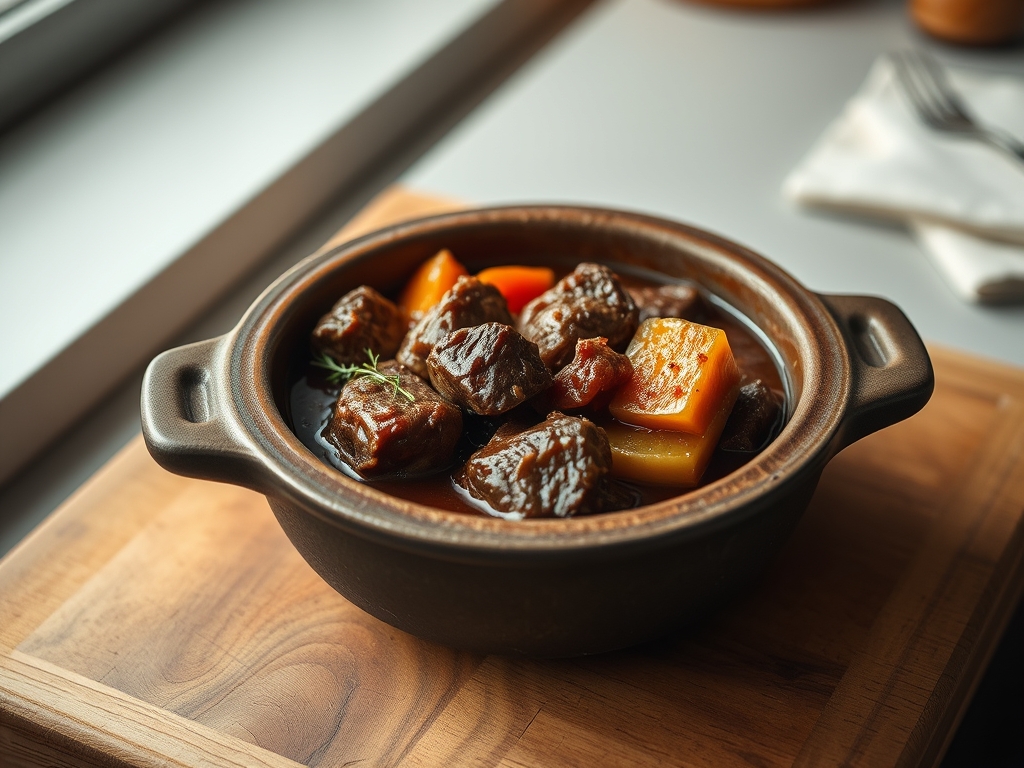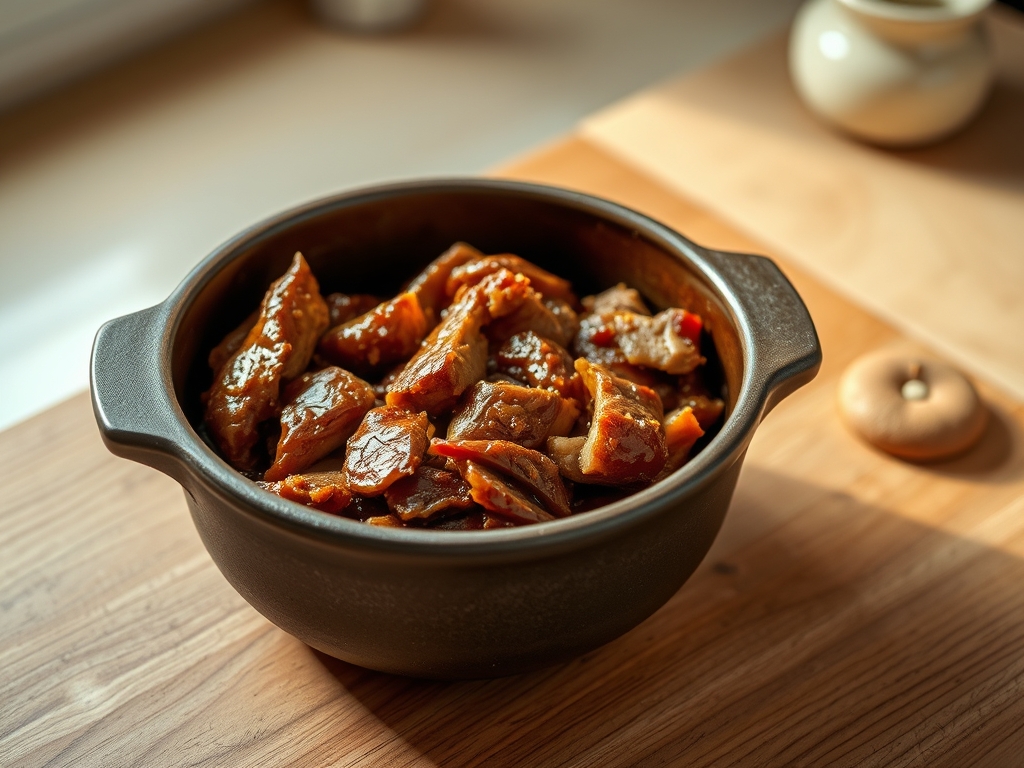
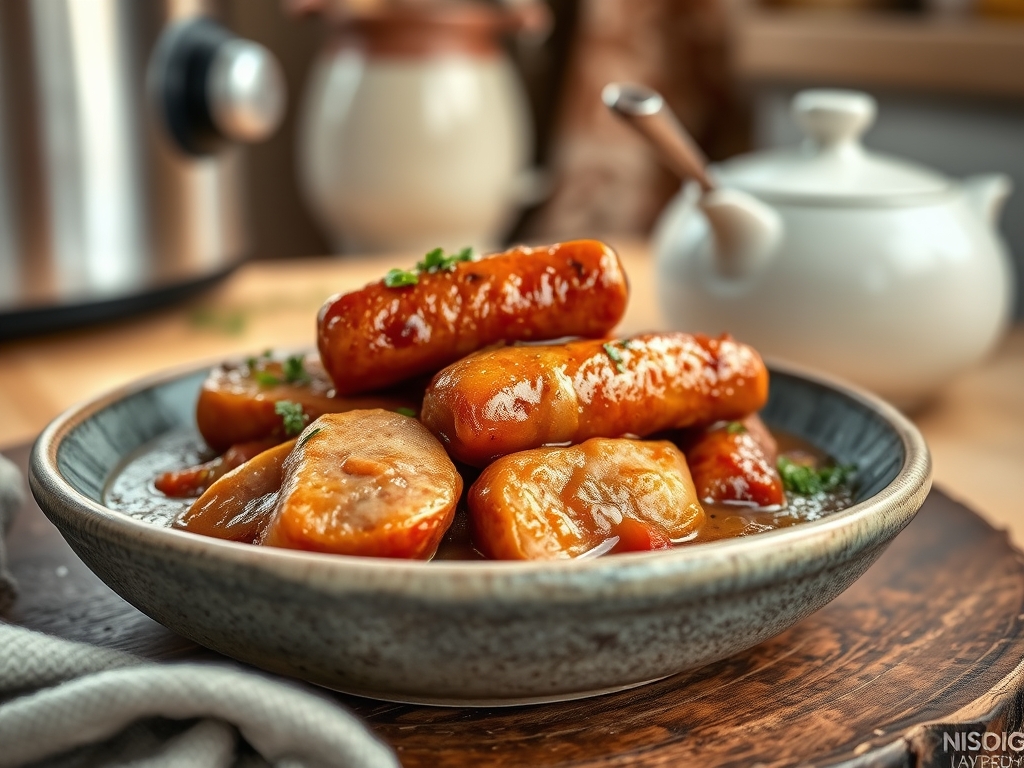
Listen up, kitchen operatives. We are moving beyond the realm of basic home cooking and entering the theater of high-performance lipid management. When you commit to a Slow Cooker Sausage Stew, you aren't just tossing meat into a ceramic basin; you are conducting a multi-hour symphony of collagen breakdown and fat emulsification. The objective is a sauce so viscous and piquant that it clings to the back of a spoon with the tenacity of a high-grade industrial adhesive. We are looking for that perfect Maillard reaction on the casing, the slow bleed of paprika-infused oils into a tomato-based matrix, and the structural integrity of root vegetables that have been pushed to the absolute limit of tenderness without collapsing into a cellular slurry. This is about precision. This is about understanding that time is your primary solvent. If you treat this like a dump-and-go chore, you will end up with a watery, separated mess. If you treat it like a technical audit of flavor, you will achieve culinary transcendence.
THE DATA MATRIX
| Metric | Specification |
|---|---|
| Prep Time | 25 Minutes |
| Execution Time | 6 Hours (Low) / 4 Hours (High) |
| Yield | 6 Standard Units (Servings) |
| Complexity | 4 / 10 |
| Estimated Cost per Serving | $3.25 USD |
THE GATHERS
Ingredient Protocol:
- 680g / 1.5 lbs Italian Pork Sausages (Hot or Sweet)
- 450g / 1 lb Red Potatoes (waxy variety), quartered
- 2 medium Yellow Onions, diced (approx. 300g)
- 3 large Carrots, sliced into 1cm rounds (approx. 200g)
- 3 cloves Garlic, microplaned
- 800g / 28 oz Crushed Tomatoes
- 250ml / 1 cup Beef Bone Broth (high gelatin content)
- 30ml / 2 tbsp Tomato Paste
- 10ml / 2 tsp Smoked Paprika
- 5ml / 1 tsp Dried Oregano
- 2.5ml / 0.5 tsp Red Pepper Flakes
- Salt and Black Pepper to taste
Section A: Ingredient Quality Audit:
If your sausages are weeping excess water during the sear, you have purchased a product with high phosphate fillers. To fix this, increase your initial heat to evaporate the moisture rapidly before the casing softens. If your potatoes are disintegrating, you likely used a starchy Russet instead of a waxy Yukon or Red. Next time, soak starchy potatoes in cold water for 30 minutes to remove surface starch, or stick to waxy cultivars that maintain cellular structure under prolonged thermal stress. If the sauce lacks depth, your tomato paste may be under-caramelized. Always "fry" your paste in the pan before adding liquids to unlock complex sugars.
THE MASTERCLASS
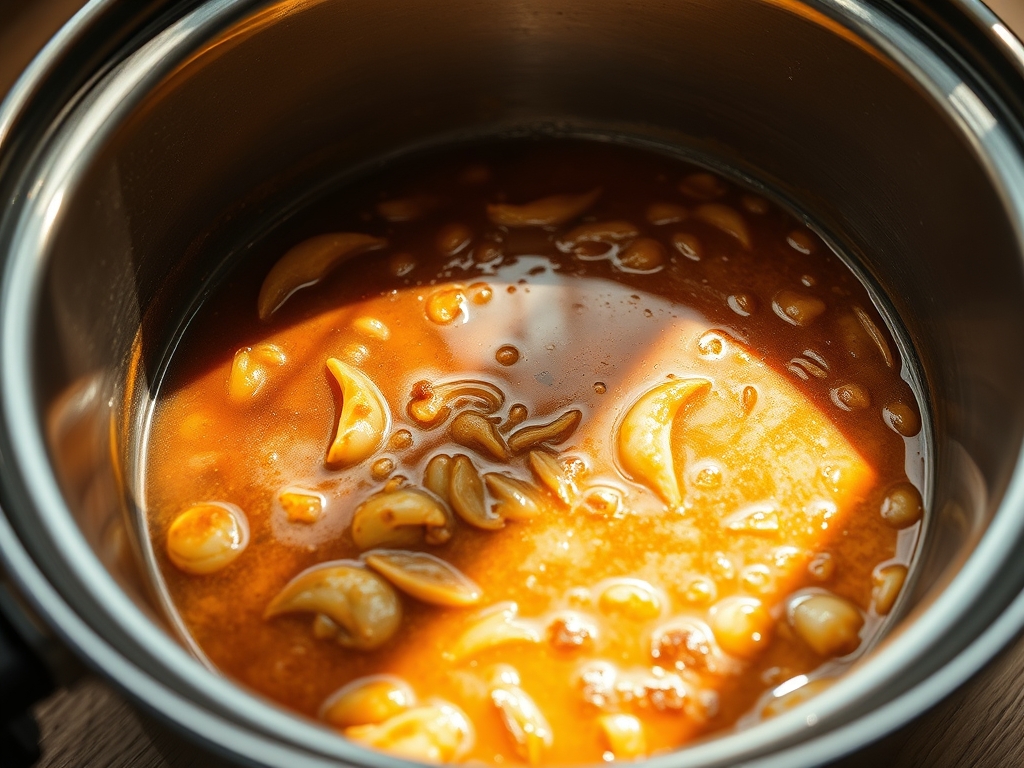
1. The Maillard Initiation
Heat a heavy-bottomed stainless steel saucier over medium-high heat. Add a thin film of high-smoke-point oil. Sear the sausages until the casings are deeply browned and taut. Do not crowd the pan; work in batches if necessary to maintain surface temperature.
Pro Tip: Use a digital scale to ensure even portions. Browning creates melanoidins, which are non-volatile flavor compounds that provide the "savory" backbone of the stew. This step is non-negotiable for flavor depth.
2. Aromatics and Deglazing
Remove the sausages and add onions and carrots to the rendered fat. Sauté until translucent. Add garlic and tomato paste, stirring constantly for 120 seconds until the paste turns a dark brick red. Pour in a splash of the beef broth to deglaze the pan, using a wooden bench scraper to lift every charred bit of "fond" from the bottom.
Pro Tip: Deglazing captures the concentrated proteins stuck to the pan. This is where the majority of your "umami" profile originates. A bench scraper is superior to a spoon for maximizing fond recovery.
3. Loading the Vessel
Transfer the aromatics and the deglazing liquid into the slow cooker. Add the potatoes, crushed tomatoes, remaining broth, and all dry spices. Slice the seared sausages into 2cm medallions and fold them into the mixture. Ensure the liquid level just barely covers the solids to prevent a diluted final product.
Pro Tip: Use a digital thermometer to ensure your broth is at least room temperature before adding. Cold liquids can thermal-shock the ceramic insert, potentially leading to micro-fractures over time.
4. The Long-Chain Polymerization
Set the device to "Low" for 6 hours. During this time, the heat will slowly break down the tough connective tissues in the sausage and the pectin in the vegetables. The fat will render out and begin to emulsify with the tomato acidity and potato starches.
Pro Tip: Resist the urge to lift the lid. Every time you open the cooker, you lose significant thermal energy and moisture, extending the required cook time by approximately 15 to 20 minutes per "peek."
5. The Final Emulsification
Thirty minutes before the timer expires, taste for seasoning. If the sauce appears too thin, crush two or three of the cooked potato chunks against the side of the pot and stir them back in. This releases starch which acts as a natural thickening agent.
Pro Tip: Use a microplane to add a final grating of fresh garlic or lemon zest right before serving to provide a "high note" of volatile aromatics that would otherwise be lost during the long simmer.
Section B: Prep & Timing Fault-Lines:
The most common failure in Slow Cooker Sausage Stew is "The Mush Factor." This occurs when vegetables are cut too small or the unit is left on "Keep Warm" for more than two hours. If your schedule is unpredictable, use a programmable timer to cut the power exactly at the six-hour mark. If you find your stew is too salty, it is likely due to the reduction of the broth. Always use low-sodium broth and season at the very end of the process to account for evaporation and concentration.
THE VISUAL SPECTRUM
Section C: Thermal & Visual Troubleshooting:
Look at the Masterclass photo. Notice the vibrant, deep red hue of the sauce and the distinct, glossy sheen. This sheen indicates a successful fat emulsification. If your stew looks dull or orange, you likely skipped the tomato paste browning phase. If the sausages look grey, your initial sear was insufficient. If the liquid is thin and translucent rather than opaque and rich, your starch release was inadequate. To fix a "broken" sauce where fat is floating on top, briskly whisk in a small slurry of cornstarch and water, then heat on high for 15 minutes to re-bind the lipids.
THE DEEP DIVE
Macro Nutrition Profile:
A standard serving provides approximately 450 calories. The breakdown is roughly 28g Fat, 32g Carbohydrates, and 22g Protein. To increase the protein-to-fat ratio, utilize turkey or chicken sausages, though be aware that the lower fat content will require a more aggressive emulsification strategy to maintain mouthfeel.
Dietary Swaps:
- Vegan: Substitute sausages with smoked tempeh or high-protein seitan. Use vegetable bouillon and add a teaspoon of liquid smoke to mimic the rendered pork profile.
- Keto: Eliminate potatoes. Substitute with cauliflower florets or daikon radish, added in the final 90 minutes of cooking to prevent over-softening.
- GF: Ensure your sausages do not contain breadcrumb fillers. Most high-quality links are naturally gluten-free, but always audit the label.
Meal Prep & Reheating Science:
This stew is a molecular masterpiece on day two. As it cools, the flavors continue to marry and the starches retrograde, creating a thicker texture. To reheat, avoid the microwave, which can cause "hot spots" and "lipid explosions." Instead, use a small pot on the stovetop over low heat. Add a tablespoon of water or broth to loosen the emulsion without breaking it.
THE KITCHEN TABLE
Can I use frozen sausages directly in the pot?
Negative. This is a safety hazard. Frozen meat in a slow cooker stays in the "danger zone" for bacterial growth too long. Always thaw and sear your proteins first to ensure both safety and flavor development.
Why is my sauce so oily?
If you used high-fat sausages without browning and draining them first, the excess lipids will overwhelm the emulsion. Skim the surface with a wide spoon or use a piece of bread to blot the excess oil from the top.
Can I add greens like spinach or kale?
Yes, but timing is critical. Add leafy greens during the final 10 minutes of the "Low" cycle. Their cellular structure is fragile; cooking them longer will result in a slimy, unappealing texture and loss of chlorophyll.
My potatoes are still hard after six hours. What happened?
Acidity from the tomatoes can sometimes interfere with the softening of potato cell walls. Ensure your potatoes are submerged in the liquid and consider par-boiling them for 5 minutes if you are using particularly acidic heirloom tomatoes.