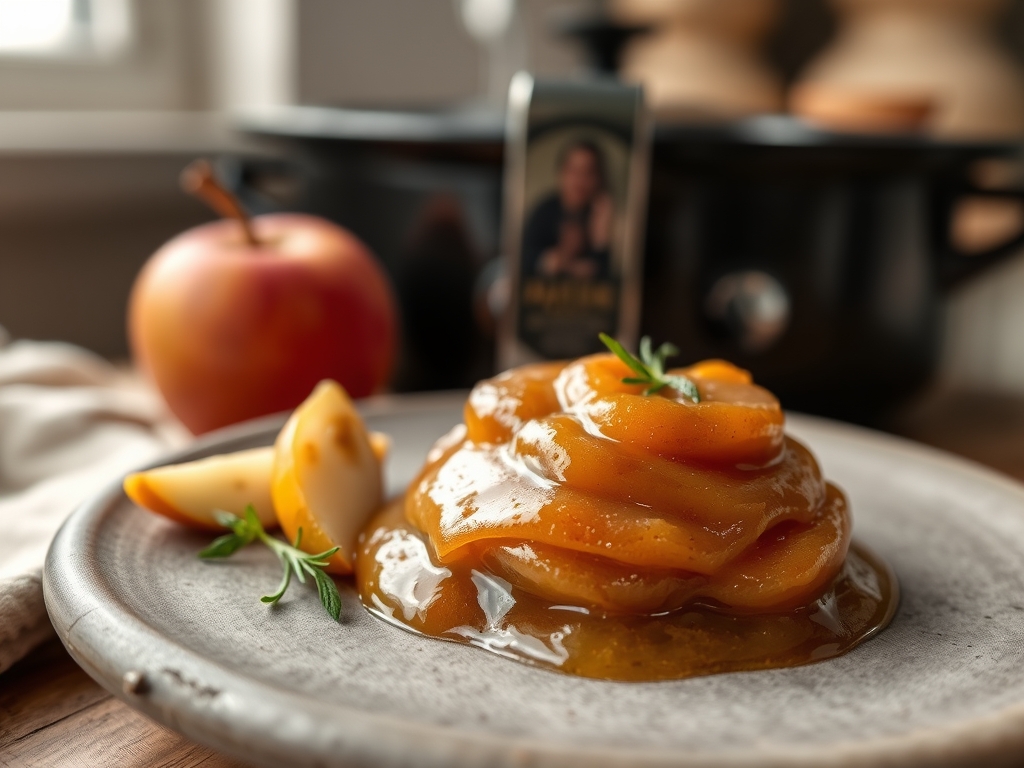
Stop treating your kitchen like a hobbyist playground and start viewing it as a high-output laboratory for fructose concentration. We are not just making a snack; we are engineering a spreadable masterpiece through the strategic application of low-intensity thermal energy. Slow Cooker Apple Butter is the ultimate test of patience versus chemistry. It is the process of taking a high-moisture, fibrous pome and forcing it through a metabolic transformation until it reaches a state of dark, jammy nirvana. You are looking for a deep mahogany hue and a texture so thick it defies gravity when inverted on a spoon. This is not the watery, pale applesauce of your childhood. This is a concentrated essence of autumn, achieved by simmering the fruit until the natural sugars undergo a complex series of Maillard reactions and caramelization phases. We are talking about a total structural collapse of the cellular walls, leaving behind a silken, spiced concentrate that screams authority on a piece of toasted sourdough. Strap in, because we are about to optimize your fruit reduction protocols.
THE DATA MATRIX
| Metric | Specification |
|---|---|
| Prep Time | 30 Minutes |
| Execution Time | 10 to 12 Hours |
| Yield | 1.4 Liters / 6 Cups |
| Complexity (1-10) | 3 |
| Estimated Cost per Serving | $0.22 USD |
THE GATHERS
Ingredient Protocol:
- 2.75 kg / 6 lbs Apples (Fuji or Gala for high sugar content)
- 200g / 1 cup Granulated Sugar
- 215g / 1 cup Packed Light Brown Sugar
- 15ml / 1 tbsp Ground Cinnamon
- 2.5g / 0.5 tsp Ground Cloves
- 1.25g / 0.25 tsp Ground Allspice
- 1.25g / 0.25 tsp Fine Sea Salt
- 15ml / 1 tbsp Pure Vanilla Extract
Section A: Ingredient Quality Audit:
If your raw apples lack a piquant snap or feel mealy, your final product will suffer from a lack of acidity. To fix "dead" fruit, supplement the mixture with 15ml of apple cider vinegar or lemon juice to brighten the flavor profile. If using apples with low pectin levels, the butter may fail to set properly; ensure you are using a blend of varieties to provide a balanced structural foundation. Avoid "Red Delicious" at all costs; they lack the complexity required for a high-level reduction and often result in a chalky mouthfeel.
THE MASTERCLASS
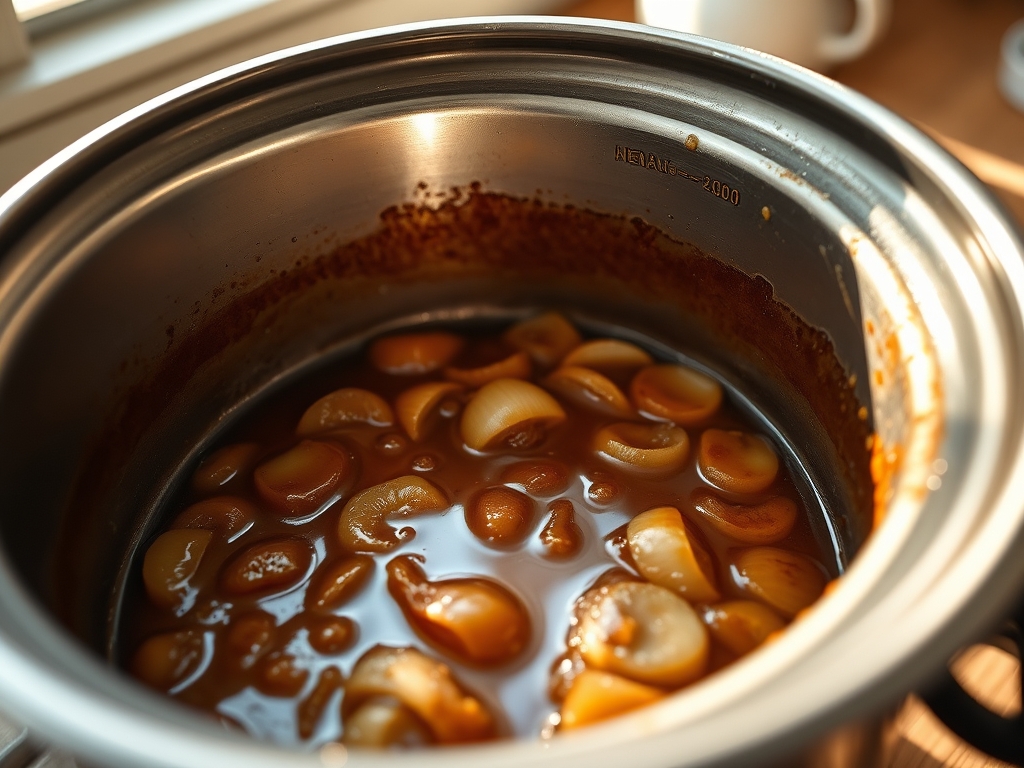
1. The Core Extraction
Peel, core, and finely slice your apples. Use a digital scale to ensure your starting mass is accurate, as this dictates the sugar-to-acid ratio. Place the slices directly into the slow cooker insert.
Pro Tip: Use a high-quality bench scraper to transfer large volumes of sliced fruit from your cutting board to the cooker without losing precious juices or bruising the flesh.
2. The Osmotic Infusion
In a medium bowl, whisk together the sugars, cinnamon, cloves, allspice, and salt. Pour this mixture over the apples and toss thoroughly to ensure even coating. This initiates osmosis, drawing moisture out of the fruit to create a syrup.
Pro Tip: The salt acts as a flavor bridge; it suppresses bitterness and enhances the perception of sweetness without requiring additional caloric load.
3. The Thermal Breakdown
Cover and cook on low for 10 hours. The goal here is to render the fruit into a soft, mushy pulp. The slow, consistent heat prevents the sugars from scorching while allowing the flavors to infuse deeply into the fiber.
Pro Tip: Resist the urge to open the lid. Every time you peek, you lose thermal momentum and extend the cooking time by twenty minutes.
4. The Emulsification Phase
Once the apples are dark and tender, use an immersion blender to puree the mixture directly in the pot until it is perfectly smooth and viscous. If you prefer a more traditional finish, pass the mixture through a fine-mesh sieve or a food mill.
Pro Tip: If using a standard blender, work in small batches. The steam expansion in a closed blender jar can cause a dangerous "volcano" effect.
5. The Final Reduction
Cook the puree uncovered on low for another 2 hours. This allows excess moisture to aerate and evaporate, thickening the butter to its final, spreadable consistency. Stir in the vanilla extract during the final 30 minutes.
Pro Tip: Use a saucier whisk to stir during this phase; the rounded bottom prevents the thick puree from catching in the corners of the insert.
Section B: Prep & Timing Fault-Lines:
The most common failure in Slow Cooker Apple Butter is the "Watery Separation" error. This happens when the cook time is cut short or the lid is left on during the final reduction phase. If your butter looks thin, continue cooking uncovered. Another fault-line is "Sugar Scorching." If your slow cooker runs hot, the sugars at the edges may burn. Fix this by adding 30ml of water to deglaze the sides and switching the unit to the "Warm" setting for the remainder of the process.
THE VISUAL SPECTRUM
Section C: Thermal & Visual Troubleshooting:
Referencing the Masterclass photo, notice the deep, uniform mahogany color. This is the result of successful Maillard browning. If your butter is pale tan, it needs more time; the sugars have not yet fully caramelized. If you see "weeping" (clear liquid pooling around the edges), the pectin structure has not concentrated enough. Continue the reduction until a dollop placed on a cold plate holds its shape without any liquid runoff. Dull colors can be corrected by a final stir of 5ml of fresh lemon juice to provide a glossy, professional sheen.
THE DEEP DIVE
Macro Nutrition Profile:
A standard 30ml (2 tbsp) serving contains approximately 60 calories, 15g of carbohydrates, and 0g of fat. While high in natural and added sugars, it is a fat-free condiment that provides a concentrated dose of dietary fiber and antioxidants from the apple skins, provided you chose not to peel them too aggressively.
Dietary Swaps:
- Vegan: Naturally compliant. Ensure your sugar is certified vegan if you are a purist.
- Keto: Replace sugars with an allulose or erythritol blend. Note that the texture will be less "sticky" as alternative sweeteners do not caramelize in the same molecular fashion as sucrose.
- GF: Naturally gluten-free.
Meal Prep & Reheating Science:
Apple butter is highly stable due to its high sugar content and low water activity. It will last 3 weeks in the refrigerator or up to a year if processed in a boiling water bath for 10 minutes. To maintain the molecular structure when reheating, use low power to avoid "breaking" the pectin bond, which can lead to a grainy texture.
THE KITCHEN TABLE
Why is my apple butter grainy?
This usually occurs if the apples were mealy or if the puree process was insufficient. Use an immersion blender for at least three minutes to ensure all fibrous structures are completely pulverized into a smooth, homogenous emulsion.
Can I leave the skins on?
Yes, but you must use a high-powered blender to ensure the skins are fully integrated. The skins contain high levels of pectin, which helps the butter set, but they can create a "flecked" appearance that some find unappealing.
What are the best apples to use?
A 50/50 split between soft apples (like McIntosh) and firm apples (like Granny Smith) provides the best balance of texture and tartness. This hybrid approach ensures a complex flavor profile that isn't one-dimensionally sweet.
How do I know it is finished?
The "Spoon Test" is your gold standard. Place a spoonful of the hot butter on a chilled plate. If it remains mounded and does not release a ring of liquid, the fructose concentration is optimal.