Forget the tepid, watery gruel of your childhood memories. We are here to execute a structural overhaul of a legacy classic. When you engage with a Slow Cooker Split Pea protocol, you are not merely making soup; you are managing a complex cellular breakdown. We are targeting the total disintegration of amylopectin, the branched glucose polymer that gives the dried legume its rigid architecture. As the ceramic vessel climbs toward the simmer point, a thermal heist occurs. Water molecules infiltrate the starch granules, causing them to swell, burst, and transform into a luscious, viscous suspension. The air in your kitchen will soon carry the heavy, smoky perfume of rendered lipids and piquant aromatics. This is a high-stakes extraction of flavor where the appliance does the heavy lifting, but your technical precision determines the final viscosity. We are looking for a texture that coats the back of a spoon with the authority of a velvet curtain. Prepare your station; we are about to turn humble pulses into a masterpiece of culinary engineering.
THE DATA MATRIX
| Metric | Specification |
|---|---|
| Prep Time | 20 Minutes |
| Execution Time | 4 to 8 Hours (Thermal Dependent) |
| Yield | 2.5 Liters / 10.5 Cups |
| Complexity (1-10) | 3 (Low Technical Barrier) |
| Estimated Cost per Serving | $0.85 USD |
THE GATHERS
Ingredient Protocol:
- 450g / 1 lb Dried Green Split Peas (Rinsed and sorted)
- 1.5L / 6 cups Low-Sodium Chicken or Vegetable Stock
- 1 Large Yellow Onion (Small dice)
- 300g / 2 cups Carrots (Peeled and sliced into rounds)
- 150g / 1 cup Celery (Finely chopped)
- 3 Cloves Garlic (Microplaned or minced)
- 1 Meaty Ham Shank or Smoked Turkey Wing (Approx. 500g)
- 2 Bay Leaves (Dried)
- 5ml / 1 tsp Dried Thyme
- 2.5ml / 0.5 tsp Freshly Cracked Black Pepper
- 15ml / 1 tbsp Liquid Smoke (Optional for depth)
- Kosher Salt (To be added post-render)
Section A: Ingredient Quality Audit:
The primary failure point in a Slow Cooker Split Pea operation is the age of the legumes. If your peas have been sitting in a pantry since the previous administration, their cell walls have become lignified. No amount of thermal energy will soften them. Fix: Ensure your pulses are from a high-turnover source. If you suspect age, a 1.25g / 0.25 tsp pinch of baking soda added to the liquid can increase the pH, accelerating the breakdown of hemicellulose. Furthermore, avoid adding salt or acidic components like lemon juice until the very end of the cycle. Sodium and acid can toughen the skins of the peas, preventing the desired creamy disintegration.
THE MASTERCLASS
1. The Aromatic Foundation
Begin by prepping your mirepoix. Use a sharp chef knife to achieve a uniform 6mm dice on your onions, carrots, and celery. If you want to elevate the flavor profile, quickly sauté these aromatics in a stainless steel saucier with a touch of butter before they enter the slow cooker. This initiates the Maillard reaction, creating complex flavor compounds that raw simmering cannot replicate.
Pro Tip: Use a digital scale to ensure your vegetable ratios are precise. Consistency in the size of the dice ensures that the aromatics melt into the soup at the same rate the peas dissolve.
2. The Hydration Phase
Place the rinsed peas into the ceramic insert of your slow cooker. Add the stock, diced vegetables, garlic, thyme, and pepper. Use a silicone spatula to stir the mixture, ensuring no peas are stuck to the bottom or sides where they might scorch. Submerge the ham shank or smoked meat into the center of the liquid.
Pro Tip: Always use a cold start for your liquids. Gradually raising the temperature allows the proteins in the smoked meat to render and infuse the broth more effectively than a sudden thermal shock.
3. Thermal Integration
Secure the lid and set your device. For a superior texture, the "Low" setting for 7 to 8 hours is preferred over the "High" setting for 4 hours. The slower transition of heat allows for a more thorough amylopectin breakdown without agitating the proteins into a rubbery state.
Pro Tip: Do not lift the lid during the first four hours. Every time you break the seal, you lose significant steam and drop the internal temperature by several degrees, extending your timeline and risking an uneven cook.
4. The Extraction and Refinement
Once the timer expires, use heavy-duty tongs to remove the ham shank. Place it on a clean cutting board and use a bench scraper or two forks to shred the meat, discarding the bone and excess fat. Return the shredded meat to the vessel.
Pro Tip: If the soup appears too chunky, use an immersion blender to pulse a small portion of the base. This will aerate the mixture slightly and create a more luxurious, emulsified mouthfeel.
Section B: Prep & Timing Fault-Lines:
The most common human error is the "Crunchy Pea Syndrome." This is often caused by hard water. If your tap water has high mineral content, the calcium and magnesium will bind to the pea skins and prevent softening. Technical Fix: Use filtered or distilled water mixed with a high-quality stock concentrate. Another fault-line is the "Evaporation Gap." If your slow cooker lid does not have a tight seal, you may lose too much moisture, resulting in a scorched bottom. Monitor the liquid levels at the 6-hour mark; if it looks like a thick paste rather than a soup, whisk in 250ml of warm water.
THE VISUAL SPECTRUM
Section C: Thermal & Visual Troubleshooting:
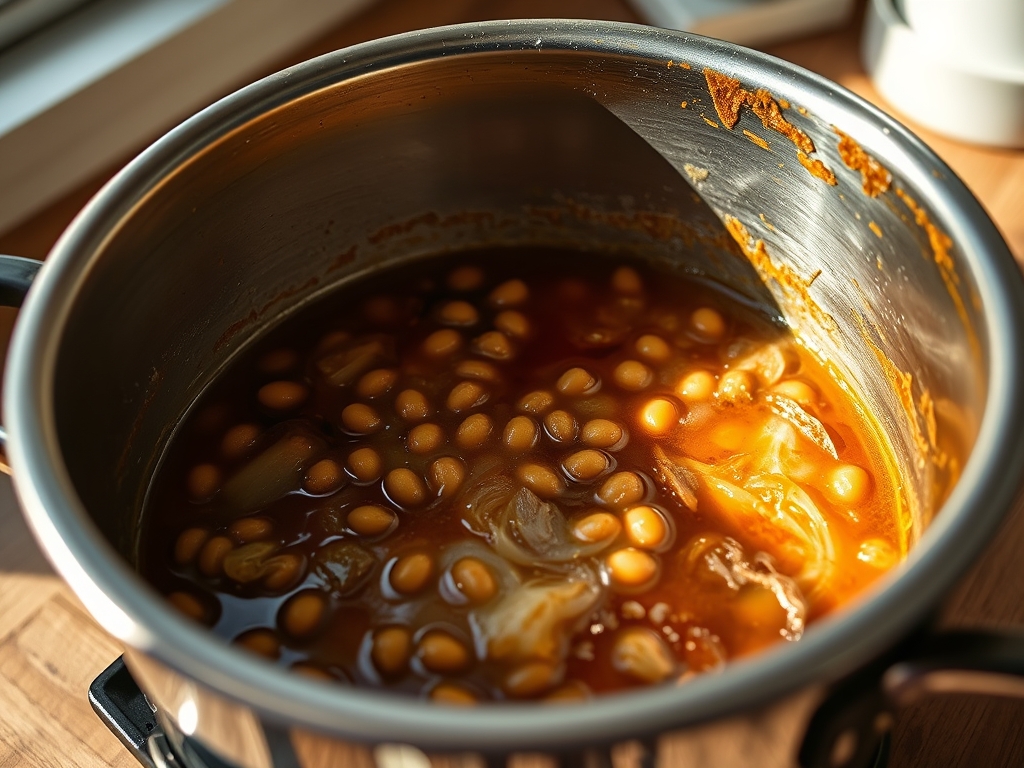
Referencing the Masterclass photo, you should observe a vibrant, yet earthy green hue with visible flecks of orange from the carrots. If your soup looks dull or grey, it is likely over-oxidized or the peas were of poor quality. To fix a dull appearance, stir in a handful of fresh parsley or a squeeze of lemon juice just before serving; the acid brightens the chlorophyll remnants. If you see uneven browning or dark spots on the edges, your slow cooker has a "hot spot." To mitigate this in future batches, rotate the ceramic insert 180 degrees halfway through the cooking process. The texture should be thick enough that the shredded ham remains suspended on the surface rather than sinking immediately to the bottom.
THE DEEP DIVE
Macro Nutrition Profile:
A standard 350ml serving provides approximately 280 calories, 18g of protein, 45g of complex carbohydrates, and 12g of dietary fiber. It is a low-fat powerhouse, provided the ham shank is trimmed of excess subcutaneous fat.
Dietary Swaps:
- Vegan: Replace the ham shank with 10ml of smoked paprika and 15ml of white miso paste to replicate the umami and smoky depth. Use vegetable stock.
- Keto: This dish is naturally high in starch; however, you can lower the carb count by reducing the pea volume by half and substituting with riced cauliflower.
- GF: Naturally gluten-free. Ensure your stock concentrate is certified.
Meal Prep & Reheating Science:
Split pea soup is notorious for "setting" in the fridge. As it cools, the starch molecules undergo retrogradation, forming a firm gel. When reheating, do not just microwave it. Place the portion in a small pot, add 30ml of water or stock, and whisk over medium heat. This breaks the hydrogen bonds and restores the original viscous flow.
THE KITCHEN TABLE
Why are my peas still hard after 8 hours?
This is usually due to old peas or hard water minerals. Next time, add a pinch of baking soda to the liquid to help break down the tough hemicellulose in the pea skins.
Can I cook this on the High setting?
Yes, but the texture may be grainier. The Low setting provides a more consistent molecular breakdown, resulting in a smoother, creamier finish.
Should I soak the split peas overnight?
Unlike larger beans, split peas do not require a soak. Their smaller surface area and "split" nature allow for rapid hydration directly in the slow cooker.
How do I fix a soup that is too salty?
If the ham shank was overly cured, drop a peeled, halved potato into the pot for the final hour. The potato will absorb excess sodium like a sponge. Discard the potato before serving.