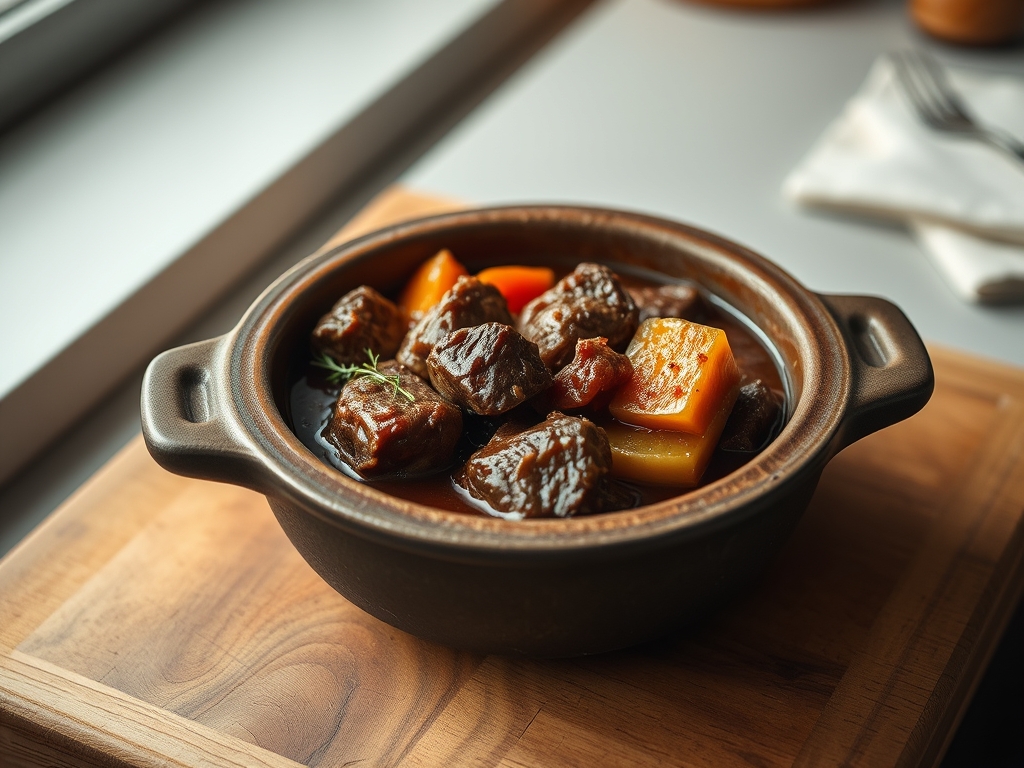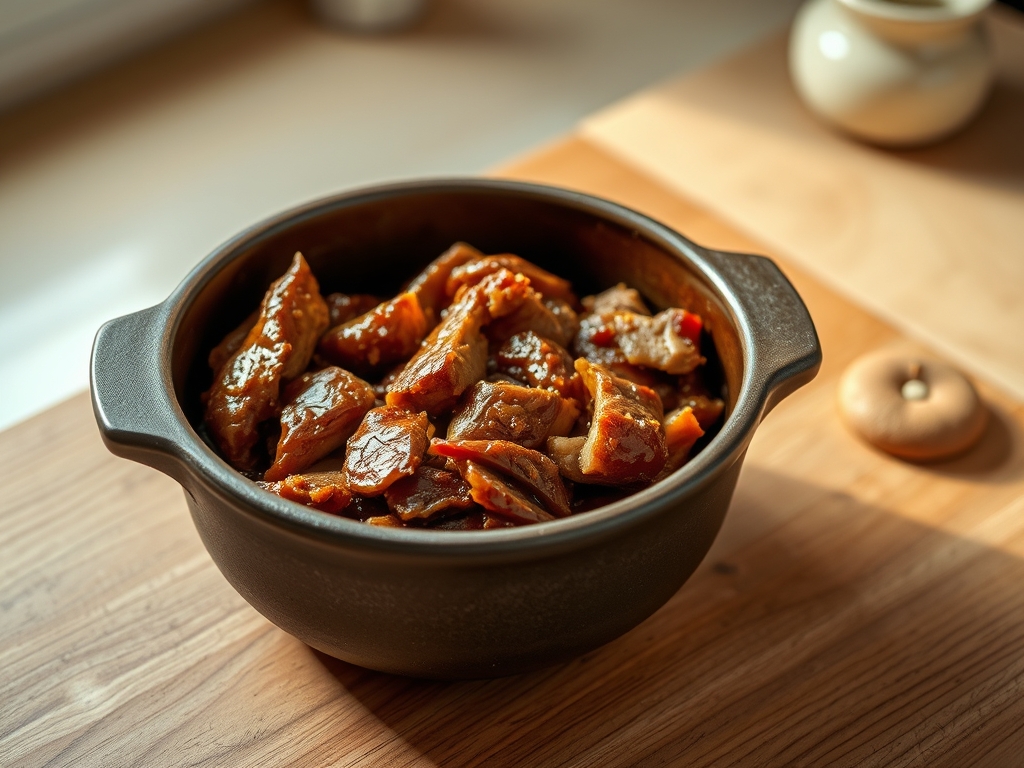
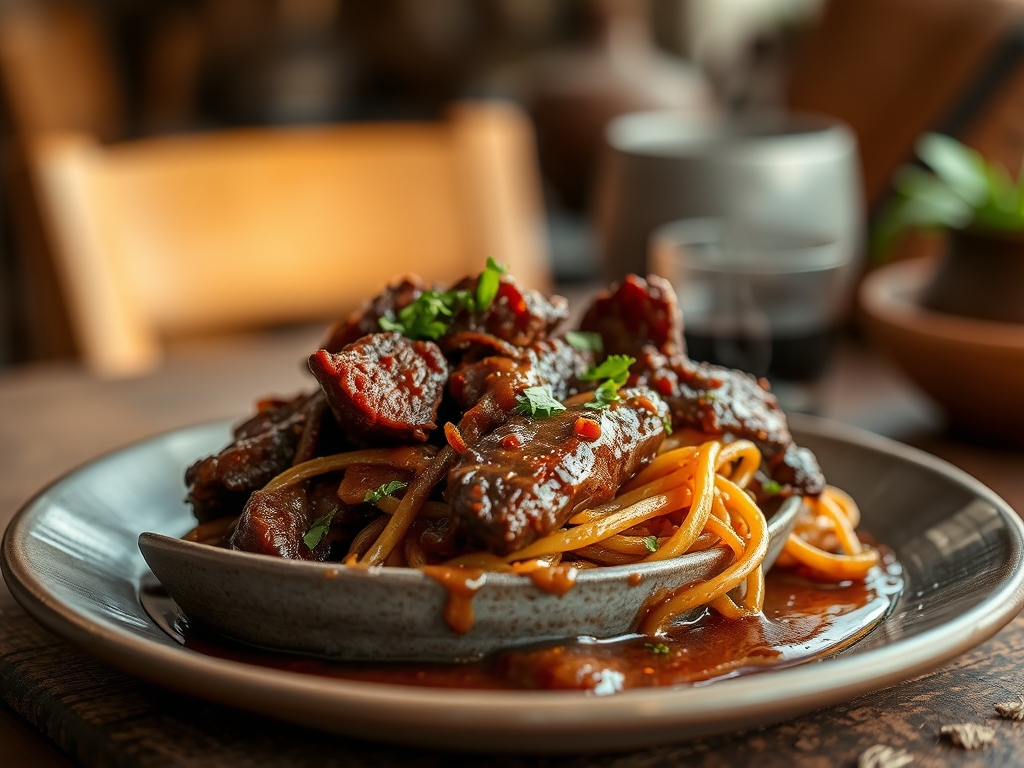
Stop treating your slow cooker like a dumping ground for mediocre leftovers and start treating it like the high-precision thermal chamber it was meant to be. We are not just making dinner; we are conducting a structural overhaul of bovine muscle fibers through the lens of Slow Cooker Beef Barbacoa. Imagine a chuck roast so tender it practically surrenders at the mere suggestion of a fork. The air in your kitchen should be thick with the scent of toasted cumin, smoky chipotle, and the sharp tang of fresh lime. This is high-intensity slow cooking, where the goal is total adobo saturation. We are looking for a result that is viscous, deeply piquant, and structurally sound enough to hold its own against a corn tortilla. If you are tired of watery, grey, uninspired beef, you are in the right place. We are going to render fat into liquid gold and infuse every single molecule of protein with a complex, smoky heat. Let us begin the audit.
THE DATA MATRIX
| Metric | Value |
|---|---|
| Prep Time | 30 Minutes |
| Execution Time | 8 Hours (Low) / 4 Hours (High) |
| Yield | 6 to 8 Servings |
| Complexity (1-10) | 4 |
| Estimated Cost per Serving | $3.50 – $4.50 |
THE GATHERS
Ingredient Protocol:
- 1.8 kg / 4 lbs Beef Chuck Roast, cut into large cubes
- 375 ml / 1.5 cups Beef Bone Broth
- 45 ml / 3 tbsp Apple Cider Vinegar
- 60 ml / 4 tbsp Fresh Lime Juice
- 4-5 cloves Garlic, minced
- 2-3 Chipotle Peppers in Adobo Sauce, minced
- 10 g / 2 tsp Ground Cumin
- 10 g / 2 tsp Dried Oregano (preferably Mexican)
- 2 g / 0.5 tsp Ground Cloves
- 3 Bay Leaves
- 15 g / 1 tbsp Kosher Salt
- 5 g / 1 tsp Coarse Black Pepper
Section A: Ingredient Quality Audit:
The primary failure point in Slow Cooker Beef Barbacoa is the selection of the protein. If you choose a lean cut like eye of round, you are courting disaster; the lack of intramuscular fat will result in a dry, stringy mess. Always opt for a well-marbled chuck roast. If your beef looks pale or lacks significant white webbing, you must compensate. The technical fix is to add 30 ml / 2 tbsp of high-quality tallow or lard to the pot to simulate the necessary lipid content. Furthermore, if your spices are over six months old, they have lost their volatile oils. To fix this, toast them in a dry pan for 60 seconds until fragrant before adding them to the liquid base. This will reactivate the aromatic compounds and ensure the flavor profile is not muted.
THE MASTERCLASS
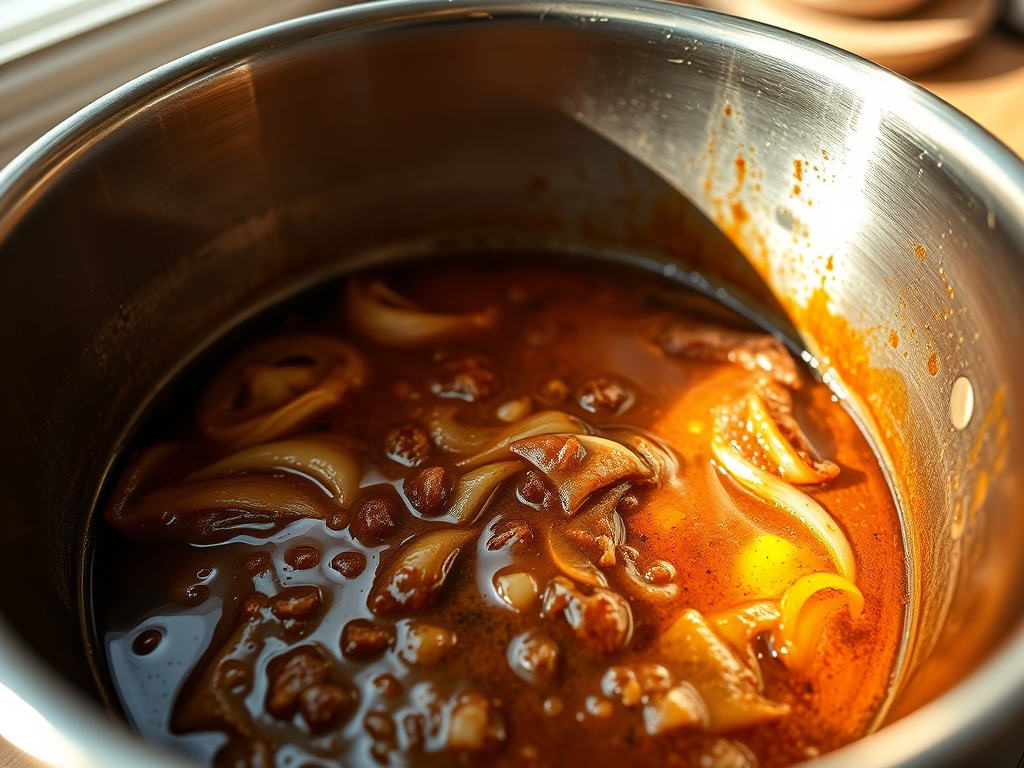
1. The Maillard Pre-Conditioning
Before the beef ever touches the slow cooker, it must undergo a rigorous searing process. Use a heavy-bottomed stainless steel pan or a cast iron skillet. Pat the beef dry with paper towels to ensure maximum surface contact. Sear the cubes in small batches until a deep, mahogany crust forms on all sides.
Pro Tip: Use a digital scale to ensure even portions and a set of sturdy tongs to rotate the meat. This searing process creates the Maillard reaction, which develops complex flavors that a slow cooker simply cannot produce on its own.
2. The Adobo Emulsification
While the meat sears, combine your broth, vinegar, lime juice, garlic, chipotles, and spices in a blender or use a whisk in a dedicated saucier. You want a cohesive, emulsified liquid that will coat the meat evenly rather than separating during the long cook time.
Pro Tip: A high-speed blender is the professional tool of choice here. It will aerate the sauce and ensure the chipotle peppers are fully integrated, preventing "heat pockets" in the final dish.
3. The Deglaze and Transfer
Once the beef is moved to the slow cooker, do not discard the fond (the brown bits) in your searing pan. Pour a small amount of the beef broth into the hot pan and use a bench scraper or wooden spoon to deglaze the surface.
Pro Tip: This liquid is concentrated flavor. By using a bench scraper to lift every particle of caramelized protein, you are ensuring that no depth of flavor is left behind. Pour this liquid directly over the beef in the slow cooker.
4. The Thermal Saturation
Set your slow cooker to the "Low" setting. While "High" is an option for those in a rush, the "Low" setting allows the collagen to break down more slowly into gelatin, which creates that luxurious, mouth-coating texture.
Pro Tip: Use a probe thermometer to monitor the internal temperature. You are looking for a final internal temperature of approximately 96 degrees Celsius (205 degrees Fahrenheit) for optimal shred-ability.
5. The Structural Disruption
Once the timer expires, remove the beef from the liquid. Use two forks or a set of meat claws to shred the beef into bite-sized pieces. Discard any large chunks of unrendered fat or connective tissue that did not fully break down.
Pro Tip: Place the shredded meat back into the slow cooker for 20 minutes on the "Warm" setting. This allows the meat to re-absorb the concentrated cooking juices, a process known as "resting in the braise."
Section B: Prep & Timing Fault-Lines:
Human error often manifests in the "over-crowding" of the searing pan. If you put too much meat in at once, the pan temperature drops, and the beef begins to steam in its own juices rather than searing. This results in a grey, rubbery exterior. The fix is patience; sear in batches. Another fault-line is the "lid-lifting" syndrome. Every time you open the lid of a slow cooker, you lose significant heat and moisture, adding 20 to 30 minutes to your cook time. Trust the process and keep the chamber sealed. If you find your sauce is too thin at the end, do not keep cooking the meat. Instead, transfer the liquid to a saucier and reduce it on the stovetop until it reaches a thick, syrupy consistency.
THE VISUAL SPECTRUM
Section C: Thermal & Visual Troubleshooting:
Referencing the Masterclass photo, your Slow Cooker Beef Barbacoa should exhibit a vibrant, reddish-brown hue, not a dull grey. The presence of small, glistening droplets of fat on the surface of the meat indicates proper rendering. If your beef looks dull, it is likely under-seasoned or lacking acidity; a fresh squeeze of lime juice will instantly brighten the visual and flavor profile. If the edges of the meat look frayed or "mushy" rather than distinct shreds, you have overcooked it. To fix this visually, toss the meat with fresh chopped cilantro and white onions to provide a sharp color contrast and structural variety. The sauce should be thick enough to cling to the fibers; if it pools at the bottom of the plate like water, your reduction phase was insufficient.
THE DEEP DIVE
Macro Nutrition Profile
A standard serving of this barbacoa (approximately 150g) contains roughly 320 calories, 28g of protein, and 22g of fat. It is a high-protein, moderate-fat powerhouse. Because we are using apple cider vinegar and lime juice, the carbohydrate count remains negligible, making this an ideal center-of-plate protein for various lifestyles.
Dietary Swaps
- Vegan: Replace the beef with 1 kg of young green jackfruit and use vegetable broth. Reduce the cook time to 3 hours on low.
- Keto: This recipe is naturally keto-compliant. Ensure your beef broth has no added sugars.
- Gluten-Free: Naturally GF, provided your chipotles in adobo are processed in a certified facility.
Meal Prep & Reheating Science
To maintain the molecular structure of the beef during reheating, avoid the microwave. High-intensity electromagnetic waves can cause the protein to tighten and become rubbery. Instead, reheat the barbacoa in a covered skillet over medium-low heat with a splash of broth. This creates a mini-steaming environment that restores moisture to the fibers without compromising the integrity of the gelatin.
THE KITCHEN TABLE
Can I use a different cut of beef?
While chuck roast is king, brisket or beef cheeks are viable alternatives. Brisket will offer a more distinct grain, while beef cheeks provide an even higher gelatin content for a more viscous mouthfeel. Avoid lean cuts like sirloin or round.
Why is my barbacoa so spicy?
The heat comes from the seeds and ribs of the chipotle peppers. To mitigate intensity, scrape out the seeds before mincing. If the finished product is too hot, stir in a dollop of Greek yogurt or sour cream to neutralize the capsaicin.
Do I have to sear the meat first?
Technically, no, but morally, yes. Searing creates the foundational flavor profile through the Maillard reaction. Skipping this step results in a flat, one-dimensional flavor that no amount of spice can truly fix. Spend the extra ten minutes.
How long does this keep in the fridge?
Stored in an airtight container with its juices, the barbacoa will maintain peak quality for 4 to 5 days. The flavors actually deepen over the first 24 hours as the spices continue to infuse into the protein fibers.