Forget the arid, sawdust consistency of a traditional oven-roasted bird. We are here to conduct a high-stakes audit of the Slow Cooker Turkey Breast; a masterclass in thermal stability and protein hydration. Most home cooks treat poultry like a sacrifice to the heat gods, blasting it until the muscle fibers contract into carbonized rope. That ends today. We are pivoting to a low-velocity, moisture-saturated environment where the collagen transforms into silk rather than leather. Imagine a slab of white meat so succulent it barely resists the knife, shimmering with a viscous glaze that clings to every fiber. This is not just a meal; it is a structural triumph of culinary engineering. By leveraging the closed-circuit steam of a slow cooker, we bypass the evaporative cooling that ruins lean proteins. We are aiming for a piquant profile, a tender crumb, and a total absence of the "dry bird" syndrome that haunts holiday tables. Strap in. Your kitchen is about to become a laboratory of flavor.
THE DATA MATRIX
| Metric | Specification |
|---|---|
| Prep Time | 20 Minutes |
| Execution Time | 4 to 6 Hours (Low Setting) |
| Yield | 6 to 8 Servings |
| Complexity | 3/10 |
| Estimated Cost per Serving | $3.50 – $4.50 USD |
THE GATHERS
Ingredient Protocol:
- 1.8 kg / 4 lb Bone-in Turkey Breast (Skin-on)
- 30 ml / 2 tbsp Extra Virgin Olive Oil
- 15 g / 1 tbsp Kosher Salt
- 5 g / 1 tsp Cracked Black Pepper
- 10 g / 2 tsp Smoked Paprika
- 5 g / 1 tsp Garlic Powder
- 5 g / 1 tsp Onion Powder
- 3 g / 1 tsp Dried Thyme
- 3 g / 1 tsp Dried Rosemary
- 120 ml / 0.5 cup Low-Sodium Chicken Stock
- 30 g / 2 tbsp Unsalted Butter (Cold)
Section A: Ingredient Quality Audit:
The primary failure point in a Slow Cooker Turkey Breast is the use of "enhanced" poultry. Many commercial brands inject a saline solution into the meat to increase weight. This results in a spongy, rubbery texture once slow-cooked. Audit Fix: Always source air-chilled turkey without additives. If the skin feels slimy or translucent, use a paper towel to aggressively desiccate the surface before applying fats. If your spices lack a piquant aroma, they are oxidized. Replace any dried herbs older than six months to ensure the volatile oils actually infuse the meat during the long thermal cycle.
THE MASTERCLASS
1. Surface Preparation and Desiccation
Thoroughly pat the turkey breast dry using lint-free towels. Use a digital scale to measure your dry rub components precisely, ensuring a consistent salt-to-protein ratio. Massage the olive oil over the skin to act as a conductive medium for the spices.
Pro Tip: This step creates a hydrophobic barrier. By removing surface moisture, you allow the oil-soluble compounds in the paprika and herbs to adhere directly to the skin, preventing the rub from washing away as the steam rises.
2. The Spice Infusion
Combine the salt, pepper, paprika, garlic, onion, thyme, and rosemary in a small bowl. Use a bench scraper to gather any stray spices on your workstation and apply them evenly under the skin and across the exterior.
Pro Tip: Tucking spices under the skin is a vital maneuver. The skin acts as a thermal shield; placing aromatics directly against the muscle ensures they infuse the meat rather than just flavoring the fat cap.
3. Thermal Loading
Place the turkey breast in the slow cooker insert, bone-side down. Pour the chicken stock around the base, being careful not to wash the rub off the bird. Set the device to "Low."
Pro Tip: High heat settings cause the protein filaments to snap and expel moisture. Using the "Low" setting allows for a gradual render of the subcutaneous fat, which self-bastes the meat as it cooks.
4. The Internal Audit
Cook until a digital probe thermometer inserted into the thickest part of the breast registers 74C / 165F. This typically takes 4 to 6 hours depending on the wattage of your unit.
Pro Tip: Do not rely on time alone. Every slow cooker has a different thermal curve. A probe thermometer is the only way to ensure you have reached the safety threshold without overshooting into the "dry zone."
5. The Maillard Finish
Optional but recommended: Transfer the cooked bird to a roasting pan. Brush with melted butter and place under a broiler for 3 to 5 minutes until the skin is golden and crisp.
Pro Tip: The slow cooker cannot trigger the Maillard reaction because it lacks dry, high-intensity heat. A quick blast under the broiler creates those complex, nutty flavors that define a superior roast.
6. The Jus Reduction
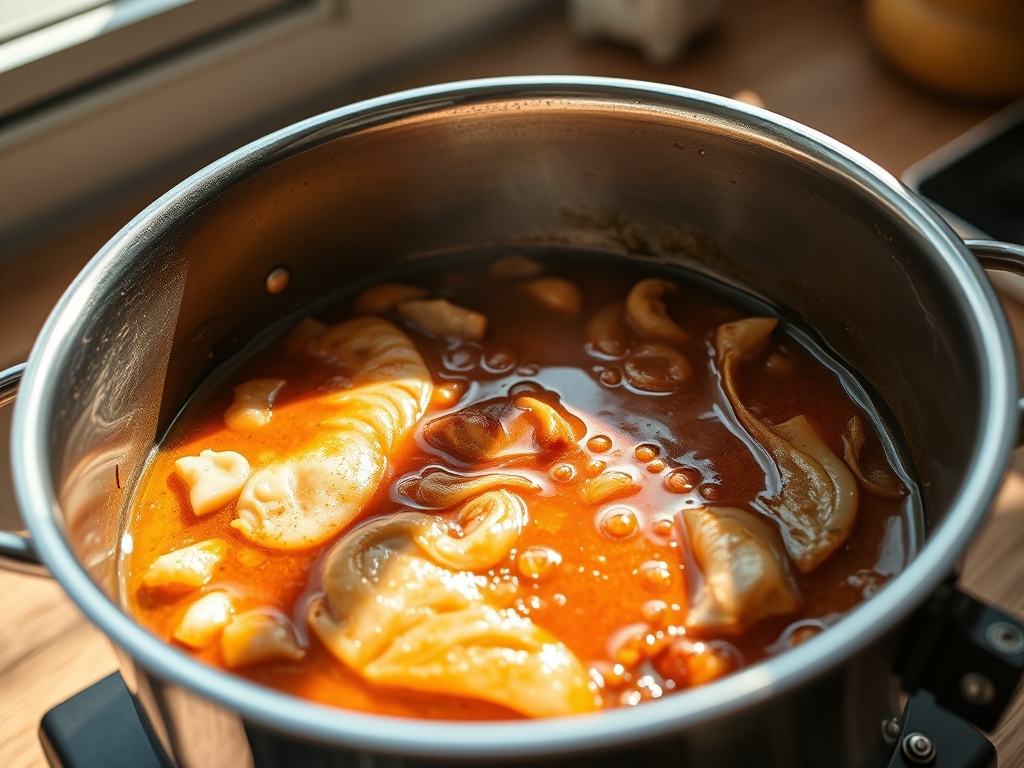
Pour the remaining liquid from the slow cooker into a saucier. Whisk in cold butter over medium heat to emulsify the fats and juices into a glossy, piquant sauce.
Pro Tip: Using a saucier with rounded bottom edges allows your whisk to reach every millimeter of the pan, preventing the proteins from scorching while you reduce the liquid to a viscous consistency.
Section B: Prep & Timing Fault-Lines:
The most common human error is "The Peek." Every time you lift the lid of the slow cooker, you lose significant thermal energy and steam, extending the cook time by 20 minutes. Audit Fix: Trust your probe thermometer. If your bird is cooking too fast, your "Low" setting may be calibrated too high. In this case, add an extra 60ml of stock to increase the heat sink capacity of the vessel. If the meat is tough, it likely hasn't reached the temperature required to break down the connective tissues; keep it submerged in the humid environment.
THE VISUAL SPECTRUM
Section C: Thermal & Visual Troubleshooting:
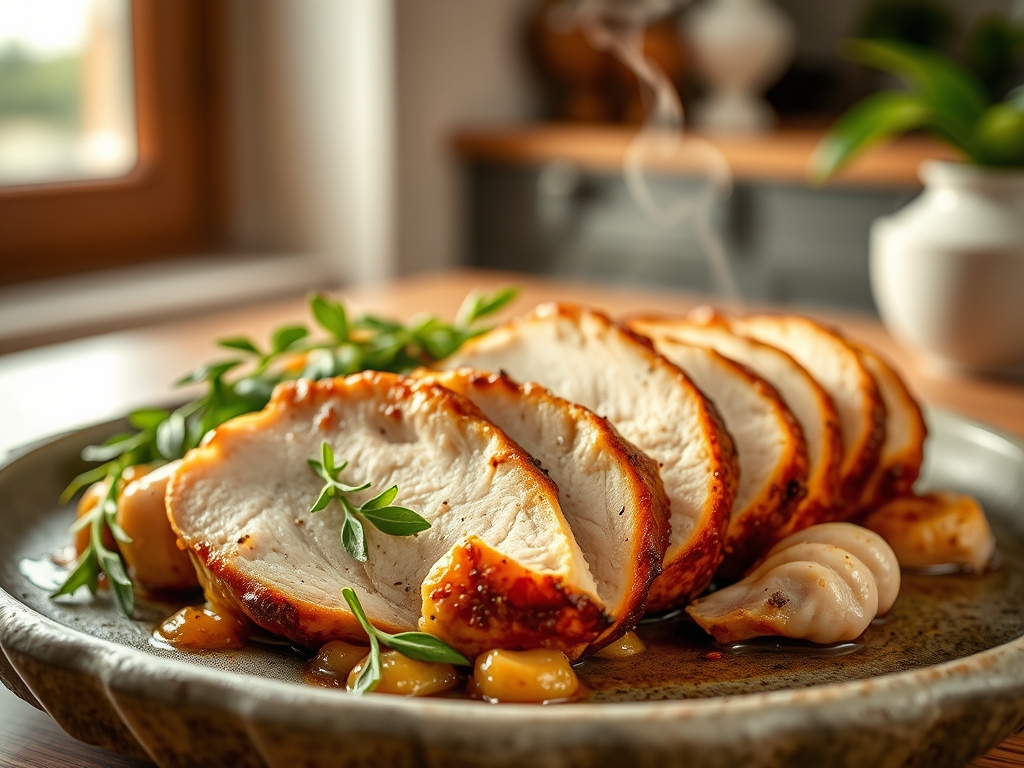
Referencing the Masterclass photo, your turkey should exhibit a deep, mahogany hue from the paprika and the broiler finish. If the skin looks pale or flaccid, you skipped the broiler or failed to desiccate the skin properly before cooking. If the meat appears grey and stringy, it has been overcooked and the cellular walls have collapsed. Audit Fix: To fix uneven browning, rotate the pan halfway through the broiling process. If the juices in the bottom of the cooker are too thin, use a cornstarch slurry to aerate and thicken the liquid until it coats the back of a spoon. Visual cues of success include a clear juice runoff when pierced and a "plump" appearance to the muscle groups.
THE DEEP DIVE
Macro Nutrition Profile:
Per 150g serving, expect approximately 220 calories, 35g protein, 8g fat, and 0g carbohydrates. This is a high-density protein source with a low glycemic impact, making it ideal for metabolic optimization.
Dietary Swaps:
- Vegan: Replace turkey with a large, scored Cauliflower head and use vegetable stock with vegan butter.
- Keto: This recipe is naturally keto-compliant; ensure the chicken stock has no added sugars.
- GF: Ensure your chicken stock is certified gluten-free.
Meal Prep & Reheating Science:
To maintain molecular structure, slice the turkey only when ready to serve. If reheating, do so in a sealed container with a tablespoon of the reserved jus. This creates a micro-steam environment that prevents the protein from becoming "corky" or developing a stale, oxidized flavor.
THE KITCHEN TABLE
Why is my turkey breast still dry even in a slow cooker?
You likely overcooked it or used a "High" heat setting. Lean white meat has very little fat; once it passes 74C / 165F, the fibers contract and squeeze out all internal moisture, regardless of the surrounding steam.
Can I cook a frozen turkey breast?
Negative. This is a safety violation. The slow cooker takes too long to bring frozen meat out of the bacterial "danger zone." Always thaw completely in the refrigerator for 24 hours prior to the audit.
Do I need to sear the meat first?
While not strictly necessary for moisture, searing provides a head start on flavor. However, the broiler method at the end is more efficient for achieving a uniform, crisp skin texture without overcooking the delicate interior.
How do I make the gravy thicker?
Deglaze the slow cooker insert with a splash of white wine, then transfer to a saucier. Whisk in a roux (equal parts flour and butter) and reduce until the sauce reaches your desired level of viscosity.