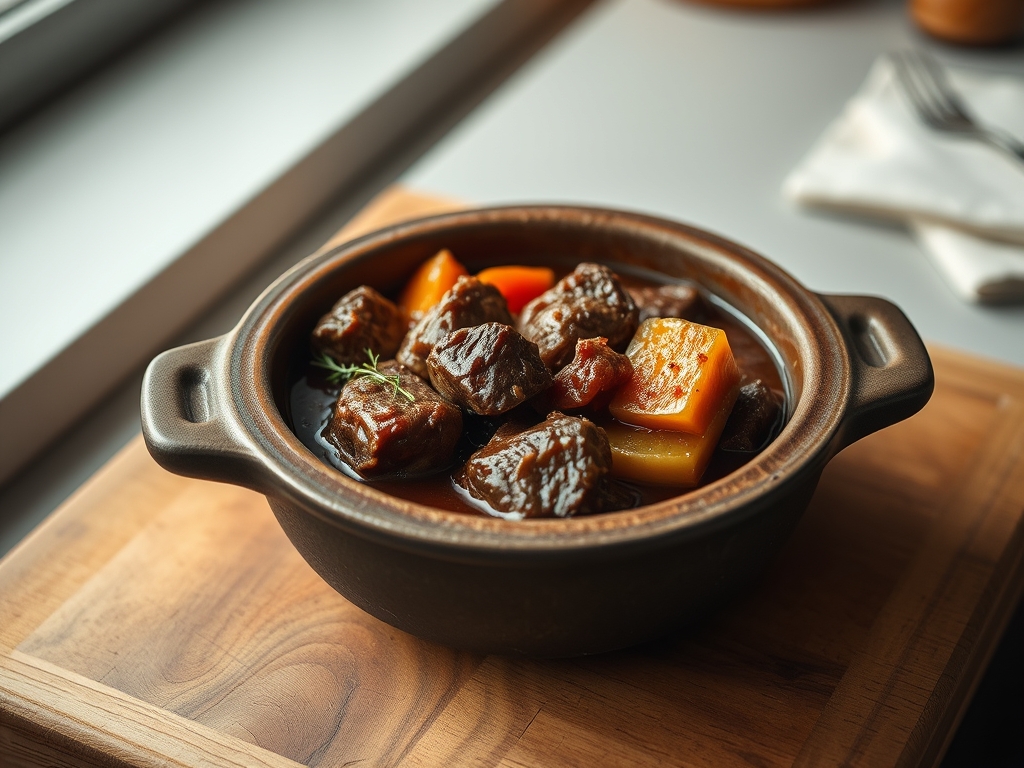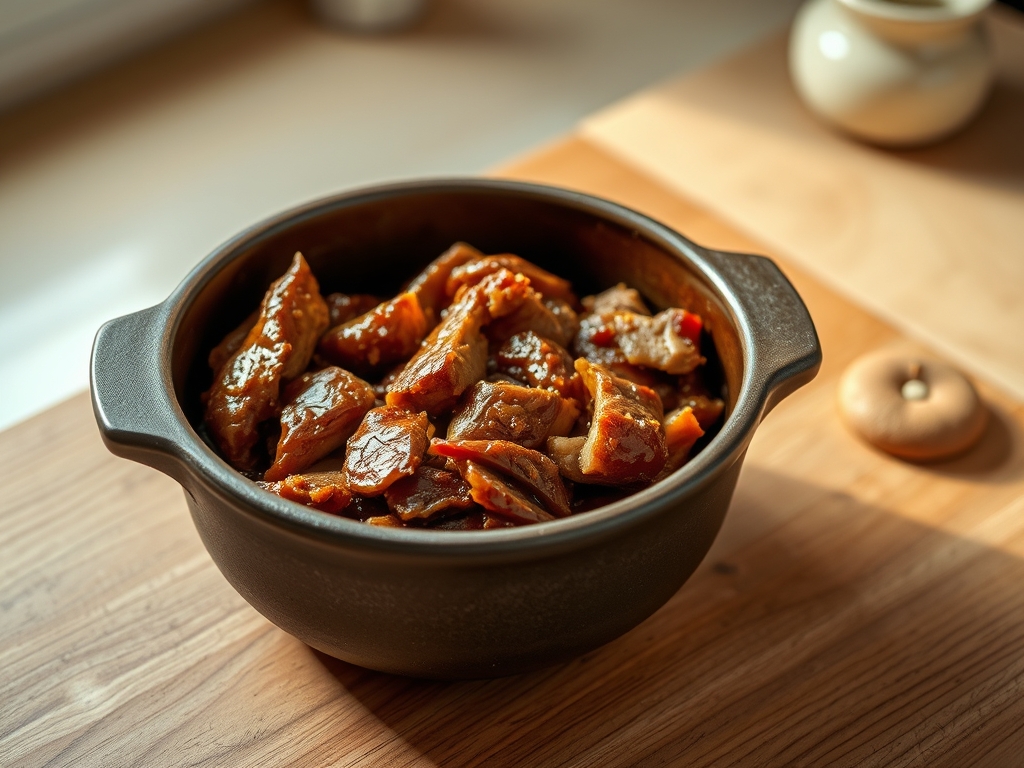
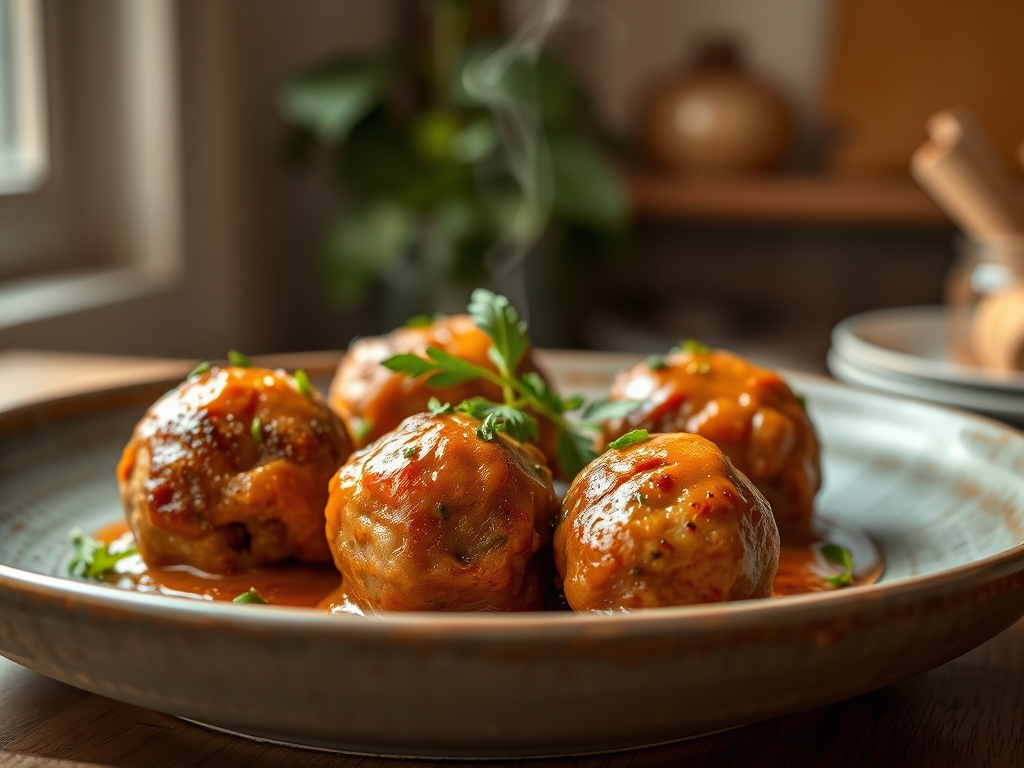
Imagine the kitchen as a high-stakes laboratory where the primary objective is the structural stabilization of the protein sphere. We are not merely making dinner; we are engineering a masterpiece of thermodynamics. The air thickens with the scent of searing lipids and the sharp, piquant aroma of crushed garlic hitting a hot surface. This is the sensory overture to the Slow Cooker Meatballs protocol. We demand a result that is tender yet structurally sound, bathed in a sauce so viscous it clings with gravitational defiance. Most amateur attempts result in either a dry, crumbly failure or a mushy, indistinct mass of protein. We refuse to accept mediocrity. By leveraging the gentle, consistent kinetics of a slow cooker, we allow the collagen to break down into gelatin without sacrificing the integrity of the meat itself. Every bite must be a revelation of texture and flavor, a testament to the power of low-temperature, long-duration thermal application. Prepare your palate for an audit of perfection where the humble meatball is elevated to an architectural marvel.
THE DATA MATRIX
| Metric | Specification |
|---|---|
| Prep Time | 25 Minutes |
| Execution Time | 4 Hours (High) / 7 Hours (Low) |
| Yield | 24 to 28 Spheres |
| Complexity | 4 / 10 |
| Estimated Cost per Serving | $2.45 |
THE GATHERS
Ingredient Protocol:
- 900g / 2 lbs Ground Beef (80/20 lean-to-fat ratio)
- 115g / 1 cup Italian Breadcrumbs
- 60ml / 1/4 cup Whole Milk
- 2 Large Eggs (Room temperature)
- 50g / 1/2 cup Grated Parmesan Cheese
- 15g / 3 cloves Garlic (Minced)
- 5g / 1 tsp Dried Oregano
- 5g / 1 tsp Kosher Salt
- 2g / 1/2 tsp Freshly Cracked Black Pepper
- 700ml / 24 oz Marinara Sauce (High-quality)
- 30ml / 2 tbsp Extra Virgin Olive Oil
Section A: Ingredient Quality Audit:
The most common failure point in the protein globe is the fat-to-lean ratio. If you utilize 90/10 beef, the result will be a parched, granular disappointment. To fix lean meat, emulsify it with a tablespoon of cold butter or heavy cream to restore the lipid profile. If your breadcrumbs are stale or overly processed, they will fail to aerate the mixture; instead, use fresh sourdough crumbs pulsed in a food processor for a superior crumb structure. Finally, ensure your eggs are at room temperature. Cold eggs can cause the fats in the meat to seize during the mixing phase, leading to uneven distribution of flavor.
THE MASTERCLASS
1. The Panade Synthesis
In a small mixing bowl, combine the breadcrumbs and milk to create a panade. Allow this mixture to hydrate for five minutes until it forms a thick paste. This step is non-negotiable for moisture retention.
Pro Tip: Use a digital scale to measure your ingredients by weight rather than volume. This ensures the hydration levels are consistent every time, preventing a "loose" meatball that disintegrates in the sauce.
2. The Protein Integration
In a large stainless steel bowl, combine the ground beef, panade, eggs, parmesan, garlic, and spices. Use your hands or a sturdy spatula to incorporate the ingredients until just combined. Do not overwork the meat.
Pro Tip: Over-mixing causes the proteins to cross-link too tightly, resulting in a rubbery texture. Use a bench scraper to gently fold the ingredients together, maintaining the delicate air pockets within the matrix.
3. The Maillard Pre-Sear
Heat olive oil in a heavy-bottomed saucier or cast-iron skillet over medium-high heat. Form the mixture into 40g spheres and sear them in batches until a deep brown crust forms on at least two sides.
Pro Tip: The Maillard reaction creates complex flavor compounds that a slow cooker cannot replicate on its own. Searing first ensures a robust, savory profile and prevents the meatballs from looking "boiled" and grey.
4. The Thermal Immersion
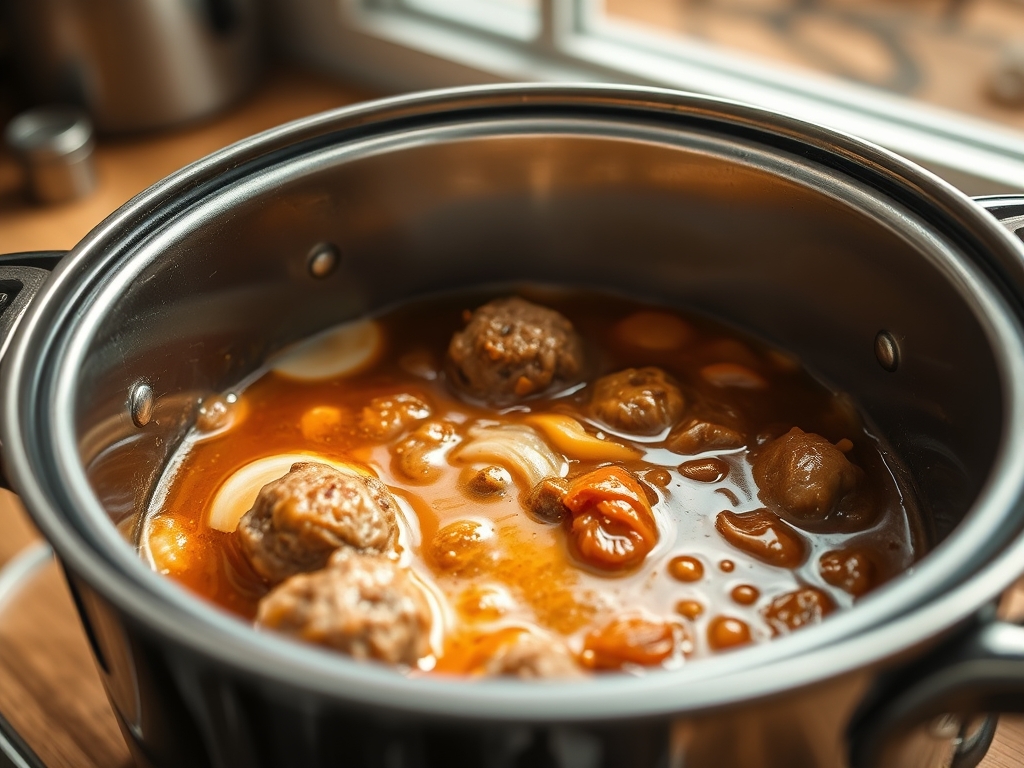
Transfer the seared meatballs into the slow cooker ceramic insert. Pour the marinara sauce over the top, ensuring every sphere is partially submerged. Set the device to "Low" for a long-form infusion of flavors.
Pro Tip: Use a silicone spatula to scrape every bit of fond from your searing pan into the slow cooker. These caramelized bits are concentrated flavor gold that will deepen the sauce.
5. The Final Texture Audit
Once the timer expires, check the internal temperature of a central sphere. It should register 74 degrees Celsius (165 degrees Fahrenheit). The sauce should be viscous and rich, having absorbed the rendered fats from the meat.
Pro Tip: If the sauce appears too thin, remove the lid for the final 30 minutes of cooking. This allows excess moisture to evaporate, concentrating the sugars and fats for a glossier finish.
Section B: Prep & Timing Fault-Lines:
Human error often manifests in the "set it and forget it" mentality. If you exceed the eight-hour mark on low, the meat fibers will begin to dissolve, turning your meatballs into a ragu. Use a programmable slow cooker to switch to a "warm" setting automatically. If you are behind schedule, do not attempt to "flash cook" on high for less than three hours; the collagen requires time to render properly. If the meat feels too sticky during the shaping phase, chill the mixture in the refrigerator for 20 minutes to stabilize the fats.
THE VISUAL SPECTRUM
Section C: Thermal & Visual Troubleshooting:
Referencing the Masterclass photo, observe the deep mahogany crust on the spheres. If your meatballs look pale, your pan was not hot enough during the pre-sear phase. If the sauce looks broken or oily, the meat likely had too high a fat content; skim the excess lipid from the surface with a shallow spoon. A dull, flat red color in the sauce suggests under-seasoning or lack of acidity. A splash of balsamic vinegar or a squeeze of lemon juice will brighten the visual and flavor profile instantly. The spheres should hold their shape perfectly, indicating a successful structural bind.
THE DEEP DIVE
Macro Nutrition Profile: Each serving (approximately 3 meatballs) contains 320 calories, 22g of protein, 18g of fat, and 14g of carbohydrates. The inclusion of parmesan and eggs provides a significant boost to the calcium and choline count.
Dietary Swaps: For a Keto-compliant version, replace breadcrumbs with crushed pork rinds or almond flour. To execute a Vegan variant, utilize a plant-based meat substitute and a "flax egg" (1 tbsp ground flaxseed mixed with 3 tbsp water), though the thermal breakdown will occur faster. For Gluten-Free needs, certified GF breadcrumbs or cooked quinoa work as excellent binders.
Meal Prep & Reheating Science: These meatballs are ideal for batch cooking. When reheating, avoid the microwave as it causes localized overheating and "pops" the protein cells, leading to toughness. Instead, reheat gently in a saucepan over low heat to maintain the molecular structure and moisture levels of the sauce.
THE KITCHEN TABLE
Why are my meatballs falling apart?
This usually indicates a lack of binding agents or over-handling. Ensure your panade is thick and your eggs are well-incorporated. If the mixture is too wet, add more breadcrumbs to stabilize the globe.
Can I skip the searing step?
You can, but you shouldn't. Searing develops the flavor profile through the Maillard reaction and provides a structural "shell" that helps the meatball maintain its integrity during the long slow-cooking process.
What is the best meat to use?
A blend of 80% lean beef and 20% fat is the gold standard. For added complexity, try a "meatloaf mix" of beef, pork, and veal, which offers a broader spectrum of fats and proteins.
How do I make them extra tender?
The secret is the panade. By soaking the breadcrumbs in milk first, you create a moisture reservoir that prevents the meat proteins from bonding too tightly, ensuring a melt-in-your-mouth texture every time.