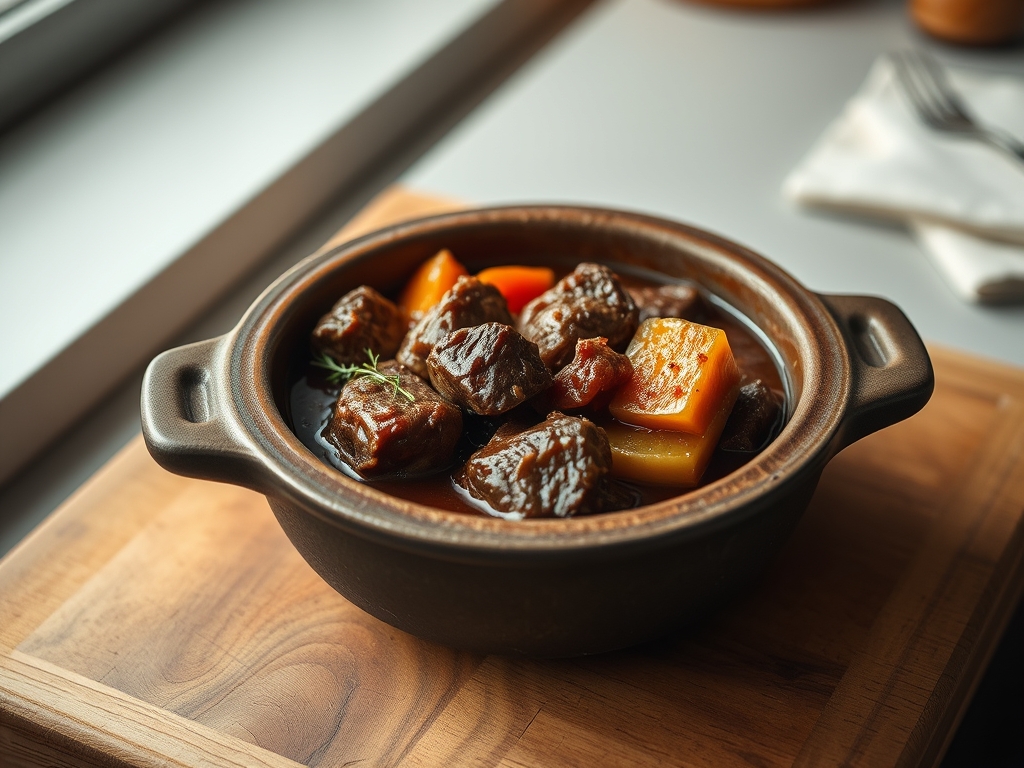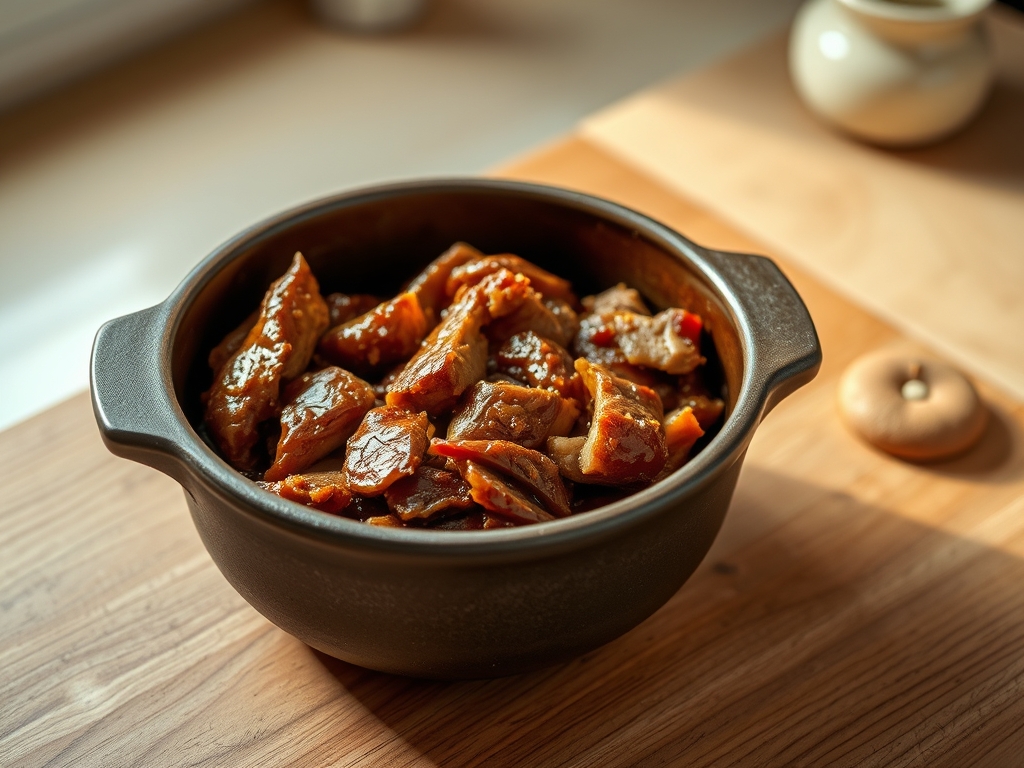
Imagine a kitchen where the air is thick with the scent of toasted coriander and the low hum of a ceramic heating element. This is not just dinner; it is an exercise in culinary structural engineering. We are building a Slow Cooker Chicken Curry that defies the soggy, lackluster reputation of standard crockpot fare. Most home cooks treat the slow cooker like a garbage disposal for raw protein and watery sauces. They are wrong. To achieve true flavor infiltration, you must treat the vessel as a pressurized chamber for osmotic exchange. We are aiming for a sauce so viscous it clings to the back of a spoon with the tenacity of a luxury velvet. We want chicken thighs that have undergone a complete textural transformation; moving from fibrous muscle to succulent, melt-in-your-mouth morsels that have absorbed every piquant note of the spice matrix. This is about precision, patience, and the ruthless pursuit of the perfect Maillard reaction before the lid even closes. Welcome to the audit. We are about to optimize your infrastructure.
THE DATA MATRIX
| Metric | Specification |
|---|---|
| Prep Time | 25 mins |
| Execution Time | 4 – 6 Hours (Low Setting) |
| Yield | 6 Servings |
| Complexity | 4 / 10 |
| Estimated Cost per Serving | $3.50 – $4.25 |
THE GATHERS
Ingredient Protocol:
- Protein: 1 kg / 2.2 lbs Boneless, skinless chicken thighs (trimmed of excess connective tissue).
- Aromatics: 2 Large yellow onions (finely diced); 50g / 1.7 oz Fresh ginger (grated); 6 cloves Garlic (minced).
- Fat Source: 45ml / 3 tbsp Ghee or neutral high-smoke point oil.
- Spice Matrix: 30g / 2 tbsp High-grade Madras curry powder; 5g / 1 tsp Turmeric; 5g / 1 tsp Smoked paprika; 2.5g / 0.5 tsp Cayenne pepper.
- Liquid Base: 400ml / 14 oz Full-fat coconut milk; 120ml / 0.5 cup Chicken bone broth; 30ml / 2 tbsp Tomato paste.
- Finishing Agents: 15ml / 1 tbsp Fresh lime juice; 10g / 0.35 oz Fresh cilantro (chopped); Sea salt to taste.
Section A: Ingredient Quality Audit:
If your spices have been sitting in the pantry since the previous administration, they are biologically inert dust. Bloom stale spices in a dry pan for 60 seconds to reactivate volatile oils. If your coconut milk is "light" or contains stabilizers like guar gum, the sauce will break under high heat. Use only full-fat, additive-free coconut milk to ensure a stable emulsion. If the chicken thighs appear pale or "water-chilled," pat them bone-dry with paper towels. Excess surface moisture is the enemy of the sear; it creates steam rather than crust, ruining the foundational flavor profile of your Slow Cooker Chicken Curry.
THE MASTERCLASS
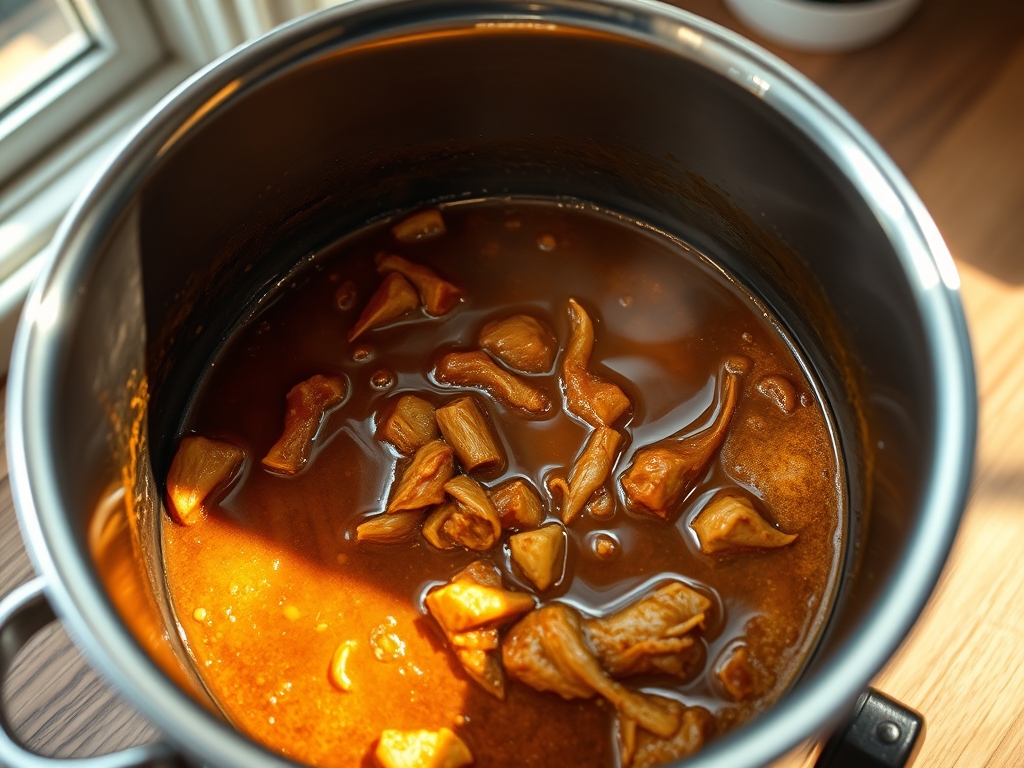
1. The Maillard Pre-Optimization
Heat your ghee in a heavy-bottomed saucier or cast-iron skillet until it reaches the shimmering point. Sear the chicken thighs in batches. Do not crowd the pan. You are looking for a deep, golden-brown crust. Transfer the seared protein to a plate using a bench scraper or tongs to preserve the juices.
Pro Tip: This step is non-negotiable. The Maillard reaction creates complex flavor molecules that a slow cooker cannot produce on its own due to the low operating temperature. By searing first, you introduce umami depth that permeates the entire sauce.
2. Aromatic Foundation and Deglazing
In the same pan, add the onions. Sauté until translucent, then add the garlic, ginger, and tomato paste. Once the paste turns a dark brick red, pour in 60ml of the chicken broth to deglaze the pan. Scrape up every bit of the "fond" (the brown bits) from the bottom.
Pro Tip: Use a digital scale to measure your aromatics. Consistency is the hallmark of a professional kitchen. The tomato paste acts as a bridge between the fat and the water-based broth, helping to thicken the final product through natural pectin and reduction.
3. The Spice Bloom
Add your curry powder, turmeric, paprika, and cayenne to the aromatic mixture. Stir constantly for 90 seconds. The heat will infuse the fat with the fat-soluble compounds found in the spices, ensuring the flavor is distributed evenly rather than clumping.
Pro Tip: Spices contain volatile compounds that require thermal activation. Skipping this "blooming" phase results in a grainy, "raw" spice taste that no amount of slow cooking can fully rectify.
4. The Vessel Integration
Transfer the aromatic spice base and the seared chicken into the slow cooker. Pour over the remaining chicken broth and the full-fat coconut milk. Stir gently with a silicone spatula to ensure the chicken is submerged in the viscous liquid.
Pro Tip: Ensure your slow cooker is calibrated. If the "Low" setting is too hot, the proteins will tighten and become tough. A high-quality slow cooker should maintain a steady 190 degrees Fahrenheit (88 Celsius) to gently break down collagen without boiling the meat.
5. The Low and Slow Infiltration
Cover and cook on "Low" for 5 to 6 hours. Avoid the temptation to lift the lid. Every time the seal is broken, you lose significant thermal energy and moisture, extending the cook time by at least 20 minutes.
Pro Tip: In the final 30 minutes, you can aerate the sauce by giving it a vigorous stir. This helps the rendered chicken fat emulsify with the coconut milk, creating a glossy, professional finish.
Section B: Prep & Timing Fault-Lines:
The most common failure in Slow Cooker Chicken Curry is "The Mush Factor." This occurs when vegetables like potatoes or carrots are added at the beginning and disintegrated into the sauce. If adding root vegetables, cut them into uniform 2cm cubes to ensure they hold their structural integrity. Furthermore, if the sauce appears too thin at the 5-hour mark, whisk 15ml of cornstarch with 15ml of cold water and stir it in. This "slurry" will tighten the molecular bonds of the liquid, providing that sought-after restaurant thickness.
THE VISUAL SPECTRUM
Section C: Thermal & Visual Troubleshooting:
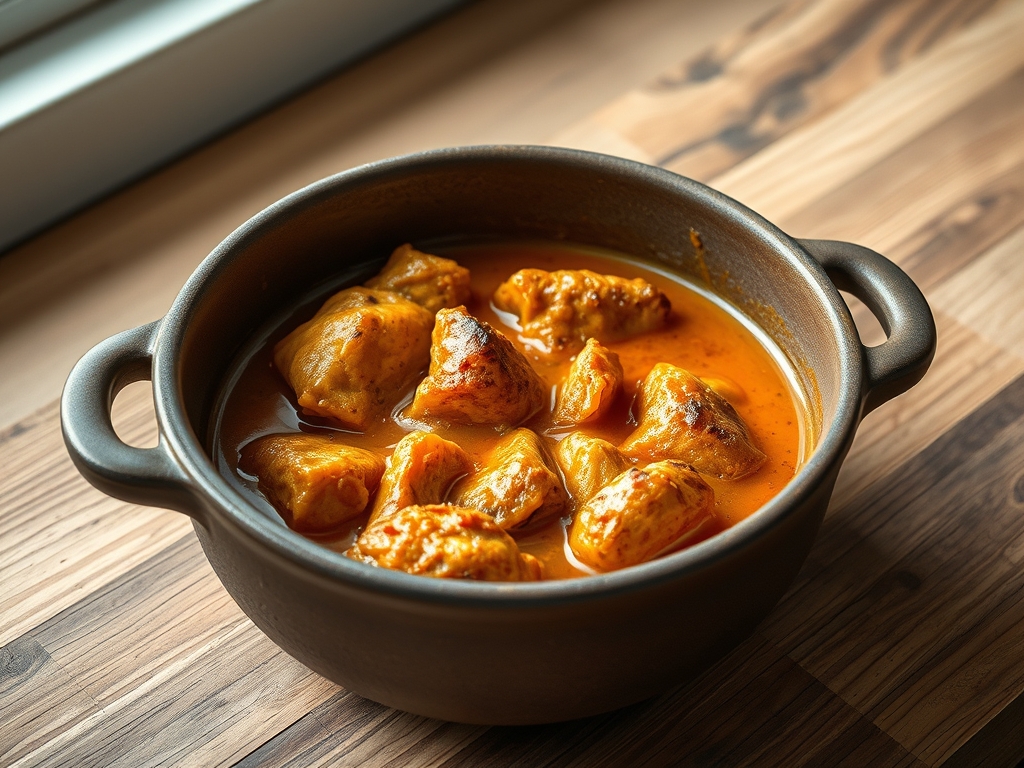
Look at the Masterclass photo above. Notice the vibrant, sunset-orange hue and the way the sauce clings to the chicken. If your curry looks dull or grey, you likely under-toasted your spices or used too much broth. A vibrant color indicates proper caramelization of the onions and a high-quality turmeric source. If you see "oil slicks" on the surface, the emulsion has broken. Fix this by whisking in a tablespoon of Greek yogurt or heavy cream at the very end to re-bind the fats. The chicken should look "shaggy" at the edges; a visual cue that the connective tissue has fully rendered into gelatin, providing a silky mouthfeel.
THE DEEP DIVE
Macro Nutrition Profile:
A standard serving (approx. 350g) provides 420 calories, 28g of protein, 12g of carbohydrates, and 30g of healthy fats. The high fat content comes primarily from the medium-chain triglycerides (MCTs) in the coconut milk, which are excellent for sustained energy.
Dietary Swaps:
- Vegan: Replace chicken with 500g of chickpeas and 500g of cauliflower florets. Use vegetable broth instead of bone broth.
- Keto: This recipe is naturally keto-friendly. Serve over riced cauliflower instead of basmati rice to maintain a low glycemic index.
- Gluten-Free: Ensure your curry powder is certified GF, as some brands use flour as an anti-caking agent.
Meal Prep & Reheating Science:
Curry is famously better the next day. This is due to "flavor maturation" where the aromatic compounds continue to migrate into the protein fibers even after cooling. To reheat, avoid the microwave if possible. Use a small saucepan over low heat and add 15ml of water to loosen the sauce. This prevents the coconut milk from "breaking" and turning oily.
THE KITCHEN TABLE
Why is my chicken dry even though it is in liquid?
You likely cooked it on "High" for too long. High heat causes muscle fibers to contract violently, squeezing out moisture. Always use the "Low" setting for 5-6 hours to allow for gentle collagen breakdown.
Can I use chicken breasts instead of thighs?
You can, but the infrastructure will suffer. Breasts lack the fat and connective tissue required for a long braise. They often become "stringy" rather than "succulent." If using breasts, reduce the cook time by 90 minutes.
How do I make the flavor more "bright"?
Acid is the missing link. A squeeze of fresh lime juice or a teaspoon of apple cider vinegar at the very end of the cooking process will cut through the heavy fats and elevate the piquant spice notes.
Why is my sauce so thin?
Slow cookers are closed systems; no evaporation occurs. If you used too much broth, the sauce will be watery. Next time, reduce the broth or leave the lid off for the final 45 minutes to allow for reduction.