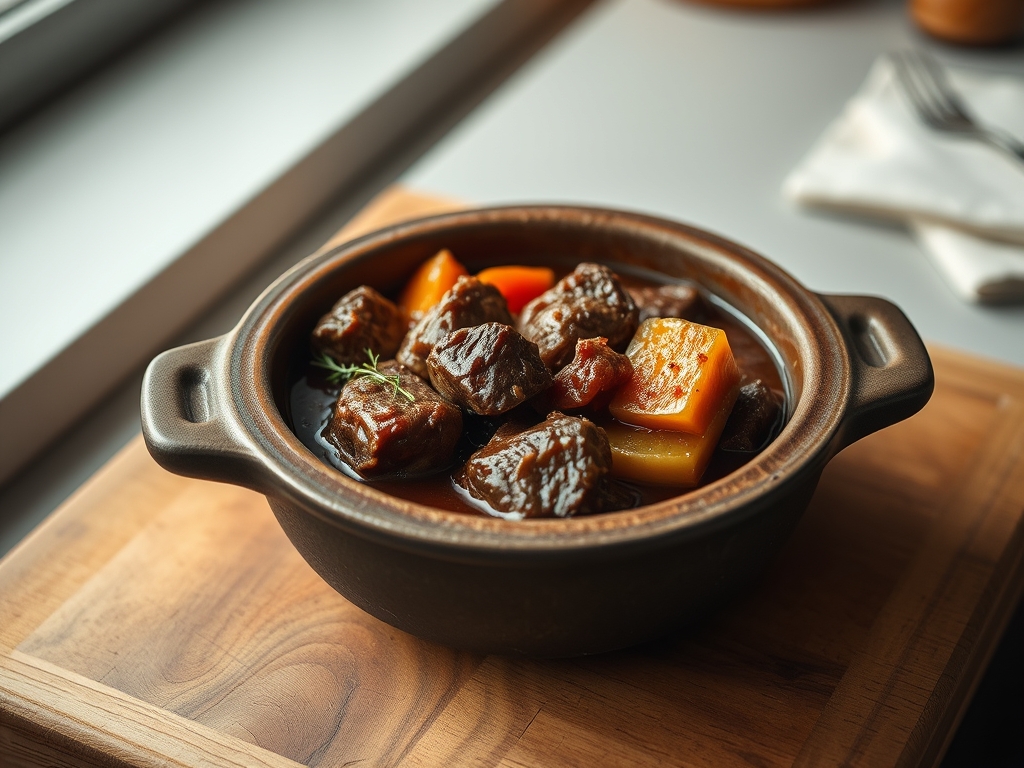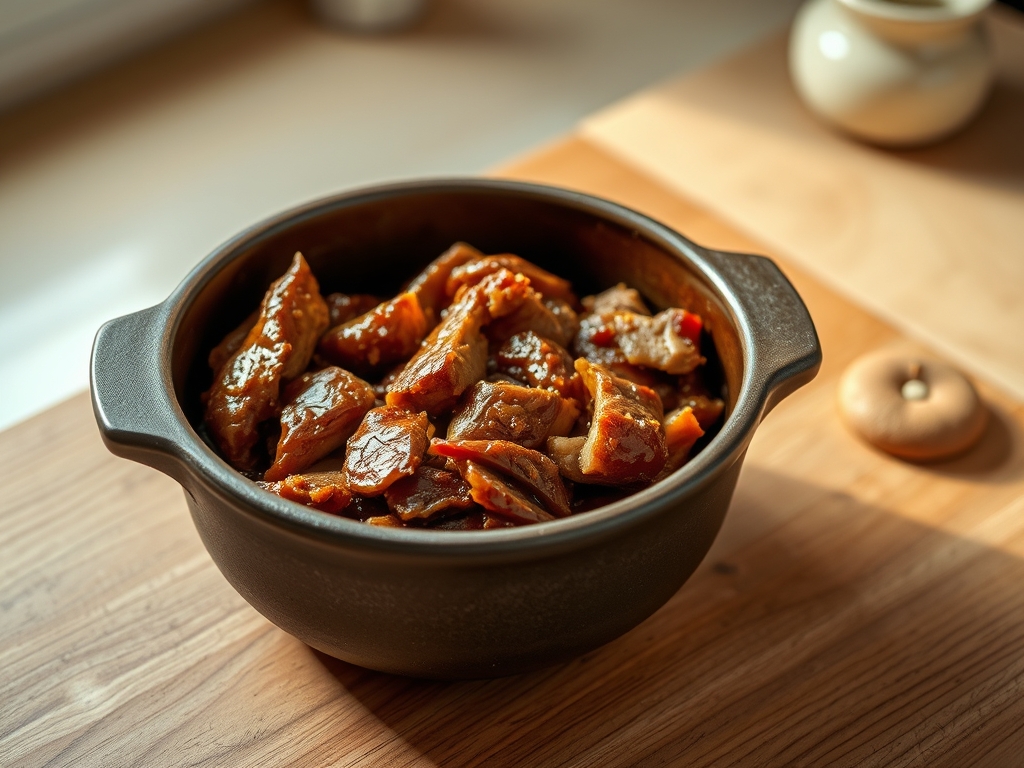
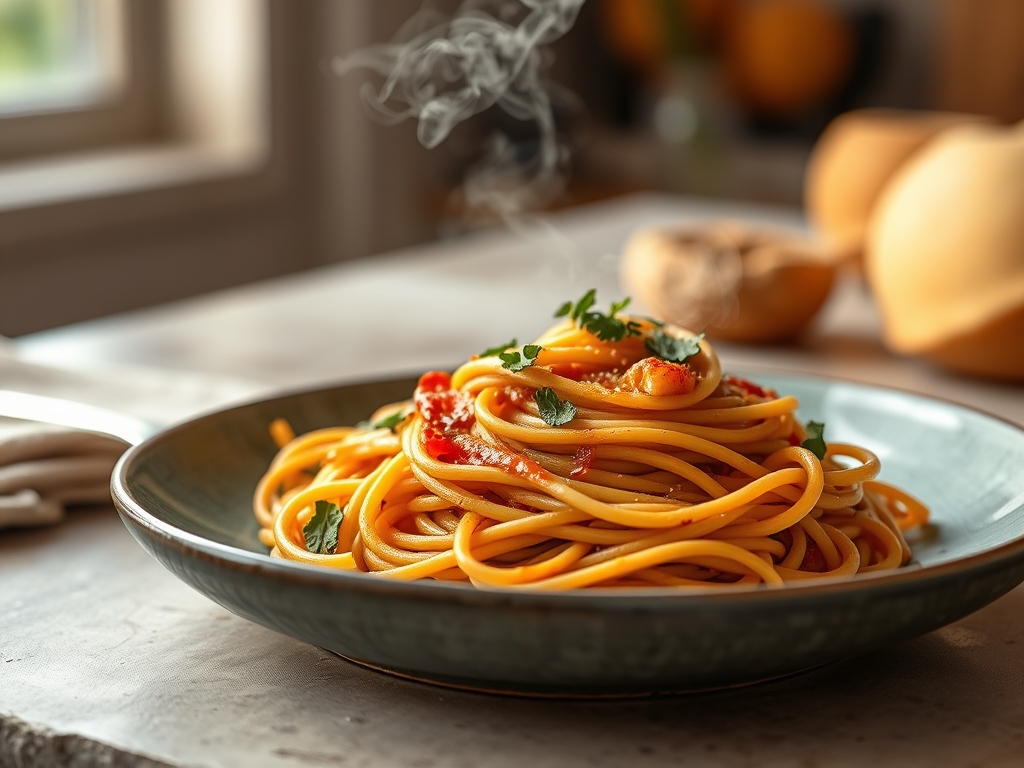
Imagine a kitchen where the frantic clatter of multiple boiling pots is silenced by the hum of a single, pressurized vessel. We are no longer slaves to the erratic timing of a separate colander or the thermal loss of a cooling stovetop sauce. The Instant Pot Spaghetti method is not merely a convenience; it is a calculated manipulation of starch gelatinization and lipid emulsification within a sealed environment. When you lock that lid, you are creating a high-pressure laboratory where every gram of moisture is forced into the heart of the pasta strand. There is no steam loss to the atmosphere. Instead, the liquid is infused with the rendered fats of the meat and the acidic brightness of the tomatoes. The result is a sauce with a viscous texture that clings to every millimeter of the noodle, a feat rarely achieved in traditional open-air boiling. We are talking about a total transformation of the weeknight dinner into a high-output, precision-engineered feast that defies the laws of traditional Italian physics.
THE DATA MATRIX
| Metric | Specification |
|---|---|
| Prep Time | 10 Minutes |
| Execution Time | 25 Minutes |
| Yield | 4 to 6 Servings |
| Complexity | 3 / 10 |
| Estimated Cost per Serving | $1.85 USD |
THE GATHERS
Ingredient Protocol:
- 450g / 1 lb Lean Ground Beef (85/15 ratio)
- 450g / 1 lb Dried Spaghetti (Standard thickness)
- 700ml / 24 oz Marinara Sauce (High-quality glass jar)
- 950ml / 4 cups Filtered Water or Beef Bone Broth
- 15g / 1 tbsp Extra Virgin Olive Oil
- 10g / 2 tsp Kosher Salt
- 5g / 1 tsp Dried Oregano
- 3g / 0.5 tsp Red Pepper Flakes (for a piquant finish)
- 4 cloves Fresh Garlic (minced)
- 1 medium Yellow Onion (diced)
Section A: Ingredient Quality Audit:
The most common failure point in this protocol is the use of "quick-cook" or ultra-thin pasta. These varieties lack the gluten network required to withstand high-pressure steam; they will disintegrate into a starchy paste. Always opt for a bronze-cut, traditional spaghetti. If your aromatics (onion and garlic) appear wilted or lack a sharp scent, they have lost their volatile oils. To fix this, infuse your olive oil by heating it with a pinch of salt before adding the vegetables; this coaxes out the remaining flavor compounds. If using a sauce that is overly acidic, a 2g pinch of baking soda can neutralize the pH balance without altering the texture.
THE MASTERCLASS
1. The Maillard Foundation
Set your device to the "Sauté" function and allow the stainless steel liner to reach thermal equilibrium. Add the oil and ground beef. Use a bench scraper or a heavy wooden spoon to break the protein into uniform crumbles. You are looking to render the fat and achieve deep browning.
Pro Tip: This browning is the Maillard reaction. By using a digital scale to ensure you have exactly 450g of meat, you prevent overcrowding the pot, which would cause the meat to steam in its own juices rather than sear.
2. Deglaze and Aromatics
Once the meat is browned, add the onions and garlic. Sauté until the onions are translucent. Add a splash of water to deglaze the bottom of the pot, scraping up every bit of the brown "fond."
Pro Tip: The fond contains concentrated umami. Failing to deglaze not only loses flavor but can trigger the "Burn" sensor on your pressure cooker. A professional saucier knows that a clean pot bottom is essential for even heat distribution.
3. The Structural Layering
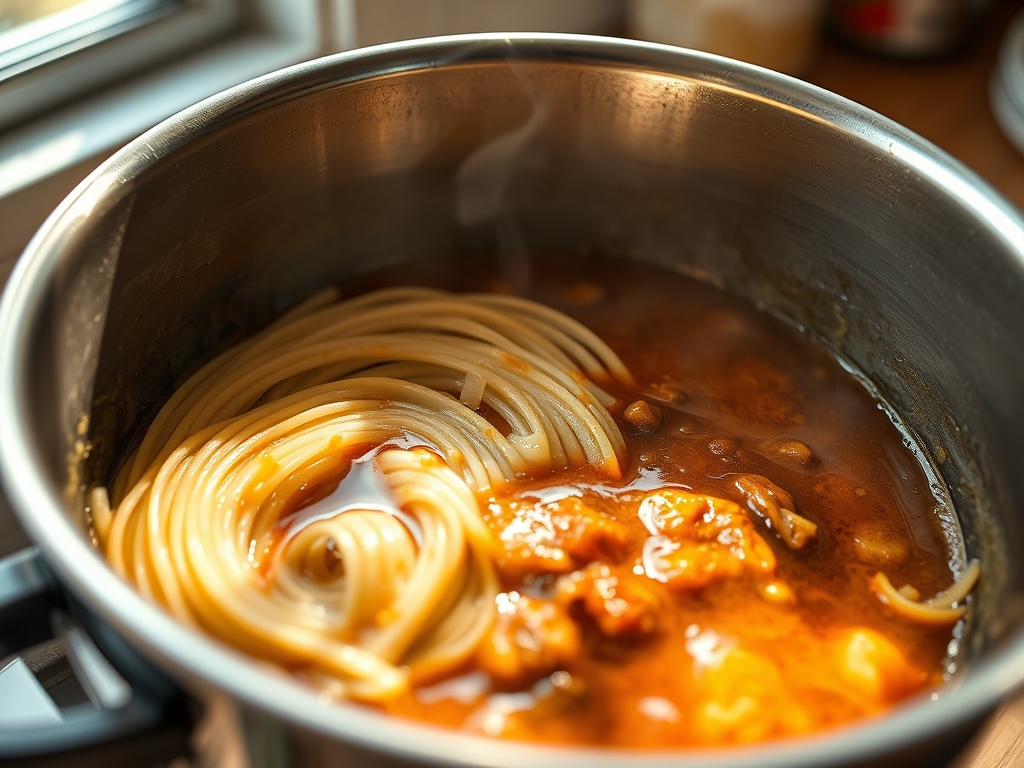
This is the critical phase. Turn off the heat. Break the spaghetti in half and layer it over the meat in a "criss-cross" or "staggered" pattern. Do not stir. Pour the marinara sauce over the top, then add the water or broth until the pasta is just submerged.
Pro Tip: If you stir the pasta into the meat before cooking, the strands will clump together. The staggered layering allows the pressurized steam to aerate the spaces between the noodles, ensuring individual strand integrity.
4. The Pressure Phase
Secure the lid and set the valve to "Sealing." Program the manual high pressure for 8 minutes. This timing is calculated as half of the package's recommended boiling time minus one minute.
Pro Tip: Precision timing is non-negotiable. Use a secondary digital timer to verify the internal clock of the machine. The high-pressure environment raises the boiling point of water, accelerating the hydration of the starch molecules.
5. The Emulsion Release
Once the timer sounds, perform a "Quick Release" of the pressure. Open the lid and use tongs to vigorously stir the mixture for 60 seconds. The sauce will look thin at first, but the agitation will incorporate the released starches into the fats.
Pro Tip: This final stir is an active emulsification process. As the temperature drops slightly, the starch acts as a bridge between the water-based sauce and the rendered beef fat, creating a silky, professional finish.
Section B: Prep & Timing Fault-Lines:
Human error often manifests in the "Natural Release" phase. If you allow the pot to sit for more than 2 minutes after the cycle ends, the residual heat will continue to cook the pasta, leading to a loss of al dente structure. If your meat is still frozen, do not attempt to sauté it directly. Thaw it using a controlled water bath to ensure the protein fibers do not toughen. Always use room temperature water for the liquid component; starting with ice-cold water extends the "pressurization" time, which can lead to unevenly cooked noodles at the top of the stack.
THE VISUAL SPECTRUM
Section C: Thermal & Visual Troubleshooting:
Referencing the Masterclass photo, your final product should exhibit a vibrant, deep red hue with visible flecks of herbs. If the sauce appears orange or "milky," you have likely over-agitated the fats, or your sauce had too much added dairy. If the noodles appear white or opaque in the center, they are under-hydrated; add 50ml of hot water and let it sit on "Keep Warm" for 3 minutes. For uneven browning of the meat, ensure you are not moving the beef too frequently during the initial sauté. The visual cue for a perfect emulsion is a "glossy" sheen on the noodles that does not leave a pool of liquid at the bottom of the bowl.
THE DEEP DIVE
Macro Nutrition Profile:
A standard serving (approx. 350g) provides 480 calories; 22g Protein, 55g Carbohydrates, and 18g Fat. The high protein content from the lean beef ensures a lower glycemic response compared to plain pasta.
Dietary Swaps:
- Vegan: Replace beef with browned lentils or crumbled tempeh; swap bone broth for a mushroom-based vegetable stock.
- Keto: This architecture is difficult to adapt for Keto due to the starch requirements for pressure cooking. However, palmini or shirataki noodles can be tossed into the sauce after the meat and sauce have been pressure-cooked separately.
- GF: Use a sturdy brown rice or corn-based pasta. Reduce the pressure cook time to 4 minutes to prevent the more fragile gluten-free structure from collapsing.
Meal Prep & Reheating Science:
To maintain molecular structure during reheating, add a teaspoon of water before microwaving. This creates a localized steam environment that re-hydrates the starch without breaking the emulsion. Store in airtight glass containers to prevent the acidity of the tomatoes from reacting with plastic polymers.
THE KITCHEN TABLE
Why is my pasta stuck together in clumps?
This is a failure of the "criss-cross" layering technique. If the strands lie parallel, they fuse during the gelatinization phase. Ensure you stagger the noodles like a log cabin to allow liquid flow between every single strand.
Can I use frozen ground beef?
Yes, but you must increase the sauté time. Brown the exterior, then use your bench scraper to chip away the cooked layers until the block is fully integrated. Do not start the pressure cycle until the meat is fully browned.
The sauce is too watery after opening the lid?
Do not panic. The starch needs 60 to 90 seconds of residual heat and agitation to thicken. Stir vigorously. If it remains thin, use the "Sauté" function for 2 minutes to reduce the liquid volume.
My "Burn" notice kept triggering. What happened?
You likely failed to deglaze the pot properly. Any caramelization stuck to the bottom creates a thermal hotspot. The sensors detect this localized high heat and shut down the system to prevent a fire. Always scrape the bottom clean.