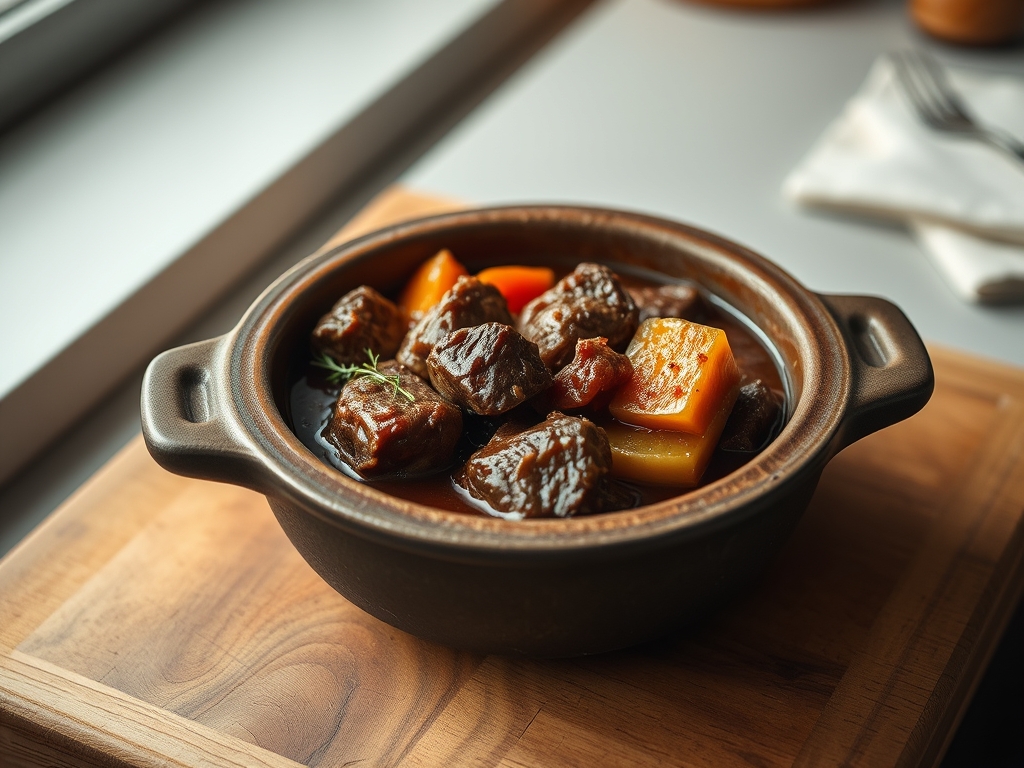
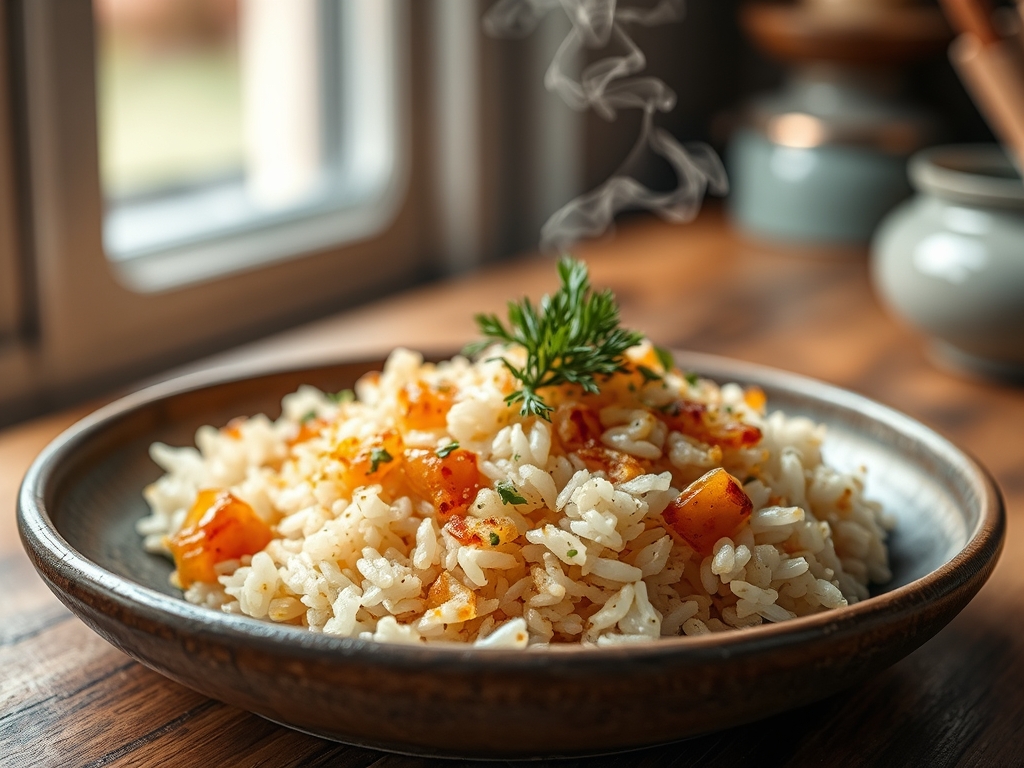
Stop settling for the sad, chalky tragedy of yesterday's grains. When you open that lid, you are not just looking at dinner; you are managing a delicate structural grid of amylose and amylopectin. We are here to master Cooker Rice Stability. This is the difference between a bowl of pearlescent, individual grains and a weeping, gelatinous mass that loses its soul the moment it hits the cooling rack. Starch retrogradation is the enemy. It is the process where cooked starch molecules realign into a rigid, crystalline structure, turning your fluffy jasmine into a gritty pebble. As a culinary infrastructure auditor, I am here to tell you that your current storage protocol is leaking quality. We are going to build a thermal fortress that preserves moisture, prevents syneresis, and ensures every grain remains a distinct, tender vessel of flavor. By controlling the cooling rate and the lipid-to-starch ratio, we ensure that your Cooker Rice Stability remains at peak performance from the first steam vent to the final reheat.
THE DATA MATRIX
| Metric | Specification |
|---|---|
| Prep Time | 10 Minutes |
| Execution Time | 25 Minutes |
| Yield | 4 Standard Servings |
| Complexity | 3 / 10 |
| Estimated Cost per Serving | $0.85 USD |
THE GATHERS
Ingredient Protocol:
- 500g / 2.5 cups Long-Grain Jasmine Rice (Aged preferred)
- 600ml / 2.5 cups Filtered Water (pH neutral)
- 15ml / 1 tbsp Neutral Oil or Ghee (to infuse the lipid layer)
- 5g / 1 tsp Kosher Salt
- 1 piece / 2-inch Square Kombu (optional, for umami depth)
Section A: Ingredient Quality Audit:
If your raw rice feels dusty or brittle, it has likely suffered from improper silo storage. This leads to broken grains that release excess surface starch, resulting in a viscous, gummy texture. To fix this, you must perform a triple-rinse cycle until the effluent is crystal clear. If your water is "hard" (high mineral content), the calcium can bind to the pectin in the rice cell walls, preventing proper hydration. Use filtered water to ensure the grains aerate properly during the steaming phase. If the rice smells musty, the oils in the germ have oxidized; discard it and source a fresh batch with a visible translucency.
THE MASTERCLASS
1. The Hydro-Purge
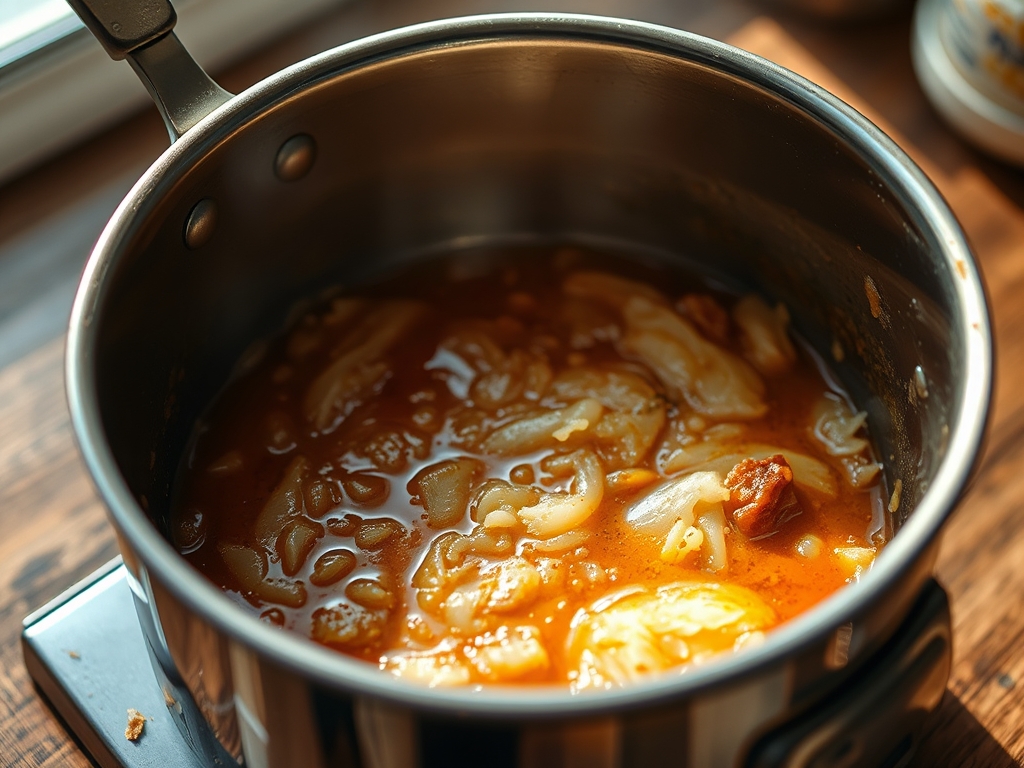
Place your dry rice in a fine-mesh chinois and submerge it in a deep bowl of cold water. Agitate the grains with your fingertips to render the surface starches inert. Lift and drain. Repeat this process exactly three times.
Pro Tip: Use a digital scale to measure your rice and water by weight rather than volume. Volumetric measurements are prone to "packing" errors, which throw off the hydration ratio and compromise your Cooker Rice Stability.
2. The Lipid Shield
Before adding water to the cooker, toss the damp grains with your oil or melted ghee. This coats each grain in a microscopic hydrophobic barrier, which prevents them from fusing together during the gelatinization phase.
Pro Tip: A heavy-bottomed saucier can be used to lightly toast the grains for two minutes before adding water. This creates a subtle nutty aroma and further stabilizes the starch against retrogradation.
3. The Thermal Engagement
Add your weighed, filtered water and salt. If using a high-end induction rice cooker, select the "Regular" or "Hard" setting to ensure a vigorous boil that keeps the grains in constant motion.
Pro Tip: Use a bench scraper to ensure no stray grains are clinging to the sides of the pot above the water line. These stray grains will desiccate and become hard "shrapnel" in your finished dish.
4. The Steam Equilibrium
Once the cook cycle completes, do not open the lid immediately. Allow the rice to "cure" in the residual steam for exactly ten minutes. This allows the moisture to redistribute from the center of the grain to the exterior.
Pro Tip: Use a silicone paddle to "fold" the rice rather than stirring it. Stirring breaks the delicate grain structures and releases starch, which turns the pot into a gluey mess.
Section B: Prep & Timing Fault-Lines:
The most common failure in rice infrastructure is the "Idle Warm" trap. Leaving rice on the "Keep Warm" setting for over four hours causes the bottom layer to undergo a Maillard reaction that is unintended, leading to a leathery crust. If your timing is off, it is better to spread the rice on a sheet tray to cool rapidly and reheat it later using a pressurized steamer. Rapid cooling stops the starch molecules from forming the large, tough crystals associated with poor Cooker Rice Stability.
THE VISUAL SPECTRUM
Section C: Thermal & Visual Troubleshooting:
Look at the Masterclass photo above. Notice the individual definition of every grain. If your rice looks like a singular, monolithic block, you have failed the agitation stage. If the color is a dull, grayish white instead of a brilliant pearl, your water pH is likely too high; a drop of lemon juice in the next batch will fix the luminosity. If you see "pitting" or small craters on the surface, your heat was too high too fast, causing steam tunnels. To fix uneven browning at the base, ensure your cooker's thermal sensor is clean and free of debris. The goal is a uniform, matte finish that glistens slightly from the lipid coating.
THE DEEP DIVE
Macro Nutrition Profile:
A standard serving of this stabilized rice provides approximately 205 calories, 4g of protein, 45g of carbohydrates, and 2g of healthy fats. By managing the starch structure, we slightly lower the Glycemic Index compared to overcooked, mushy rice.
Dietary Swaps:
- Vegan: Use avocado oil or coconut oil instead of ghee.
- Keto: This infrastructure is not keto-compatible; however, you can apply the "Lipid Shield" technique to riced cauliflower to improve its mouthfeel.
- GF: Naturally gluten-free, but ensure your salt or umami additives (like kombu) are processed in a GF-certified facility.
Meal Prep & Reheating Science:
To maintain molecular structure during reheating, you must re-introduce moisture. Do not microwave rice "dry." Add 15ml of water per cup of rice and cover tightly. This creates a localized steam chamber that relaxes the retrograded starch crystals, returning them to a flexible, palatable state. For the best results, use a bamboo steamer basket over a boiling saucier to gently infuse the grains with heat without mechanical agitation.
THE KITCHEN TABLE
Why is my rice crunchy after it cools?
That is retrogradation in action. The starch molecules are recrystallizing into a rigid form. To prevent this, ensure you have used the "Lipid Shield" method and store the rice in an airtight container to prevent moisture loss.
Can I use this for sushi rice?
Sushi rice requires a different infrastructure. You would swap the neutral oil for a seasoned vinegar solution. The sugar and acid in the vinegar act as stabilizers, but the "Steam Equilibrium" step remains absolutely critical for the correct texture.
Does the type of pot really matter?
Absolutely. A thick, non-stick inner pot provides even heat distribution. Thin, aluminum pots create hot spots that lead to uneven Cooker Rice Stability, with some grains being over-hydrated while others remain undercooked and "piquant" in a bad way.
How long can I safely store this?
In a professional setting, we recommend a maximum of three days in a 4-degree Celsius environment. Beyond that, the starch becomes too crystalline to properly recover, and the risk of Bacillus cereus growth increases significantly. Safety first, grains second.