Forget everything you think you know about the humble breakfast scramble. We are not just cracking shells; we are managing a complex biological system of proteins and lipids. When you approach Multi Cooker Scrambled Eggs, you are stepping into the role of a thermal engineer. The multi cooker is your laboratory, a pressurized or slow-heating vessel designed to mitigate the violent, erratic heat of a standard stovetop. We are aiming for a result that is viscous, creamy, and structurally sound; a far cry from the rubbery, sulfurous pucks produced by amateur heat management. The magic happens at the molecular level where low shear forces meet controlled albumin setting. We are looking for a curd that feels like velvet on the tongue while maintaining enough structural integrity to hold a piquant garnish. This is high-stakes infrastructure for your morning routine. If you miss the thermal window by even sixty seconds, you have transitioned from a gourmet emulsion to a dehydrated disaster. Prepare to recalibrate your sensory expectations for what an egg can actually become when subjected to precision instrumentation.
THE DATA MATRIX
| Metric | Specification |
|---|---|
| Prep Time | 5 Minutes |
| Execution Time | 8 Minutes |
| Yield | 2 Servings |
| Complexity (1-10) | 3 |
| Estimated Cost per Serving | $1.15 |
THE GATHERS
Ingredient Protocol:
- 4 Large Grade A Eggs (approx. 200g)
- 60ml / 0.25 cup Heavy Cream (minimum 36% milkfat)
- 15g / 1 tbsp Unsalted European-Style Butter
- 2g / 0.5 tsp Fine Sea Salt
- 0.5g / 0.125 tsp Freshly Cracked White Pepper
- 5g / 1 tbsp Fresh Chives, finely minced
Section A: Ingredient Quality Audit:
If your eggs are past their prime, the chalazae will weaken and the whites will become watery, leading to a weepier scramble. To fix this, use a digital scale to ensure your liquid-to-egg ratio is exact; extra cream can stabilize older proteins. If your butter lacks the necessary fat content, the emulsion will break. Always opt for high-fat cultured butter to ensure the lipids properly coat the egg proteins, preventing them from bonding too tightly and squeezing out moisture. If the mixture looks too pale, a pinch of turmeric can infuse a golden hue without altering the flavor profile.
THE MASTERCLASS
1. The Aeration Phase
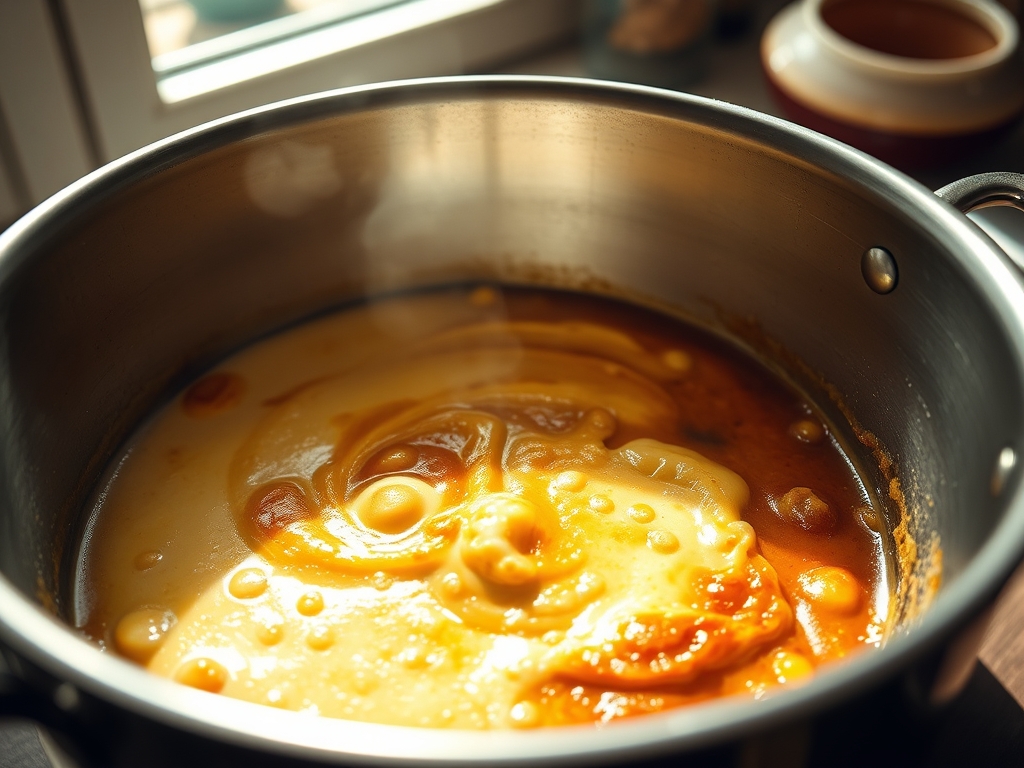
Crack your eggs into a stainless steel saucier or mixing bowl. Use a whisk to vigorously aerate the mixture until no streaks of white remain. You are looking for a homogenous, pale yellow liquid.
Pro Tip: Incorporating air at this stage creates microscopic bubbles that expand during the heating process. This physical leavening ensures the final texture is light rather than dense. A digital scale helps maintain a perfect 4:1 egg-to-cream ratio for consistent results.
2. Vessel Pre-Heating
Set your multi cooker to the "Sauté" function on the lowest possible heat setting. Add the butter and allow it to render until the foaming subsides but before it begins to brown.
Pro Tip: This is about thermal momentum. If the vessel is too hot, the eggs will seize instantly. You want a gentle sizzle that indicates the surface is ready to begin the denaturation of the egg proteins without scorching the milk solids in the butter.
3. The Controlled Pour
Pour the egg mixture into the center of the pot. Use a silicone spatula or a bench scraper to constantly move the liquid from the edges toward the center.
Pro Tip: Constant movement prevents the formation of large, tough curds. By keeping the eggs in motion, you are practicing "low shear" cooking, which results in a smaller, more delicate curd structure similar to a French-style scramble.
4. The Residual Heat Finish
When the eggs look 80% cooked and still slightly viscous, turn off the multi cooker entirely. The residual heat of the thick-bottomed inner pot will finish the cooking process.
Pro Tip: This is the most critical stage of the infrastructure. The thermal mass of the multi cooker insert retains significant energy. If you wait until they look "done" to turn off the heat, they will be overcooked by the time they hit the plate.
Section B: Prep & Timing Fault-Lines:
The most common failure in Multi Cooker Scrambled Eggs is the "heat soak" error. Because multi cookers are designed to retain heat, they do not cool down as fast as a frying pan lifted off a burner. If you find your eggs are tightening too quickly, immediately remove the inner pot from the base unit to break the thermal bridge. Another fault-line is the "salt timing" mistake. Salting too early can break down the protein structure before it hits the heat; salt immediately before pouring into the pot to maintain the best textural integrity.
THE VISUAL SPECTRUM
Section C: Thermal & Visual Troubleshooting:
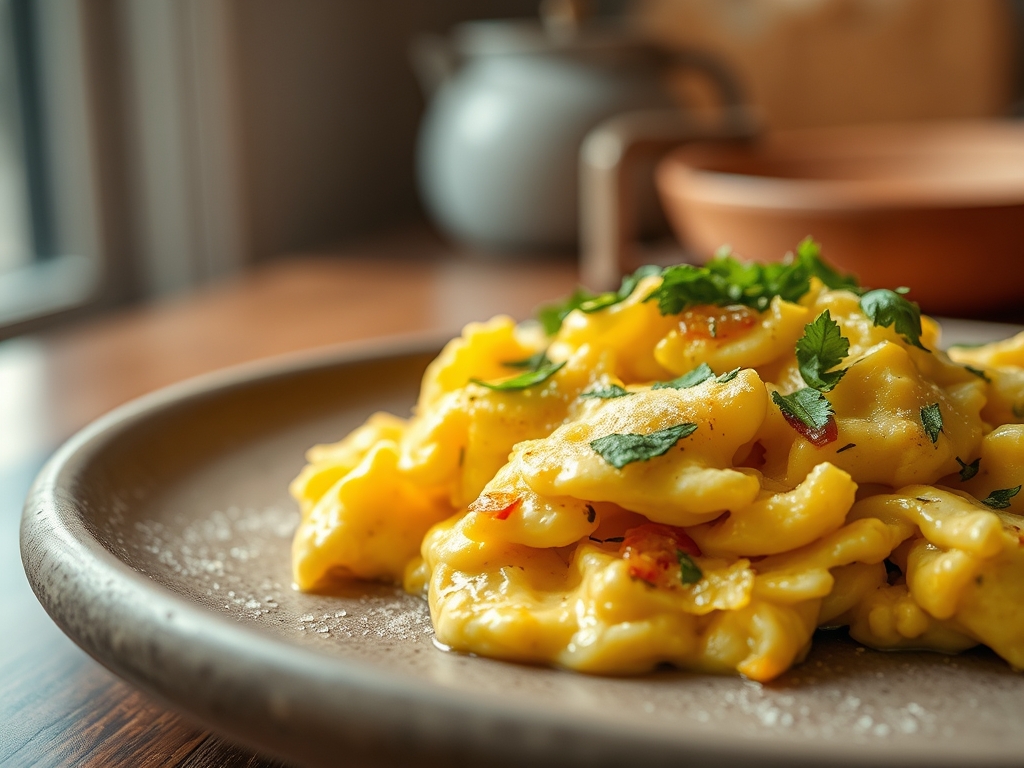
Look at the Masterclass photo above. Notice the soft, glistening folds and the absence of any brown "lace" at the edges. If your eggs show brown spots, your initial "Sauté" temperature was too high, causing a premature Maillard reaction that toughens the egg. If the eggs look dull or matte, you have lost your emulsion; whisk in a small knob of cold butter at the very end to restore the sheen. If there is liquid pooling at the bottom of the plate (syneresis), the proteins have over-coagulated and squeezed out the water. Next time, pull them off the heat thirty seconds earlier.
THE DEEP DIVE
Macro Nutrition Profile:
A single serving of these eggs provides approximately 18g of high-quality protein and 22g of fats. While the fat content is elevated due to the heavy cream and butter, these lipids are essential for the slow-release energy profile required for high-performance cognitive function.
Dietary Swaps:
For a Keto-compliant version, this recipe is already optimized. For a Dairy-Free or Vegan pivot, replace the eggs with a mung-bean based substitute and use avocado oil instead of butter. To keep it Gluten-Free, ensure your seasoning blends are certified, though the base ingredients are naturally devoid of gluten.
Meal Prep & Reheating Science:
Reheating eggs is a delicate operation. To maintain the molecular structure, do not use a microwave, which vibrates water molecules and toughens the protein matrix. Instead, use the "Warm" setting on your multi cooker with a tablespoon of water or cream to create a steam-jacket effect, gently loosening the fats without re-cooking the albumin.
THE KITCHEN TABLE
Why are my eggs watery in the multi cooker?
This is likely syneresis caused by overcooking. The protein network tightened too much and pushed the moisture out. Reduce your cooking time and use the residual heat of the pot to finish the setting process gently.
Can I use milk instead of heavy cream?
You can, but the lower fat content increases the risk of the eggs becoming rubbery. The fat in heavy cream acts as a physical barrier between protein strands, ensuring a much softer, more viscous final curd.
What is the best tool for stirring?
A high-heat silicone spatula is non-negotiable. It allows you to scrape the bottom of the multi cooker effectively, ensuring no protein "skins" develop, which would ruin the uniform texture of your Multi Cooker Scrambled Eggs.
Should I use the lid during cooking?
No. Using the lid creates a pressurized steam environment that will cook the eggs too rapidly from the top down. For the perfect scramble, you need to monitor the moisture evaporation and curd formation visually in real-time.