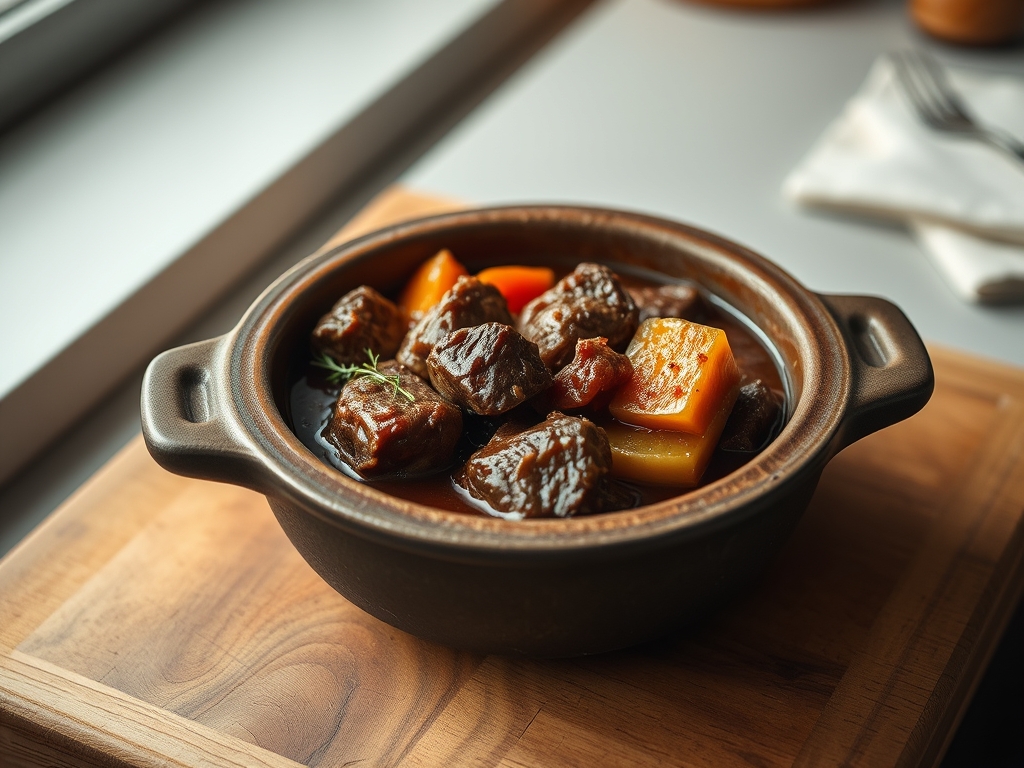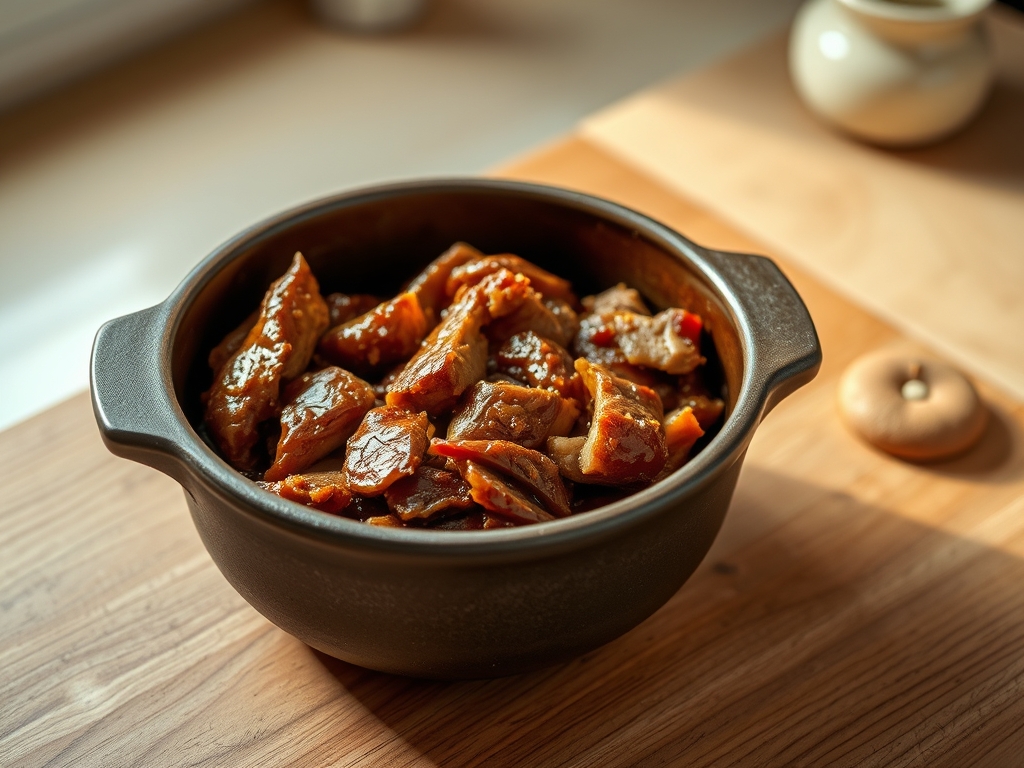
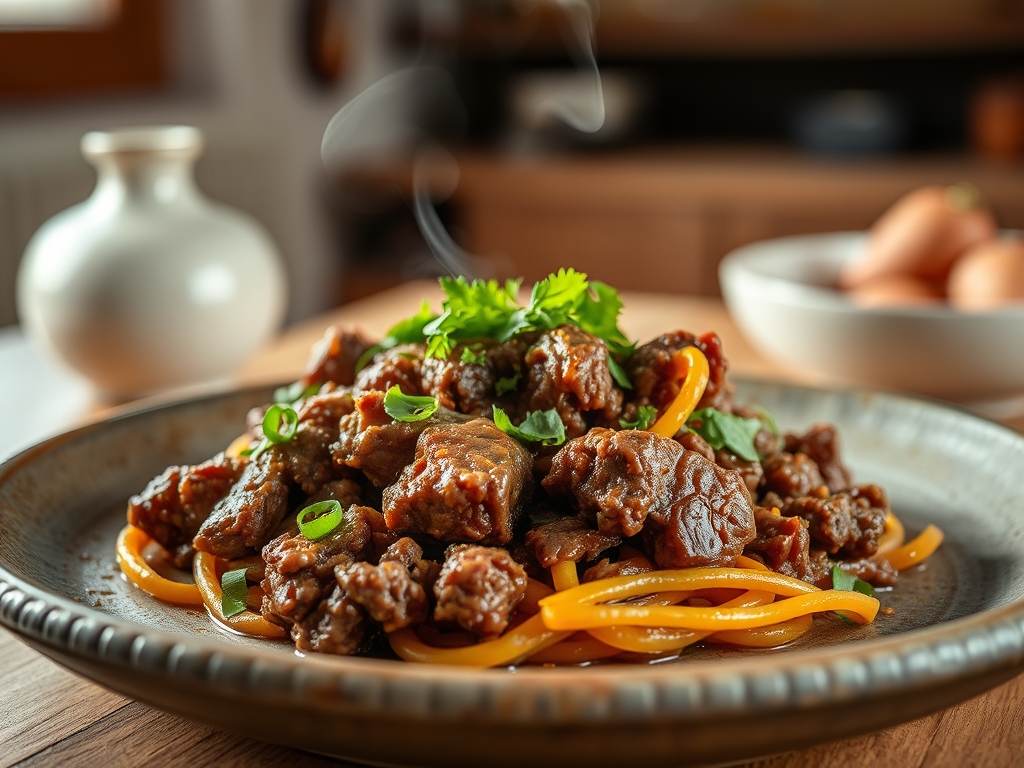
Stop treating your pressure cooker like a glorified crockpot and start treating it like the high performance thermal reactor it truly is. We are not here to produce a gray, sodden mass of protein that tastes like sadness and steam. We are here for the definitive Multi Cooker Ground Beef experience; a masterclass in fat rendering efficiency and Maillard reaction optimization. When that lid pops, the air should be thick with the scent of caramelized amino acids and rendered tallow. We are aiming for a texture that is simultaneously tender and distinct, swimming in a sauce that has achieved perfect emulsification. This is the infrastructure of flavor. By utilizing the concentrated heat of a multi cooker, we bypass the uneven hotspots of a traditional skillet and move toward a standardized, high yield production model. If you are still browning meat in batches on a stovetop like it is the nineteenth century, you are hemorrhaging time. It is time to audit your workflow and upgrade your culinary output to professional standards.
THE DATA MATRIX
| Metric | Specification |
|---|---|
| Prep Time | 10 Minutes |
| Execution Time | 15 Minutes |
| Yield | 4-6 Servings |
| Complexity (1-10) | 3 |
| Estimated Cost per Serving | $2.50 |
THE GATHERS
Ingredient Protocol:
- 900g / 2 lbs Ground Beef (80/20 lean-to-fat ratio)
- 240ml / 1 cup Beef Bone Broth (low sodium)
- 15g / 1 tbsp Kosher Salt
- 5g / 1 tsp Cracked Black Peppercorns
- 10g / 2 tsp Garlic Powder
- 10g / 2 tsp Onion Powder
- 30ml / 2 tbsp Worcestershire Sauce
- 15ml / 1 tbsp Avocado Oil (high smoke point)
Section A: Ingredient Quality Audit:
The primary failure point in Multi Cooker Ground Beef is the moisture content of the raw material. If your beef arrives in a vacuum-sealed "brick" from the supermarket, it often contains excess water weight. This water prevents the meat from reaching the critical temperatures required for browning. To fix this, pat the meat dry with paper towels before it touches the pot. If your meat is too lean (90/10 or higher), the final product will be chalky. Technical Fix: Integrate a small amount of beef tallow or even butter during the sauté phase to provide the necessary lipids for flavor transport. If the meat smells metallic, it is likely oxidized. Discard it. We require fresh, ruby-red protein to ensure a piquant finish.
THE MASTERCLASS
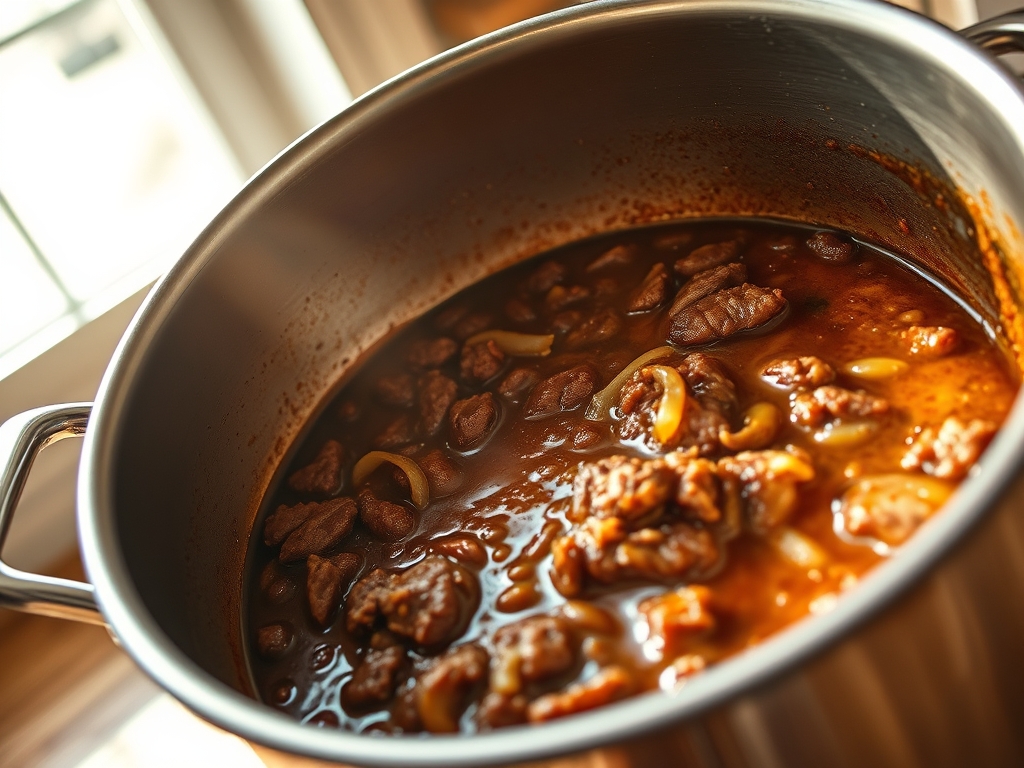
1. Thermal Priming and Sauté
Activate the "Sauté" function on your multi cooker and wait for the "Hot" indicator. Add your high smoke point oil. Once the oil begins to shimmer, add the beef in large chunks rather than a fine crumble. This allows the exterior to render and crust while the interior remains succulent.
Pro Tip: Use a digital scale to ensure your meat portions are consistent. The science here is simple; larger surface area contact with the base of the pot triggers the Maillard reaction more effectively than a crowded, stirred mess.
2. The Deglaze Protocol
Once a dark brown crust has formed on the bottom of the pot (the fond), pour in your beef broth. Use a bench scraper or a sturdy wooden spoon to scrape every microscopic bit of flavor from the floor of the vessel. This is where the depth of your sauce is born.
Pro Tip: This is the moment to deglaze with precision. If you leave the fond stuck to the bottom, you risk a "Burn" error during the pressure cycle. Professional chefs never leave flavor behind.
3. Pressure Integration
Secure the lid and set the valve to the "Sealing" position. Program the unit for 5 minutes on High Pressure. This short burst of intense heat breaks down the connective tissues in the beef, ensuring a melt-in-the-mouth texture that a skillet simply cannot replicate.
Pro Tip: Use a saucier-style mindset when the timer ends. Perform a quick pressure release to prevent the meat from overcooking in its own residual steam, which can lead to a rubbery texture.
4. Final Emulsification
Open the lid and switch back to the "Sauté" function. Stir the mixture vigorously. The goal is to infuse the liquid back into the protein, creating a viscous and glossy coating rather than a watery pool.
Pro Tip: If the liquid is too thin, a small cornstarch slurry can be whisked in. The agitation helps aerate the sauce, giving it a professional, velvet-like sheen.
Section B: Prep & Timing Fault-Lines:
The most common human error is the "Cold Start." If you add meat to a cold pot, you are essentially boiling it in its own juices. This results in a gray, unappealing texture. Always wait for the thermal alarm. Another timing error is the "Lazy Release." Letting the pressure drop naturally for twenty minutes will turn your premium ground chuck into mush. Be proactive with the manual release valve to maintain structural integrity.
THE VISUAL SPECTRUM
Section C: Thermal & Visual Troubleshooting:
Referencing the Masterclass photo, your Multi Cooker Ground Beef should exhibit a deep, mahogany hue, not a dull slate gray. If your meat looks washed out, you failed to achieve a proper sear in Step 1. If the fat is separating into a yellow oil slick rather than a cohesive sauce, your emulsification was unsuccessful. Solution: Add a splash of cold water and stir rapidly over high heat to force the fat and water to bind. The visual cues in the photo show distinct crumbles with a glistening exterior; this indicates that the collagen has converted to gelatin, providing that signature mouthfeel.
THE DEEP DIVE
Macro Nutrition Profile
A standard serving of this infrastructure-grade beef provides approximately 22g of protein, 15g of fat, and 0g of carbohydrates. It is a high-density fuel source designed for maximum biological availability.
Dietary Swaps
- Vegan: Substitute ground beef with a pea-protein crumble and use mushroom broth for the deglaze. Ensure you add extra fat (coconut oil) to mimic the render of beef tallow.
- Keto/GF: This recipe is naturally compliant. Avoid using flour or cornstarch for thickening; instead, reduce the liquid by 50% via the Sauté function.
Meal Prep & Reheating Science
To maintain the molecular structure during reheating, avoid the microwave. The high-frequency waves cause the protein fibers to tighten and expel moisture. Instead, reheat in a small saucepan with a tablespoon of water or broth. This creates a mini-steam environment that restores the viscous nature of the original sauce without toughening the meat.
THE KITCHEN TABLE
Why is my beef gray instead of brown?
You likely overcrowded the pot or failed to wait for the "Hot" signal. This causes the meat to steam in its own moisture rather than searing. Pat the meat dry next time to ensure the Maillard reaction can occur.
Can I use frozen ground beef?
Yes, but you must increase the pressure cook time to 10 minutes. Note that you will sacrifice the initial sear, resulting in a less complex flavor profile. It is a functional compromise, not a culinary preference.
How do I fix a "Burn" notice?
Immediately release the pressure and remove the inner pot. Scrape the bottom to loosen any stuck bits. Add another 60ml of broth to thin the liquid and restart the process. Precision deglazing is the only preventative measure.
Is the liquid at the end supposed to be there?
That liquid is liquid gold. Do not drain it. Use the Sauté function to reduce and emulsify it into a rich glaze. Draining it is throwing away the concentrated essence of the beef and your seasonings.