Steam hits the face like a humid localized weather event. It is thick with the scent of toasted starch and a hint of ginger. We are not merely boiling grain; we are engineering a suspension of broken amylopectin molecules. This is Rice Cooker Congee. It is the ultimate exercise in slow hydration starch kinetics. Forget the frantic stirring of a traditional stovetop risotto. We are delegating the thermal labor to a micro-chipped vessel designed for precision. The goal is a texture that is silky and viscous, a porridge that flows like lava but feels like silk. It is the quintessential comfort food, yet its simplicity is a mask for a complex chemical breakdown. When done correctly, the rice grains do not just soften; they bloom and shatter, releasing their internal starches to create a naturally creamy emulsion. This is high-efficiency culinary infrastructure. It is a dish that demands zero supervision but delivers a high-yield sensory return. We are about to audit your kitchen process to ensure every grain achieves maximum structural collapse.
THE DATA MATRIX
| Metric | Specification |
|---|---|
| Prep Time | 10 Minutes |
| Execution Time | 60 to 90 Minutes |
| Yield | 4 to 6 Servings |
| Complexity (1-10) | 2 (Low effort, high reward) |
| Estimated Cost per Serving | $0.45 – $1.20 |
THE GATHERS
Ingredient Protocol:
- 200g / 1 cup Jasmine Rice (Long-grain provides the best floral aroma)
- 1.75L / 7 cups Filtered Water or Chicken Bone Broth
- 15g / 1 inch Fresh Ginger (Peeled and sliced into matchsticks)
- 5g / 1 tsp Kosher Salt (Adjust to taste)
- 15ml / 1 tbsp Neutral Oil or Toasted Sesame Oil
- Optional: 100g / 3.5 oz Shredded Chicken or Pork
- Garnish: Scallions, Soy Sauce, and White Pepper
Section A: Ingredient Quality Audit:
If your rice smells dusty or stale, the aromatic compounds have oxidized. Technical fix: Perform a triple-rinse in a fine-mesh strainer until the water runs clear. This removes excess surface starch that can lead to a gummy, rather than creamy, mouthfeel. If using tap water with high mineral content, your congee may taste metallic. Switch to filtered water to allow the delicate rice notes to infuse properly. For a richer profile, replace 50 percent of the water with a gelatin-rich bone broth. This adds a velvety body that water alone cannot achieve.
THE MASTERCLASS
1. The Grain Preparation
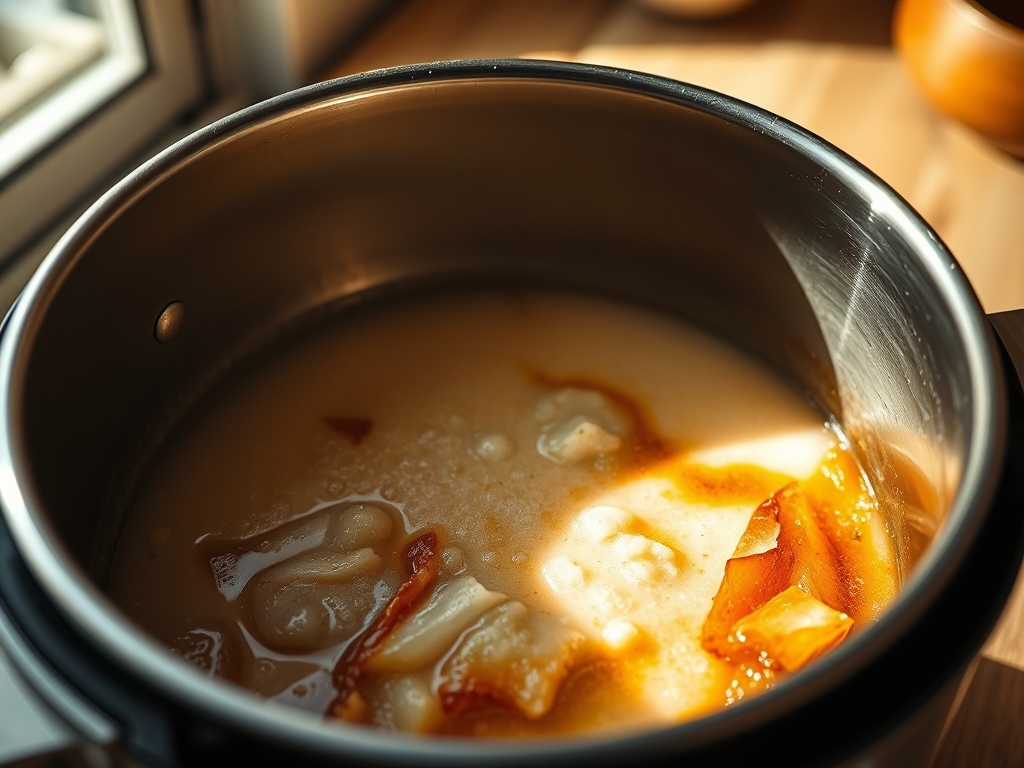
Place your rice on a digital scale to ensure precise ratios. Rinse the grains thoroughly. After rinsing, toss the damp rice with a teaspoon of oil. This "pre-coating" technique helps the grains break down more evenly during the thermal cycle.
Pro Tip: This coating of lipids prevents the rice from clumping at the bottom of the cooker bowl. It encourages the individual grains to aerate as they begin to swell; ensuring a more uniform suspension.
2. The Liquid Integration
Transfer the rice to the cooker and add your measured liquid. Drop in the ginger matchsticks. If you are adding raw proteins like chicken breast, add them now so they can render their juices directly into the porridge.
Pro Tip: Use a saucier or a small pot to pre-heat your broth to a simmer before adding it to the rice cooker. This jump-starts the starch gelatinization process and can shave fifteen minutes off the total cycle time.
3. The Automated Hydration Cycle
Select the "Porridge" or "Congee" setting on your device. If your cooker lacks this specific logic, use the "Brown Rice" setting or simply the standard cycle, but be prepared to add more liquid halfway through.
Pro Tip: Do not open the lid during the first 30 minutes. Maintaining a constant internal pressure is vital for the grains to "bloom" (the physical bursting of the grain). A bench scraper is useful here for prepping garnishes while the machine does the heavy lifting.
4. The Final Emulsification
Once the timer sounds, open the lid and use a wooden paddle to vigorously stir the congee for sixty seconds. This mechanical agitation releases the final stage of starches, thickening the liquid into a viscous masterpiece.
Pro Tip: This is the "shear force" stage. By stirring rapidly, you are creating a stable emulsion between the water, the rice starches, and any fats present. It transforms the dish from "rice soup" into true congee.
Section B: Prep & Timing Fault-Lines:
The most common human error is the "Set and Forget" fallacy. While the machine is automated, the timing of the protein addition matters. If you add delicate seafood at the start, it will overcook and become rubbery. Add shrimp or white fish only in the last ten minutes of the cycle. If the congee is too thick after the cycle ends, do not panic. Whisk in 100ml of boiling water to adjust the density. Never add cold water; it shocks the starch molecules and ruins the silky texture.
THE VISUAL SPECTRUM
Section C: Thermal & Visual Troubleshooting:
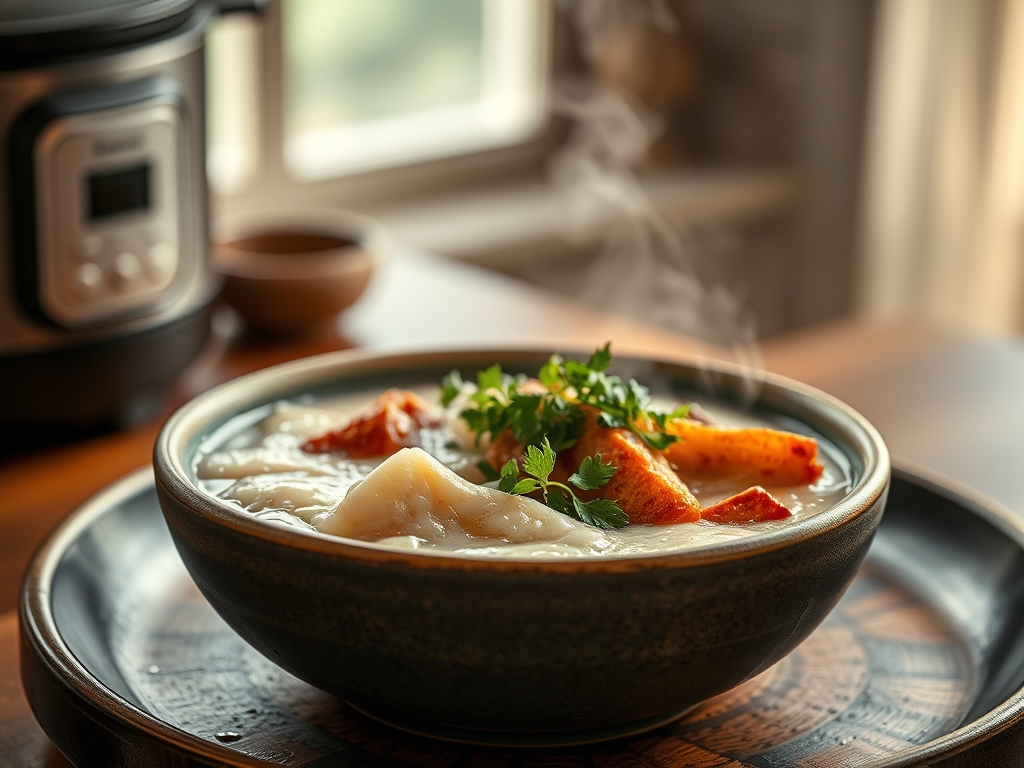
Look at the Masterclass photo above. Notice the "cratered" surface and the way the scallions sit on top without sinking immediately. This indicates perfect density. If your congee looks translucent or watery, you have used too much liquid or insufficient heat. If it looks like a solid block of white paste, it has over-hydrated.
To fix a dull appearance, add a dash of white pepper and a drizzle of sesame oil; this creates a "gloss" that catches the light. If you see uneven browning at the bottom, your cooker's thermal sensor is running too hot. Next time, add a tablespoon more oil to the base to act as a heat buffer. The final product should be a pristine, ivory white with vibrant green highlights from the fresh scallions.
THE DEEP DIVE
Macro Nutrition Profile:
A standard serving of Rice Cooker Congee provides approximately 180 calories, 38g of carbohydrates, 3g of protein, and 1g of fat (when made with water). It is a high-glycemic food, meaning it provides rapid energy, making it an excellent recovery meal.
Dietary Swaps:
- Vegan: Use vegetable bouillon and top with crispy fried shallots and silken tofu for protein.
- Keto: Replace rice with riced cauliflower. Note: Cauliflower does not contain starch, so you must add a thickener like xanthan gum to mimic the viscous texture.
- GF: Naturally gluten-free, but ensure your soy sauce garnish is replaced with tamari.
Meal Prep & Reheating Science:
Congee is a starch gel. When it cools, it undergoes retrogradation; the starch molecules realign into a firm structure. To reheat, you must break these bonds. Add a splash of liquid and heat slowly while whisking. This restores the creamy suspension without making the rice "grainy."
THE KITCHEN TABLE
Why is my congee grainy instead of smooth?
You likely skipped the rinsing or the final vigorous stir. Rinsing removes debris, while stirring at the end breaks the softened grains to create that signature creamy texture. Ensure you use the full cooking time for maximum starch release.
Can I use brown rice for this?
Yes, but the kinetics change. Brown rice has a bran layer that resists bursting. You will need 20 percent more liquid and a longer cooking cycle. The result will be nuttier and more fibrous rather than silky.
How do I prevent the "boil over" mess?
A tiny drop of neutral oil in the water breaks the surface tension of the starch bubbles. This prevents the foam from rising high enough to clog the steam vent of your rice cooker.
Is it safe to leave congee on "Keep Warm"?
For up to two hours, yes. Beyond that, the congee will continue to dehydrate and may develop a thick skin or scorched bottom. For best results, serve immediately after the final stir.