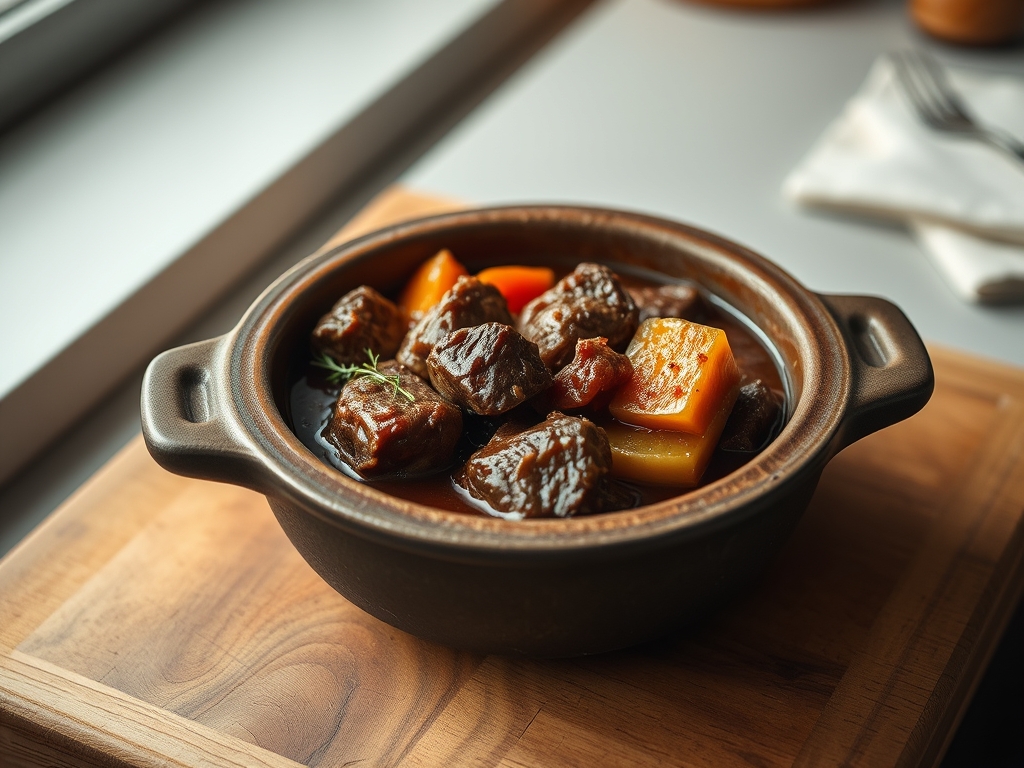
Stop treating your pantry like a graveyard for forgotten grains and start viewing it as a high-performance laboratory for complex carbohydrates. We are moving beyond the mushy, uninspired porridges of the past to embrace a superior structural standard. When you deploy Rice Cooker Barley, you are not just making a side dish; you are engineering a matrix of soluble fiber that possesses a distinct, resilient snap. Imagine a bowl where every individual pearl is a pressurized vessel of nutty, toasted flavor, coated in a delicate sheen of starches that have been perfectly gelatinized but never compromised. The aroma is reminiscent of a sun-drenched grain elevator; it is earthy, sweet, and profoundly satisfying. We are looking for a specific tactile resistance, a "pop" that signals the internal moisture has reached equilibrium without breaching the outer bran layer. This is the gold standard of grain infrastructure. If your current output is a sticky, amorphous mass, your system is failing. It is time to recalibrate your thermal inputs and liquid ratios to achieve culinary excellence.
THE DATA MATRIX
| Metric | Specification |
|---|---|
| Prep Time | 5 Minutes |
| Execution Time | 45 Minutes |
| Yield | 750ml (3 Cups) Cooked |
| Complexity (1-10) | 2 |
| Estimated Cost per Serving | $0.22 USD |
THE GATHERS
Ingredient Protocol:
- 200g / 1 cup Pearled Barley (High-grade hull-less or pearled)
- 500ml / 2 cups Filtered Water or Low-Sodium Bone Broth
- 5g / 1 tsp Fine Sea Salt
- 15ml / 1 tbsp Extra Virgin Olive Oil or Grass-fed Butter
- 1 sprig Fresh Thyme (Optional for infusion)
Section A: Ingredient Quality Audit:
The primary failure point in Rice Cooker Barley is the age of the raw material. If your barley has been sitting in a translucent plastic bin for two years, the lipids have likely oxidized, leading to a rancid, cardboard-like flavor profile. To fix this, always perform a sensory sniff test before measuring. If the grain smells dusty, discard it. Furthermore, check for "dust" at the bottom of the bag; this indicates excessive friction during shipping which will lead to a gummy, over-starched final product. If you must use older grains, a vigorous three-cycle rinse in a fine-mesh sieve is mandatory to remove surface starch. If your water is excessively "hard" or mineral-heavy, it can prevent the grains from softening properly. Use filtered water to ensure the osmotic pressure allows the liquid to penetrate the grain core efficiently.
THE MASTERCLASS
1. The Mechanical Rinse and Desiccation
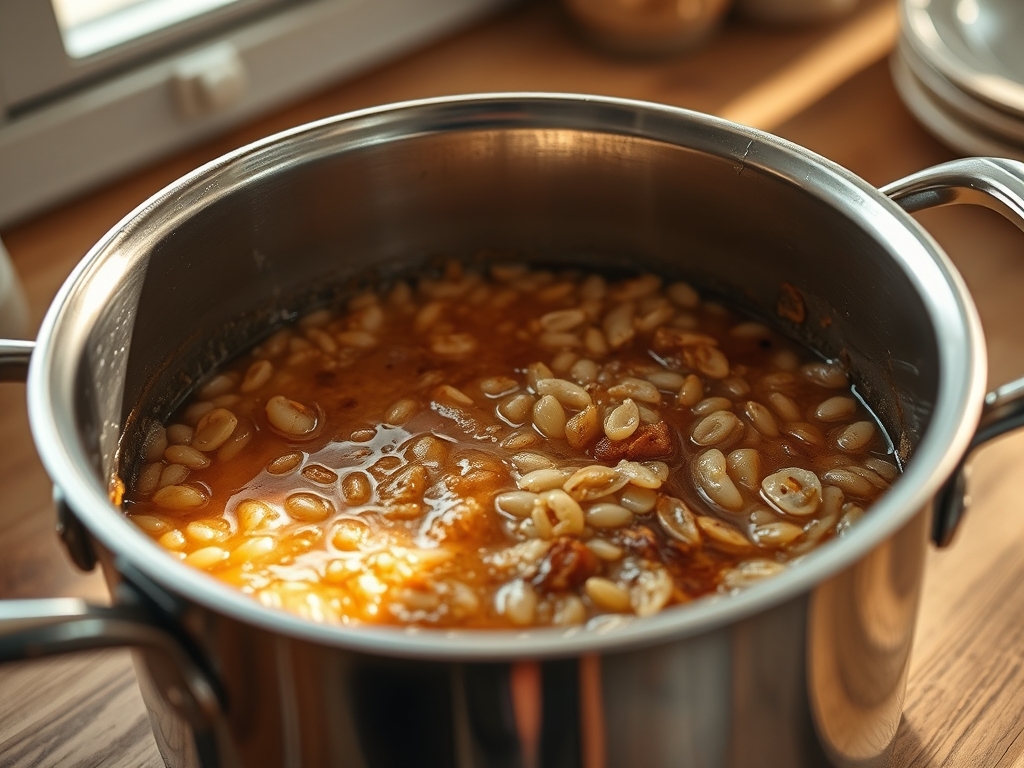
Place your barley in a fine-mesh sieve and rinse under cold, high-pressure water until the effluent runs crystal clear. Transfer the damp grains to a dry saucier or skillet over medium heat for two minutes. Use a silicone spatula to move the grains constantly until they smell toasted and the surface moisture has evaporated.
Pro Tip: This pre-toasting phase initiates a mild Maillard reaction on the exterior of the grain. By dehydrating the surface before the main cook, you create a structural "shell" that prevents the grain from bursting, ensuring a distinct texture rather than a homogenous paste.
2. Calibrating the Liquid Ratio
Transfer the toasted grains into the inner pot of your rice cooker. Add your 500ml of filtered liquid and the salt. Use a digital scale for this step rather than volumetric cups to ensure a precise 1:2.5 ratio by weight if you are scaling up the recipe. This precision prevents the "mush factor" common in amateur preparations.
Pro Tip: Adding a fat source like butter or oil at this stage allows the lipids to coat the individual starch granules. This emulsification process during the simmer prevents the cooking liquid from foaming over the steam vent and keeps the grains separate after the cycle completes.
3. The Thermal Cycle and Steam Infusion
Close the lid and select the "Brown Rice" or "Normal" setting. If your unit has a "Grains" preset, utilize it. Once the timer expires, do not open the lid immediately. Allow the unit to remain on the "Keep Warm" setting for exactly ten minutes to allow the residual steam to redistribute.
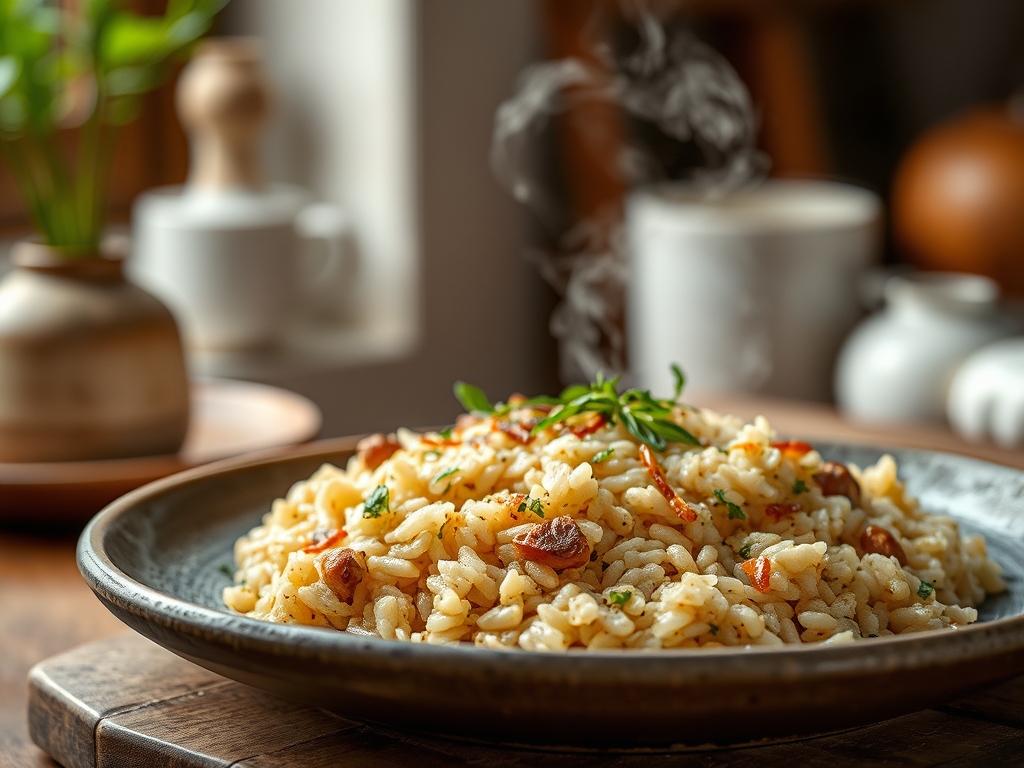
Pro Tip: This rest period is essential for retrogradation. As the temperature drops slightly, the starch molecules realign into a more crystalline structure. This makes the barley easier to digest and significantly improves the "toothsome" quality visible in the masterclass photo.
4. The Aeration Maneuver
Open the lid and use a bench scraper or a wide rice paddle to gently fold the grains from the bottom to the top. Do not stir vigorously; you want to aerate the mixture to release excess steam without crushing the delicate pearls.
Pro Tip: Aeration stops the cooking process instantly by allowing latent heat to escape. If you leave the grains compressed at the bottom of the pot, the weight of the top layers will crush the bottom layers, ruining the structural integrity of your infrastructure.
Section B: Prep & Timing Fault-Lines:
The most common human error is the "Peek Syndrome." Opening the lid during the pressurized cooking phase results in a catastrophic loss of thermal energy and steam pressure. This leads to grains that are "al dente" in a bad way; crunchy in the center and slimy on the outside. If you accidentally interrupt the cycle, add 30ml of boiling water and restart the cycle for five additional minutes. Another fault-line is improper salt timing. If you salt at the end, the interior of the grain remains bland. You must infuse the seasoning into the cooking liquid so it penetrates the grain via osmosis during the hydration phase.
THE VISUAL SPECTRUM
Section C: Thermal & Visual Troubleshooting:
Look closely at the Masterclass photo. Notice the individual definition of each grain; they are plump, slightly translucent, and possess a golden hue. If your barley looks grey or dull, you skipped the toasting phase or used tap water with high chlorine content. If the grains are clumped together in "clusters," your rinse was insufficient, leaving too much surface amylopectin to create a sticky bond. For uneven browning, ensure your rice cooker heating element is clean. A dirty sensor can cause the unit to shut off prematurely, leaving some grains hydrated and others parched. If the color is too pale, a splash of piquant lemon juice or a dash of turmeric in the cooking liquid can brighten the visual spectrum without compromising the base flavor.
THE DEEP DIVE
Macro Nutrition Profile:
Rice Cooker Barley is a powerhouse of slow-release energy. A single cup provides approximately 6 grams of protein and 6 grams of fiber, specifically beta-glucan, which is known for its ability to regulate cholesterol. It is a low-glycemic index food, meaning it provides a steady stream of glucose to the bloodstream rather than a spike and crash.
Dietary Swaps:
- Vegan: Use vegetable stock or mushroom dashi for a deep umami profile.
- Keto: Barley is not keto-friendly due to its high carbohydrate count; however, it is an excellent "Slow Carb" option.
- GF: Barley contains gluten. For a gluten-free alternative with similar infrastructure, substitute with sorghum or short-grain brown rice using the same 1:2.5 ratio.
Meal Prep & Reheating Science:
Barley is the king of meal prep because its molecular structure holds up remarkably well to refrigeration. When reheating, add 15ml of water per cup of barley and microwave covered. This creates a localized steam chamber that re-hydrates the starch matrix without making it soggy.
THE KITCHEN TABLE
Why is my barley still crunchy after the cycle?
Your liquid-to-grain ratio was likely too low or your rice cooker vent is leaking steam. Add 50ml of water and run a "Quick Cook" cycle to finish the hydration process.
Can I cook barley and rice together?
Negative. Barley requires a longer cook time and more water than white rice. If you must mix them, use brown rice which shares a similar thermal requirement and hydration curve.
How do I make the flavor more intense?
Deglaze your toasting pan with a splash of white wine or dry sherry before adding the grains to the rice cooker. This adds a sophisticated acidity that cuts through the natural earthiness of the grain.
Is pearled barley better than hulled?
Pearled barley has the outer bran removed, making it faster to cook and easier to digest. Hulled barley is the "whole grain" version; it requires a pre-soak of four hours to achieve the same texture.