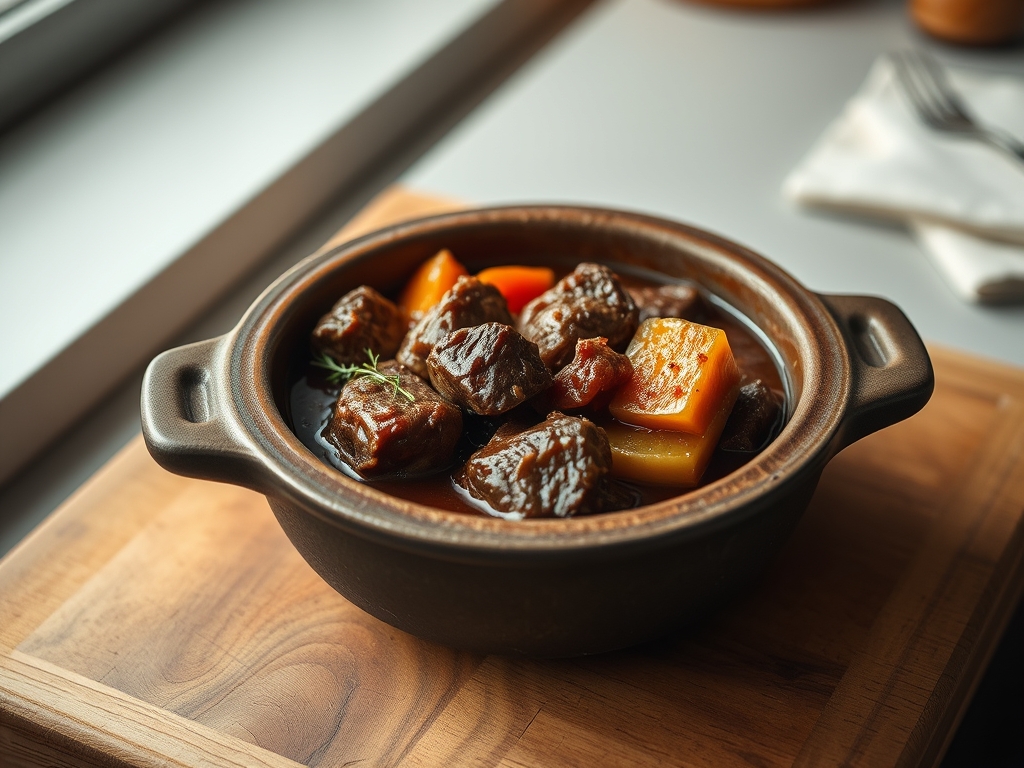
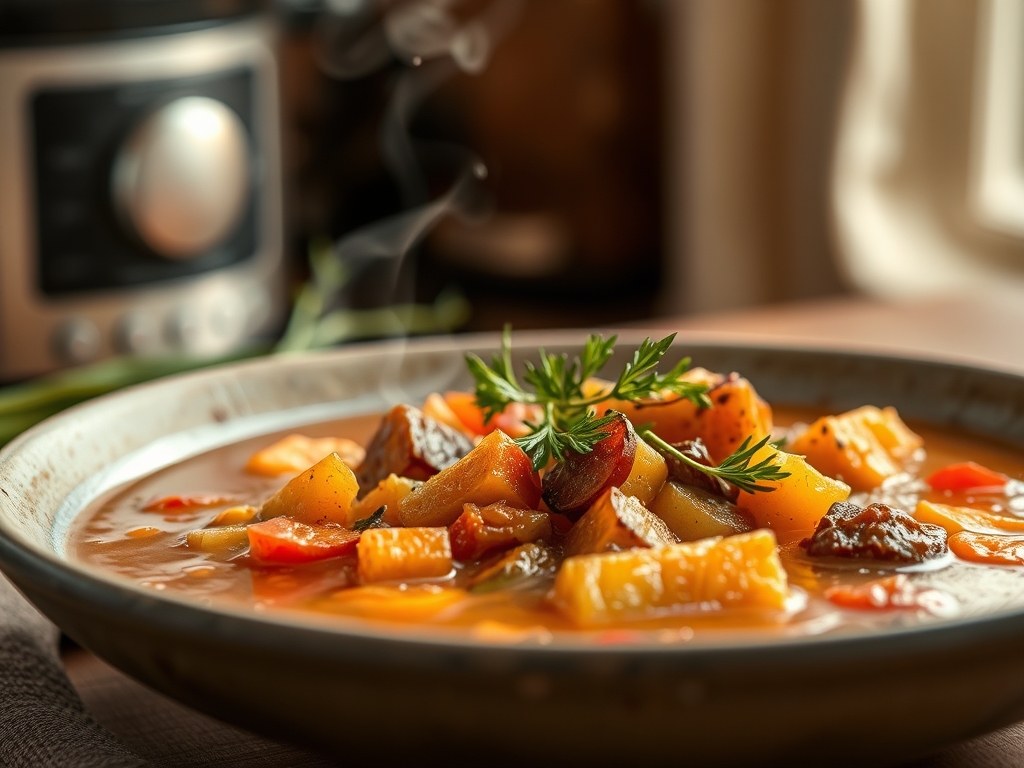
Forget everything you know about the humble, watery broth of your childhood. We are no longer merely boiling plants; we are engineering a micronutrient suspension. When you commit to a Slow Cooker Vegetable Soup, you are engaging in a low-temperature extraction process that demands respect for cellular integrity and thermal consistency. The goal is a liquid medium so dense with flavor that it feels structural. We want a bowl that vibrates with the essence of the harvest, where every carrot coin and celery crescent is a perfectly calibrated vessel of savory depth. This is not a "set it and forget it" surrender to mediocrity. This is a strategic deployment of time to achieve a level of umami that high-heat methods simply cannot touch. By leveraging the slow, rhythmic pulse of ceramic heating elements, we coax out the natural sugars and volatile aromatics without shattering the delicate fibers of the produce. Prepare your palate for a viscous, piquant masterpiece that redefines the very infrastructure of comfort food.
THE DATA MATRIX
| Metric | Specification |
|---|---|
| Prep Time | 25 Minutes |
| Execution Time | 6 to 8 Hours (Low) / 3 to 4 Hours (High) |
| Yield | 2.8 Liters / 12 Cups |
| Complexity (1-10) | 3 |
| Estimated Cost per Serving | $1.15 USD |
THE GATHERS
Ingredient Protocol:
- 450g / 3 cups Carrots, 1cm rounds
- 340g / 2 cups Yukon Gold Potatoes, 2cm cubes
- 225g / 1.5 cups Yellow Onion, small dice
- 150g / 1 cup Celery, sliced
- 4 cloves Garlic, minced
- 800g / 28oz Canned San Marzano Tomatoes, crushed by hand
- 1.4L / 6 cups Low-sodium vegetable stock
- 150g / 1 cup Green beans, trimmed and cut
- 150g / 1 cup Frozen peas
- 15ml / 1 tbsp Tomato paste
- 5ml / 1 tsp Dried oregano
- 5ml / 1 tsp Dried thyme
- 2 Bay leaves
- 15ml / 1 tbsp Extra virgin olive oil
- Salt and cracked black pepper to taste
Section A: Ingredient Quality Audit:
If your carrots feel rubbery or "bendy," they have lost their turgor pressure. To fix this, submerge them in an ice bath for 30 minutes to rehydrate the cell walls before dicing. If your onions lack that sharp, sulfurous bite, they may be old. Sauté them briefly in a saucier with a pinch of sugar to kickstart the caramelization process before they enter the slow cooker. Sub-par stock is the most common failure point. If your liquid base tastes like tinted water, infuse it with a dried kombu sheet or a parmesan rind for 20 minutes prior to use to build an artificial umami floor.
THE MASTERCLASS
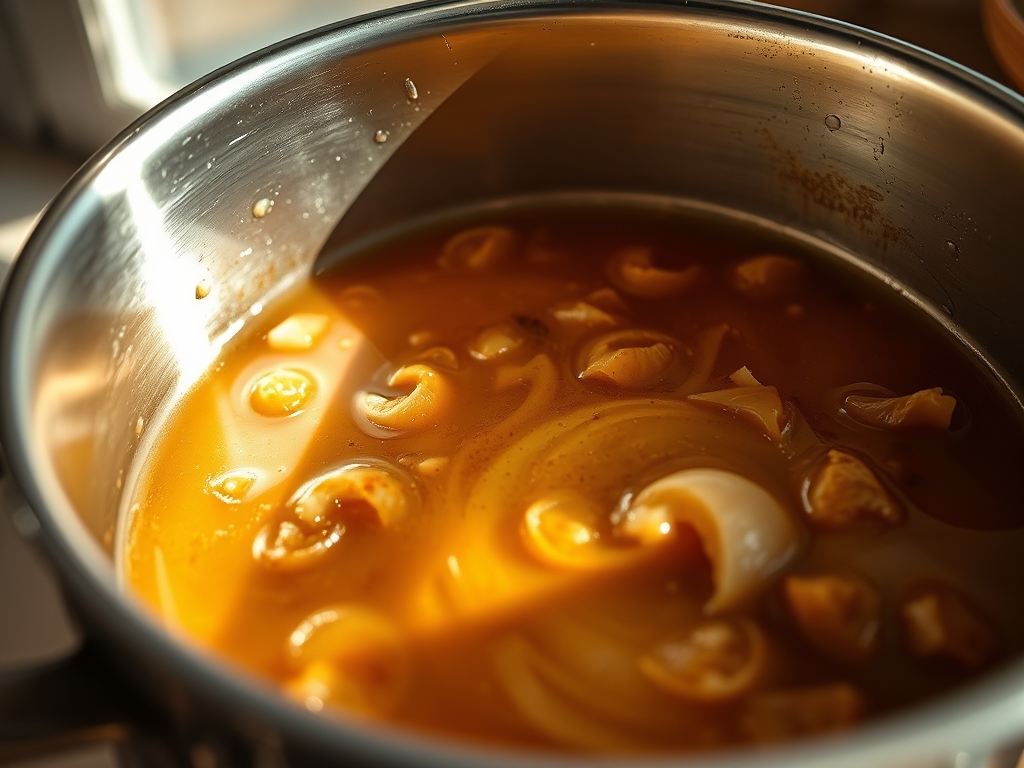
Step-by-Step Execution:
1. The Aromatic Foundation
Place your onions, celery, and carrots into the ceramic vessel. Drizzle with olive oil and toss to coat. Use a bench scraper to efficiently transfer your precision-cut mirepoix from the cutting board to the pot without losing a single cube.
Pro Tip: This initial coating of lipids helps to render the fat-soluble vitamins (A, D, E, K) found in the vegetables, making them more bioavailable and ensuring a richer mouthfeel.
2. The Umami Injection
Add the garlic, tomato paste, oregano, and thyme. Stir vigorously to ensure the paste is distributed. Use a digital scale to measure your dried herbs; weight is always more accurate than volume when dealing with varying leaf sizes.
Pro Tip: Rubbing the dried herbs between your palms before adding them will aerate the essential oils, waking up the dormant aromatic compounds for a more vibrant flavor profile.
3. The Fluid Integration
Pour in the crushed tomatoes and the vegetable stock. Submerge the bay leaves deep into the liquid. Ensure there is at least two inches of headspace at the top of your cooker to allow for thermal expansion and gentle simmering.
Pro Tip: If using homemade stock, ensure it is at room temperature. Adding ice-cold liquid to a ceramic pot can cause thermal shock, potentially cracking the vessel or significantly delaying the "up-to-temp" phase.
4. The Thermal Endurance Phase
Secure the lid. Set your device to "Low" for 7 hours. Resist the urge to lift the lid. Every time you peek, you lose approximately 10 to 15 degrees of internal heat, extending your cook time by 20 minutes.
Pro Tip: Using the "Low" setting allows for a more controlled breakdown of pectin, the "glue" that holds vegetable cells together. This ensures the potatoes are creamy rather than grainy.
5. The Final Texture Calibration
Thirty minutes before serving, stir in the green beans and peas. This prevents them from becoming gray and mushy, preserving their bright chlorophyll pigment and "snap."
Pro Tip: Use a digital instant-read thermometer to check the internal temperature of a potato chunk. It should register 93C (200F) for optimal starch gelatinization.
Section B: Prep & Timing Fault-Lines:
The most frequent human error is "The Crowding Effect." If you pack the slow cooker to the brim, the heat cannot circulate, leading to "cold spots" where vegetables remain raw while others disintegrate. Always maintain the "two-thirds full" rule. If you find your soup is ready two hours early, do not leave it on "Warm" indefinitely. This will over-extract the bitterness from the herbs. Instead, switch it off and let the residual heat maintain the temperature.
THE VISUAL SPECTRUM
Section C: Thermal & Visual Troubleshooting:
Referencing the Masterclass photo, notice the clarity of the broth and the distinct edges of the vegetables. If your soup looks like a muddy, brown slurry, you likely over-agitated the pot. Stirring too frequently breaks the softened vegetable structures. If the color is dull, you missed the acid spike. A teaspoon of lemon juice or sherry vinegar added at the very end will deglaze the palate and brighten the visual reds and greens. If you see "oil slicks" on the surface, your emulsion has broken. Whisk in a small slurry of cornstarch and water to bind the fats back into the suspension.
THE DEEP DIVE
Macro Nutrition Profile:
A standard 350ml serving provides approximately 180 calories, 4g of protein, 28g of carbohydrates, and 6g of fiber. It is a powerhouse of Vitamin A and C, with zero cholesterol. The slow-cooking process preserves the mineral content, ensuring you ingest the potassium and magnesium that often leach out in high-boil scenarios.
Dietary Swaps:
- Vegan: Already compliant. Ensure your vegetable stock is not honey-fortified.
- Keto: Replace potatoes and peas with cauliflower florets and sliced zucchini. Reduce the carrot ratio by half.
- GF: Naturally gluten-free. Verify that your tomato paste does not use wheat-based thickeners.
Meal Prep & Reheating Science:
To maintain molecular structure during storage, cool the soup rapidly in an ice bath before refrigerating. This prevents "carry-over cooking" from turning your vegetables into mush. When reheating, do not use a microwave; the uneven agitation of water molecules will toughen the plant fibers. Use a heavy-bottomed pot over medium-low heat to gently re-liquefy the starches.
THE KITCHEN TABLE
Why are my potatoes still hard after 6 hours?
This usually occurs if you added acidic ingredients like lemon juice or vinegar too early. Acid strengthens the pectin in potato cell walls. Always wait until the final 30 minutes of cooking to add high-acid components.
Can I use frozen vegetables from the start?
It is not recommended. Frozen vegetables release excess water as they thaw, which will dilute your broth. Additionally, the drop in temperature can keep the soup in the "danger zone" (4C to 60C) for too long.
How do I make the soup thicker without flour?
Take two cups of the finished soup, blend it until smooth in a high-speed blender, and stir it back into the pot. This creates a natural, fiber-rich emulsion that increases the overall viscosity without altering the flavor profile.
Is it safe to put raw meat in with the vegetables?
While possible, it is a culinary crime. Raw meat should be seared in a pan first to trigger the Maillard reaction. This creates complex flavor compounds that a slow cooker cannot produce on its own.